How to Choose, Style, and Care for a Heart Magnetic Necklace
Learn how to safely wear, clean, and style your heart magnetic necklace. Expert tips on neodymium magnet care, metal grades, and neckline pairing.

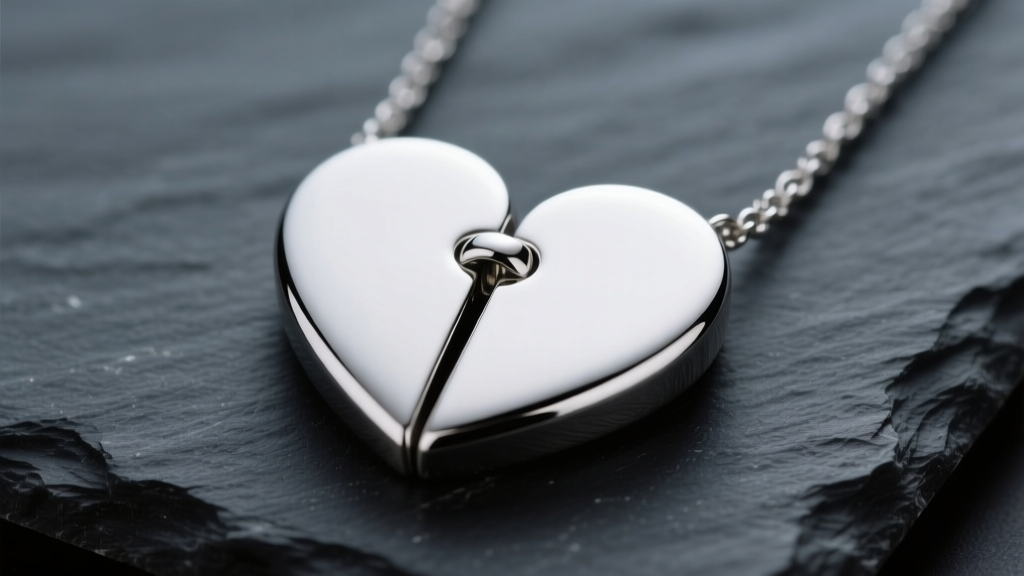
The Mechanics and Magic of the Heart Magnetic Necklace
The heart magnetic necklace has evolved from a novelty item into a sophisticated staple in modern jewelry boxes. By 2026, advancements in CNC micro-milling and rare-earth magnet technology have allowed jewelers to create seamless, invisible magnetic joints that split a heart pendant perfectly in half. Whether you are buying a matching set for you and a loved one, or simply love the satisfying, tactile 'snap' of a magnetic clasp, understanding the metallurgy and physics behind these pieces is crucial for longevity.
Unlike traditional lobster clasps or jump rings, a magnetic pendant relies on precise material science. The wrong cleaning method can permanently demagnetize the core, and poor metal choices can lead to skin irritation or structural failure. This comprehensive, step-by-step guide will walk you through verifying material grades, executing a safe cleaning routine, styling the pendant for various necklines, and troubleshooting common mechanical failures.
Step 1: Verifying Magnet Grade and Metal Safety
Before you even put the necklace on, you need to know what is powering the connection and what is touching your skin. Most high-quality heart magnetic necklaces utilize Neodymium (NdFeB) magnets. These are graded by their maximum energy product, measured in Mega-Gauss Oersteds (MGOe). For a pendant that rests on the chest, you want a balance between holding strength and weight.
| Magnet Grade | Approx. Pull Force | Best Application |
|---|---|---|
| N35 (Standard) | 1.5 - 2.0 lbs | Lightweight silver or gold-plated pendants; delicate chains. |
| N42 (Medium) | 2.5 - 3.0 lbs | Standard 316L stainless steel hearts; daily wear. |
| N52 (Strongest) | 3.5 - 4.5 lbs | Heavy, oversized statement pieces; thick box chains. |
While an N52 magnet offers a powerful snap, it can actually be detrimental in smaller pendants. The sheer force can pinch the skin upon closing or put excessive tensile stress on a delicate 18-inch cable chain, leading to premature stretching. For most heart magnetic necklaces, an N35 or N42 grade is the professional standard.
Regarding the metal casing, always look for 316L Surgical Stainless Steel or solid 925 Sterling Silver. Avoid zinc alloys or brass bases. These porous metals react with the natural pH of your sweat (which ranges from 4.0 to 7.0), causing the adhesive holding the magnet to degrade rapidly. Furthermore, according to dermatological guidelines, nickel-containing base metals are the leading cause of contact dermatitis in jewelry wearers. If you have sensitive skin, 316L steel is practically nickel-free and highly biocompatible.
Step 2: Safe Cleaning and Maintenance Routine
Cleaning a magnetic necklace requires an understanding of thermodynamics. Neodymium magnets have a specific operating temperature limit. While their Curie temperature (the point of total magnetic loss) is around 310°C (590°F), standard N-grade magnets begin to suffer permanent, irreversible demagnetization at temperatures as low as 80°C (176°F).
The Golden Rules of Magnetic Jewelry Care
- Never use steam cleaners: The high-heat steam will weaken the magnet's atomic alignment.
- Avoid heated ultrasonic tanks: If you use an ultrasonic cleaner, ensure it is strictly cold-water.
- Keep away from magnetic fields: Storing your necklace next to strong electronic speakers, MRI equipment, or other heavy rare-earth magnets can scramble the magnetic poles, causing the two halves of the heart to repel rather than attract.
For routine maintenance, follow this simple protocol:
- Mix a few drops of mild, phosphate-free dish soap into a bowl of lukewarm (room temperature) water.
- Submerge the heart pendant for no more than 60 seconds.
- Use a baby-soft bristle brush to gently sweep away sebum and dead skin cells from the chain links and the outer casing.
- Rinse under a gentle stream of cool water.
- Pat dry immediately with a lint-free microfiber cloth. Do not let water air-dry in the magnetic seam, as micro-corrosion can occur on the magnet's nickel-copper-nickel plating if moisture is trapped.
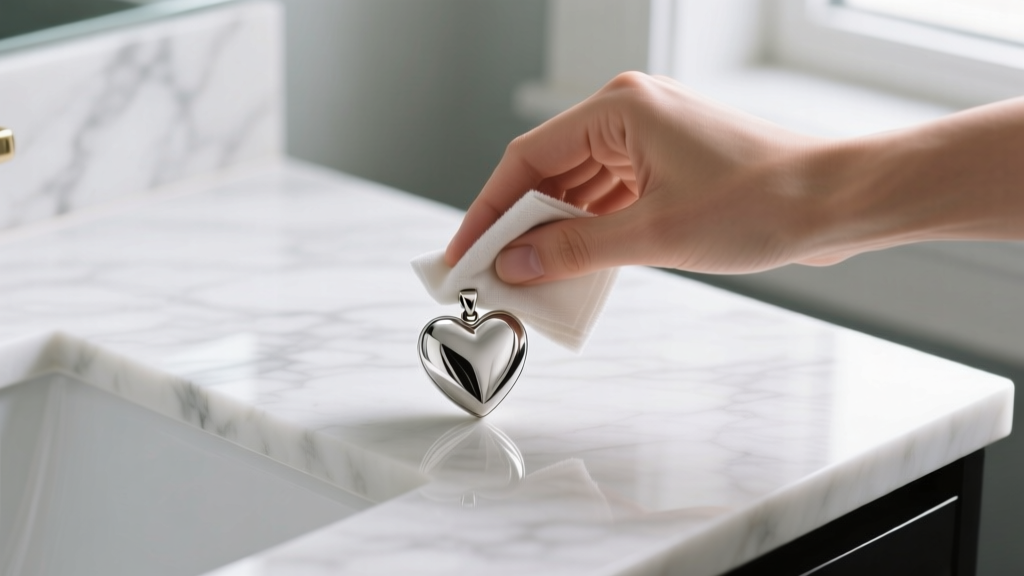
For deeper sanitization, you can use a 70% isopropyl alcohol wipe on the metal casing, but avoid saturating the magnetic seam. The Gemological Institute of America (GIA) consistently recommends gentle, non-abrasive cleaning methods for mixed-material jewelry to preserve both the metal finish and the integrity of internal components.
Step 3: Styling the Heart Magnetic Necklace for Different Necklines
The beauty of the heart magnetic pendant lies in its geometric symmetry. However, because the pendant is often slightly thicker at the seam to house the magnets, it requires strategic styling to ensure it lays flat and acts as a focal point rather than a bulky distraction.
V-Necks and Scoop Necks
A V-neck creates a natural arrow pointing directly to the sternum. Pair your magnetic heart necklace with an 18-inch princess-length chain. This ensures the heart rests exactly in the negative space of the V-neck. If the pendant features a brushed or matte finish, it will contrast beautifully against bare skin, while a high-polish finish will catch the light and draw the eye downward, elongating the neck.
High Collars and Turtlenecks
Wearing a magnetic pendant over dark, thick fabrics like wool turtlenecks requires a longer chain—opt for a 20-inch matinee length. The fabric provides a high-friction surface, so a heavier chain (like a 2mm Cuban link or a solid box chain) is necessary to prevent the pendant from flipping backward. The magnetic weight of the pendant will actually help anchor the chain, keeping it perfectly centered on your chest throughout the day.

Layering with Delicate Chains
If you are participating in the layered necklace trend, the magnetic heart should always be the lowest, heaviest piece. Pair a 14-inch delicate satellite chain with your 18-inch magnetic heart pendant. The magnetic clasp acts as a natural anchor, preventing the lighter chains above it from tangling excessively, provided there is at least a 3-inch length differential between the necklaces.
Troubleshooting Common Magnetic Clasp Failures
Even the finest jewelry can experience mechanical issues. The most common point of failure in a heart magnetic necklace is not the magnet itself, but the adhesive bonding the magnet to the metal casing. This is known in the industry as the 'Pop-Off' effect.
Expert Insight: Mass-market jewelry often uses cheap cyanoacrylate (super glue) to seat magnets. This adhesive becomes brittle over time and shatters under shear stress—such as when you pull the two halves of the heart apart at an angle rather than pulling them straight away from each other.
How to Reseat a Loose Magnet
If you notice the magnet rattling inside its cavity or sitting slightly crooked, do not ignore it. Moisture will enter the gap and rust the magnet, expanding it and cracking the metal casing. To fix this at home:
- Carefully remove the loose magnet using a stronger neodymium magnet to pull it out of the cavity.
- Clean the cavity and the magnet with a cotton swab dipped in isopropyl alcohol to remove old adhesive and oils.
- Apply a micro-drop of two-part jeweler's epoxy (such as Devcon 5-Minute Epoxy or G-S Hypo Cement) to the base of the cavity. Avoid super glue.
- Seat the magnet, ensuring the correct polarity (test it against the other half of the heart before the glue sets so they attract, not repel).
- Wipe away any excess epoxy immediately and let it cure for 24 hours in a dry, room-temperature environment.
Safety Considerations and Final Thoughts
While a heart magnetic necklace is a beautiful symbol of connection, it is vital to be aware of medical interactions. The U.S. Food and Drug Administration (FDA) issues strict warnings regarding the proximity of strong rare-earth magnets to active implanted medical devices. If you or your partner have a pacemaker, an implantable cardioverter defibrillator (ICD), or an insulin pump, a magnetic pendant resting on the chest can inadvertently trigger the device's magnetic safety switch, altering its function. In such cases, opt for a traditional interlocking puzzle pendant or a standard clasp instead.
By understanding the specific grade of your neodymium magnets, adhering to a strict cold-water cleaning regimen, and properly maintaining the epoxy seals, your heart magnetic necklace will remain a flawless, satisfying, and deeply meaningful accessory for years to come. Treat the magnetic seam with respect, pull the halves apart straight rather than twisting them, and enjoy the perfect snap of modern jewelry engineering.


