Hello Kitty Diamond Necklace: 2026 Value & Price Guide
Discover the true value of a Hello Kitty diamond necklace. We break down pricing, material grades, and official vs. custom pieces for smart buyers.

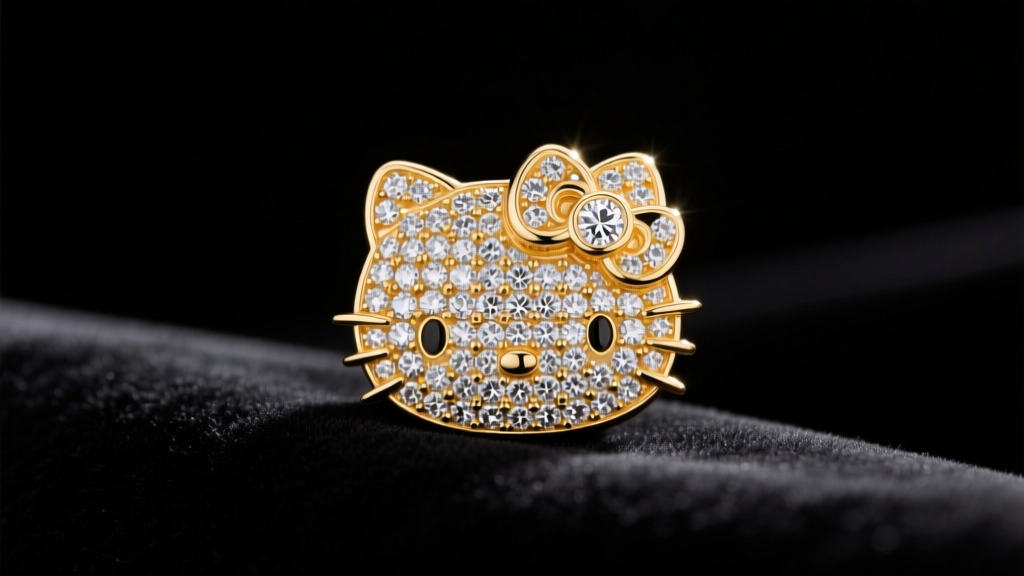
The intersection of nostalgic pop culture and fine jewelry has created a highly specific niche market. For collectors and fans seeking a hello kitty diamond necklace, the journey from browsing to buying is fraught with misleading marketing, ambiguous material grades, and steep licensing markups. As we navigate the jewelry market in 2026, the gap between mass-produced 'diamond simulants' and genuine fine jewelry has widened, making a rigorous value assessment essential before you invest.
This guide strips away the emotional markup and evaluates these necklaces purely on their material integrity, craftsmanship, and long-term financial value. Whether you are looking at a rare official collaboration or commissioning a custom piece, understanding the mechanics of character jewelry pricing will save you thousands of dollars.
The Licensing Reality: Official Collabs vs. Custom Commissions
To accurately assess value, you must first understand the origin of the piece. Sanrio, the parent company of Hello Kitty, tightly controls its intellectual property (IP). Historically, official fine jewelry collaborations—such as those with Japan's Ginza Tanaka or U-Treasure—were released in strictly limited batches. These pieces often featured 18k gold and natural diamonds, with original retail prices ranging from $3,000 to over $15,000 depending on the carat weight.
However, 95% of the 'hello kitty diamond necklace' listings you encounter online today are not official fine jewelry. They fall into two categories:
- Mass-Market Fashion Jewelry: Sterling silver or gold-plated brass set with Cubic Zirconia (CZ). These are officially licensed but hold zero intrinsic gemological value.
- Unofficial Custom Commissions: Independent jewelers who use 3D CAD software to recreate the character's silhouette, casting it in solid gold and setting it with genuine diamonds. While these contain real precious metals and stones, they exist in a legal gray area regarding IP infringement and lack official Sanrio documentation.
Decoding the 'Diamond' Terminology in Character Jewelry
When a product description uses the word 'diamond,' buyers must immediately verify the gemological classification. The price variance between natural earth-mined diamonds, lab-grown diamonds, and simulants is drastic. According to the Gemological Institute of America (GIA), only natural and lab-grown carbon crystals possess the optical and physical properties of a true diamond.
Material Tiers and 2026 Pricing Matrix
Below is a breakdown of what you should expect to pay based on the actual materials used in the pendant and chain. This matrix assumes a standard pendant size (approximately 15mm x 12mm) with full pavé detailing.
| Tier | Metal Base | Stone Type | Avg. Total Weight | 2026 Market Price Range |
|---|---|---|---|---|
| Fashion | 925 Silver / Rhodium | Cubic Zirconia (CZ) | 3.5g - 5.0g | $60 - $150 |
| Mid-Tier Custom | 10k or 14k Solid Gold | Moissanite or Lab-Grown | 2.8g - 4.0g | $800 - $1,800 |
| High-End Custom | 14k or 18k Solid Gold | Natural Melee (VS1/VS2) | 3.5g - 5.5g | $3,200 - $6,500 |
| Official Archive | 18k or Platinum | Natural (VVS/IF) | 8.0g - 15.0g | $12,000 - $35,000+ |
The Custom CAD Process and Melee Diamond Economics
If you are commissioning a custom hello kitty diamond necklace from a private jeweler, you are paying for three distinct elements: the precious metal weight, the melee diamonds, and the CAD labor. Understanding this breakdown prevents you from being overcharged.
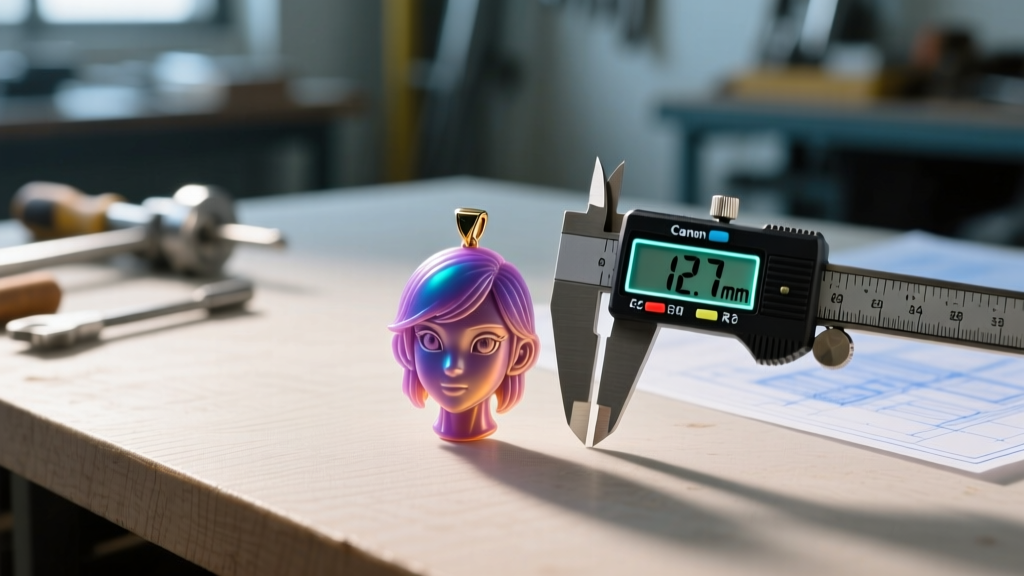
Character pendants require complex 3D modeling to capture the exact proportions of the bow, ears, and facial features. A skilled CAD designer will charge between $150 and $300 just for the digital rendering and 3D resin printing. Once cast in 14k or 18k gold, the setting process begins. Because of the character's curved surfaces, jewelers typically use 1.0mm to 1.3mm melee diamonds (weighing roughly 0.005 to 0.01 carats each).
As noted in recent GIA market reports on lab-grown diamonds, the wholesale cost of lab-grown melee has plummeted, making high-clarity (VVS/VS) lab stones incredibly affordable for custom pavé work. A pendant requiring 40 melee diamonds (approx. 0.30 total carat weight) might only contain $80 to $150 worth of actual lab-grown diamonds. Therefore, if a jeweler quotes you $4,000 for a 14k lab-grown custom piece, you are paying a massive premium for their labor and IP risk, not the raw materials.
Chain Pairing: Structural Integrity for Heavy Pendants
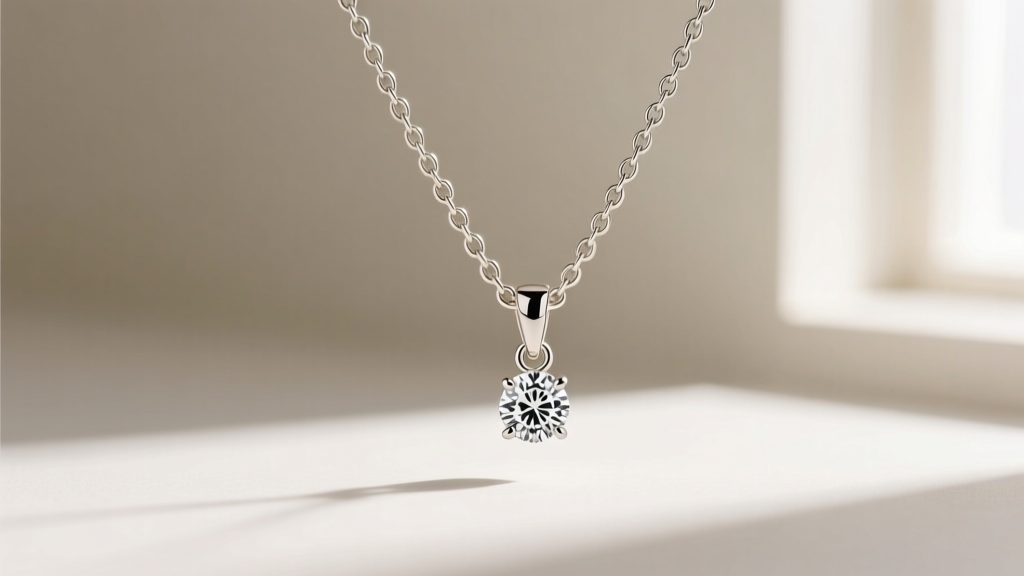
A critical mistake buyers make is pairing a dense, diamond-set character pendant with an inadequate chain. A solid 14k gold pavé pendant can easily weigh between 4 and 6 grams. Suspending this weight on a delicate 0.8mm cable chain will inevitably lead to metal fatigue and chain failure.
For optimal value and longevity, insist on a 1.2mm to 1.5mm box chain or wheat chain. These weaves distribute the tensile stress evenly across the links. Furthermore, ensure the bail (the loop connecting the pendant to the chain) is cast as a single solid piece with the pendant body, rather than soldered on post-casting, which creates a weak structural seam.
Resale Value Assessment: Does IP Jewelry Hold Up?
From a strict investment perspective, character jewelry suffers from steep depreciation unless it meets very specific criteria. If you purchase an unofficial custom hello kitty diamond necklace, its resale value is virtually identical to its scrap gold value plus a marginal premium for the diamonds. Secondary market buyers are hesitant to purchase unlicensed IP jewelry due to authenticity concerns and the lack of brand prestige.
Conversely, official, documented, limited-edition collaborations from recognized luxury houses or heritage jewelers (like the aforementioned Ginza Tanaka pieces) can appreciate or hold their value, provided they are sold with their original certificates of authenticity, limited edition numbering, and pristine packaging. Without this paper trail, even an official piece will be appraised merely for its intrinsic gold and diamond weight.
Buyer's Checklist: Verifying Quality and Avoiding Scams
Before transferring funds for any high-end character necklace, run the piece through this technical checklist:
- Request the CAD Renderings: A legitimate custom jeweler will provide the grey-scale 3D CAD renders showing exact millimeter dimensions and estimated gold weight before casting.
- Verify the Pavé Setting: Ask for a 10x macro loupe photo. The diamonds should be held by clean, rounded beads of gold. Avoid pieces where the stones are simply glued or set in rough, jagged prongs that will snag on clothing.
- Demand a Metal Stamp: The pendant and the chain clasp must bear a clear '14K', '18K', or '750' hallmark. If it only says '925' but is advertised as gold, it is merely gold-plated silver.
- Check the Stone Alignment: In high-quality pavé, the table (top flat facet) of every melee diamond should be perfectly level with its neighbors, creating a continuous 'sheet' of sparkle rather than a bumpy surface.
Final Verdict: Budgeting for Your Piece
A hello kitty diamond necklace is ultimately a purchase driven by emotional resonance rather than pure financial logic. However, that does not mean you should overpay. If your budget is under $200, embrace the mass-market CZ options for their nostalgic charm without expecting financial return. If your budget exceeds $1,500, bypass the 'diamond simulant' marketing traps and commission a reputable custom jeweler to cast a solid 14k gold piece set with high-grade lab-grown diamonds. This approach guarantees you receive genuine fine jewelry materials, superior structural integrity, and a piece that will last a lifetime, regardless of its licensing status.


