Hemp Necklace Material Guide: Cord Properties & Comparisons
Discover the unique material properties of a hemp necklace. Compare hemp cord to leather, cotton, and nylon for durability, knotting, and skin care.

The Anatomy of Hemp Cord for Jewelry
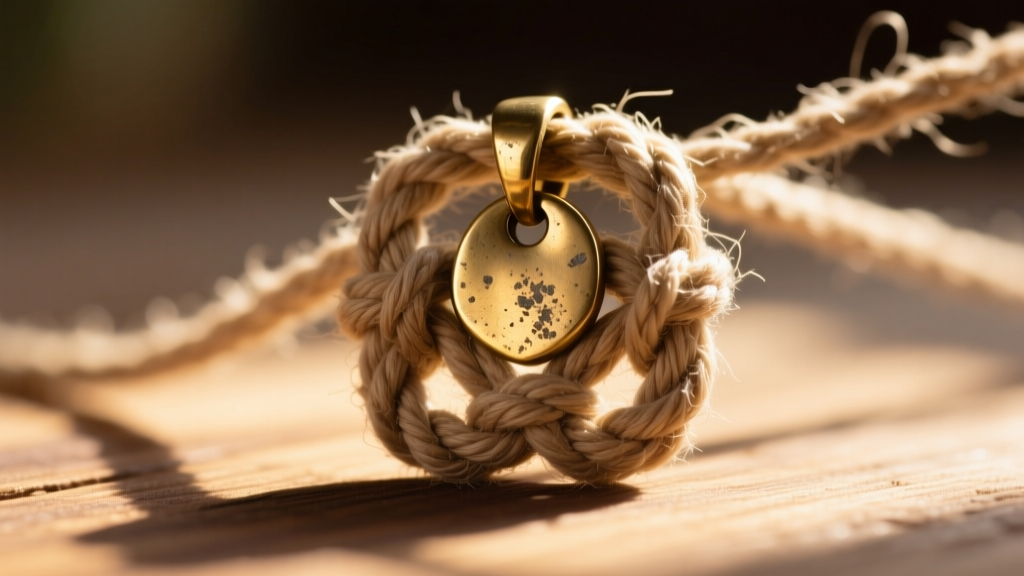
When selecting the foundation for a handmade or artisanal pendant, the structural integrity of the cord is just as critical as the centerpiece itself. A high-quality hemp necklace relies on the bast fibers of the Cannabis sativa plant. Unlike seed fibers (like cotton), bast fibers run the entire length of the plant stem, granting hemp an exceptional tensile strength that ranges between 500 to 700 MPa (megapascals) depending on the retting process. This natural cellulose-rich composition (typically 70-74% cellulose) makes it inherently resistant to mold, mildew, and UV degradation compared to other natural fibers. According to the Textile Exchange, hemp also requires significantly less water and zero pesticides to cultivate, making it a premier choice for eco-conscious jewelry makers.
Hemp vs. Alternative Cordage Materials
Understanding how hemp stacks up against other popular jewelry cords is essential for predicting the lifespan, drape, and maintenance requirements of your necklace. Below is a technical comparison of the most common cordage materials used in pendant and macrame jewelry.
| Material | Tensile Strength | Water Resistance | Knot Security (Friction) | Aging & Patina Profile |
|---|---|---|---|---|
| Hemp (Unwaxed) | Very High | Moderate (Shrinks 5-8%) | Excellent (High friction) | Softens significantly; develops a worn, fibrous patina. |
| Hemp (Waxed) | Very High | High | Good (Wax reduces friction) | Retains stiffness longer; wax eventually wears off. |
| Waxed Cotton | Moderate | High | Good | Stiffens initially, then softens; prone to fraying at cut ends. |
| Leather | Moderate/High | Poor (Warping/Staining) | Moderate | Develops a rich, dark patina; degrades with heavy sweat exposure. |
| Nylon | Extremely High | Waterproof | Poor (Slippery) | No patina; permanent stiffness; ends must be melted to seal. |
| Silk | Low/Moderate | Poor (Water spots) | Moderate | Degrades rapidly under UV light and acidic sweat. |
Tensile Strength and Knot Security
The microscopic structure of unpolished hemp cord features tiny, protruding fibrous "hairs." In jewelry making, this translates to a high static coefficient of friction. For techniques like macrame, this is a massive advantage. Complex structural knots—such as the square knot, double half-hitch, and lark's head—will lock into place securely without the need for chemical adhesives.
However, this same friction presents a specific failure mode: sliding knot lock-up. If you are designing an adjustable hemp necklace using a sliding square-knot closure, the parallel base cords must be made of a smoother material (like leather or waxed nylon). If you use raw hemp for both the base cords and the tying cord, the friction will cause the closure to seize up, rendering the necklace impossible to adjust. For comprehensive knotting techniques and cordage specifications, the Fire Mountain Gems Encyclopedia remains an invaluable resource for jewelry artisans.
Water Resistance, Shrinkage, and the "Break-In" Period
One of the most common mistakes novice jewelry makers make with hemp is failing to account for its hygroscopic nature. Raw hemp cord will shrink approximately 5% to 8% upon its first exposure to water. If you knot a complex, tight-fitting choker or a bead-heavy hemp necklace without pre-treating the cord, the first time the wearer gets caught in the rain or sweats heavily, the cord will shrink, warp, and potentially crush the beadwork.
The Pre-Soak Protocol
- Step 1: Cut your hemp cord 10% longer than your final desired length.
- Step 2: Submerge the cord in warm water for 15 minutes to allow the fibers to expand and the natural pectins to release.
- Step 3: Hang the cord with a light weight attached to the bottom to dry under tension.
- Step 4: Once dry, the cord will be pre-shrunk, slightly softer, and ready for permanent knotting.
Furthermore, hemp requires a "break-in" period. Freshly spooled hemp is stiff due to natural plant waxes and processing pectins. After 2 to 3 weeks of daily wear, body heat and friction break down these compounds, resulting in a soft, cotton-like drape that conforms perfectly to the wearer's collarbone.
Skin Sensitivity and Hypoallergenic Properties
In its raw, unbleached state, hemp is naturally hypoallergenic and possesses a neutral pH, making it an excellent alternative for individuals who suffer from contact dermatitis caused by the chromium salts used in leather tanning or the nickel found in cheap metal chains. However, the dyeing process can compromise this benefit. Mass-produced, cheaply dyed hemp cords often utilize azo dyes that can bleed when exposed to sweat, causing skin irritation and staining clothing.
When sourcing dyed hemp for a necklace, always verify that the supplier uses OEKO-TEX Standard 100 certified or azo-free, plant-based dyes. Artisan hemp necklaces typically retail between $25 and $65, reflecting the cost of organic, safely dyed materials and the labor-intensive macrame process, whereas mass-produced synthetic alternatives usually sit in the $5 to $12 range.
Sizing and Gauge Selection for Pendants
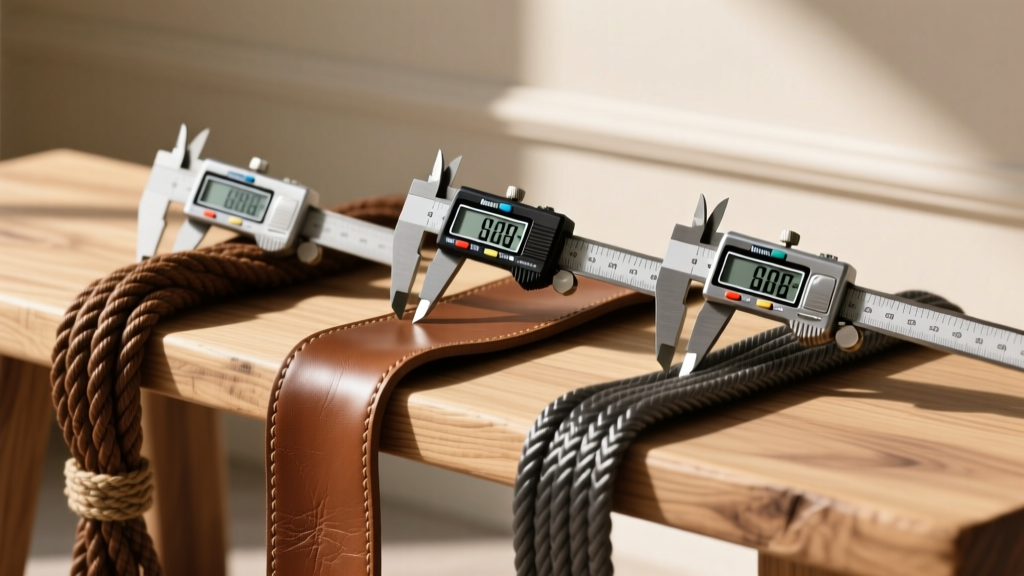
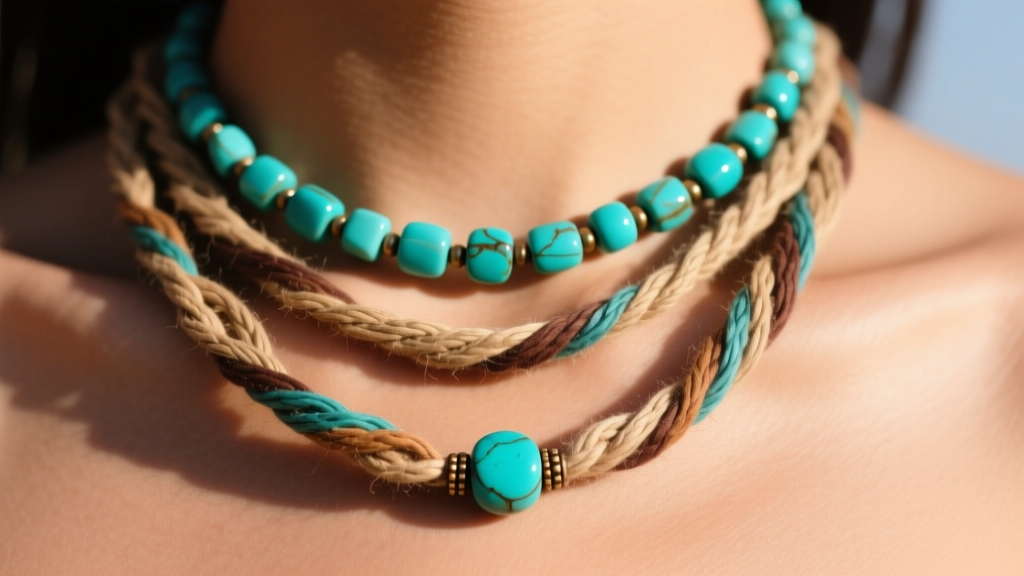
Selecting the correct millimeter gauge for your hemp cord is dictated by the weight of the pendant and the inner diameter of the bail (the loop that connects the pendant to the chain). Jewelry findings suppliers like Rio Grande manufacture bails with highly specific inner dimensions, and pairing the wrong cord gauge can result in a ruined bail or a pendant that hangs at an awkward angle.
- 0.5mm to 0.8mm (Micro Gauge): Best for micro-macrame, lightweight glass beads, and seed bead weaving. Too fragile to support heavy stone pendants on its own.
- 1.0mm (Standard Gauge): The most versatile size. Fits through 90% of standard sterling silver and brass tube bails. Ideal for medium-weight crystal pendants and standard knotted bead necklaces.
- 1.5mm (Heavy Gauge): Required for large, heavy gemstone pendants (e.g., raw turquoise or obsidian). Provides the structural rigidity needed to prevent the necklace from snapping under dynamic movement.
- 2.0mm+ (Bold Gauge): Used primarily as a standalone statement choker or as the core wrapping material in thick, structural macrame collars. Rarely fits through standard pre-made metal bails; usually requires a wire-wrapped loop or a custom-drilled bead cap.
Care and Maintenance Framework
To maximize the lifespan of a hemp necklace, a proactive maintenance routine is required. While hemp is naturally antimicrobial, it can trap dead skin cells and environmental oils within its fibrous matrix. To clean the cord, use a mild, pH-neutral castile soap and a soft-bristled toothbrush to gently agitate the fibers. Rinse with cool water and lay flat to dry. Avoid harsh detergents or bleach, which will destroy the cellulose structure and cause the cord to become brittle and snap. For unwaxed hemp that has become excessively frayed, applying a microscopic amount of organic jojoba oil or beeswax to the high-friction areas (like the clasp or sliding knot) will smooth the fibers and restore its structural cohesion.


