The Ultimate Hook Necklace Hawaii Care and Cleaning Guide
Learn how to clean and maintain your hook necklace Hawaii styles. Expert tips for carved bone, Koa wood, and precious metal makau pendants.

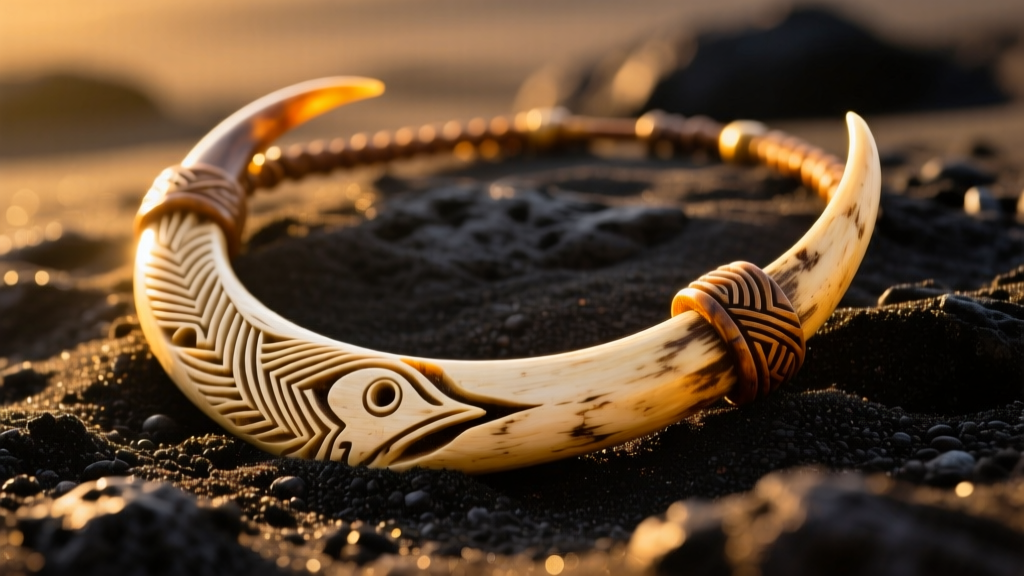
Preserving the Mana: Caring for Your Hawaiian Makau
The Hawaiian fish hook, or makau, is more than just a striking piece of jewelry; it is a symbol of safe passage over water, strength, and a deep connection to the ocean. Whether you own a meticulously carved ox bone pendant, a rare Hawaiian Koa wood piece, or a cast 14k gold heirloom, maintaining the structural integrity and finish of your hook necklace Hawaii styles requires specific, material-aware care. In 2026, with the widespread use of mineral-based reef-safe sunscreens and shifting coastal humidity levels, traditional cleaning methods must be adapted to prevent long-term damage to both organic and metallic elements.
According to the Gemological Institute of America (GIA), organic materials like bone and wood are highly porous and react drastically to the chemicals found in modern skincare and environmental pollutants. This guide provides a deep-dive, material-specific maintenance protocol to ensure your pendant retains its cultural resonance and physical beauty for generations.
The Island Element Factor: Humidity, Salt, and Sunscreen
Wearing a necklace in Hawaii or similar tropical climates exposes the piece to a trifecta of degrading elements: high ambient humidity, aerosolized saltwater, and UV-filter residues. Mineral sunscreens, which rely on zinc oxide and titanium dioxide to comply with Hawaii's reef-safe laws, leave a chalky, microscopic film that lodges deep into the crevices of carved bone and the grain of wood. Over time, this residue mixes with natural sebum and sweat, creating an acidic paste that can dull finishes and degrade organic fibers.
The 2026 Sunscreen Removal Protocol
Do not use harsh chemical degreasers to remove sunscreen buildup. Instead, use a soft-bristled, clean makeup brush (like a kabuki brush) dipped in a mild solution of warm water and phosphate-free dish soap. Gently agitate the crevices of the carving, then wipe immediately with a damp microfiber cloth. Never submerge organic pendants to rinse them.
Material-Specific Cleaning and Conditioning
The makau is crafted from diverse materials, each demanding a unique approach. Treating a Koa wood hook with silver polish, for instance, will permanently ruin the wood's finish. Below is a detailed breakdown of how to care for the most common Hawaiian pendant materials.
Carved Bone and Horn
Most authentic bone hooks are carved from ox or water buffalo bone. Bone is inherently porous and relies on natural oils to maintain its creamy, off-white luster. When bone dries out, it becomes brittle and prone to micro-fractures, especially along the thin, curved inner edge of the hook.
- Cleaning: Wipe with a barely damp cloth after wearing. Never use ultrasonic cleaners; the high-frequency vibrations will shatter the internal crystalline structure of the bone.
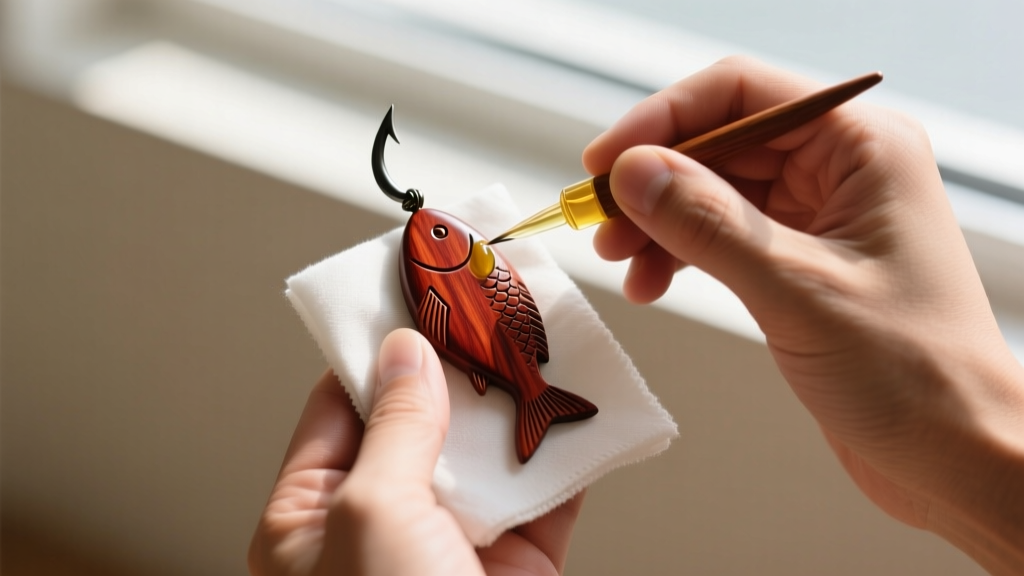
- Conditioning: Once a month, or when the bone looks chalky, apply a single drop of food-grade mineral oil or traditional cold-pressed Macadamia nut oil. Rub it in with your thumb, let it sit for 10 minutes, and buff off the excess.
- Whitening: If the bone has yellowed from UV exposure, avoid bleach. Instead, use a mild hydrogen peroxide cream (volume 10), apply it to the surface, and let it sit in indirect sunlight for one hour before wiping clean.
Hawaiian Koa Wood
Koa (Acacia koa) is a protected, highly prized hardwood known for its stunning chatoyancy and curl. Water is the enemy of Koa; it raises the grain, causes warping, and strips the natural oils.
- Cleaning: Use a completely dry, soft-bristled brush to remove dust and sunscreen. If a sticky residue is present, lightly dampen a corner of a cotton cloth with a tiny amount of rubbing alcohol, spot-clean the area, and immediately dry it.
- Polishing: Every six months, apply a thin layer of Renaissance Wax or a high-quality beeswax-based wood polish. This creates a moisture barrier that protects the wood from humidity and sweat while enhancing the natural grain patterns.
Precious Metals: Sterling Silver and Gold
Metal hooks, particularly 925 sterling silver, are highly susceptible to tarnishing in Hawaii's humid, sulfur-rich volcanic environment. Tarnish is a chemical reaction (silver sulfide) that appears as a yellowish or black film.
- Sterling Silver: Wash with warm water and a drop of Dawn dish soap. Dry thoroughly. Use a treated silver polishing cloth (like a Sunshine cloth) to remove tarnish. Never use liquid silver dips, as they can strip the antique oxidation intentionally left in the crevices of carved silver hooks to highlight the design.
- 14k/18k Gold: Gold is highly inert but will accumulate oils and lotions, dulling its shine. Soak gold hooks in a bowl of warm water and mild soap for 10 minutes, gently brush with a baby toothbrush, and rinse. According to Jewelers of America, this simple method is the safest way to maintain gold's luster without risking damage to any inlaid pearls or stones.
Comprehensive Material Care Matrix
Use the table below as a quick-reference guide to ensure you are using the correct agents for your specific pendant. Mixing these protocols can result in irreversible damage.
| Material | Safe Cleaning Agent | Conditioning / Polishing | Strictly Avoid |
|---|---|---|---|
| Carved Bone | Damp microfiber cloth | Macadamia or Mineral Oil | Ultrasonic cleaners, Bleach, Soaking |
| Koa Wood | Dry soft-bristle brush | Renaissance Wax, Beeswax | Water immersion, Alcohol, Liquid polish |
| 925 Silver | Mild soap & warm water | Silver polishing cloth | Liquid silver dips, Toothpaste |
| 14k/18k Gold | Mild soap & warm water | Soft lint-free cloth | Chlorine bleach, Abrasive brushes |
| Pearl Inlay | Dry, soft cloth only | None (natural skin oils) | Ammonia, Acids, Ultrasonics |
Cord Maintenance: The Hidden Point of Failure
The most common way a valuable Hawaiian hook necklace is lost is not through the breaking of the pendant, but the snapping of the cord. Traditional cords are made from braided cotton, hemp, or linen, which are organic fibers that rot when exposed to saltwater, sweat, and constant friction.
Expert Insight: Inspect the slip-knot or barrel clasp of your cord every three months. Look for fraying at the point where the cord rubs against the hole of the hook. If you wear your necklace in the ocean, rinse the entire cord in fresh water afterward and allow it to air dry completely. Replace organic cords annually, or upgrade to a marine-grade braided nylon or Kevlar cord for superior longevity without sacrificing the traditional aesthetic.
Proper Storage in Humid Climates
How you store your hook necklace when it is not being worn is just as critical as how you clean it. Leaving a sterling silver hook on a bathroom counter in a humid environment guarantees heavy tarnishing within days. Leaving a bone hook in a hot car will dry it out and cause cracking.
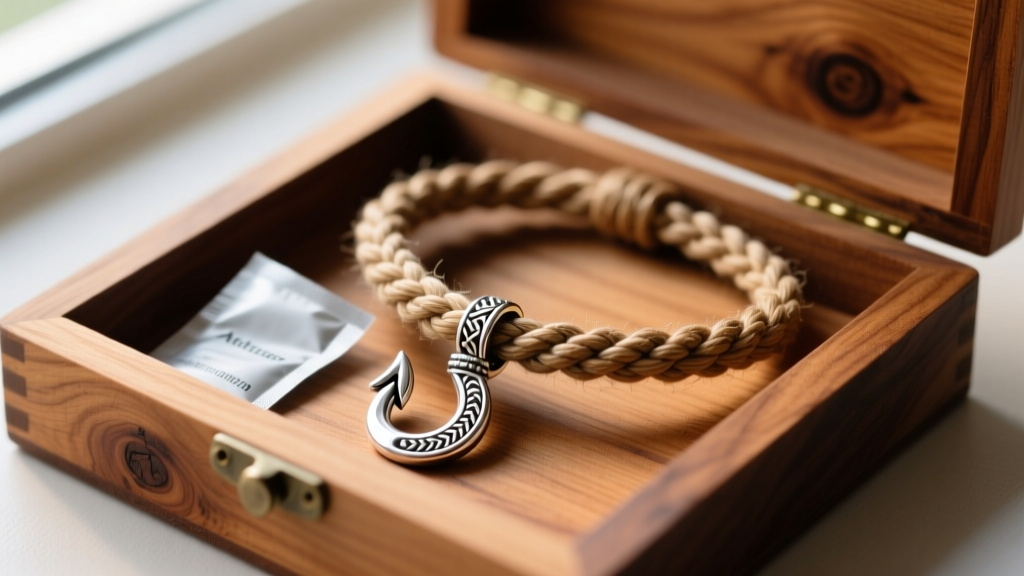
Store your necklace in a breathable cotton pouch or a cedar-lined jewelry box. For silver pieces, always include a 3M anti-tarnish strip in the storage container; these strips absorb airborne sulfur compounds and can prevent tarnish for up to 12 months. For wood and bone, avoid airtight plastic bags, which can trap moisture and promote mold growth in high-humidity environments. By respecting the organic and metallic nature of your jewelry, you ensure that the mana (spiritual energy) and physical beauty of your Hawaiian pendant endure.


