Horseshoe Diamond Necklace Value Guide: 2026 Pricing & Buying Tips
Discover the true value of a horseshoe diamond necklace in 2026. Compare natural vs. lab-grown pricing, metal grades, and expert buying tips.

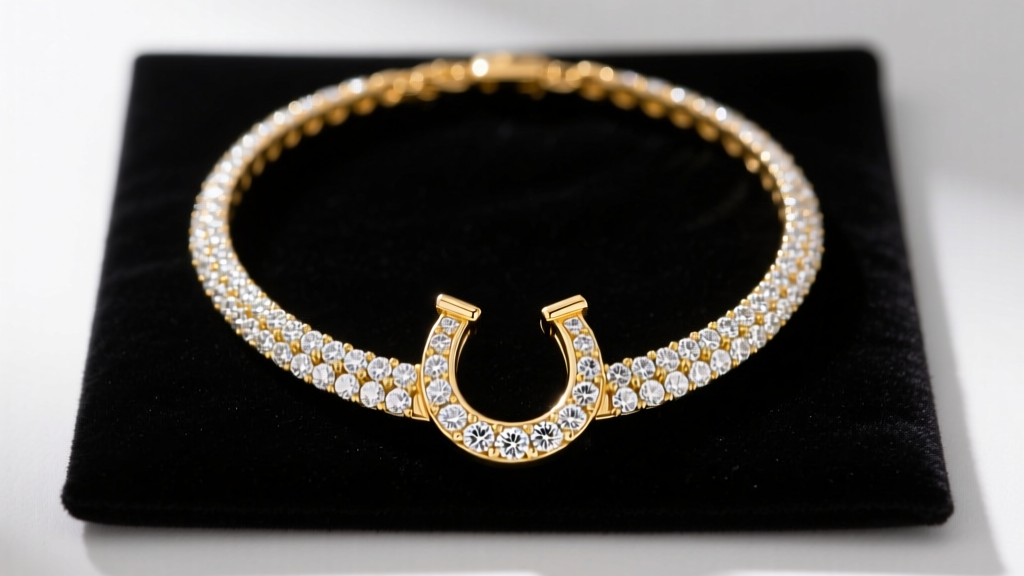
The horseshoe diamond necklace has evolved from a niche equestrian motif into a staple of modern minimalist jewelry. Its sweeping U-shape offers a delicate yet striking silhouette that sits perfectly against the collarbone. However, as the style has surged in popularity, the market has been flooded with options ranging from $200 fashion-tier pieces to $10,000 luxury investments. For the savvy buyer in 2026, navigating the true value of a horseshoe diamond necklace requires looking past the sparkle and understanding the structural and material realities of the piece.
The Anatomy of a Horseshoe Diamond Necklace
Unlike a traditional solitaire pendant where the value is heavily concentrated in a single center stone, the horseshoe design relies on a continuous line of diamonds. This is typically achieved through a pave, channel, or bead-set arrangement. The diamonds used are almost exclusively "melee"—small diamonds generally weighing between 0.01 and 0.18 carats each. Because a standard 1-inch horseshoe pendant can contain anywhere from 15 to 45 individual stones, the cumulative Total Carat Weight (CTW) usually falls between 0.25 and 1.50 carats. The value assessment of this style hinges entirely on the cut quality of these melee stones, the security of the micro-prongs, and the durability of the underlying metal alloy.
2026 Market Pricing: Natural vs. Lab-Grown Diamonds
The most significant shift in the jewelry market over the last few years is the stabilization and price reduction of lab-grown diamonds. By 2026, lab-grown melee diamonds are produced with such efficiency that their cost is a fraction of their natural counterparts. When evaluating a horseshoe diamond necklace, you must adjust your budget expectations based on the origin of the stones.
Below is a realistic 2026 pricing matrix for a standard 1-inch horseshoe pendant, excluding the chain. Notice how the platinum upgrade remains a fixed cost regardless of the diamond origin, as the metal weight and casting labor remain identical.
| Total Carat Weight (CTW) | Natural Diamond (14k Gold) | Lab-Grown Diamond (14k Gold) | Platinum Upgrade Cost |
|---|---|---|---|
| 0.25 CTW (Petite) | $800 - $1,200 | $350 - $500 | +$450 |
| 0.50 CTW (Standard) | $1,500 - $2,400 | $550 - $850 | +$600 |
| 1.00 CTW (Luxe) | $3,200 - $5,500 | $900 - $1,400 | +$850 |
| 1.50+ CTW (Graduated) | $6,000 - $9,500 | $1,500 - $2,200 | +$1,100 |
Note: If a retailer is charging natural diamond prices for a horseshoe pendant without providing a GIA or IGI origin report, assume the stones are lab-grown or heavily included natural melee.
Evaluating Diamond Quality: The Melee Deep Dive
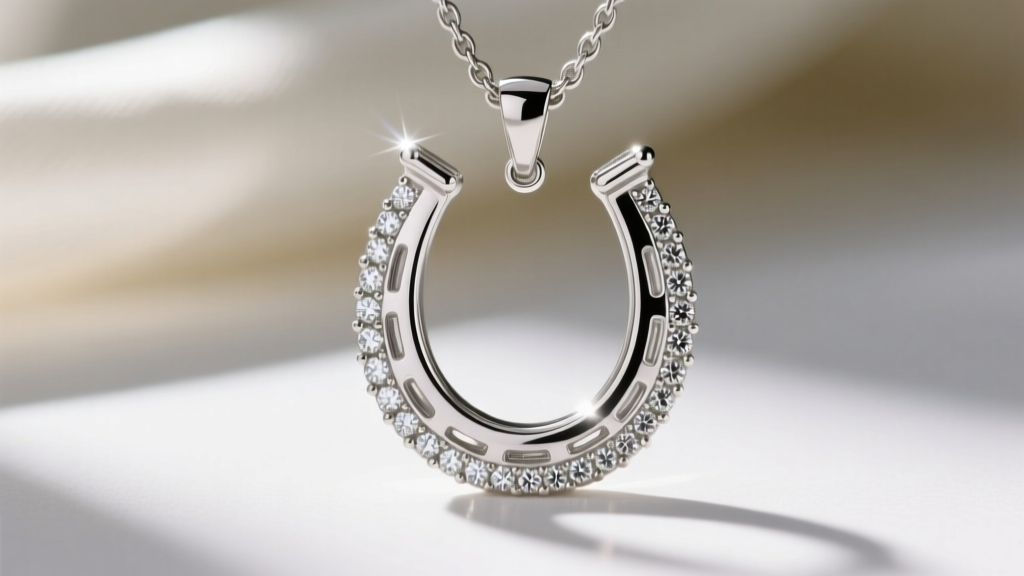
When shopping for a horseshoe diamond necklace, you will rarely see individual grading reports for each stone. The Gemological Institute of America (GIA) notes that diamond melee is typically sorted and sold in parcels based on approximate size, color, and clarity rather than individual certification. This creates a massive blind spot for consumers.
Here is how to assess the quality of the diamonds in your horseshoe pendant without a lab report:
- Full Cut vs. Single Cut: This is the most critical factor for sparkle. "Single cut" melee has only 17 or 18 facets and looks dull and glassy. "Full cut" melee has the standard 57 or 58 facets of a larger round brilliant. Always ask the jeweler if the horseshoe features full-cut diamonds. The price difference is minimal for the manufacturer, but the visual impact is massive.
- Color Matching: Because the stones are set in a continuous line, even slight variations in color will be obvious. Look for a parcel grade of G-H (near colorless). If the pendant is set in yellow gold, you can safely drop to I-J color to save money, as the warm metal will mask the faint yellow tint of the diamonds.
- Clarity Realities: For melee stones under 0.10 carats, inclusions are generally invisible to the naked eye. An SI1-SI2 clarity grade is perfectly acceptable and ensures you aren't paying a premium for VVS clarity in stones too small to magnify.
Metal Selection and Its Impact on Long-Term Value
The metal of a horseshoe necklace does more than hold the diamonds; it dictates the lifespan of the piece. The U-shape design puts unique stress on the bottom curve of the pendant, making metal hardness a priority.
- 14k Gold (White, Yellow, or Rose): The gold standard for daily-wear horseshoe necklaces. The higher alloy content (58.5% gold, 41.5% strengthening metals like copper and zinc) makes the micro-prongs highly resistant to bending and snagging. White gold will require rhodium replating every 12 to 18 months to maintain a bright white finish.
- 18k Gold: Contains 75% pure gold. While it offers a richer yellow hue and is hypoallergenic, it is significantly softer. In a pave horseshoe setting, 18k gold prongs are more likely to wear down or bend over 5 to 10 years of daily wear, increasing the risk of losing a stone.
- Platinum: The ultimate choice for longevity and diamond security. Platinum prongs do not wear away; they simply displace. However, platinum adds substantial weight and cost. It is highly recommended for horseshoe pendants exceeding 1.00 CTW, where the financial risk of losing a larger melee stone justifies the metal upgrade.
Red Flags in Budget Horseshoe Pendants
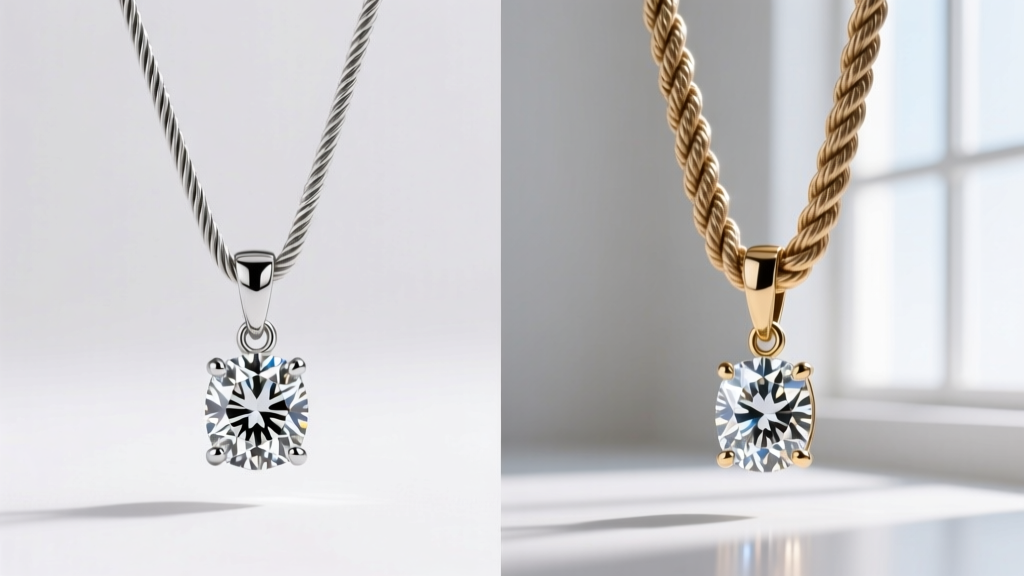
When assessing budget-friendly options (typically under $600 for natural or under $300 for lab-grown), buyers must be vigilant about manufacturing shortcuts that compromise the structural integrity of the necklace.
- Glue-Assisted Settings: Some mass-market jewelers use a microscopic drop of jeweler's epoxy to secure melee stones before bending the prongs. While this keeps stones secure in the display case, the glue degrades with exposure to lotions, perfumes, and body heat, leading to sudden stone loss.
- Hollow-Cast Pendants: To save on gold weight, some manufacturers hollow out the back of the horseshoe pendant. You can identify this by the unusually light weight of the piece and a completely enclosed, flat backplate. Hollow pendants are prone to denting and cannot be easily resized or repaired by a bench jeweler if a prong breaks.
- Undersized Chains: A 1.00 CTW horseshoe pendant can weigh upwards of 4 to 6 grams. Suspending this from a delicate 0.8mm or 1.0mm cable chain is a recipe for disaster. The constant friction at the bail will eventually slice through a thin chain. Always pair a horseshoe pendant with a minimum 1.5mm rope, box, or wheat chain to ensure the tensile strength matches the weight of the pendant.
Final Verdict: Maximizing Your Investment
"The true value of a horseshoe diamond necklace isn't found in a resale appraisal, but in its daily wearability. A well-constructed piece with full-cut melee and sturdy 14k or platinum prongs will outlast trends and remain a permanent fixture in your jewelry rotation."
To maximize your budget in 2026, consider opting for a lab-grown diamond horseshoe pendant in the 0.50 to 1.00 CTW range. This allows you to allocate the money you save on the stones toward a heavier, more durable 1.5mm solid gold chain and a premium platinum setting. By prioritizing full-cut diamonds and secure bead or shared-prong settings over inflated natural diamond premiums, you secure a piece that offers exceptional brilliance, structural longevity, and undeniable everyday value.


