Style & Fix Your Amanda Kloots Necklace Layered Look
Struggling to replicate the Amanda Kloots necklace look? Discover expert troubleshooting for tangling, clasp breaks, and metal irritation in layered stacks.

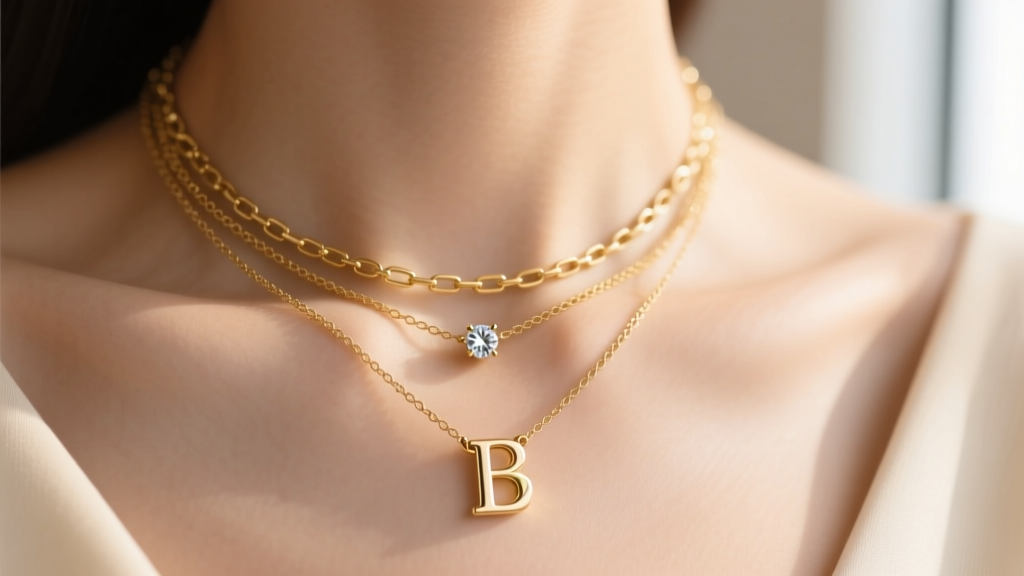
Amanda Kloots has mastered the art of the sentimental, effortless jewelry stack. Her signature look—often featuring a delicate choker, a meaningful initial or 'evil eye' pendant, and a subtle diamond solitaire—has become a blueprint for modern, emotionally resonant styling. However, as layering trends mature in 2026, consumers attempting to replicate the Amanda Kloots necklace aesthetic frequently encounter a host of mechanical and dermatological issues. What looks effortless on camera often translates to a tangled, skin-irritating mess in everyday life.
Replicating a celebrity stack requires more than just buying three random chains; it requires an understanding of chain geometry, metal alloys, and clasp engineering. This guide dives deep into the specific troubleshooting steps needed to fix the most common failures associated with delicate layered necklaces, ensuring your sentimental stack remains as resilient as it is beautiful.
The Anatomy of the Amanda Kloots Necklace Stack
To troubleshoot a layered look, you must first understand its structural blueprint. Kloots typically employs a three-tier spacing strategy that prevents pendants from overlapping and competing for visual space. The standard formula includes:
- Tier 1 (15-16 inches): A lightweight cable or box chain sitting close to the collarbone, usually bearing a small, personalized letter pendant (like her famous 'N' or 'A' initials).
- Tier 2 (17-18 inches): A slightly heavier chain featuring a symbolic charm, such as an evil eye, a star, or a birthstone.
- Tier 3 (20-22 inches): A longer, more substantial chain anchoring the stack, often featuring a bezel-set diamond solitaire or a simple gold link design.
The primary issue arises when consumers purchase 'dupes' or off-the-rack layering sets that ignore the crucial two-inch spacing rule. When chains are spaced less than 1.5 inches apart, the pendants will inevitably collide, leading to accelerated wear on the gold plating and gemstone settings.
Troubleshooting the 'Celebrity Tangle' Effect
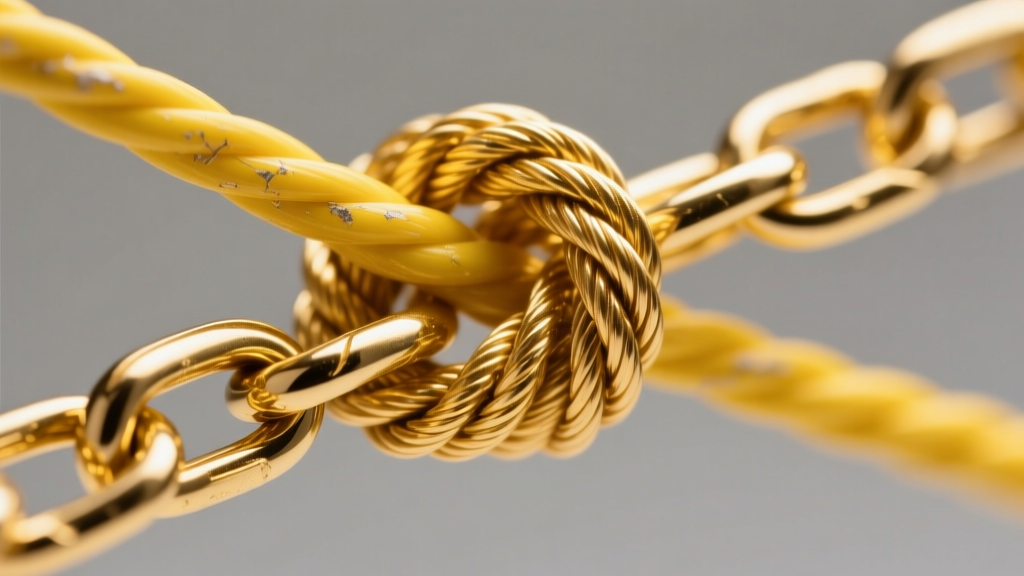
The most frequent complaint among those attempting the Amanda Kloots necklace style is severe tangling. If your 16-inch chain constantly wraps around your 18-inch chain, the culprit is not bad luck; it is chain weave geometry. According to jewelry conservation experts at Jewelers Mutual, the physical texture of a chain dictates its friction coefficient against other metals.
Chain Weave Friction Index
When layering, you must mix chain weaves strategically. If you layer two identical weaves (e.g., two cable chains), their interlocking links will act like gears, binding together the moment they cross. Use this troubleshooting table to select complementary weaves:
| Chain Weave | Surface Friction | Layering Recommendation | Common Failure Mode |
|---|---|---|---|
| Cable Chain | High | Use only as the shortest (15") layer. Never layer two cable chains. | Links catch on adjacent chains, causing severe knots. |
| Box Chain | Medium-Low | Ideal for the middle (17") layer. Smooth surfaces slide past cable chains. | Can kink if bent sharply; weak at the solder points. |
| Snake Chain | Very Low | Excellent for long (20") layers. Virtually tangle-free. | Highly prone to permanent kinking if slept in. |
| Rope Chain | High | Best worn solo or as the heaviest bottom anchor. | Hair and fibers easily snag in the twisted grooves. |
The Fix: If your current stack is tangling, swap your middle chain for a 1.2mm box chain or a 1.5mm snake chain. Additionally, invest in a multi-strand spacer clasp. This small, rectangular gold finding connects up to three chains at the back of the neck, forcing them to remain perfectly parallel and physically preventing them from crossing over one another.
Clasp Failures and Jump Ring Weak Points
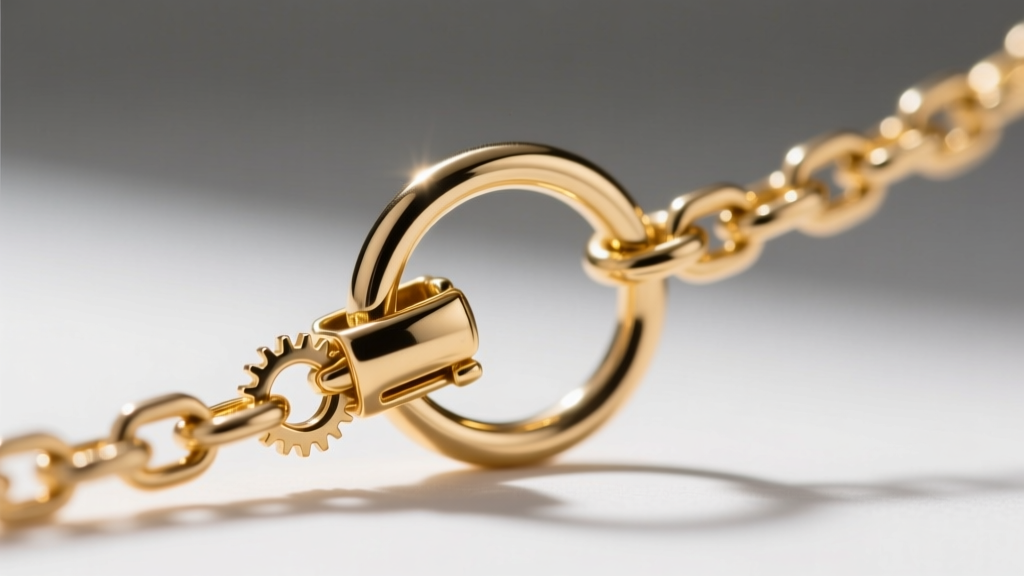
Delicate necklaces in the 1.0mm to 1.5mm width range are notorious for clasp failures. The standard 3mm or 4mm spring ring clasps used on mass-market replica necklaces lack the internal tension to stay closed, especially when weighed down by a solid gold or diamond pendant. Furthermore, the jump rings (the small circles connecting the clasp to the chain) are often left unsoldered, creating a gap that easily catches on clothing and pulls apart.
Upgrading Your Hardware
To fix a failing clasp on your delicate layers, you must upgrade the terminal hardware. Take your necklaces to a local bench jeweler and request the following modifications:
- Swap to a 5mm Lobster Clasp: Lobster clasps feature a stronger internal spring and a larger surface area, making them significantly more secure than spring rings for chains under 2.0mm.
- Solder the Jump Rings: Ask the jeweler to solder the jump rings shut. This eliminates the microscopic gap that causes chains to snap when snagged on a sweater.
- Consider Magnetic Neodymium Clasps: For those with limited dexterity or long acrylic nails, replacing traditional clasps with 14k gold magnetic tube clasps provides a secure, frustration-free closure that easily supports up to 15 grams of pendant weight.
Metal Irritation: When Dupes Cause Contact Dermatitis
Amanda Kloots wears high-quality, solid 14k or 18k gold, which is generally hypoallergenic. However, the market is flooded with 'celebrity-inspired' layering sets made from gold-plated brass or copper alloys. When these base metals are exposed to sweat, lotions, and the natural acidity of your skin, they oxidize rapidly, leading to the dreaded 'green neck' and severe contact dermatitis.
According to the Gemological Institute of America (GIA), the allergenic properties of gold jewelry are dictated by the alloy metals mixed with the pure gold. Nickel is the most common culprit for skin reactions. In 2026, with increased awareness of metal sensitivities, understanding your jewelry's exact composition is non-negotiable.
Metal Grade & Dermatitis Risk Chart
| Metal Type | Composition | Irritation Risk | Longevity for Daily Wear |
|---|---|---|---|
| Solid 14k Gold | 58.5% Gold, mixed with silver/copper/zinc | Very Low (unless nickel-allergic) | Lifetime; will not tarnish or wear off. |
| Gold Vermeil | Thick 14k/18k gold plating over Sterling Silver | Low (Silver is generally hypoallergenic) | 1-3 years before requiring re-plating. |
| Gold-Filled | 5% solid gold mechanically bonded to brass | Medium (Brass can react if exposed) | 3-5 years; highly durable if not scratched. |
| Gold-Plated Brass | Microscopic gold flash over copper/zinc/nickel | High (Rapid oxidation and nickel exposure) | Weeks to months; high tarnish risk. |
The Fix: If your layered stack is causing itching or discoloration, strip the necklaces of any lotion or perfume residue using a mild, phosphate-free dish soap. If the plating has worn through to the base metal, the piece must be retired or professionally re-plated. For a permanent fix, invest in Gold Vermeil or Solid 10k/14k alternatives, which provide the Kloots aesthetic without the dermatological fallout.
Caring for Sentimental Letter & Diamond Pendants
The emotional core of the Amanda Kloots necklace look lies in its sentimental pendants. Whether it is a diamond-encrusted initial or a delicate bezel-set birthstone, these focal points require specific maintenance to prevent stone loss and metal degradation.
Many consumers make the critical error of using ultrasonic cleaners on delicate initial pendants. Ultrasonic waves create high-frequency vibrations that can easily shatter fragile gemstones like opals or emeralds, and they can loosen the microscopic prongs holding pave diamonds in place. Furthermore, if your initial pendant features enamel detailing or resin inlays, the heat and chemicals in standard jewelry dips will permanently cloud the finish.
Expert Maintenance Rule: Never use ultrasonic cleaners or harsh chemical dips on sentimental, multi-material pendants. Stick to a soft-bristled baby toothbrush, warm water, and a single drop of mild castile soap. Gently brush the back of the pendant (the 'gallery') where skin oils and dead skin cells accumulate, blocking light from entering the diamond or gemstone.
Finally, inspect the bail (the loop connecting the pendant to the chain) every six months. The constant friction of the chain sliding through the bail acts like a microscopic saw, eventually wearing through the gold. If you notice the bail thinning, a jeweler can add a protective platinum or hardened gold sleeve inside the loop for under $30, saving your irreplaceable sentimental piece from snapping.
Sourcing Authentic-Looking Pieces Without the Markup
While Amanda Kloots often wears custom or high-end designer pieces, you do not need to spend thousands to achieve the exact visual weight and drape of her signature stack. When sourcing pieces in 2026, demand transparency from jewelers. Look for listings that specify the exact chain width (aim for 1.2mm to 1.5mm for that delicate but durable sweet spot) and the exact gold weight. By focusing on the structural engineering of your jewelry—choosing the right weaves, upgrading your clasps, and verifying your metal grades—you can build a layered necklace stack that honors the Kloots aesthetic while surviving the rigors of daily life.


