2026 Gift Guide: The Ultimate Blood Vial Necklace Guide
Discover how to choose, seal, and gift a blood vial necklace in 2026. Explore materials, preservation methods, and perfect occasions for this bold keepsake.

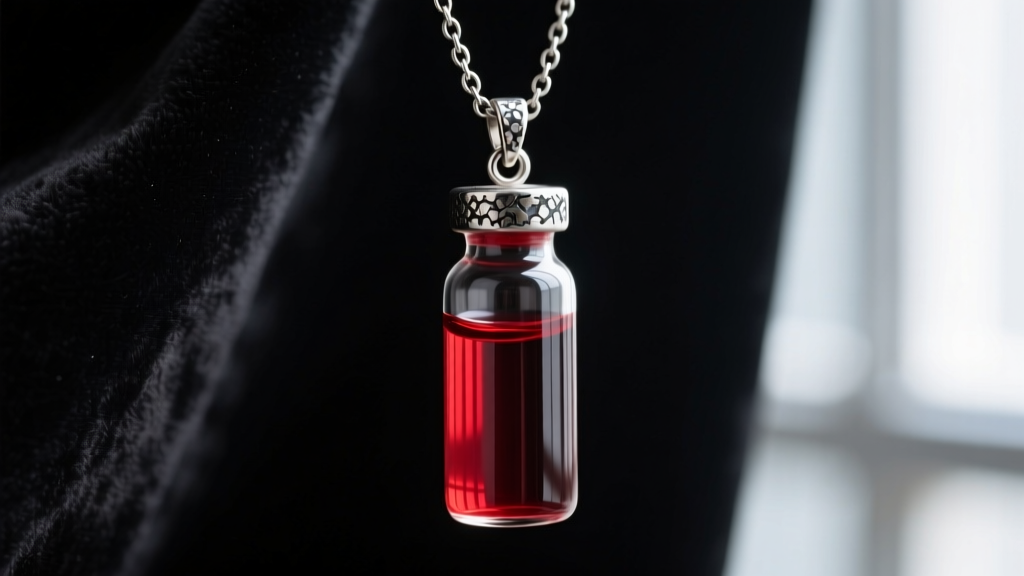
The Evolution of the Macabre Keepsake
Once relegated to the shock-value accessories of the 1990s goth subculture, the blood vial necklace has undergone a massive artisanal renaissance by 2026. Today, these intricate pendants are recognized as profound, deeply personal bio-keepsakes. They serve as modern memento mori, symbols of unbreakable romantic commitment, and intimate memorial pieces. However, gifting a piece of jewelry designed to hold biological material requires a stringent understanding of material science, preservation chemistry, and structural integrity. A poorly constructed vial will leak, shatter, or allow its contents to oxidize and turn black within days. This comprehensive guide will walk you through the exact specifications, preservation methods, and occasion-matching strategies required to gift a blood vial necklace that lasts a lifetime.
The Chemistry of Preservation: Why Real Blood Turns Black
The most common point of failure in amateur blood jewelry is hemoglobin oxidation. When exposed to oxygen and light, the iron-rich hemoglobin in blood rapidly oxidizes, shifting from a vibrant crimson to a muddy, opaque brown or black within 48 hours. If you are gifting a pre-filled artisan piece, or planning to fill one yourself, you must understand the stabilization process.
The Dehydration and Resin Suspension Method
Professional jewelers in 2026 rarely seal raw, liquid blood inside a glass vial for long-term wear. Liquid expands and contracts with ambient temperature changes, which can compromise the vial's stopper and cause microscopic leaks. Instead, the industry standard involves a meticulous dehydration process:
- Step 1: The biological sample is spread thinly onto a sterile, non-porous surface and allowed to desiccate completely in a dark, climate-controlled environment.
- Step 2: Once fully dehydrated, the material is ground into a micro-fine powder using a sterile mortar and pestle.
- Step 3: The powder is carefully suspended in a high-viscosity, non-yellowing jewelry-grade epoxy or specialized UV resin.
- Step 4: The tinted resin is poured into the vial and cured. This locks the crimson pigment in place, completely eliminating oxygen exposure and preventing future degradation.
If you are purchasing an "empty" vial for the recipient to fill themselves, ensure the kit includes a specialized bio-sealant resin, rather than relying on simple friction stoppers.
Hardware Anatomy: Glass and Metal Specifications
The physical vessel of a blood vial necklace must withstand daily wear, body heat, and accidental impacts. Never compromise on the base materials.
Borosilicate vs. Soda-Lime Glass
Many mass-produced, cheap alternatives use standard soda-lime glass. This material is highly susceptible to thermal shock—meaning the transition from a cold winter exterior to a warm, body-heated interior can cause micro-fractures, eventually leading to a shattered pendant. Always verify that the vial is crafted from borosilicate glass. Borosilicate contains boron trioxide, which drastically lowers its coefficient of thermal expansion, making it incredibly resistant to temperature fluctuations and physical impacts.
The Stopper and Threading
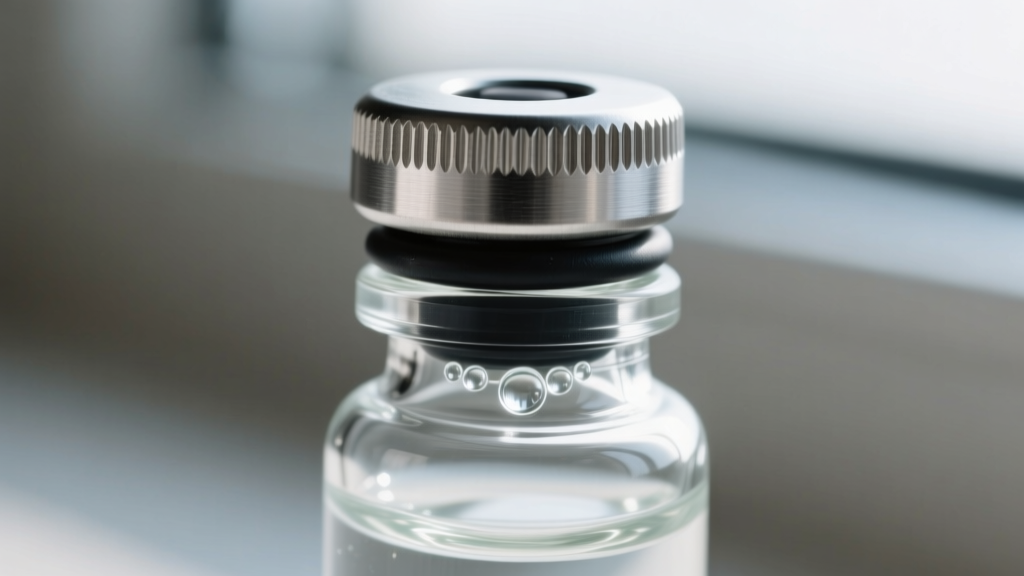
Friction-fit cork or basic silicone stoppers will eventually dry out, shrink, and fail. A premium blood vial necklace must feature a threaded metal cap. The cap should be machined from 316L surgical stainless steel or solid sterling silver, featuring an internal micro-rubber O-ring that creates a watertight, airtight vacuum seal when tightened against the glass lip.
Occasion Matching: When to Gift a Blood Vial Necklace
Because of its intense symbolism, a blood vial necklace is not a casual gift. It requires a deep emotional connection between the giver and the receiver. Here is how to match this bold piece to the right milestone.
Alternative and Gothic Weddings
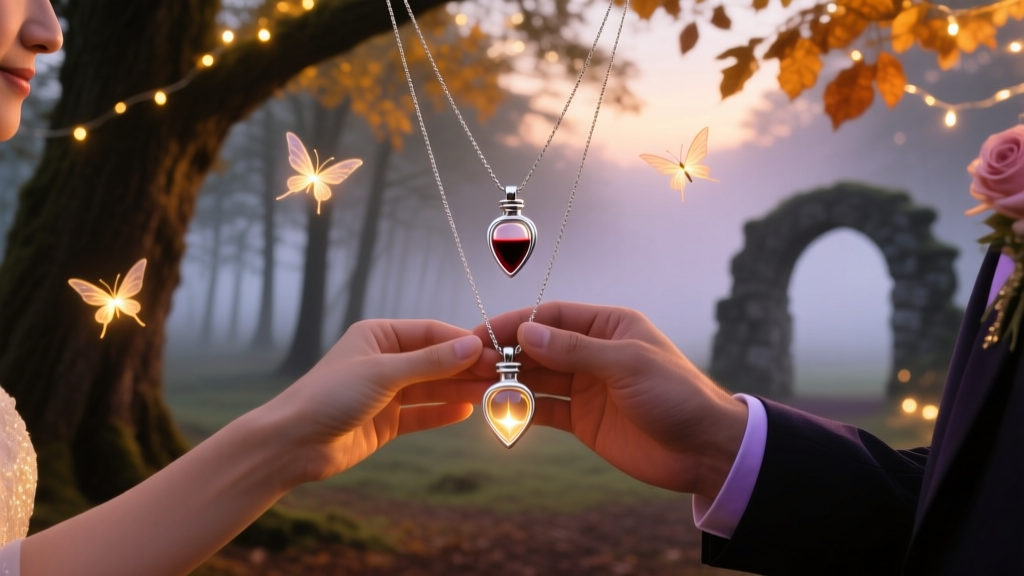
For couples eschewing traditional diamond-centric ceremonies, exchanging blood vial necklaces during a hand-fasting or blood-mixing ceremony has become a powerful 2026 wedding trend. It serves as a literal interpretation of "tying the knot" and sharing one's life force. Opt for matching sterling silver vials with intricate, oxidized Celtic or gothic filigree cages.
Deep Commitment Anniversaries
For long-term partners, particularly those in long-distance relationships, a blood vial necklace acts as a physical tether. It is a deeply intimate alternative to a promise ring, offering a tangible piece of the partner to carry over the heart. Minimalist, unadorned borosilicate tubes on delicate chains are preferred here for a subtle, modern aesthetic.
Memorial and Pet Keepsakes
The vial format is exceptionally popular for memorial jewelry. While human blood is the traditional route, many use these secure vials to hold the cremation ashes, fur, or whiskers of a beloved pet. For pet memorials, rose gold or brass hardware paired with a slightly wider, 10mm diameter vial allows the textured contents to be easily visible.
Structural Integrity: Chain Gauge vs. Vial Weight
A critical mistake gifters make is pairing a heavy, liquid-filled glass reliquary with a flimsy chain. Glass and metal are dense; a standard 1/2 dram (approx. 1.8ml) vial filled with resin and capped with steel can easily weigh between 12 and 18 grams. If the chain gauge is too thin, it will snap under the pendulum effect of daily walking. Use the table below to select the correct chain specifications.
| Vial Size Category | Approximate Weight (Filled) | Minimum Chain Gauge | Recommended Chain Style | Required Clasp Type |
|---|---|---|---|---|
| Micro (5mm x 15mm) | 4g - 6g | 1.2mm - 1.5mm | Cable or Box Chain | Lobster Claw |
| Standard (8mm x 25mm) | 12g - 18g | 1.8mm - 2.5mm | Rope, Curb, or Wheat | Heavy Lobster or Toggle |
| Large Reliquary (10mm x 40mm) | 25g - 35g+ | 3.0mm - 4.5mm | Figaro or Thick Cuban | Oversized Toggle or Locking Clasp |
Note: Never use magnetic clasps for blood vial necklaces. The magnetic pull is easily overcome by the pendulum swing of a heavy glass pendant, leading to inevitable loss.
The Gifter’s Sealing Protocol
If you are gifting a DIY kit or assisting your partner in sealing their vial, follow this professional protocol to ensure the piece remains pristine and secure for decades:
- Clean the Threads: Before adding any biological material or resin, wipe the glass threads of the vial with 99% isopropyl alcohol. Any oils from fingers will prevent the O-ring from seating properly.
- Leave a 3mm Gap: Never fill the vial to the absolute brim. Leave at least 3 millimeters of empty space at the top. This allows the threaded stopper to enter the vial without creating hydraulic pressure that could crack the glass from the inside out.
- Apply the Primary Seal: Screw the O-ring stopper on tightly by hand. Do not use pliers, as the torsional stress will shatter the borosilicate neck.
- The Secondary Resin Cap: For absolute security, apply a micro-drop of UV resin over the seam where the metal cap meets the glass lip. Cure it under a 36W UV lamp for 60 seconds. This creates a secondary, tamper-proof environmental seal that prevents moisture ingress and ensures the cap will never vibrate loose during physical activity.
Conclusion
A blood vial necklace is far more than a provocative fashion statement; it is a triumph of intimate jewelry design. By prioritizing borosilicate glass, threaded O-ring stoppers, proper chain gauges, and advanced resin preservation techniques, you can gift a profoundly meaningful keepsake that safely withstands the test of time. Whether marking an unconventional wedding or honoring a deep bond, the right specifications ensure the sentiment remains as vibrant as the day it was sealed.


