Horseshoe Nail Cross Necklace: Troubleshooting Rust & Wear
Fix rust, chain breakage, and skin irritation on your horseshoe nail cross necklace. Expert troubleshooting tips for cleaning, sealing, and wearing.

The Unique Appeal and Common Pitfalls of Nail Cross Pendants
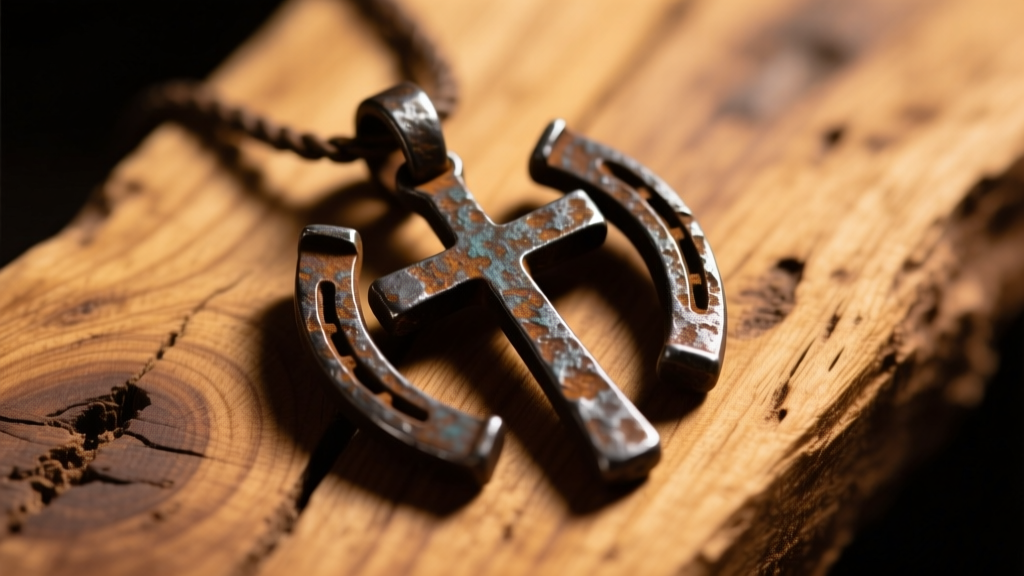
The horseshoe nail cross necklace is a striking piece of equestrian and Western-inspired jewelry. Whether forged by a farrier from authentic wrought iron nails or cast in bronze and pewter by a boutique metalsmith, these pendants carry a rugged, tactile charm that standard jewelry lacks. However, the very materials that give these necklaces their authentic character—raw iron, heavy steel, and thick wire wraps—are also the source of their most common failures. Wearers frequently encounter aggressive oxidation, premature chain snapping, bail detachment, and unexpected skin irritation.
In this comprehensive troubleshooting guide, we will dissect the metallurgical and structural challenges of wearing a horseshoe nail cross necklace in 2026. By understanding the specific failure modes of iron-based jewelry and heavy pendant bails, you can restore a damaged piece, prevent future degradation, and wear your equestrian cross with confidence.
Troubleshooting Rust and Oxidation on Iron Nails
Authentic horseshoe nails are typically manufactured from low-carbon steel or wrought iron to ensure they are malleable enough for a farrier to clinch against a horse's hoof. When repurposed into a horseshoe nail cross necklace, this high iron content makes the pendant highly susceptible to flash rusting when exposed to ambient humidity, sweat, and skin oils.
Step-by-Step Rust Removal
If your iron nail cross has developed active, flaking orange rust, mechanical abrasion (like sandpaper or wire wheels) will ruin the forged texture and hammer marks. Instead, utilize a chemical chelation process.
- Chelating Bath: Submerge the pendant in a commercial chelating solution like Evapo-Rust for 4 to 12 hours. Chelation selectively bonds with iron oxide and lifts it away without eating into the base, unoxidized iron.
- Neutralization: Rinse the pendant thoroughly under warm running water, then immediately submerge it in a baking soda and water bath (1 tablespoon per cup of water) for 10 minutes to neutralize any residual acidity.
- Flash Drying: Use a heat gun or hair dryer to dry the pendant instantly. Allowing raw iron to air-dry will cause microscopic flash rust to form within seconds.
Sealing and Preventative Coatings
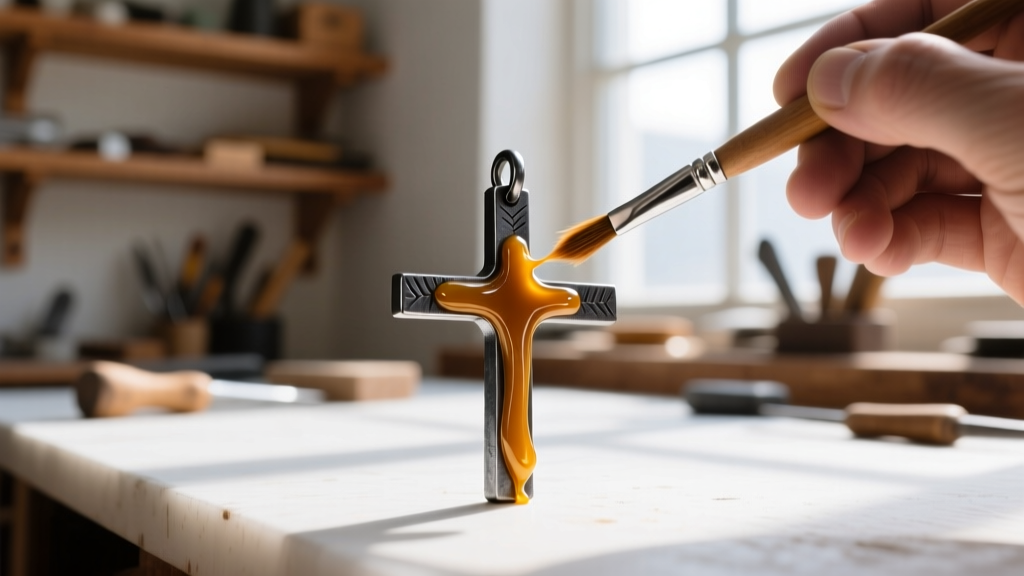
Once the rust is removed, the raw iron must be sealed. According to metal conservation guidelines from institutions like the National Park Service, microcrystalline waxes are the gold standard for stabilizing ferrous metals. Apply a thin coat of Renaissance Wax using a soft bristle brush, allow it to haze for 15 minutes, and buff it gently with a microfiber cloth. For pendants worn daily against the skin, a two-part clear jewelry epoxy or a specialized polyurethane dip provides a more durable, sweat-resistant barrier than wax.
Solving Chain Breakage and Bail Attachment Failures
A genuine forged horseshoe nail cross is surprisingly heavy, often weighing between 15 and 30 grams depending on the number of nails used and the thickness of the wire wrap. Standard jewelry chains (typically 20-gauge to 22-gauge) are engineered for lightweight pendants under 5 grams. Suspending a 25-gram iron cross on a delicate chain guarantees eventual link distortion and catastrophic failure.
Chain Gauge vs. Weight Capacity
When upgrading your chain, you must look at both the wire gauge and the chain style. Rolo and cable chains offer superior tensile strength compared to snake or box chains of the same gauge because their individual links are fully soldered and rounded.
| Chain Wire Gauge | Approximate Thickness | Safe Weight Limit (Soldered Links) | Recommended Chain Styles |
|---|---|---|---|
| 22-Gauge | 0.64 mm | Up to 8 grams | Lightweight Cable (Not recommended for nail crosses) |
| 18-Gauge | 1.02 mm | Up to 20 grams | Rolo, Figaro, Mariner |
| 16-Gauge | 1.29 mm | Up to 35 grams | Heavy Rolo, Wheat, Rope |
| 14-Gauge | 1.63 mm | Up to 50+ grams | Thick Cuban, Heavy Rope |
Fixing the Bail Attachment
The bail—the loop that connects the cross to the chain—is the primary stress point. Many mass-produced nail crosses use a simple glued-on loop or a thin, unsoldered jump ring that easily pries open under the pendulum motion of walking. The definitive fix is a structural wire wrap. Using 18-gauge or 16-gauge dead-soft sterling silver or copper wire, wrap the wire tightly around the top intersection of the cross nails, creating a double-looped, reinforced bail. As noted in metalworking guides by Rio Grande, work-hardening the wire wrap by gently hammering the bail loop with a rawhide mallet will prevent the loop from pulling open under the pendant's weight.
Addressing Skin Irritation and Nickel Allergies
Wearers of the horseshoe nail cross necklace frequently report red, itchy rashes on their sternum. This is often misdiagnosed as a metal allergy, but the root cause usually falls into one of two distinct categories:
- Iron Oxide Contact Dermatitis: Even if the iron isn't visibly flaking, microscopic iron oxide particles transfer to the skin when mixed with sweat. This creates an acidic, irritating compound on the skin's surface. The solution is strictly mechanical: you must apply a barrier coating (like the polyurethane or Renaissance wax mentioned above) to prevent the iron from interacting with your skin's moisture.
- Nickel Allergy in Cast Alternatives: If your cross is not forged iron but rather a cheap cast alloy (often marketed as 'antique silver' or 'pewter'), it likely contains high levels of nickel to lower the melting point and increase fluidity during casting. The American Academy of Dermatology identifies nickel as the leading cause of allergic contact dermatitis. If a cast nail cross causes blistering or severe itching, the only permanent solution is to replace the pendant with a verified nickel-free material, such as solid bronze, brass, or 316L surgical stainless steel.
Restoring and Polishing Cast Metal Alternatives
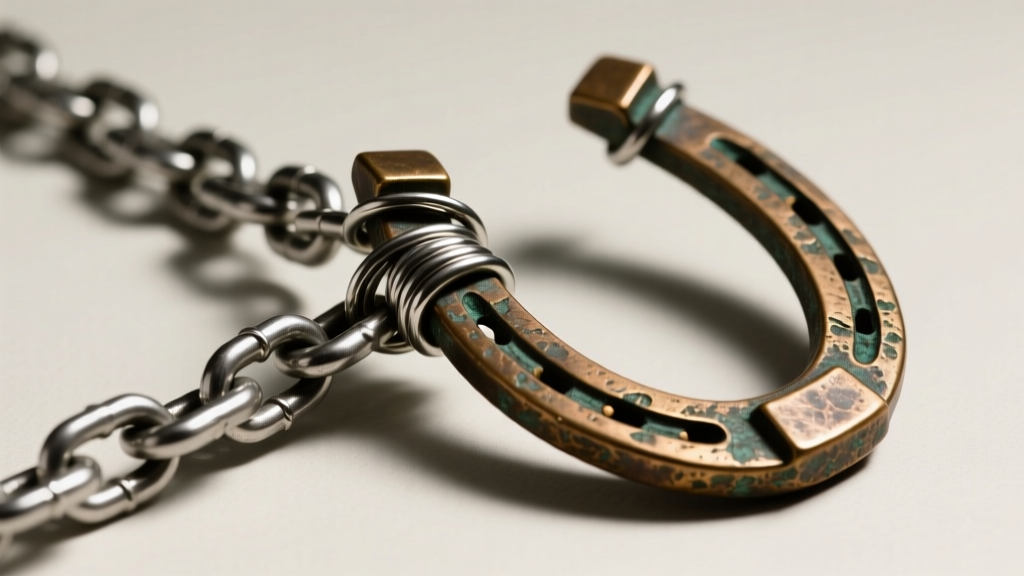
Not every horseshoe nail cross necklace is made from raw iron. Many modern jewelers cast these designs in bronze, brass, or pewter to capture the rustic aesthetic without the maintenance burden of ferrous metals. However, these alloys present their own troubleshooting challenges, primarily severe tarnishing and patina degradation.
Bronze and brass nail crosses will develop a dark, muddy brown patina when exposed to sulfur compounds in the air and skin. To restore the original bright gold-pink luster, avoid harsh commercial silver dips, which can strip the copper content and leave the surface porous. Instead, use a mild acid bath of lemon juice and salt, or a specialized copper polish like Wright's Brass Polish. For pewter casts, which are softer and easily scratched, use a dedicated pewter paste polish and a soft cotton cloth, avoiding any abrasive compounds that will dull the cast details of the nail heads.
Summary Checklist for Long-Term Maintenance
To ensure your horseshoe nail cross necklace remains a durable, wearable piece of art rather than a deteriorating relic, implement this bi-annual maintenance checklist:
Pro-Tip: Never sleep, shower, or swim while wearing an unsealed iron nail cross. The combination of body heat, friction, and chlorinated or salt water will compromise even the best microcrystalline wax seals within hours.
- Inspect the Bail: Check the wire wrap or jump ring at the top of the cross for any signs of metal fatigue, thinning, or gaping.
- Test the Chain Links: Run your fingers along the chain, specifically near the clasp and the bail, feeling for stretched or distorted links.
- Reapply Sealant: If wearing a raw iron cross daily, reapply a thin layer of Renaissance Wax every 3 to 4 months to maintain the moisture barrier.
- Clean the Chain: Wash the chain separately in warm water with a drop of mild dish soap to remove accumulated skin oils and environmental grit that act as abrasives against the metal.
By addressing the specific metallurgical and structural vulnerabilities of the horseshoe nail cross necklace, you can preserve its rugged heritage and ensure it remains a staple in your wardrobe for decades to come.


