How To Clean Pearl Necklace Strands: Expert Care Guide
Learn how to clean pearl necklace strands safely at home. Discover expert tips on washing, drying, and storing organic gems to prevent damage.

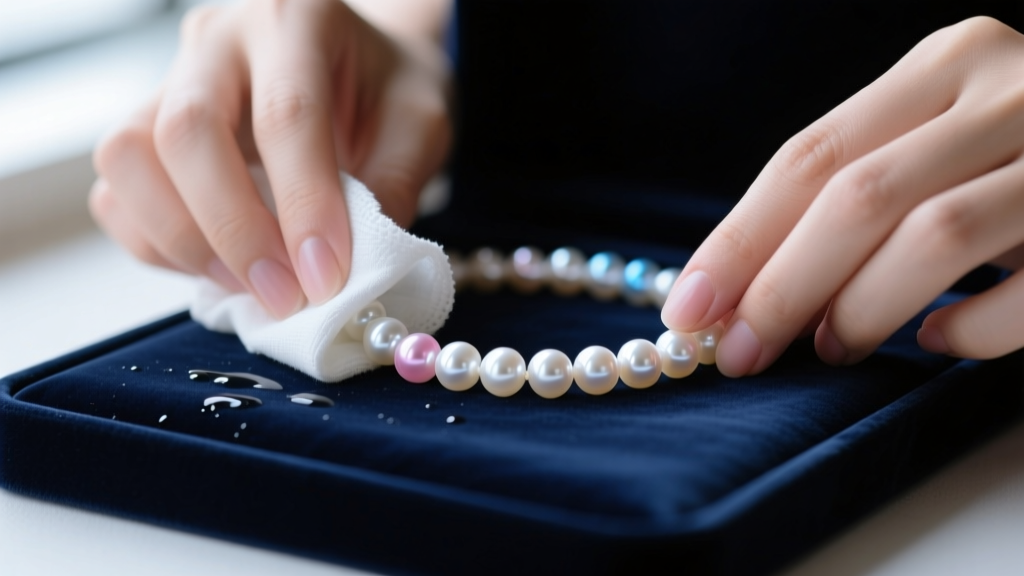
When it comes to fine jewelry, organic gems require a radically different maintenance approach than crystalline stones or precious metals. If you are searching for exactly how to clean pearl necklace strands without dulling their signature luster, you must first understand that pearls are not merely delicate—they are chemically reactive. Unlike diamonds or sapphires, which can withstand ultrasonic vibrations and harsh chemical baths, pearls are porous, organic structures that demand a meticulous, science-backed approach to care and maintenance.
In this comprehensive guide, we will explore the structural vulnerabilities of nacre, outline a step-by-step cleaning protocol, and detail the hidden risks associated with silk threading. By following these expert methodologies, you can preserve the orient and luster of your Akoya, South Sea, Tahitian, or Freshwater pearls for generations.
The Science of Nacre: Why Pearls Require Special Care
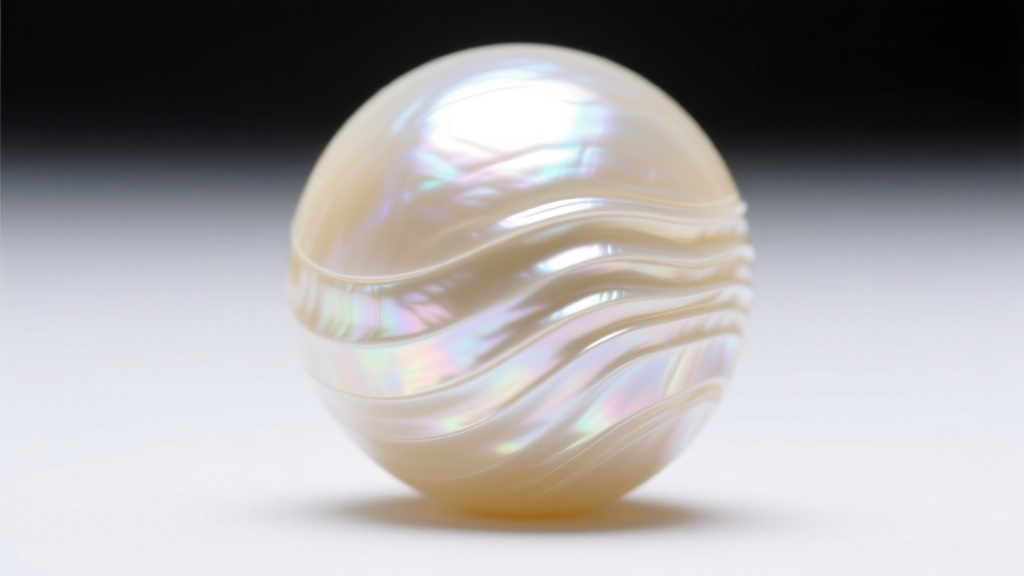
To understand proper maintenance, you must understand the material. Pearls are primarily composed of aragonite (a crystalline form of calcium carbonate) held together by conchiolin (an organic horn-like protein). This composite structure, known as nacre, is what gives pearls their iridescent glow. However, it also dictates their vulnerabilities:
- Low Hardness: On the Mohs scale of mineral hardness, pearls rank between 2.5 and 3.0. For context, a copper penny is a 3.5. This means pearls can be easily scratched by dust (which often contains microscopic quartz particles at a 7.0 hardness) or other jewelry.
- Chemical Sensitivity: Calcium carbonate is highly susceptible to acid erosion. Even the natural acids in human sweat, hairspray, or perfume can slowly dissolve the outer layers of nacre, leading to a permanent loss of luster and a chalky appearance.
- Porosity: The microscopic gaps between aragonite platelets can absorb oils, lotions, and chemicals, which can cause the pearl to yellow or degrade from the inside out.
Step-by-Step: How To Clean Pearl Necklace Strands Safely
Proper maintenance is divided into two categories: the daily post-wear wipe-down and the periodic deep clean. Never submerge your pearls in water unless absolutely necessary, and never use commercial jewelry dips.
The Daily Post-Wear Protocol
The single most effective habit for pearl preservation is the post-wear wipe. After removing your necklace, gently wipe each pearl individually with a clean, dry, lint-free microfiber cloth. This removes the day's accumulation of skin oils, sweat, and environmental pollutants before they can etch into the nacre. According to the Gemological Institute of America (GIA), this simple habit can extend the time between necessary deep cleanings by years.
The Periodic Deep Clean (Every 3-6 Months)
When your pearls lose their bright reflection and appear slightly cloudy, it is time for a gentle wash.
- Prepare the Solution: Mix one cup of distilled water (never tap water, as chlorine and heavy minerals can harm the nacre) with a single drop of pH-neutral, unscented liquid castile soap (such as Dr. Bronner’s Unscented Pure-Castile).
- Dampen the Cloth: Dip a soft, lint-free cotton or microfiber cloth into the solution and wring it out until it is only barely damp. Never submerge the necklace.
- Wipe Gently: Carefully wipe each pearl, paying attention to the drill holes where grime accumulates. Avoid rubbing the silk thread.
- Rinse the Cloth: Rinse your cloth thoroughly with distilled water, wring it out, and wipe the pearls again to remove any soapy residue.
- Dry Flat: Lay the necklace completely flat on a dry, clean towel in a well-ventilated area away from direct sunlight or heat sources. Allow the silk thread to dry completely (usually 12-24 hours) before wearing or storing. Hanging a wet pearl necklace will cause the silk to stretch permanently.
The Danger Zone: Chemical and Mechanical Failure Modes
Many well-meaning jewelry owners destroy their organic gems by applying standard jewelry cleaning methods to pearls. The American Gem Society (AGS) strictly warns against using automated cleaners or harsh chemicals. Below is a breakdown of common cleaning agents and their catastrophic effects on nacre.
| Cleaning Method / Agent | Effect on Pearl Nacre | Severity |
|---|---|---|
| Ultrasonic Cleaners | High-frequency vibrations shatter the delicate aragonite platelets, causing the nacre to peel or crack entirely. | Catastrophic |
| Steam Cleaners | Extreme heat and moisture can cook the conchiolin protein, leading to irreversible yellowing and structural weakening. | Catastrophic |
| Ammonia / Bleach | Strips the nacre entirely, leaving a dull, chalky, and pitted bead. Often used in commercial silver/gold dips. | Catastrophic |
| Vinegar / Citrus Acids | Calcium carbonate reacts violently with acids, literally dissolving the outer layers of the pearl. | Severe |
| Baking Soda Pastes | Acts as a micro-abrasive, scratching the surface and destroying the mirror-like finish of the orient. | Moderate to Severe |
| Toothbrushes (Even Soft) | Bristles can scratch the nacre and fray the delicate silk knotting between the pearls. | Moderate |
The Hidden Vulnerability: Silk Thread Maintenance
When learning how to clean pearl necklace strands, most people focus entirely on the gems and ignore the string. High-quality pearl necklaces are strung on 100% silk thread with individual knots between each pearl. These knots serve two purposes: they prevent the pearls from rubbing against each other (which would cause friction damage), and they ensure that if the strand breaks, you only lose one pearl.
However, silk is a natural protein fiber that degrades when exposed to moisture, body oils, and cosmetics. As the silk absorbs oils, it stretches and weakens. Over time, the knots will loosen, and the pearls will begin to slide back and forth between them.
The "Clack" Test and Restringing Schedule
To determine if your necklace needs professional restringing, perform the "clack" test. Hold the necklace by the clasp and let it hang. Gently tap the strand. If you hear a distinct clicking or clacking sound, or if you can see gaps between the knots and the pearls, the silk has stretched beyond its safe limit.
Restringing Intervals:
- Worn Weekly: Restring every 12 to 18 months.
- Worn Monthly: Restring every 2 to 3 years.
- Rarely Worn: Restring every 5 years, as silk can dry rot and become brittle over time.
Long-Term Storage Protocols for Organic Gems
How you store your pearls is just as critical as how you clean them. Improper storage is a leading cause of nacre dehydration and surface scratching.
Avoid Plastic and Airtight Containers
Never store pearls in plastic bags or airtight safety deposit boxes for extended periods. Many plastics emit trace amounts of polyvinyl chloride (PVC) gases that can chemically react with the pearl's surface. Furthermore, pearls contain a small amount of water (usually around 2% to 4%). Storing them in an overly dry, airtight environment can cause the conchiolin to dry out, leading to microscopic crazing (cracking) and peeling.
The Ideal Storage Environment
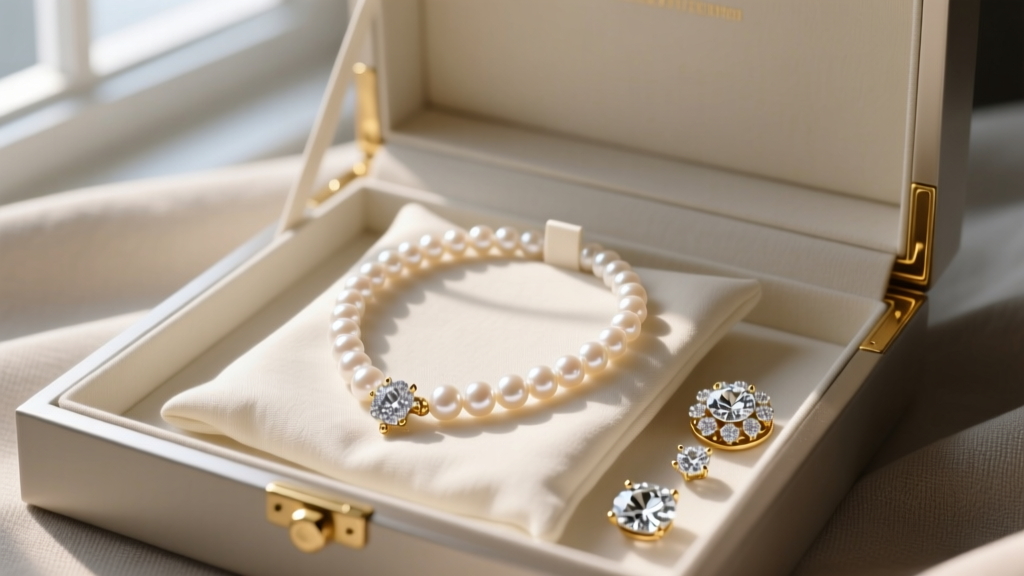
Store your pearl necklace in a soft, breathable fabric pouch (like linen or untreated cotton) or a dedicated jewelry box lined with tarnish-resistant flannel. Keep them in an environment with a relative humidity (RH) of 40% to 60%. If you live in an exceptionally dry climate or use a safe with a desiccant, place a small, damp (not wet) sponge or a specialized jewelry humidity tab in the outer compartment of the safe to maintain ambient moisture.
Finally, always store pearl necklaces flat. Hanging a heavy strand of pearls on a jewelry tree or hook will place continuous tension on the silk thread, causing it to stretch permanently and creating unsightly gaps between the knots.
Summary of Best Practices
"Pearls are living gems. They thrive when they are worn regularly and exposed to the natural, mild moisture of the skin, but they require immediate and gentle cleansing to remove the acidic byproducts of that same wear."
Mastering how to clean pearl necklace strands is about adopting a routine of gentle, proactive care. By avoiding harsh chemicals, refusing the temptation of ultrasonic machines, and respecting the delicate nature of both the nacre and the silk thread, your pearls will maintain their breathtaking luster and structural integrity for a lifetime.


