How to Make a Hemp Necklace: The Modern Boho Style Guide
Learn how to make a hemp necklace with our expert guide. Discover macramé knotting techniques, material grades, and modern boho styling tips.

The Resurgence of Hemp: From Festival Craft to High-Boho
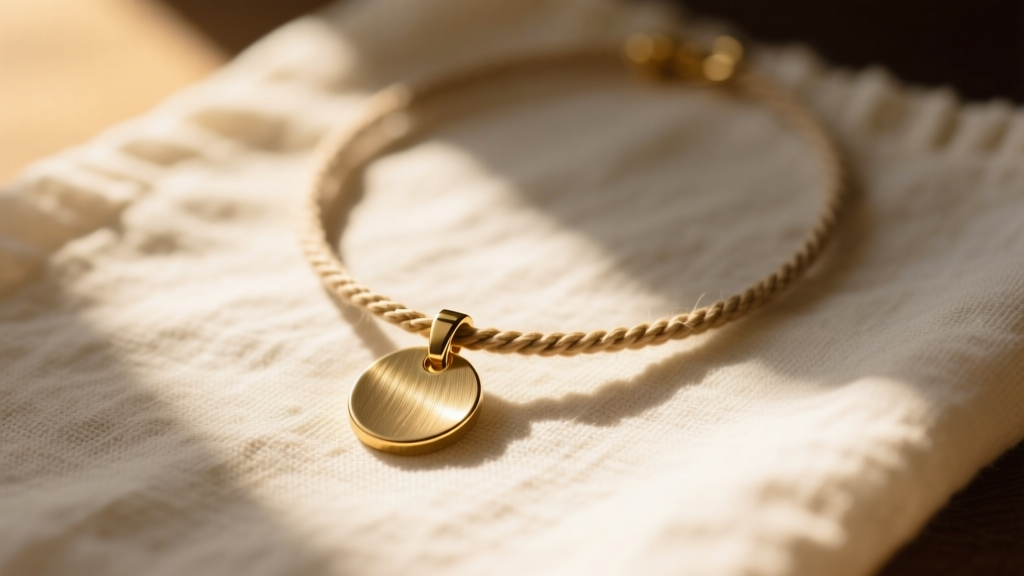
When you search for how to make a hemp necklace, you might picture 1990s summer camps or 2010s music festival merch. However, the 2026 jewelry landscape has completely reimagined this humble fiber. Today, the 'Elevated Earthcore' and 'Quiet Boho' movements have pushed hemp out of the craft bin and into high-end, sustainable fashion. Modern artisans are pairing organic, fair-trade hemp cords with 14k gold-fill beads, raw uncut gemstones, and brushed sterling silver pendants.
Creating your own hemp jewelry is no longer just a nostalgic pastime; it is a deliberate style choice that emphasizes sustainability, tactile texture, and bespoke craftsmanship. According to fiber arts authorities at Interweave, the modern macramé renaissance relies heavily on precision tension and high-quality, sustainably sourced fibers. This guide will walk you through the exact materials, structural knotting techniques, and contemporary styling frameworks needed to craft a hemp necklace that looks intentional, refined, and distinctly modern.
Material Selection: Choosing the Right Hemp Cord
The most common failure point for beginners learning how to make a hemp necklace is selecting the wrong cord weight. Hemp is measured by ply (the number of twisted strands) and thickness in millimeters. For jewelry, you must avoid standard crafting twine, which is prone to severe fraying and snapping under tension.
| Cord Specification | Thickness | Best Use Case | Durability & Feel |
|---|---|---|---|
| 4-Ply Hemp | ~1.0mm | Delicate chokers, micro-macramé, bead-heavy designs | Flexible, softer on the skin, requires careful tension |
| 8-Ply Hemp | ~2.0mm | Standard square knot necklaces, sliding closures | Highly durable, holds knots securely, rustic texture |
| Waxed Hemp | 1.0mm - 2.0mm | Water-resistant pieces, crisp geometric knotwork | Stiff initially, prevents fraying, slight sheen |
| Unwaxed Organic | 1.0mm - 2.0mm | Purist boho styles, dyeing projects | Soft matte finish, susceptible to moisture and fraying |
Expert Tip: For a modern, refined look, opt for 1mm waxed hemp cord in muted, earthy tones like charcoal, sage, or terracotta. The wax coating not only prevents the fibers from blooming and fraying over time but also gives the finished piece a subtle, leather-like luster that elevates it above basic craft projects.
Step-by-Step: How to Make a Hemp Necklace Using the Square Knot
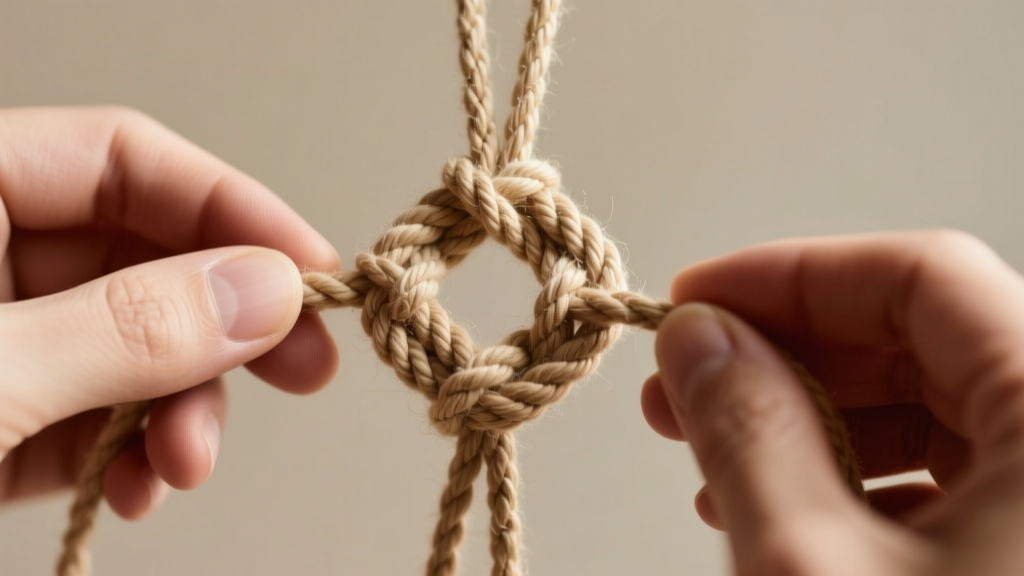
The foundation of almost all structural hemp jewelry is the macramé square knot. Mastering this knot ensures your necklace lays flat against the collarbone without twisting. For a standard 16-inch choker-style necklace, you will need approximately 4 yards of working cord and 1.5 yards of anchor (filler) cord.
1. The Setup and Anchor
Fold your 1.5-yard anchor cord in half and secure the looped end to a clipboard or macramé board. This creates two center filler cords. Next, take your 4-yard working cord, find the exact center, and place it behind the two anchor cords. You now have four strands extending downward: two anchor cords in the middle, and two working cords on the outside.
2. Executing the Square Knot
The square knot is a two-part process. Part One: Take the left working cord and pass it over the two anchor cords and under the right working cord. Then, take the right working cord, pass it under the anchor cords, and pull it up through the loop created by the left cord. Pull tight. Part Two: Reverse the process. Take the right working cord, pass it over the anchors and under the left cord. Pass the left cord under the anchors and up through the right loop. Pull tight.
3. Avoiding the Spiral Trap
A critical troubleshooting note: if you repeatedly start with the left cord, your necklace will twist into a spiral (a half-square knot helix). To maintain a flat, woven ribbon effect, you must strictly alternate your starting side for every single knot. As noted by the tutorials at Macrame School, consistent alternation is the secret to professional-grade, flat macramé webbing.
Elevating the Design: Integrating Beads and Pendants
To transition your hemp necklace from a basic craft to a statement piece of jewelry, strategic bead integration is essential. The primary challenge with hemp is its thickness; a standard 2mm cord will not fit through the 1mm holes of most commercial glass or gemstone beads.
- Large-Hole Sterling Silver: Look for 'European style' or 'large-hole' silver beads with 3mm to 4mm interiors. Sliding these onto the outer working cords before tying a knot locks them permanently into the macramé structure.
- Wire-Wrapping Pendants: Instead of trying to thread a pendant onto the thick hemp, use a 20-gauge gold-fill wire to create a custom bail that wraps around the finished hemp band, securing the pendant via a wrapped loop.
- Raw Crystal Points: For the Earthcore aesthetic, use a diamond-tipped bead reamer to carefully enlarge the holes of raw quartz or tourmaline points, allowing the 1mm waxed hemp to pass directly through the stone.
The Sliding Knot Closure: A Clasp-Free Solution
Metal clasps require crimping, and hemp cord crushes and degrades when compressed by metal crimp tubes. The most durable, professional finish for a hemp necklace is the macramé sliding square knot closure.
To execute this, leave 3 inches of bare anchor cord at both ends of your necklace. Overlap these bare ends. Using a separate 1-yard piece of 1mm cord, tie a series of 5 to 7 tight square knots over the overlapping ends. Trim the excess closure cord and seal the microscopic ends with a tiny drop of cyanoacrylate (jeweler's super glue). This creates a friction-based, adjustable sliding track that allows the wearer to modify the necklace length from a 14-inch choker to a 22-inch princess length without any metal hardware.

Styling Your Handmade Hemp Necklace for Modern Wardrobes
The key to styling hemp in a contemporary wardrobe is contrast. The matte, organic texture of hemp acts as a perfect foil to high-shine metals and structured fabrics. Here is a framework for styling your handmade pieces:
- The Mixed-Metal Layer: Pair a dark charcoal hemp choker featuring a single brushed gold bead with a delicate 18-inch 14k gold-fill cable chain. The contrast between the rugged fiber and the refined chain creates a highly curated, intentional look.
- The Ribbed Knit Pairing: Hemp necklaces shine against textured fabrics. A 2mm natural beige hemp necklace with a raw turquoise pendant rests beautifully against a cream, ribbed turtleneck, leaning into the 'Quiet Boho' aesthetic.
- The Structured Blazer: Soften the sharp lapels of an oversized, tailored wool blazer by layering a long, 24-inch hemp lariat necklace. The organic drape of the hemp breaks up the severe tailoring of the outerwear.
'The modern approach to hemp jewelry is all about juxtaposition. We are no longer wearing head-to-toe festival gear. We are taking one meticulously crafted, organic hemp piece and anchoring it against sharp tailoring or high-shine precious metals to create visual tension.' — Contemporary Jewelry Styling Brief, 2026.
Care, Maintenance, and Failure Prevention
Hemp is a natural cellulose fiber, meaning it is highly susceptible to moisture, body oils, and friction. To ensure your necklace survives daily wear, you must implement a proactive care routine.
Moisture Management: Never shower or swim with an unwaxed hemp necklace. Prolonged water exposure causes the fibers to swell, and if trapped against the skin, can lead to mildew or a weakened tensile structure. If your necklace gets wet, lay it flat on a dry towel in a well-ventilated area away from direct heat, which can make the fibers brittle.
Friction and Fraying: The most common failure mode is fraying at the sliding closure or where the cord rubs against the back of the neck. To prevent this, periodically rub a small amount of natural beeswax or dedicated cord wax into the high-friction zones. This re-binds the microscopic fibers and restores the cord's water resistance.
Cleaning: Do not machine wash or submerge your piece in harsh detergents. Instead, use a soft-bristled makeup brush dipped in a mild solution of castile soap and water to gently spot-clean the knots, wiping away immediately with a damp microfiber cloth.
Conclusion
Learning how to make a hemp necklace is an exercise in patience, precision, and material respect. By upgrading from basic craft twine to high-grade waxed cords, mastering the alternating square knot, and styling your finished piece with modern intentionality, you can create sustainable, bespoke jewelry that transcends fleeting trends. Whether you are integrating large-hole sterling silver beads or perfecting a friction-fit sliding closure, the resulting piece will be a testament to both ancient fiber arts and contemporary style.


