How to Make a Necklace Slip Knot: Budget & Value Guide
Learn how to make a necklace slip knot to save money on metal clasps. We compare cord costs, durability, and value for budget jewelry making.

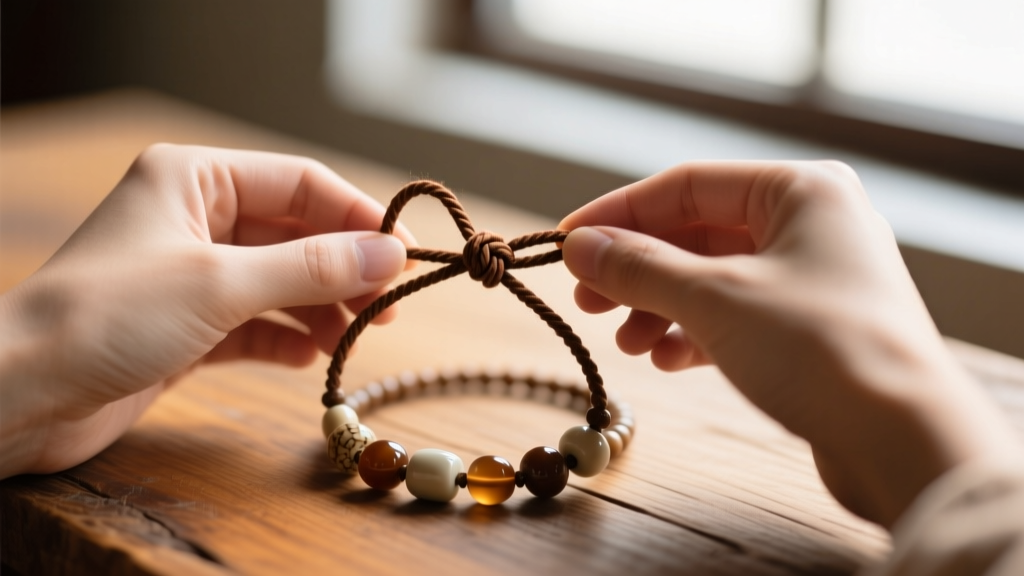
The True Cost of Jewelry Findings: Why Ditch the Clasp?
When evaluating the budget and value of handmade or repaired jewelry, the cost of metal findings is often the hidden budget-killer. According to wholesale pricing data from Rio Grande, a single sterling silver lobster clasp, complete with jump rings and a soldered ring, can cost between $4.50 and $8.00. Multiply that by a 50-piece production run, and you have sacrificed up to $400 purely on the mechanism that connects the necklace. This is where understanding how to make a necklace slip knot transitions from a simple craft trick to a critical value-assessment strategy. By replacing mechanical metal clasps with friction-based fiber knots, makers and consumers can drastically reduce overhead while maintaining a customizable, adjustable fit.
Step-by-Step: How to Make a Necklace Slip Knot
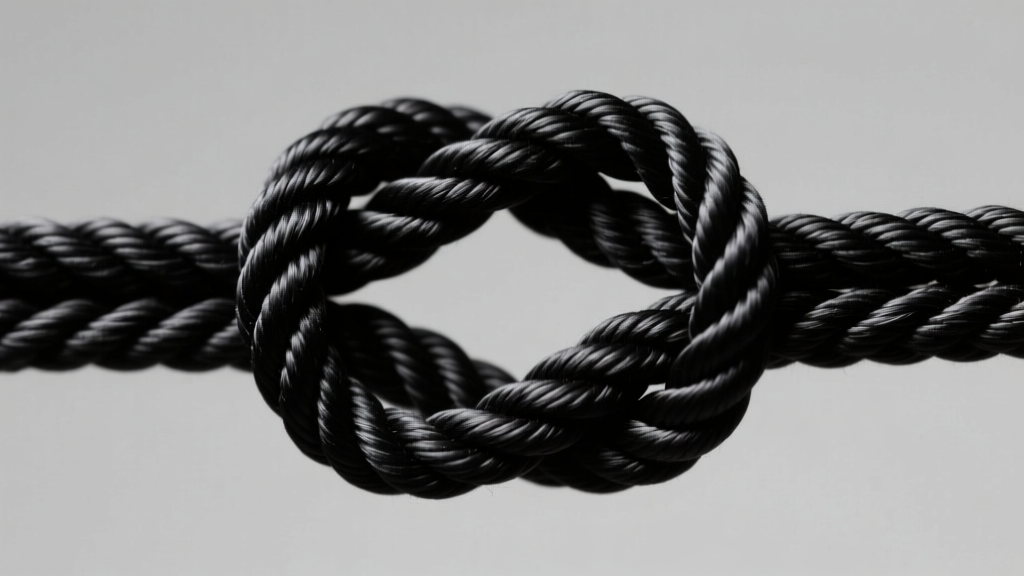
The most secure and adjustable slip knot for jewelry is the sliding square knot (often referred to in macrame as an adjustable closure). It relies entirely on the static friction between the overlapping cord ends to hold the necklace in place.
- Overlap the Ends: Cross the left cord over the right cord, creating an 'X' shape. Ensure you have at least 4 inches of tail on each side to work with.
- The First Half-Knot: Take the right cord, pass it under the left cord, then bring it up and over the top of the left cord, tucking it through the loop you just created. Pull tight.
- The Second Half-Knot: Now, take the left cord, pass it under the right cord, bring it up and over, and tuck it through the new loop. Pull tight. This completes one full square knot.
- Repeat for Friction: For a standard 1mm waxed cotton cord, 2 to 3 complete square knots provide enough friction to hold a 40-gram pendant. For slicker materials like nylon, you may need 4 to 5 passes to prevent slipping.
- Finish the Tails: Trim the excess cord, leaving a 2mm tail, and apply a micro-drop of cyanoacrylate (jewelry glue) to the knot ends to prevent fraying over time.
Material Value Matrix: Cord Types vs. Metal Clasps
Not all cords are created equal when it comes to friction and longevity. Data compiled from jewelry supply authorities like Fire Mountain Gems highlights the drastic cost and performance differences between cord materials and traditional metal findings.
| Material | Cost per Yard | Friction Coefficient | Durability | Best Application |
|---|---|---|---|---|
| Waxed Cotton (1mm) | $0.15 | High (Wax grips) | Medium (Degrades in water) | Heavy stone pendants, rustic styles |
| C-Lon Nylon (0.9mm) | $0.25 | Low (Slick surface) | High (Waterproof, UV resistant) | Micro-macrame, lightweight glass beads |
| Leather (2mm) | $1.20 | Medium (Porous grip) | Medium (Stretches over time) | Large bail pendants, masculine jewelry |
| Sterling Lobster Clasp | $4.50+ (per unit) | N/A (Mechanical lock) | High (Tarnishes, but structurally sound) | Fine jewelry, delicate metal chains |
The Friction Factor: Why Waxed Cotton Wins on Value
When learning how to make a necklace slip knot, material selection dictates the knot's structural integrity. Waxed cotton is the undisputed champion of budget adjustable necklaces. The wax coating artificially increases the static friction coefficient of the cotton fibers. When you pull the knot tight, the wax slightly melts from the heat of friction, then cools and locks the fibers together. This allows a simple 2-pass square knot to support pendants weighing up to 50 grams without slipping. Nylon, by contrast, is hydrophobic and slick; a nylon slip knot requires at least 4 passes and a drop of flexible adhesive (like E6000) to achieve the same holding power, which adds labor time and reduces the 'adjustable' nature of the closure.
Calculating the ROI of Adjustable Cord Necklaces
According to craft education platforms like The Spruce Crafts, mastering adjustable closures allows jewelry makers to pivot from high-overhead metalwork to high-margin fiber arts, drastically lowering the barrier to entry for small batch sales.
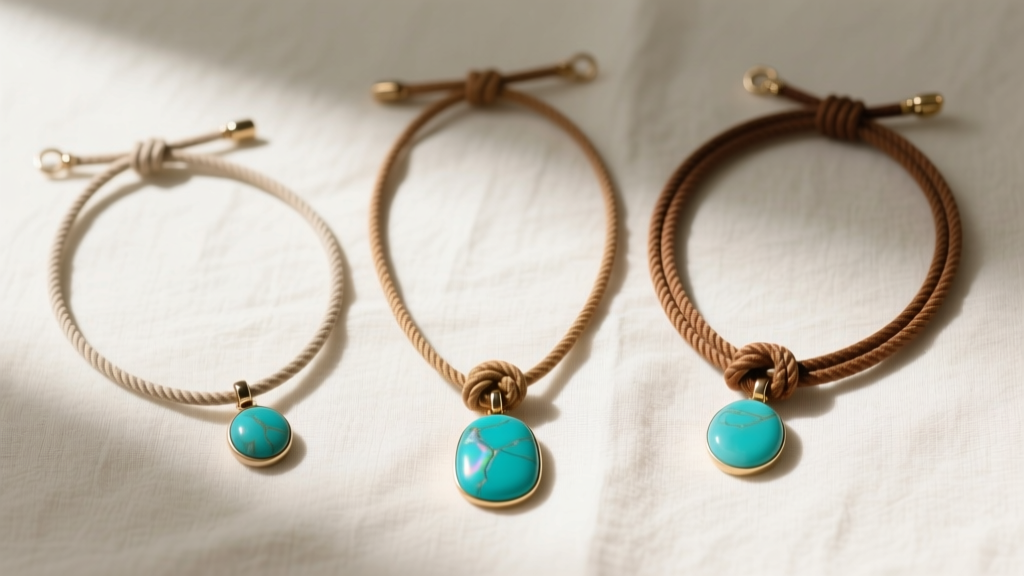
Let us run a strict budget assessment for a hypothetical 50-piece artisan market run. You are selling natural turquoise pendants.
- Traditional Chain Method: $5.50 (sterling chain) + $4.50 (clasp & rings) = $10.00 per unit. Total material cost: $500.00.
- Slip Knot Method: $0.20 (1 yard waxed cotton) + $0.10 (glass seed bead for tail) = $0.30 per unit. Total material cost: $15.00.
By substituting the mechanical clasp for a friction-based slip knot, you reclaim $485.00 in material capital. Even if you factor in an extra 3 minutes of labor per knot (valued at $15/hour, adding $0.75 per unit), your total cost remains under $1.10 per necklace. The value proposition is undeniable for budget-conscious makers and consumers.
Troubleshooting Common Knot Failures
Even with the right materials, poor execution compromises the value of the necklace. Here are the most common failure modes and how to fix them:
- The 'Creep' Effect: If the knot slowly loosens throughout the day, your cord is too slick. Fix: Lightly scuff the overlapping cord sections with 400-grit sandpaper before tying to increase surface area and friction.
- Knot Jamming: If the knot becomes impossible to adjust after a few weeks, body oils and dust have cemented the wax. Fix: Apply a microscopic drop of mineral oil to the knot and massage it between your fingers to restore the sliding mechanism.
- Fraying Tails: If the cord ends unravel, the knot will eventually slip off the necklace. Fix: Never use standard craft glue. Use a precision applicator with flexible cyanoacrylate or a thread burner (for synthetic nylon) to melt the ends into a hard bead.
Maintenance and Long-Term Value Retention
From a consumer perspective, a slip knot necklace requires different maintenance than a chain. Waxed cotton is susceptible to moisture and skin acids. To maintain the structural integrity and visual value of the piece, advise wearers to remove the necklace before showering or swimming. If the wax coating wears off after 12 to 18 months of daily wear, the necklace can be 're-waxed' using a block of pure beeswax. Simply rub the beeswax along the cord and run the cord through a soft cloth to generate heat and seal the fibers. This maintenance ritual costs pennies and extends the life of the necklace indefinitely, a stark contrast to a plated metal clasp that, once the plating rubs off, must be entirely replaced.
When to Avoid Slip Knots (And Pay for a Clasp)
While the budget value is immense, a slip knot is not a universal replacement. A rigorous value assessment must account for failure modes. Avoid slip knots in the following scenarios:
- Pearl and Silk Necklaces: Traditional pearl knotting uses 100% silk thread. Silk has a low tensile strength and degrades rapidly when subjected to the repetitive friction of a sliding knot. The cost of replacing a ruined silk strand far outweighs the savings of avoiding a clasp.
- Micro-Bails (Under 1.5mm): If your pendant has a tiny soldered bail, a 1mm cord doubled over (creating a 2mm+ thickness at the knot) will not pass through the hole. You would be forced to use a micro-jump ring, negating the clasp savings.
- High-Value Gemstones: If you are setting a $2,000 sapphire, the risk of a waxed cotton cord snapping or a knot loosening due to body oils breaking down the wax over 5 years is an unacceptable risk-to-value ratio. Always use a mechanically locked, soldered precious metal chain for high-value assets.
Final Verdict on Budget Necklace Construction
Understanding how to make a necklace slip knot is an essential skill for anyone conducting a serious budget and value assessment of jewelry production. By leveraging the physics of friction and the low cost of natural fibers like waxed cotton, you can eliminate the most expensive component of a necklace—the clasp—without sacrificing adjustability or aesthetic appeal. For everyday wear, artisan market pieces, and lightweight pendants, the slip knot offers an unmatched return on investment.


