How to Necklace Knot: The Ultimate Symbolic Gift Guide
Discover how to necklace knot for meaningful gifts. Learn sliding techniques, material grades, and occasion matching for perfect knot jewelry.

The Enduring Symbolism of Knot Jewelry
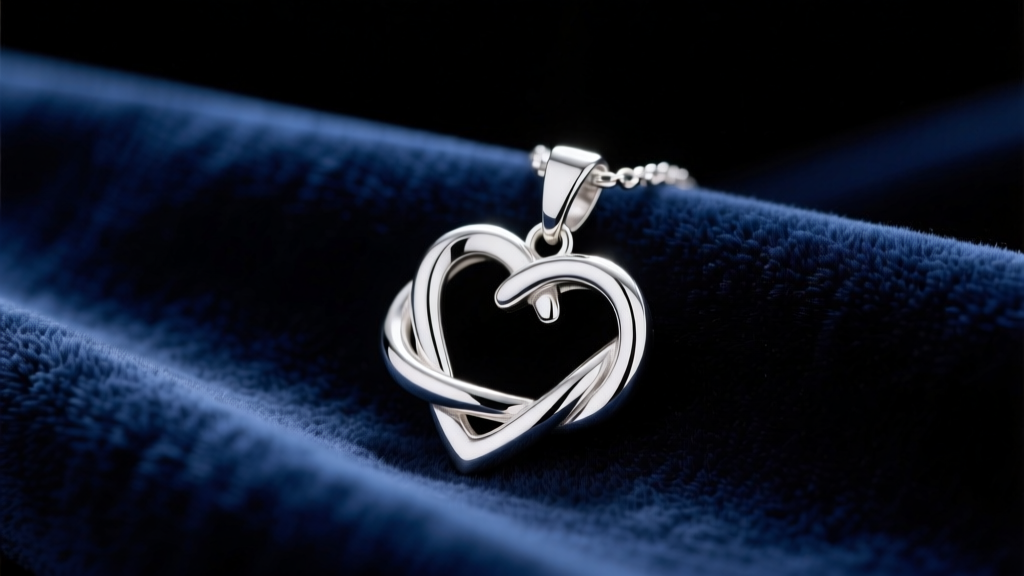
Gifting jewelry is an intimate act, but gifting a piece that is literally tied together elevates the sentiment to an entirely new level. Knots have represented unbreakable bonds, safe journeys, and eternal love across cultures for millennia. Whether you are crafting a DIY adjustable cord necklace or selecting a fine metal knot pendant, understanding the symbolism and mechanics behind these designs is crucial for matching the piece to the perfect occasion. When learning how to necklace knot for a personalized gift, you are not just working with string or metal; you are weaving a narrative of connection. According to the Gemological Institute of America, symbolic jewelry remains one of the most requested categories for anniversaries and milestones, with knot motifs consistently ranking in the top five for romantic gifting.
Matching the Knot Style to the Occasion
Not all knots carry the same historical weight or aesthetic purpose. A delicate gold Love Knot speaks a very different language than a rugged waxed-cotton Sailor's Knot. Below is a strategic framework for matching knot styles, materials, and meanings to specific gifting occasions.
| Knot Type | Best Occasion | Material Recommendation | Symbolic Meaning |
|---|---|---|---|
| Love Knot (Hercules Knot) | Anniversaries, Engagements | 14k/18k Gold, Platinum | Unbreakable romantic bond, marital fidelity |
| Sailor's Knot | Graduations, Farewells | Waxed Cotton, Braided Leather | Safe travels, remembering home, resilience |
| Sliding Square Knot | Friendships, DIY Teen Gifts | 1mm Macrame Cord, Silk | Adjustable bond, growing together |
| Celtic Knot (Trinity) | Heritage, Weddings, Birthdays | Sterling Silver, Rose Gold | Eternity, interconnectedness of life |
How to Necklace Knot: The Adjustable Sliding Square Knot
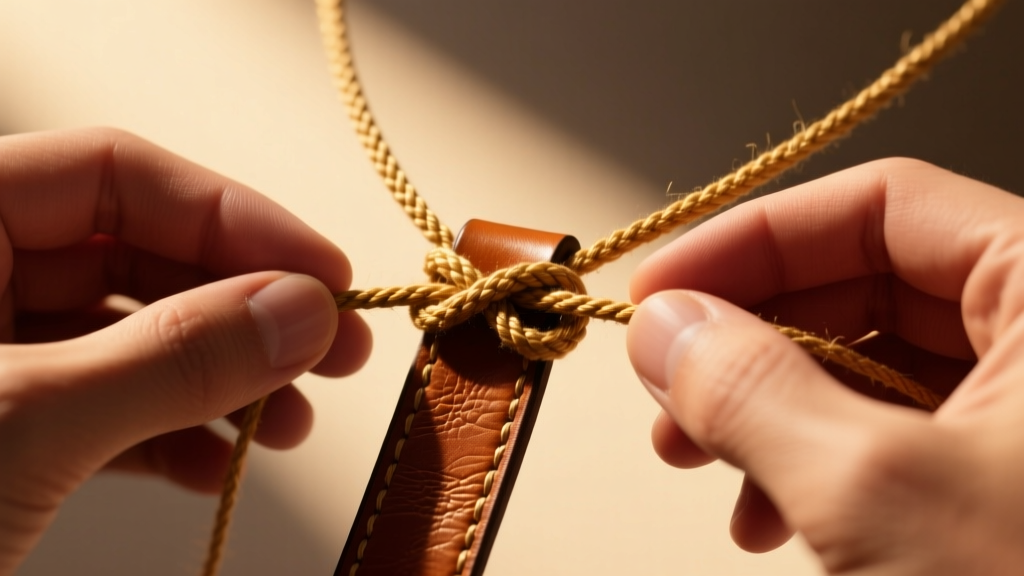
For the DIY gift-giver, mastering the adjustable sliding square knot (often used in macrame) is an invaluable skill. This technique allows the recipient to adjust the necklace length from a 16-inch choker to a 24-inch matinee drop without the need for metal clasps, making it hypoallergenic and highly versatile. Experts at Fire Mountain Gems recommend using cords with a slight texture to ensure the friction required for the knot to hold its position without slipping.
Step-by-Step Tying Instructions
- Prepare the Main Cord: Cut a 30-inch length of 1.0mm waxed cotton cord. Fold it in half to find the center, and secure the center point to a clipboard or macrame board.
- Prepare the Knotting Cord: Cut a separate 12-inch piece of the same cord (or a contrasting color for a two-tone gift).
- The First Half-Knot: Lay the 12-inch cord horizontally beneath the two main vertical cords. Take the right end of the horizontal cord, pass it over the main cords, and tuck it under the left horizontal end. Pull tight.
- The Second Half-Knot: Reverse the process. Take the left end, pass it over the main cords, and tuck it under the right end. This completes one full square knot.
- Build the Slider: Repeat this alternating pattern until you have a knot barrel approximately 0.75 inches long. This provides enough surface area for friction while remaining flexible enough to slide.
- Finish and Trim: Trim the horizontal knotting cords close to the barrel. Melt the very tips with a precision lighter (if using nylon) or secure with adhesive (if using cotton).
Material Science: Selecting Cords and Adhesives
The longevity of a knotted necklace gift depends entirely on the material grade of the cord and the chemical composition of the adhesive used to secure the tails. Using the wrong materials is the primary cause of gift failure, leading to fraying, unraveling, and discoloration.
- Waxed Cotton (0.8mm - 1.5mm): The gold standard for sliding knots. The wax coating provides water resistance and the exact amount of drag needed to keep the necklace at the desired length. Avoid diameters larger than 1.5mm, as they create bulky, stiff knot barrels.
- Chinese Knotting Cord (Nylon): Excellent for vibrant colors and intricate decorative knots. Because it is synthetic, the ends must be sealed with a flame to prevent catastrophic fraying.
- Griffin Silk: Best reserved for fixed, decorative knots on pearl necklaces. Silk lacks the friction for sliding mechanisms and will degrade if exposed to daily skin oils and sweat without occasional re-stringing.
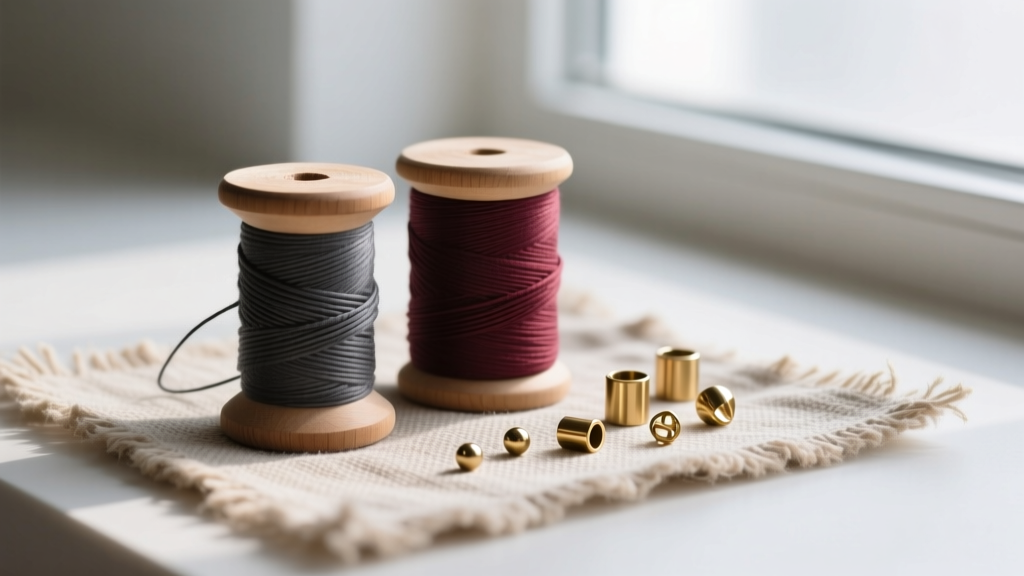
Pro-Tip on Adhesives: Never use cyanoacrylate (Super Glue) on jewelry cords. It dries brittle, creates a chalky white residue on dark fibers, and will snap under the bending tension of a necklace. Always use G-S Hypo Cement. Its precision needle applicator allows you to wick a microscopic drop into the knot barrel, curing flexible and completely clear.
Troubleshooting Common Knotting Failures
Even experienced crafters encounter structural issues when knotting necklaces. Here is how to diagnose and fix the most common failure modes before wrapping your gift:
1. The Sliding Knot is Too Loose (Necklace Slips Down)
Diagnosis: The cord diameter is too small for the knot barrel, or the cord material is too slick (common with pure silk or polished leather).
Solution: Increase the number of square knots in the barrel from 4 to 6 to increase surface friction. Alternatively, apply a microscopic dab of beeswax to the main cords inside the barrel to artificially increase drag.
2. The Sliding Knot is Too Tight (Won't Adjust)
Diagnosis: Tension was pulled too aggressively during the tying process, or the adhesive wicked into the main sliding cords.
Solution: When applying G-S Hypo Cement, use a toothpick to apply the glue only to the cut tails of the knotting cord, avoiding the main structural cords entirely. Work the knot back and forth with your fingers while the glue is drying to break any accidental micro-bonds.
3. Leather Cord Ends Fraying or Snapping
Diagnosis: Leather cannot be melted like nylon, and cutting it flush leaves a weak point that snaps under the 2-3 lbs of tension a necklace experiences when pulled over a head.
Solution: Do not knot leather directly into a sliding mechanism. Instead, use a fixed Lark's Head knot to attach the leather to a sterling silver S-clasp or end-cap, and use the metal clasp for adjustment. Leather is best suited for fixed-length, single-knot pendant holders rather than functional sliding hardware.
Presentation and Packaging for Knot Gifts
When gifting a handmade or symbolic knot necklace, the packaging should reinforce the narrative of the bond. Avoid standard velvet clamshell boxes, which imply commercial retail purchases. Instead, wrap the necklace around a heavy-stock cotton paper card that includes a brief, handwritten explanation of the knot's specific history. For waxed cotton and macrame pieces, store the necklace in a small, unbleached muslin drawstring bag. This allows the natural fibers to breathe, preventing the wax from becoming tacky in humid environments, and adds an artisanal, bespoke touch that perfectly frames the effort you put into learning how to necklace knot for someone special.