Emerald Necklace Silver Buying Guide: What to Look For
Discover what to look for when buying an emerald necklace silver setting. Learn about Argentium vs 925, treatments, and bezels.
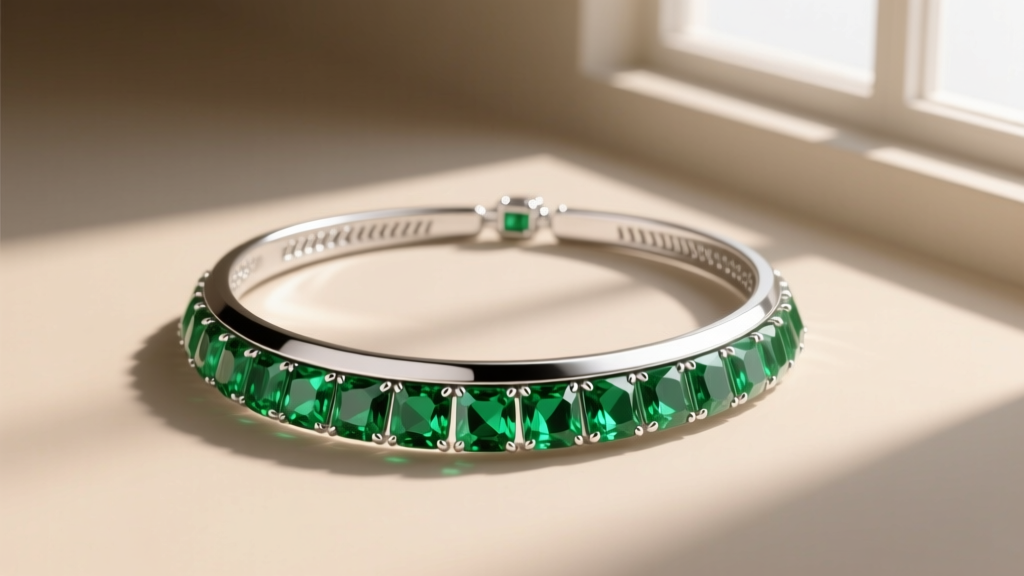
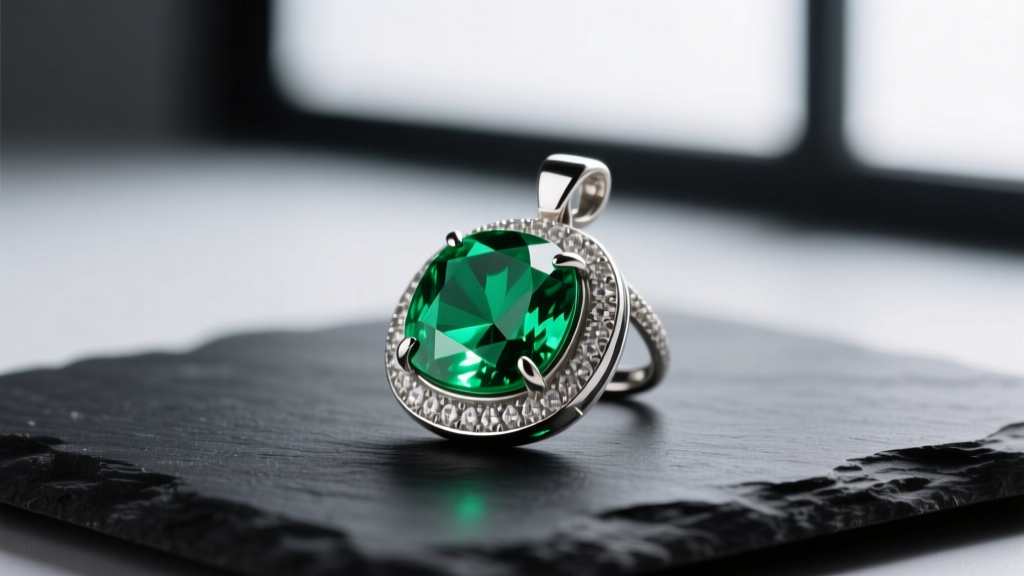
The juxtaposition of a lush, verdant emerald against the cool, lunar glow of silver is one of the most striking combinations in fine jewelry. However, pairing a heavily included, brittle gemstone with a relatively soft, malleable metal creates a unique set of structural challenges. As we navigate the jewelry market in 2026, understanding the metallurgical and gemological realities of an emerald necklace silver setting is no longer optional—it is essential for protecting your investment.
This comprehensive buying guide bypasses generic aesthetic advice to focus on the material science, treatment disclosures, and structural engineering required to choose a piece that will survive daily wear without catastrophic failure.
The Metallurgical Reality: Silver Alloys and Gemstone Security
To make an informed purchase, you must first understand the physical mismatch between emeralds and silver. Emeralds rank 7.5 to 8 on the Mohs scale of hardness, meaning they resist scratching well. However, hardness is not toughness. Due to their natural inclusions (known as jardin), emeralds have poor toughness and are highly susceptible to chipping from sudden impacts or uneven pressure.
Sterling silver (925), composed of 92.5% silver and 7.5% copper, has a Mohs hardness of roughly 2.5 to 3. It is highly malleable. If a silver prong catches on a sweater, the metal will bend easily. If that prong is holding a brittle emerald, the shifting metal can apply uneven torque to the stone's girdle, causing it to fracture or pop out entirely.
Why You Should Seek Out Argentium Silver
While traditional 925 sterling is ubiquitous, savvy buyers in 2026 are increasingly seeking out Argentium Silver (typically stamped 935 or 960). By replacing a portion of the copper alloy with germanium, Argentium offers two massive advantages for emerald settings:
- Tarnish Resistance: The germanium creates a transparent oxide layer that prevents the copper from reacting with sulfur in the air, drastically reducing the need for harsh chemical polishing that can degrade emerald oil treatments.
- Increased Hardness: Argentium is naturally harder and more durable than standard sterling, providing a more secure grip on brittle gemstones and resisting the prong-shear that plagues traditional 925 settings.
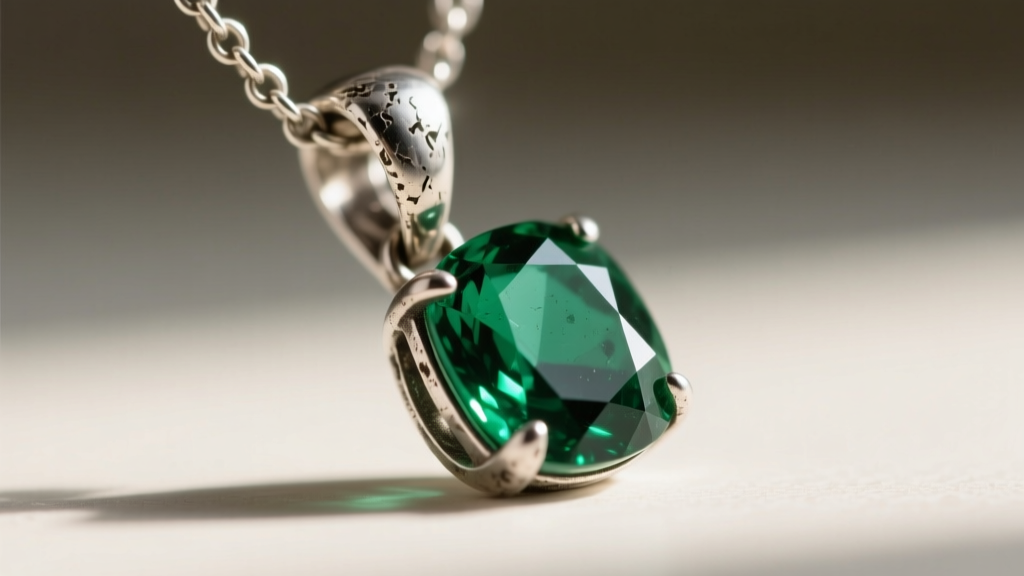
Evaluating the Emerald: Color, Jardin, and Crucial Treatments
When evaluating the centerpiece of your necklace, visual appeal must be balanced with structural integrity and full disclosure. According to the Gemological Institute of America (GIA), virtually all natural emeralds undergo some form of clarity enhancement to fill surface-reaching fractures.
The Treatment Hierarchy
Not all enhancements are created equal, and the Federal Trade Commission (FTC) mandates that sellers disclose treatments that significantly affect a stone's value or require special care. Here is what you must look for on the gemological report or seller disclosure:
| Treatment Type | Durability & Care Requirements | Market Value Impact |
|---|---|---|
| Minor (Cedar Oil) | Traditional but temporary. Oil can dry out or leak if exposed to heat, ultrasonic cleaners, or harsh soaps. Requires periodic re-oiling by a jeweler. | Standard market value; widely accepted for high-end natural stones. |
| Moderate (Synthetic Resins) | More stable than oil (e.g., Opticon). Resists drying out but can discolor yellow over decades. Cannot be safely removed or re-treated. | Slightly lower value than minor oil; common in commercial-grade jewelry. |
| Significant (Epoxy/Polymer) | Used to hold heavily fractured stones together. High risk of structural failure if the resin degrades. Avoid for daily-wear pendants. | Severely depresses value; must be heavily discounted. |
Pro-Tip: Never wear an oiled emerald necklace in a hot tub, sauna, or while washing dishes with hot, soapy water. The heat and surfactants will strip the cedar oil from the jardin, leaving the stone looking cloudy and white-fractured almost instantly.
Setting Styles: Engineering Protection in Soft Metal
Because silver is soft and emeralds are brittle, the setting style is the single most important factor in the longevity of your necklace. Avoid traditional high-prong settings at all costs unless the piece is strictly for occasional, low-impact evening wear.
The Setting Security Matrix
- Full Bezel (Highly Recommended): A continuous rim of silver wraps entirely around the emerald's girdle. This protects the vulnerable corners from impacts and prevents the stone from falling out even if the silver bends. It also shields the stone's edges from accumulating dirt and oils.
- Halo Setting (Moderate Security): A ring of smaller, harder gemstones (like white sapphires or diamonds) surrounds the emerald. While the halo takes the brunt of physical impacts, ensure the central emerald is still secured with a low-profile bezel or heavy V-prongs, not delicate silver wire.
- Four-Prong / Six-Prong (High Risk): Standard silver prongs will inevitably snag, bend, and wear down over time. If you absolutely must have a prong setting, insist on V-prongs at the corners of emerald-cut stones to prevent the notoriously weak 90-degree corners from chipping.
2026 Pricing Matrix: What You Should Actually Pay
The price of an emerald necklace in a silver setting varies wildly based on the origin of the stone and the quality of the silver alloy. Use this matrix to ensure you are not overpaying for commercial-grade goods or underestimating the cost of premium natural stones.
| Emerald Origin & Type | Carat Weight | Silver Setting Quality | Expected Price Range (USD) |
|---|---|---|---|
| Lab-Grown (Hydrothermal) | 1.00 - 2.00 ct | Standard 925 Sterling | $150 - $350 |
| Natural (Zambian, Moderate Oil) | 0.75 - 1.50 ct | Standard 925 Sterling | $400 - $900 |
| Natural (Colombian, Minor Oil) | 1.00 - 2.50 ct | Argentium 935 / Custom | $1,200 - $3,500+ |
Note: If a seller is offering a 2-carat "natural Colombian" emerald in a silver setting for under $200, it is almost certainly a doublet (a slice of pale beryl glued over green glass or synthetic spinel) or a heavily resin-filled, opaque commercial stone.
Verification and Final Red Flags
Before finalizing your purchase, perform these critical verification checks:
- Check the Stamps: Look for "925", ".925", or "Sterling" on the clasp or the back of the pendant bail. If the piece is Argentium, it may bear the "935" stamp or a stylized 'A' hallmark.
- Inspect the Bail: The bail (the loop connecting the pendant to the chain) is a high-stress area. Ensure it is soldered securely and is thick enough to accommodate your chain without rubbing the emerald's surface.
- Chain Clasp Mechanics: Emerald pendants can be surprisingly heavy. Avoid delicate spring-ring clasps. Insist on a sturdy lobster clasp or a secure box clasp with a figure-eight safety catch to prevent the necklace from unfastening and dropping the stone.
Buying an emerald necklace in silver is an exercise in balancing breathtaking beauty with pragmatic material science. By prioritizing Argentium silver, demanding full treatment disclosures, and insisting on protective bezel settings, you secure a piece of jewelry that honors the gemstone's legacy while surviving the rigors of modern wear.


