How to Get Hair Out of Necklace Chain Without Breaking It
Learn how to get hair out of necklace chain safely. Step-by-step guide to untangling delicate links, preventing breakage, and keeping jewelry pristine.

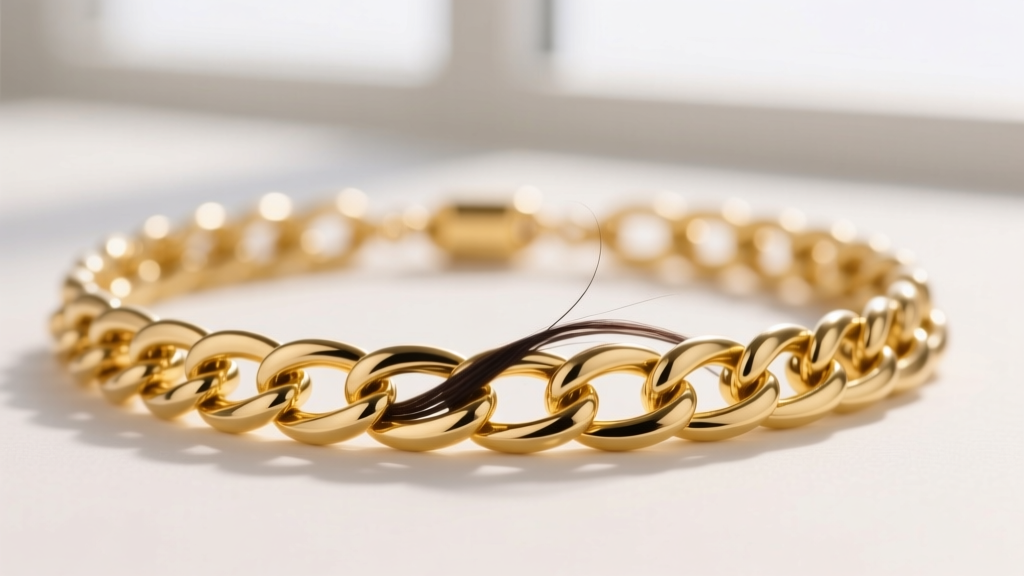
There are few jewelry emergencies as universally frustrating as finding a stubborn strand of hair hopelessly woven into your favorite necklace. Whether it is a delicate 14k gold cable chain or a sterling silver pendant necklace, hair snagging is not just an annoyance; it is a structural threat. Pulling at the hair can easily bend microscopic jump rings, warp soldered links, or snap the chain entirely, turning a quick fix into an expensive trip to the jeweler.
If you are wondering how to get hair out of necklace chain safely, you need to understand the mechanics of your jewelry. This beginner-friendly explainer will walk you through the exact anatomy of chain snagging, the professional-grade extraction method using household items, and the preventative steps you can take to keep your necklaces tangle-free.
Understanding Your Chain's Vulnerability
To safely remove hair, you must first understand why it gets trapped. The average human hair has a diameter of roughly 50 to 70 microns. Many delicate necklace chains, particularly those in the 0.7mm to 0.9mm gauge range, feature micro-gaps between the links that are just wide enough for a hair to slip into, but too tight to easily slide back out. Once the hair wraps around the inner wire of a link, friction and the natural oils from your scalp act like a microscopic anchor.
Not all chains are created equal when it comes to trapping hair. According to structural jewelry design principles, the shape of the link dictates the risk factor.
Chain Link Risk Assessment
| Chain Style | Gap Structure | Hair Trap Risk | Recommended Gauge for Prevention |
|---|---|---|---|
| Cable / Link | Open oval/round gaps | High | 1.2mm or thicker |
| Box | Tight, square interlocking | Low | 0.9mm or thicker |
| Rope | Twisted, multi-layered | Very High | 1.5mm or thicker |
| Snake | Flush, seamless surface | None | Any gauge |
As noted by the Jewelers of America, understanding your specific metal and chain type is crucial before applying any tension or cleaning solutions, as softer metals like high-karat gold or pure silver will warp much faster than platinum or stainless steel.
The 4-Step Safe Extraction Method
Put down the tweezers. Metal tweezers are the enemy of delicate chains; they will scratch your gold plating and crush soft silver links. Instead, follow this professional, non-destructive extraction framework.
Step 1: The Lubrication Phase
Friction is what keeps the hair locked in the link. You need to introduce a safe, jewelry-grade lubricant. Do not use WD-40, harsh chemical solvents, or heavy cooking oils that can turn rancid. Instead, use a single drop of pure jojoba oil or mineral oil. These oils are stable, will not tarnish sterling silver, and are completely safe for 14k and 18k gold.
Expert Warning: If your necklace features a pendant with porous gemstones (like pearls, opals, or turquoise), keep the oil strictly on the metal chain. Porous stones can absorb oils and permanently discolor, a critical care rule emphasized by the Gemological Institute of America (GIA).
Apply the oil directly to the tangled link using a cotton swab or a toothpick. Let it sit for 3 to 5 minutes to penetrate the microscopic gap.
Step 2: The Needle Technique
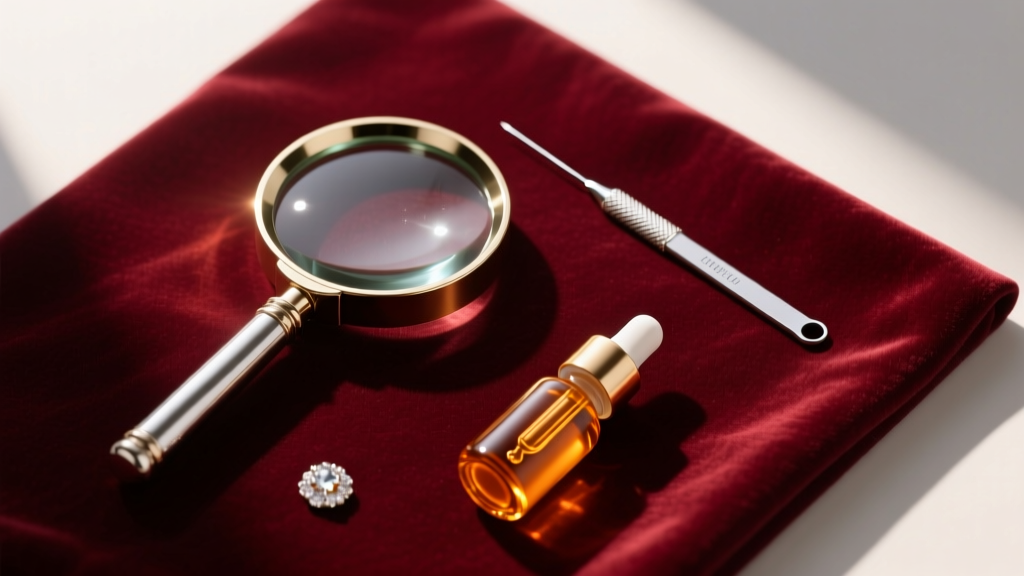
Take a standard, fine-point sewing needle (a size 9 or 10 beading needle works best). Lay the necklace flat on a dark, non-slip surface like a velvet jewelry mat or a dark microfiber cloth. The dark background provides high contrast, allowing you to see the translucent hair against the metal.
Using a 10x jeweler's loupe or your smartphone's macro camera lens, locate the exact point where the hair loops through the link.
Step 3: The Gentle Slide and Unwind
Insert the tip of the needle into the gap alongside the hair. Do not pull the hair. Instead, use the needle to gently push and unspool the hair from the inside of the link outward. Work in the direction of the hair's natural lay. If the hair is knotted around the link, use the needle to loosen the knot's center, creating slack before sliding it through the gap.
Step 4: Degreasing and Polish
Once the hair is removed, the chain will be coated in oil. Create a cleaning bath using lukewarm water and a few drops of mild, phosphate-free dish soap (like Dawn). Submerge the chain for two minutes, then gently agitate it with an extra-soft baby toothbrush. Rinse thoroughly with distilled water to prevent hard water spots, and pat dry with a lint-free microfiber cloth.
What NOT to Do: Common Beginner Mistakes
When panic sets in, people often resort to destructive methods. Avoid these critical errors to preserve the tensile strength of your chain:
- Using Metal Tweezers: Tweezers apply concentrated pressure. A 0.8mm 14k gold cable chain has a tensile strength of roughly 5 to 8 pounds, but crushing a single link with tweezers compromises the structural integrity, dropping the break-point to under 1 pound.
- Pulling the Hair from Both Ends: This creates a "garrote wire" effect. The hair will bite into the soft metal, potentially leaving permanent micro-grooves in the gold or silver.
- Using Scissors: Trying to blindly snip the hair while it is wrapped around a delicate chain almost always results in snipping the jump ring or the link wire itself.
- Applying Acetone or Alcohol: While safe for plain gold, these solvents will strip the rhodium plating off white gold and sterling silver, and will dissolve the adhesive on any glued-in pendant stones.
Preventative Care: Keeping Hair Away From Your Chains
The best way to deal with hair in your necklace chain is to prevent it from getting there in the first place. Prevention comes down to chain selection, clasp management, and wearing habits.
Upgrade Your Gauge Size
If you frequently wear your hair down and suffer from constant tangling, it is time to retire your ultra-fine 0.5mm chains. Upgrading to a chain with a 1.2mm to 1.5mm gauge drastically reduces tangling. Thicker chains have either larger gaps that allow hair to slide right back out, or tighter, heavier interlocking links that do not separate when pulled against the neck.
Check Your Clasp and Jump Rings
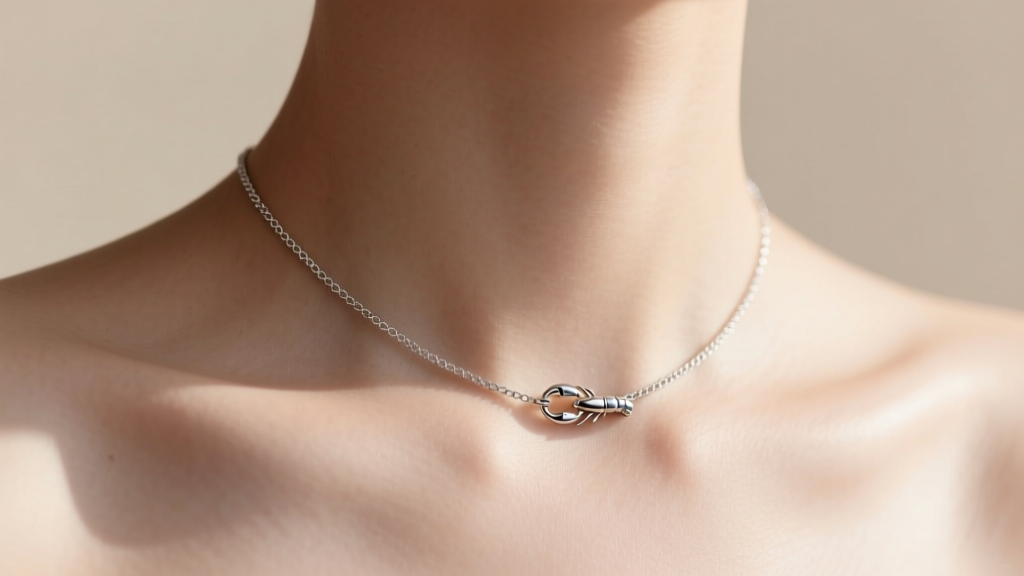
The most common trap for hair is not the chain itself, but the tiny, open jump ring that connects the chain to the lobster clasp. Over time, these jump rings pull slightly apart. Inspect the back of your neck weekly. If you see a gap in the jump ring, take it to a jeweler to have it soldered shut, or replace the standard jump ring with a closed soldered ring and use a slightly larger lobster clasp to hook onto the chain's end link directly.
The Hair Tie Hack for Layering
When layering multiple delicate chains, the friction between the necklaces creates static and lifts the hairs on your neck, weaving them into the metal. If you are wearing delicate chains with long, loose hair, try gathering your hair over one shoulder or using a silk scrunchie to keep the bulk of your hair away from the nape of your neck where the clasps sit.
When to See a Professional Jeweler
Sometimes, the hair is too deeply embedded, or the chain has already suffered damage during the tangling process. You should take your necklace to a professional bench jeweler if:
- The hair is trapped inside a hollow-core chain (like certain tubular rope or herringbone chains), which require specialized ultrasonic vibration to extract debris.
- You notice a link has already been crushed, bent, or pulled into an oval shape.
- The hair is knotted tightly against a soldered pendant bail, risking the detachment of the pendant.
A professional jeweler will use a microscope and specialized titanium picks to remove the hair. If a link is damaged, they can perform a laser weld. Laser welding uses a concentrated beam of light to fuse metal without heating the surrounding links, preserving the integrity of delicate chains. Expect to pay between $35 and $65 for a basic laser solder repair on a delicate gold chain.
Conclusion
Learning how to get hair out of necklace chain safely is an essential skill for any jewelry lover. By relying on lubrication, precision tools like a sewing needle, and a gentle touch, you can rescue your favorite pieces without compromising their delicate metalwork. Remember to assess your chain's gauge and link style, and when in doubt, hand the piece over to a professional bench jeweler to ensure your necklace stays pristine for years to come.


