How to Choose the Perfect Betrothal Necklace: A Step-by-Step Guide
Discover our step-by-step guide to selecting a bespoke betrothal necklace. Learn about metals, gemstone grades, chain lengths, and cultural traditions.

In recent years, the landscape of commitment jewelry has evolved dramatically. While the traditional engagement ring remains a staple, the betrothal necklace has emerged as a deeply meaningful, culturally rich, and highly personalized alternative or companion piece. Whether you are honoring a specific cultural heritage, prioritizing everyday wearability, or simply seeking a unique symbol of your partnership, selecting the right piece requires careful consideration of gemology, metallurgy, and structural design.
This comprehensive, step-by-step guide will walk you through the technical and aesthetic decisions required to commission or purchase a bespoke betrothal necklace in 2026, ensuring it stands the test of time both emotionally and physically.
Step 1: Define the Cultural or Personal Significance
Before selecting metals or stones, establish the narrative behind the piece. Historically, betrothal necklaces have served as vital cultural markers. For instance, the Indian Mangalsutra features black beads and gold to ward off the evil eye, while Eastern European traditions often incorporate intricate beadwork or specific regional gemstones to denote marital status and family lineage.
If you are designing a modern, non-traditional betrothal necklace, consider what the pendant will symbolize. Many couples in 2026 are opting for minimalist geometric pendants that represent unity, or custom-engraved lockets containing a tangible memento. Defining this core purpose will dictate the size, weight, and visual language of the centerpiece.
Step 2: Select the Centerpiece Gemstone
Unlike rings, which are subject to constant impact against hard surfaces, a necklace pendant rests against the chest and is generally shielded from severe knocks. However, the pendulum-like swinging motion of a pendant means the stone can strike zippers, buttons, or collarbones. Therefore, understanding gemstone durability is critical.
According to the GIA Gem Encyclopedia, a stone's hardness (resistance to scratching) and toughness (resistance to chipping or cleavage) are distinct properties. Below is a comparative breakdown of popular center stones for commitment jewelry:
| Gemstone | Mohs Hardness | Cleavage Risk | Avg. Price (1ct VS Grade) |
|---|---|---|---|
| Diamond | 10 | Low (Fair) | $4,500 - $7,000 |
| Sapphire | 9 | None (Excellent) | $1,500 - $3,500 |
| Moissanite | 9.25 | None (Excellent) | $400 - $800 |
| Emerald | 7.5 - 8 | High (Poor) | $2,000 - $5,000 |
Expert Insight: If you choose an emerald for its lush green hue, avoid traditional prong settings. Emeralds possess natural inclusions (known as jardin) and distinct cleavage planes. A bezel setting is mandatory to protect the girdle and corners of an emerald pendant from chipping during daily wear.
Step 3: Choose the Metal and Chain Architecture
The chain is the structural backbone of your betrothal necklace. A heavy pendant on a delicate chain will lead to metal fatigue, stretching, and eventual snapping. Furthermore, the metal alloy must be chosen with skin chemistry and lifestyle in mind.
Metal Alloys and Hypoallergenic Considerations
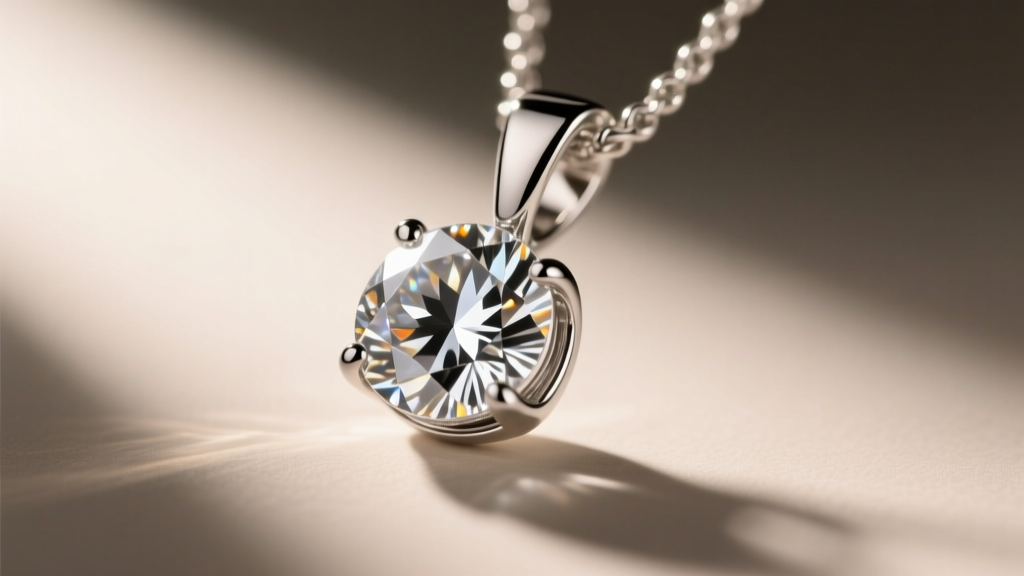
- 950 Platinum: Composed of 95% pure platinum and 5% ruthenium or iridium. It is dense, hypoallergenic, and develops a soft patina over time rather than wearing away. It is the premier choice for securing high-value diamonds or sapphires.
- 18k Yellow Gold: Contains 75% pure gold. It offers a rich, warm hue that complements vintage and heritage-inspired designs. It is softer than 14k gold, making it more prone to micro-scratches, but highly prized for its color.
- 14k or 18k White Gold: Alloyed with metals like nickel, palladium, or silver, and plated with rhodium. If your partner has a nickel allergy, you must explicitly request a nickel-free white gold alloy (palladium-based) or opt for platinum.
Chain Weaves and Clasp Security
For pendants weighing over 5 grams, avoid standard cable or snake chains, which are prone to kinking and snapping under dynamic stress. Instead, opt for a Wheat (Spiga) chain or a Box chain. Wheat chains feature interlocking oval links woven in the same direction, offering exceptional tensile strength and a fluid drape.
Never use a spring-ring clasp for a valuable betrothal necklace; the internal spring mechanism is a common failure point. Always upgrade to a lobster clasp or a fold-over safety clasp to ensure the piece remains secure.
Step 4: Determine Length, Bail Mechanics, and Layering
The placement of the pendant on the chest alters its visual impact and how it interacts with clothing. Furthermore, the bail—the component that connects the pendant to the chain—requires specific engineering.
Standard Necklace Lengths
- 16 Inches (Choker/Collar): Sits tightly at the base of the neck. Best for lightweight, minimalist pendants and open-neckline garments.
- 18 Inches (Princess): The industry standard for pendant necklaces. It rests elegantly on the collarbone, making it the most versatile length for a betrothal necklace.
- 20 to 24 Inches (Matinee): Falls on the upper chest. Ideal for larger, heavier statement pieces or for layering over winter clothing and turtlenecks.
The Importance of Bail Engineering
A poorly designed bail will cause the pendant to flip upside down constantly. For a flat-backed pendant, a soldered fixed bail ensures the stone always faces forward. If you are designing a three-dimensional piece, a hidden bail (where the chain threads directly through a hole in the top of the pendant) provides a seamless, modern look while keeping the center of gravity balanced. As noted by Jewelers of America, ensuring the bail's inner diameter is at least 1.5mm larger than the chain's width prevents metal-on-metal friction and premature wear.
Step 5: Sizing, Fitting, and the Presentation
Unlike rings, which require precise millimeter sizing, necklaces offer more forgiving dimensions. However, getting the exact length right is crucial for comfort. To determine the ideal length secretly, borrow an existing necklace your partner wears frequently, lay it flat on a table, and measure it from the end of the clasp to the tip of the jump ring.
When it comes to the presentation, a betrothal necklace offers unique gifting opportunities. Because it does not involve the public spectacle of a ring proposal, many couples choose to gift the necklace during an intimate, private moment—perhaps while fastening it around their partner's neck before a significant anniversary dinner or a quiet weekend getaway.
Final Care and Maintenance Checklist
To ensure the necklace remains a lifelong heirloom, establish a maintenance routine:
- Annual Prong and Bail Check: Have a jeweler inspect the bail loop and any prongs under 10x magnification for microscopic metal fatigue.
- Ultrasonic Cleaning Warnings: Never put emeralds, opals, or fracture-filled diamonds in an ultrasonic cleaner. Stick to warm water, mild dish soap, and a soft baby toothbrush for safe at-home cleaning.
- Storage: Store the necklace laid flat or hanging vertically. Coiling chains tightly in a jewelry box causes micro-kinks that weaken the links over time.
Choosing a betrothal necklace is an exercise in balancing emotional symbolism with material science. By carefully selecting a durable gemstone, pairing it with a structurally sound chain and bail, and honoring the personal narrative behind the piece, you create a commitment marker that is as resilient and unique as the partnership it represents.


