How to Style and Measure a 20.0 Inches Necklace Perfectly
Learn how to measure, style, and layer a 20.0 inches necklace. Our step-by-step guide covers neckline pairings, pendant drops, and chain gauges.

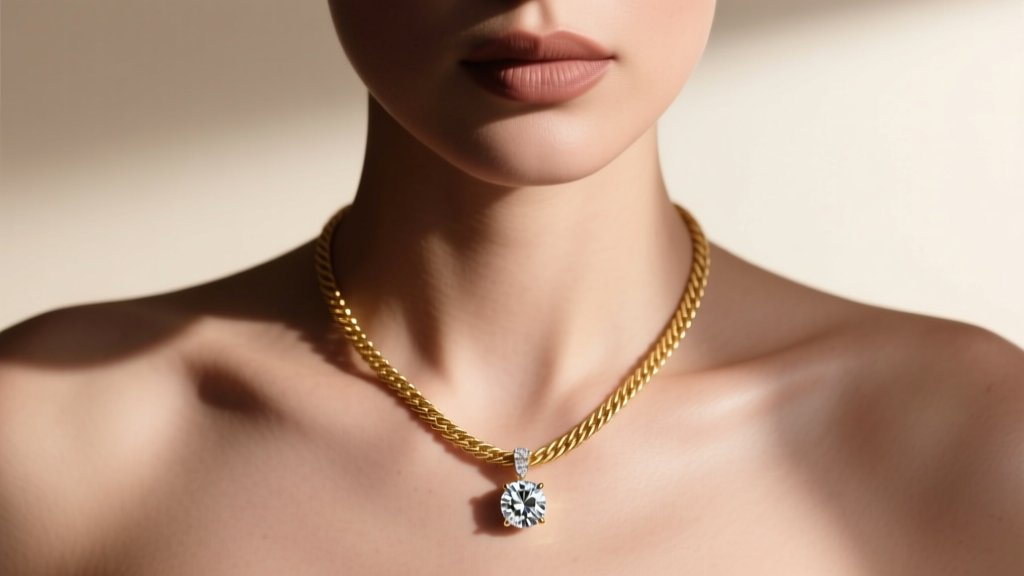
When it comes to versatile jewelry, the 20.0 inches necklace occupies a highly coveted 'Goldilocks' zone in the world of fine accessories. It is neither a choking collar nor a plunging opera-length chain. Instead, it rests elegantly on the upper chest, providing a perfect canvas for pendants, layering, and everyday wear. However, mastering this specific length requires an understanding of body proportions, neckline geometry, and chain tensile strength. In this comprehensive step-by-step guide, we will break down exactly how to measure, style, and maximize your 20.0-inch chain for any occasion.
Understanding the 20.0 Inches Necklace Drop
The standard jewelry industry classifies a 20-inch chain as falling just below the collarbone, typically resting on the upper sternum. However, the exact drop depends heavily on the wearer's neck circumference and torso proportions. For a wearer with a 14-inch neck circumference, a 20.0 inches necklace will drop approximately 3 inches below the base of the neck, landing firmly on the upper chest. For someone with a 16-inch neck, the chain will rest closer to the collarbone. Understanding this variance is critical when selecting pendants, as the visual weight of the jewelry shifts depending on where it anchors on the body.
Step-by-Step: How to Accurately Measure Your Chain
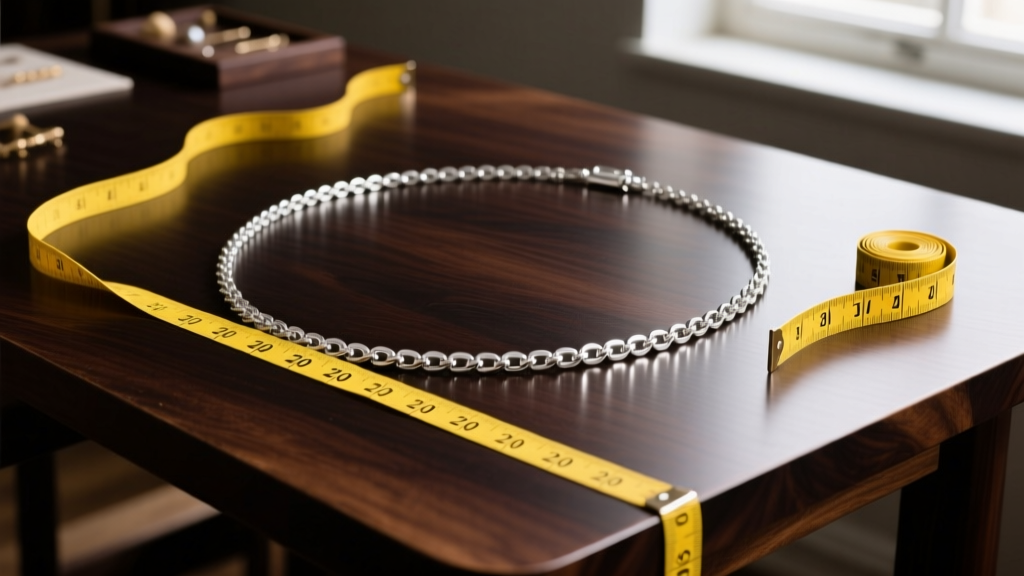
One of the most common mistakes consumers make is measuring only the chain links and ignoring the clasp hardware. A true 20.0 inches necklace must measure exactly 20 inches from the very tip of the jump ring to the very end of the clasp. Follow these steps to verify your chain's length:
- Unclasp and Lay Flat: Unfasten the necklace and lay it completely straight on a flat, non-snag surface like a glass table or a jeweler's mat.
- Include the Hardware: Ensure the lobster claw, spring ring, or toggle clasp is fully extended and included in your measurement.
- Use a Flexible Tape: Use a soft tailor's measuring tape. Rigid metal rulers can push the chain links out of their natural alignment, resulting in a false reading of up to 0.25 inches.
- Account for Chain Weave: If you are measuring a thick rope or Cuban link chain, pull it taut but do not stretch it. The interlocking links can compress, altering the perceived length.
Neckline Pairing Matrix: Where the 20-Inch Length Shines
Styling a 20.0 inches necklace requires coordinating the metal drop with the fabric lines of your clothing. Because this length sits just below the standard crew neck collar (which typically rests at 16 to 17 inches), it acts as a natural frame for the face without competing with high necklines. Below is a data-driven pairing matrix to help you match your chain with the right garments.
| Neckline Type | Visual Interaction | Styling Recommendation |
|---|---|---|
| Crew Neck | Chain rests 2-3 inches below the fabric collar. | Ideal for daily wear. Use a 1.5mm cable chain with a small solitaire pendant to avoid a cluttered look. |
| V-Neck | Chain parallels the fabric plunge but sits higher. | Choose a Y-drop or lariat pendant to mimic the V-shape of the shirt, elongating the neck. |
| Scoop Neck | Chain may overlap or sit just inside the fabric line. | Opt for a thicker, standalone chain (like a 3.0mm Figaro) without a pendant to prevent tangling with the hem. |
| Button-Down | Chain sits perfectly in the 'open collar' triangle. | Layer a 20-inch chain with a 16-inch choker. Leave the top two shirt buttons undone for a relaxed aesthetic. |
Choosing the Right Pendant Proportions
Because a 20.0 inches necklace draws the eye directly to the center of the upper chest, the pendant you choose must be scaled appropriately. A pendant that is too small (under 10mm) will look lost against the expanse of the chest, while a pendant that is too heavy (over 40mm) will pull the chain forward, creating an awkward, bottom-heavy drape.
Bail Sizing and Chain Width Compatibility
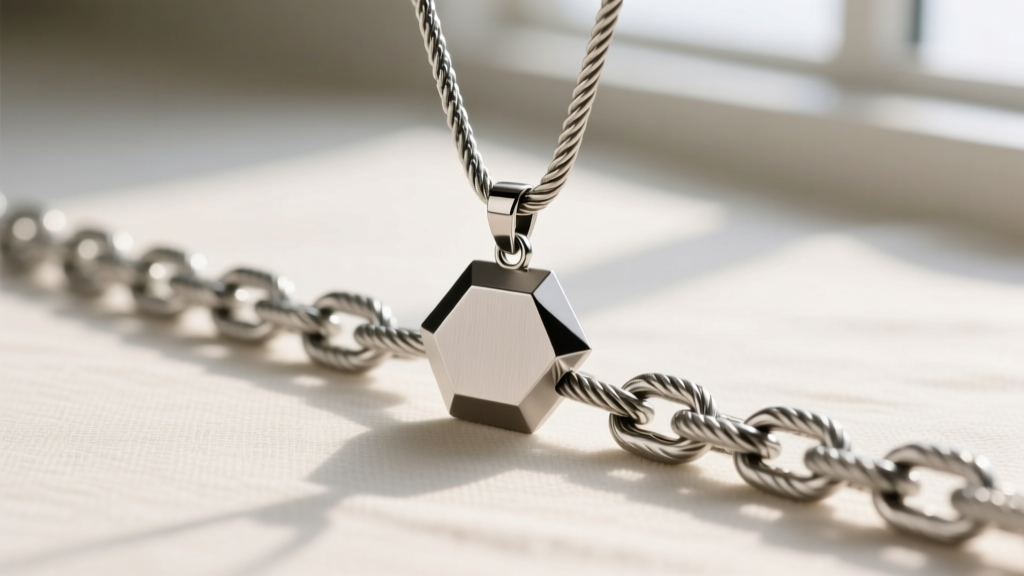
The bail—the loop that connects the pendant to the chain—must be proportionate to the chain's gauge. According to manufacturing guidelines from Rio Grande Jewelry Supply, a chain should never exceed two-thirds the width of the bail's interior diameter to ensure smooth movement and prevent metal-on-metal friction wear. For a standard 20-inch chain, a 1.2mm to 2.0mm width is optimal for holding pendants weighing between 3 and 8 grams.
Material Grades and Tensile Strength for Daily Wear
The 20-inch length is highly susceptible to snagging on door handles, steering wheels, and bag straps simply because of where it rests on the body. Therefore, selecting a material with high tensile strength is paramount. The GIA Gem Encyclopedia notes that metal hardness and alloy composition drastically affect a chain's lifespan.
- 14K Gold (58.5% purity): The industry standard for daily wear. The alloy mix (usually copper and silver) provides enough rigidity to prevent a 1.5mm cable chain from stretching under a 5-gram pendant.
- 18K Gold (75% purity): Softer and more prone to micro-stretching over time. If choosing 18K for a 20.0 inches necklace, opt for a box or wheat weave, which distributes tension more evenly than a standard cable link.
- Platinum (95% purity): Extremely dense and durable. A 1.0mm platinum chain can hold the same weight as a 2.0mm gold chain, making it perfect for heavy diamond solitaires resting on the sternum.
- Surgical Stainless Steel (316L): Highly resistant to tarnish and corrosion. Excellent for thicker, heavier 20-inch chains (4.0mm+) worn as standalone statement pieces without pendants.
Layering Techniques: Anchoring with 20 Inches
If you are building a layered necklace stack, the 20.0 inches necklace serves as the critical middle anchor. The golden rule of layering is maintaining a minimum 4-inch gap between chains to prevent the clasps and links from tangling and abrading one another. Start with a 16-inch choker or collar, add your 20-inch chain (ideally featuring the heaviest or most prominent pendant), and finish with a 24-inch matinee chain. This staggered approach ensures that each piece occupies its own visual tier, allowing the 20-inch chain to act as the focal point of the arrangement without creating a cluttered, chaotic neckline.


