How to Style a Black Dress Pearl Necklace: A Step-by-Step Guide
Master the art of pairing pearls with a little black dress. Follow our step-by-step guide on lengths, overtones, layering, and hardware.

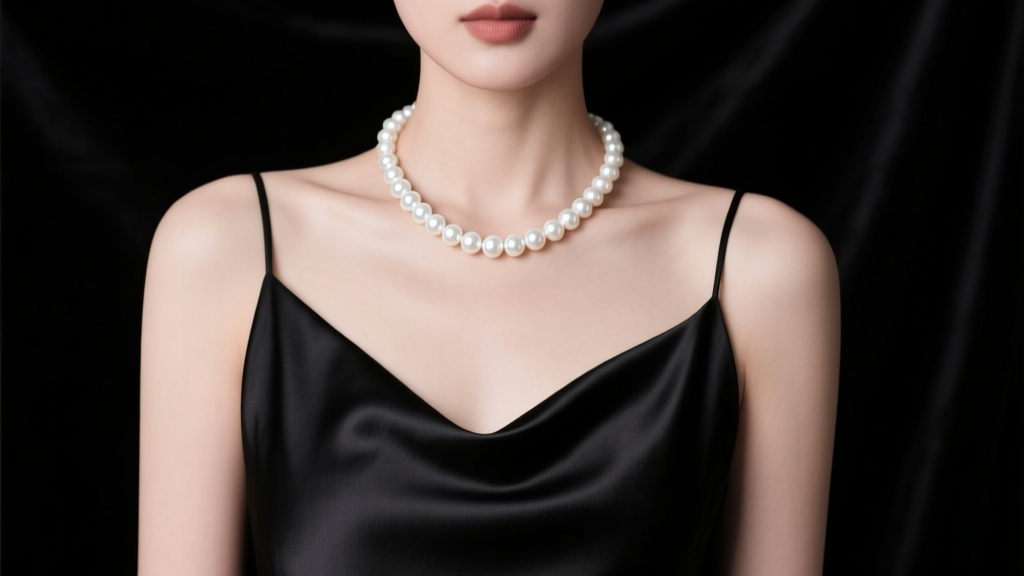
The pairing of a little black dress (LBD) and pearls is a sartorial staple, yet achieving a modern, flawless look requires more than simply grabbing the first strand you find. The interplay between the deep, light-absorbing nature of black fabric and the luminous, light-reflecting surface of a pearl demands careful consideration of length, overtone, and hardware. Whether you are dressing for a corporate gala, a cocktail party, or an intimate dinner, this step-by-step guide will show you exactly how to curate and style the perfect black dress pearl necklace.
The Anatomy of the Perfect Pearl Match
Before selecting a length, you must understand how different pearl varieties interact with black textiles. Black fabric acts as a high-contrast canvas, meaning any surface imperfections or variations in luster will be immediately magnified. According to the Gemological Institute of America (GIA), luster is the most critical quality factor for pearls. When styling an LBD, prioritize mirror-like luster over sheer size.
- Akoya Pearls (7mm - 9mm): The gold standard for classic elegance. Their sharp, mirror-like luster cuts through the visual weight of black crepe or silk.
- Freshwater Pearls (8mm - 12mm): Offer a softer, satin-like luster. Best for matte black fabrics like cotton or wool blends where a blinding shine might look discordant.
- Tahitian Pearls (9mm - 14mm): Naturally dark with peacock or aubergine overtones. These create a moody, monochromatic, and highly modern aesthetic against black velvet or satin.
Step 1: Match the Pearl Length to Your Dress Neckline
The neckline of your black dress dictates the optimal pearl length. A mismatch can visually truncate the neck or clash with the garment's structural lines. Use the following framework to align your necklace with your dress architecture.
| Dress Neckline | Optimal Pearl Length | Style Notes & Visual Effect |
|---|---|---|
| Sweetheart / Strapless | 16" (Choker) or 18" (Princess) | Frames the collarbone and fills the negative space without overwhelming the bodice. |
| Plunging V-Neck | 20" - 24" (Matinee) | Mirrors the V-shape, drawing the eye downward and elongating the torso. |
| Halter / High Neck | 28" - 34" (Opera) | Worn long or doubled. Prevents the neck area from looking cluttered and adds verticality. |
| Asymmetrical / One-Shoulder | 18" (Princess) with asymmetric clasp | Provides a grounding horizontal line that balances the diagonal slash of the fabric. |
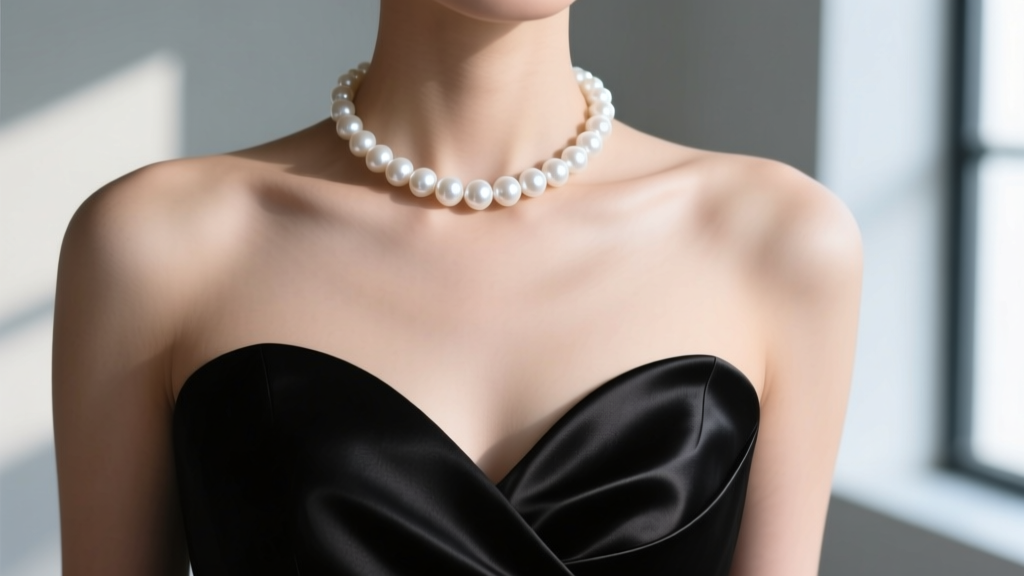
Step 2: Selecting the Right Overtone for Black Fabric
Pearls are rarely pure white; they possess secondary colors known as overtones. When placed against a black dress, the overtone dictates the temperature and mood of your entire outfit.
The Black Fabric Contrast Test
Rosé Overtone: This is the most universally flattering choice for black dresses. The subtle pinkish-red hue adds warmth to the skin and prevents the stark white of the pearl from looking clinical or severe against the black fabric. It is particularly effective under warm, dim restaurant or event lighting.
Silver Overtone: Creates a sharp, icy contrast. This works exceptionally well if your black dress has cool undertones (like a black-navy blend) or if you are pairing the necklace with white gold or platinum hardware. However, under fluorescent lighting, silver overtones on black can sometimes appear washed out.
Peacock Overtone (Tahitian): If you opt for dark Tahitian pearls, the green-purple peacock overtone will shimmer against black silk, creating a rich, jewel-toned effect that is highly sophisticated for evening wear.
Step 3: Modern Layering Techniques for the LBD
The single-strand pearl necklace is timeless, but modern styling often involves strategic layering to add dimension to a minimalist black dress. The key to successful layering is varying the texture and metal weight.
The Pearl and Chain Formula
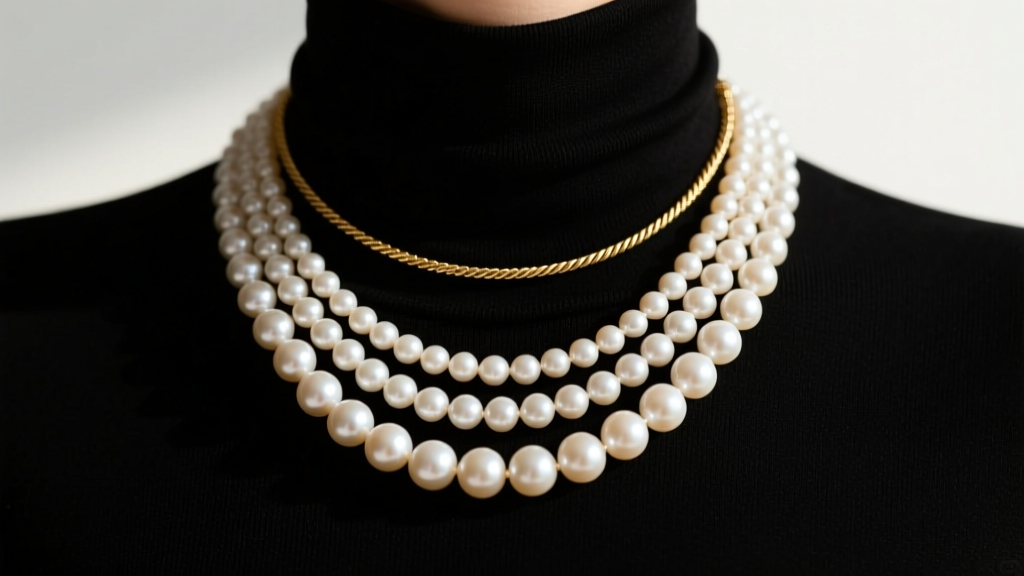
To layer a pearl strand with a metal chain without causing tangling or friction damage to the pearl nacre, follow these exact specifications:
- The Base Layer: Start with a 16-inch, 7mm Akoya pearl strand.
- The Secondary Chain: Select a 14k or 18k gold rope or cable chain, exactly 1.2mm to 1.5mm in thickness. Avoid box chains or snake chains, as their sharp edges can micro-abrade the pearl's surface over time.
- The Length Gap: Ensure there is a minimum 2-inch drop between the pearl strand and the metal chain (e.g., a 16-inch pearl strand paired with an 18.5-inch gold chain). This gap prevents the metal clasp from striking the pearls.
- The Focal Point: Add a solitary gold pendant or a single diamond solitaire (0.25ct - 0.50ct) to the longer chain to create a deliberate, staggered focal point against the black bodice.
Step 4: Clasp Selection and Hardware Maintenance
The hardware on your black dress pearl necklace is not just a functional component; it is a critical aesthetic and safety element. Black fabrics, particularly silk and synthetics, generate static and can easily catch on poorly designed clasps.
Avoid Spring Ring Clasps: These are difficult to manipulate and often feature a tiny, protruding lever that will snag delicate black lace or silk threads.
Opt for the Diamond-Cut Lobster Clasp: A 10mm or 12mm 14k gold lobster clasp provides a secure closure and a smooth profile. Alternatively, a traditional pearl safety clasp (fishhook clasp) offers the sleekest silhouette, virtually disappearing into the strand.
Knotting Intervals: Ensure your pearls are knotted on silk thread with a knot between every single pearl. According to the GIA's pearl care guidelines, silk stretches over time. If the necklace is worn frequently with heavy winter black dresses (where scarves or coats might pull on the strand), annual restringing is recommended to prevent catastrophic breakage.
Troubleshooting Common Pearl-on-Black Issues
Even perfectly selected pearls can present styling challenges when paired with dark garments. Here is how to troubleshoot the most common issues:
- Static Cling: Black synthetic dresses (like polyester crepe) generate static electricity, causing lightweight pearl strands to stick awkwardly to the fabric. Fix: Apply an anti-static spray to the interior of the dress, never directly on the pearls. Alternatively, upgrade to heavier 10mm+ South Sea pearls, which possess enough mass to drape properly despite static.
- Dye Transfer: Some black fabrics, especially when damp from humidity or rain, can leach dye onto the porous surface of pearls. Fix: Always apply perfumes and hairsprays before putting on the necklace, and wipe the pearls with a dry, lint-free microfiber cloth immediately after removing them.
- Visual Disappearance: Small, low-luster pearls (under 6mm) can visually dissolve against a textured black fabric like velvet or heavy wool. Fix: Scale up to a minimum of 8.5mm for textured fabrics to maintain the necessary contrast and presence.
Quick Reference: Black Dress Pearl Necklace Cheat Sheet
Keep this rapid-fire checklist in mind when getting ready for your next event:
- Classic Cocktail: 18" Princess length, 7.5mm Akoya, Rosé overtone, white gold clasp.
- Black-Tie Gala: 16" Choker length, 9mm Hanadama Akoya, silver overtone, diamond-studded clasp.
- Modern Minimalist: 24" Matinee length, 10mm baroque Freshwater, no knots (for a fluid drape), 14k yellow gold accents.
- Moody Evening: 18" Princess length, 11mm Tahitian, peacock overtone, black rhodium-plated hardware.
By treating your black dress pearl necklace as a calculated design choice rather than an afterthought, you elevate a classic combination into a masterclass of modern styling. Pay attention to the millimeter size, the exact overtone, and the structural lines of your dress, and your jewelry will always complement, never compete.


