The Ultimate Guide to Wearing an Italian Pepper Necklace
Learn how to choose, style, and wear an Italian pepper necklace. Discover material grades, chain pairings, and cultural significance in this guide.

The Roots of the Peperoncino and Cornicello
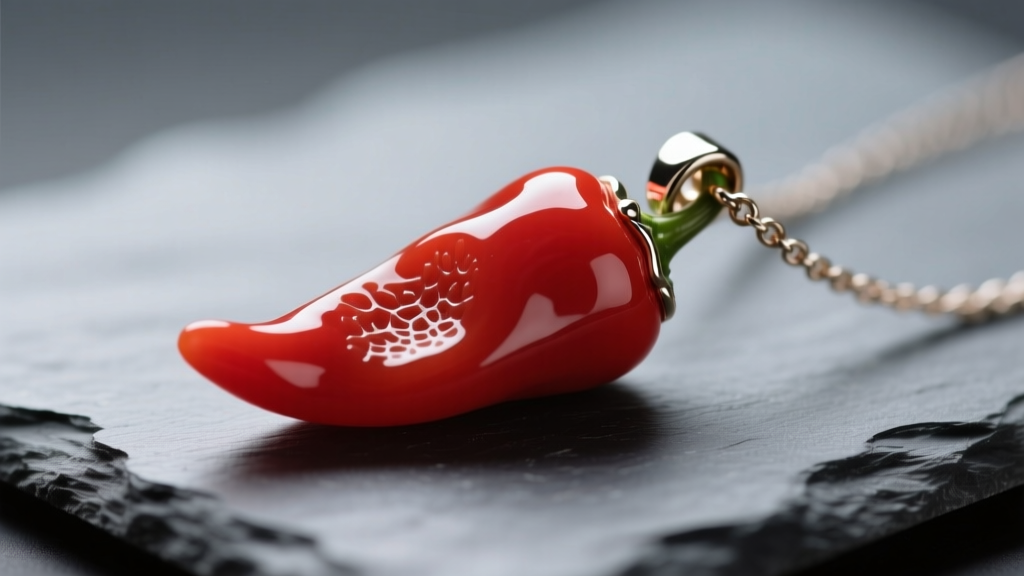
When discussing the Italian pepper necklace, it is essential to first distinguish between the two primary talismans it refers to: the peperoncino (the chili pepper) and the cornicello (the twisted horn). Both are deeply rooted in Southern Italian folklore, specifically within Neapolitan and Calabrian traditions, serving as apotropaic amulets designed to ward off the malocchio (the evil eye). While the horn shape dates back to ancient pagan fertility rituals, the chili pepper shape was adopted in the 16th and 17th centuries after the Capsicum plant was introduced to Italy from the Americas. The bright red color and phallic shape of the pepper were believed to mimic the protective qualities of the older horn amulets while symbolizing earth, vitality, and prosperity.
As we navigate the jewelry landscape of 2026, there has been a massive resurgence in heritage-rich, meaningful talismans. Wearing an Italian pepper necklace is no longer just a nod to ancestry; it is a sophisticated style statement that bridges ancient protection with modern minimalist and layered aesthetics. However, choosing the right piece requires a deep understanding of materials, hardware weight limits, and cultural respect.
Step 1: Selecting the Right Material and Grade
The efficacy, durability, and price of your Italian pepper pendant depend entirely on its material composition. Historically, these amulets were carved from red coral, but today they are crafted from a variety of mediums. Below is a decision matrix to help you select the right material for your lifestyle and budget.
| Material | Mohs Hardness | Hallmarks & Identifiers | 2026 Price Range |
|---|---|---|---|
| Mediterranean Red Coral | 3.5 - 4.0 | Natural pores, warm to touch, no mold lines | $150 - $850+ |
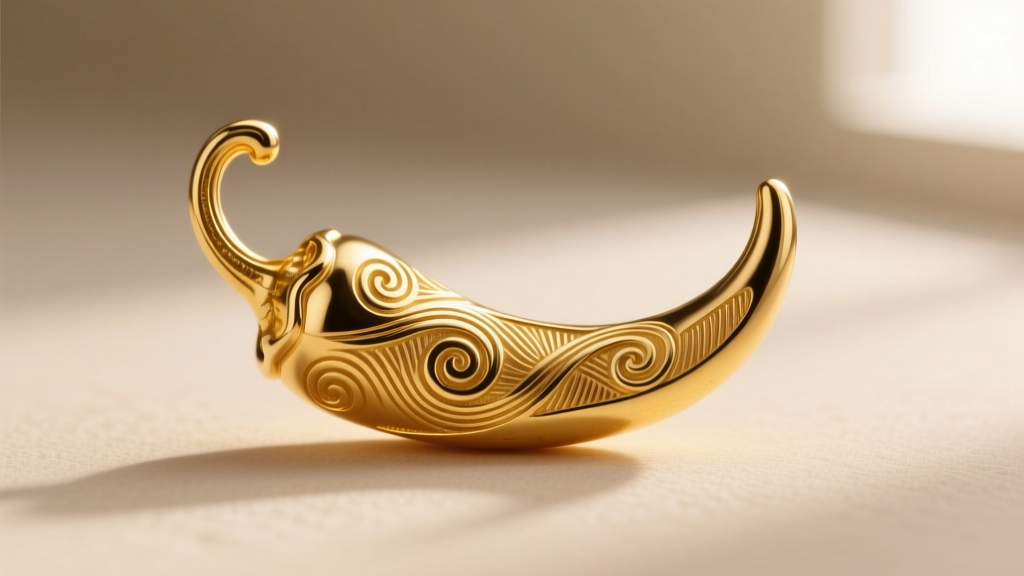
| 18k Yellow Gold | 2.5 - 3.0 | '750' stamp, rich hue, heavy gram weight | $450 - $1,400 |
| Sterling Silver | 2.5 - 3.0 | '925' stamp, often rhodium-plated | $45 - $180 |
| Murano Glass | 5.5 - 6.0 | Millefiori patterns, pontil mark on base | $60 - $250 |
Expert Insight: If you opt for red coral (Corallium rubrum), ensure it is sourced from reputable dealers in Torre del Greco, the historic coral-crafting capital of Italy. According to the Gemological Institute of America (GIA), genuine red coral will feel warm to the touch and exhibit natural growth striations, whereas dyed howlite or plastic imitations will feel unnaturally cold or display perfectly uniform coloring.
Step 2: Matching the Chain to the Pendant Weight
A frequent failure point in wearing an Italian pepper necklace is pairing a heavy pendant with an inadequate chain. A solid, 35mm carved red coral pepper can weigh between 4 to 7 grams. If you hang this on a standard 1.0mm cable chain, the links will eventually stretch, and the chain will snap at the clasp or bail.
The Chain Pairing Framework
- For Solid Coral or 18k Gold Peppers (4g - 10g): Use a 2.5mm to 3.5mm Box, Wheat, or Rope chain. These weaves distribute weight evenly and resist kinking.
- For Hollow Gold or Sterling Silver Peppers (1g - 3g): A 1.5mm to 2.0mm Figaro or Curb chain provides enough structural integrity without overpowering the delicate pendant.
- For Murano Glass Peppers: Glass is brittle. Avoid heavy chains that could cause the glass to swing and crack against hard surfaces. A lightweight 1.2mm Snake chain or a black leather cord (2mm) is ideal.
Always check the bail (the loop connecting the pendant to the chain). A high-quality Italian pepper necklace will feature a soldered, seamless bail. If the bail is a simple bent wire with a visible gap, it will eventually pull apart under the pendulum motion of daily wear.
Step 3: Length and Layering Formulas for 2026
Styling an Italian pepper necklace requires balancing its bold, organic shape with complementary pieces. The traditional way to wear the peperoncino is close to the heart, but modern layering techniques allow for more versatility.
The Rule of Thirds Layering Technique
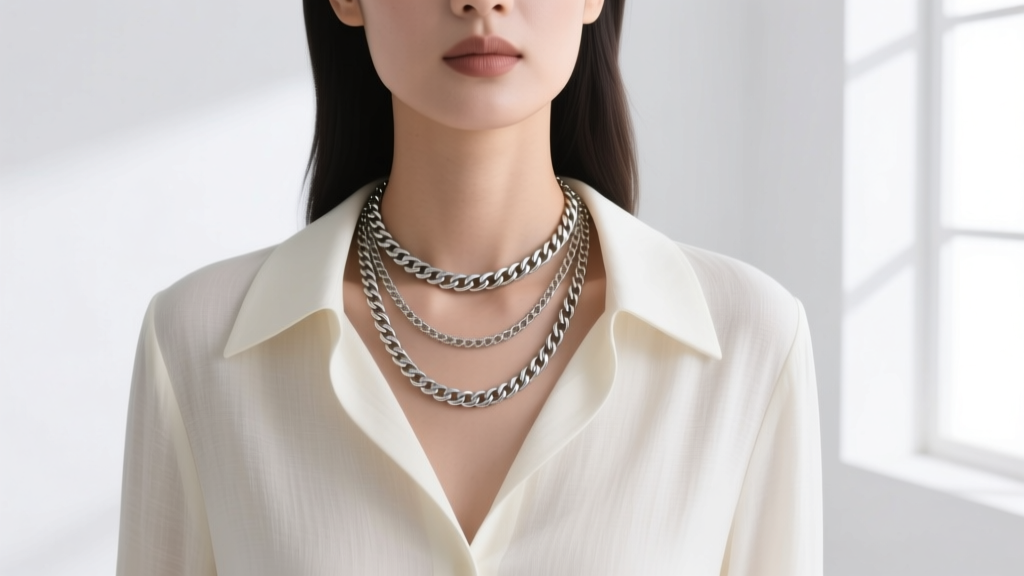
To create a visually balanced neckline, separate your chains by at least two inches to prevent tangling and ensure each piece is visible.
- The Anchor (16 inches): Start with a simple, minimalist choker. A 1.5mm sterling silver herringbone chain or a delicate gold bead chain sits perfectly at the base of the neck.
- The Focal Point (18 to 20 inches): This is where your Italian pepper necklace lives. An 18-inch length places the pepper right at the collarbone, ideal for crew necks and casual wear. A 20-inch length drops it to the upper chest, perfect for V-necks and button-down shirts.
- The Elongator (24 inches): Finish with a longer, lightweight lariat or a simple pendant (like a small gold disc or a solitary pearl) to draw the eye downward and elongate the torso.
Step 4: Proper Maintenance and Energetic Cleansing
Because the Italian pepper is an amulet, many wearers believe it absorbs negative energy, requiring regular energetic cleansing. From a purely physical standpoint, the materials also require specific chemical care to prevent degradation.
Physical Care by Material
Red coral is composed of calcium carbonate, making it highly susceptible to acids. Human sweat, perfumes, and hairsprays can slowly dissolve the polish, leaving the coral dull and pitted. The Metropolitan Museum of Art notes that historical organic amulets require strict climate and chemical control to preserve their integrity. For your modern coral pepper:
- Never use ultrasonic cleaners or steamers.
- Never use commercial silver dips or ammonia-based jewelry cleaners.
- Do wipe the coral gently with a damp, lint-free microfiber cloth after every wear to remove acidic skin oils.
- Do apply your perfumes and lotions at least 15 minutes before putting on your necklace.
Energetic Cleansing Rituals
If you subscribe to the cultural traditions surrounding the malocchio, the amulet should be cleansed of absorbed negativity. Avoid smudging with heavy sage smoke if your piece contains porous coral or untreated silver, as the particulates can become trapped in the microscopic surface fissures. Instead, place the necklace on a windowsill during a full moon, or rest it on a bed of dry sea salt (ensuring the salt does not directly touch porous coral or silver, which can cause scratching and tarnishing). Use a small glass bowl to separate the salt from the jewelry.
Final Thoughts on Wearing Your Talisman
An Italian pepper necklace is far more than a trendy accessory; it is a wearable piece of Mediterranean history. By carefully selecting the appropriate material grade, matching the pendant weight to a structurally sound chain, and adhering to strict maintenance protocols, you ensure that your peperoncino remains both a powerful protective talisman and a stunning sartorial centerpiece for decades to come. Whether you choose the deep, oceanic red of Torre del Greco coral or the brilliant shine of 18-karat gold, wear it with intention and respect for the centuries of craftsmanship it represents.


