How to Choose and Style a Meaningful Jewish Chai Necklace
Discover how to choose, style, and care for a Jewish Chai necklace. Our step-by-step guide covers materials, chain pairings, and neckline matching.

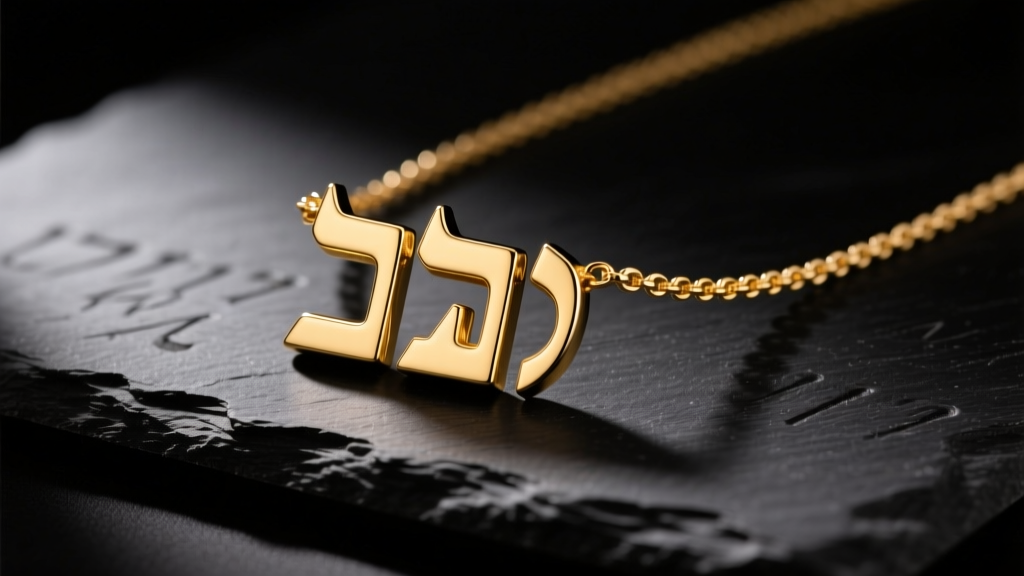
The Cultural and Structural Anatomy of the Chai Pendant
The Chai pendant serves as both a profound declaration of faith and a versatile anchor in a curated jewelry stack. In Hebrew, the word "Chai" translates to "life," and its cultural weight extends far beyond its visual appeal. According to the Jewish mystical tradition of Gematria, the numerical value of the two Hebrew letters that spell Chai—Chet (ח) and Yud (י)—adds up to 18. This is why the number 18 is considered deeply auspicious in Jewish culture, often dictating the carat weight of diamonds or the exact gram weight of gold used in premium Chai jewelry, as noted by My Jewish Learning.
When evaluating a Jewish Chai necklace, structural proportion is your first metric of quality. A masterfully crafted pendant will feature a balanced kerning between the Chet and the Yud. The Chet, being the wider and more complex letter, should not visually overpower the slender Yud. Furthermore, the bail (the loop that connects the pendant to the chain) should be seamlessly integrated—either hidden behind the letters for a "floating" illusion or soldered securely to the top right edge of the Chet to maintain the pendant's horizontal equilibrium against the collarbone.
Step 1: Selecting the Right Metal and Material Grade
The longevity and skin-compatibility of your Jewish Chai necklace depend entirely on the metallurgical grade. Because the Chai is often worn daily as a talisman, the metal must withstand constant friction, exposure to cosmetics, and environmental humidity. The Federal Trade Commission (FTC) strictly regulates gold stamping, ensuring that a 14k mark guarantees 585 parts per thousand of pure gold. Here is how the most common metals perform for daily-wear Chai pendants:
| Metal Grade | Purity & Composition | Durability & Wear | Average Price Range (Pendant Only) |
|---|---|---|---|
| 925 Sterling Silver | 92.5% Silver, 7.5% Copper | Prone to oxidation/tarnish; requires weekly polishing. | $45 – $130 |
| 10k Yellow Gold | 41.7% Gold, 58.3% Alloys | Highly scratch-resistant; slightly paler yellow hue. | $110 – $220 |
| 14k Yellow Gold | 58.5% Gold, 41.5% Alloys | The industry standard for daily wear; rich color, excellent tensile strength. | $250 – $650 |
| 18k Yellow Gold | 75% Gold, 25% Alloys | Deep, warm luster; softer metal, prone to micro-scratches over time. | $450 – $1,200+ |
| Platinum (950) | 95% Platinum, 5% Ruthenium | Hypoallergenic, incredibly dense; develops a patina rather than scratching. | $800 – $2,500+ |
Expert Recommendation: For a Jewish Chai necklace intended for 24/7 wear, 14k gold offers the optimal intersection of rich color, structural integrity, and long-term value retention. If you opt for sterling silver, ensure it features a rhodium plating to delay tarnishing.
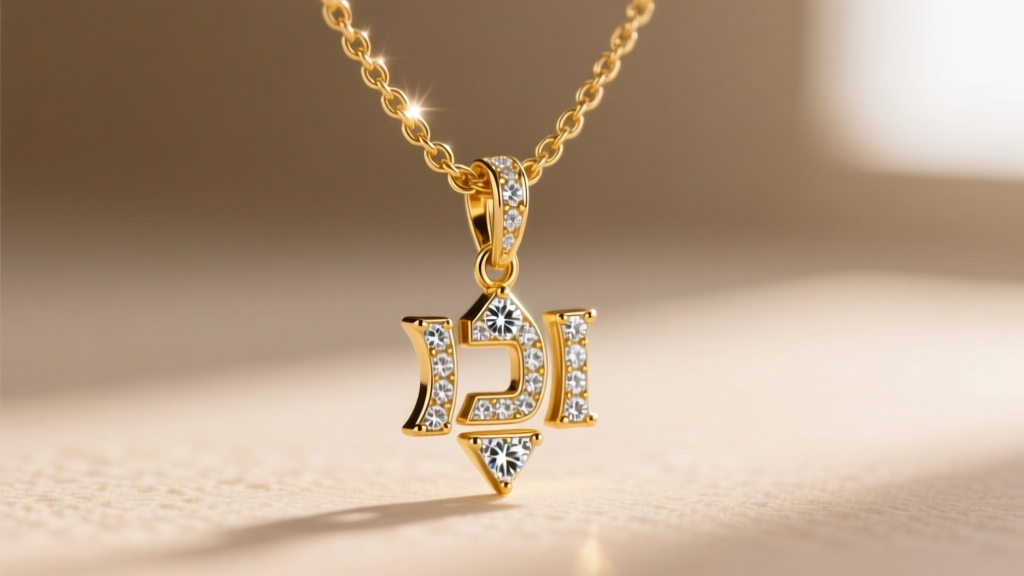
Step 2: Pairing the Pendant with the Ideal Chain
A common failure point in pendant necklaces is a mismatched chain. The chain must support the weight of the Chai without stretching, while the bail must accommodate the chain's gauge. Most standard Chai pendants feature a bail with an inner diameter of 3.0mm to 5.0mm.
The Best Chain Styles for Chai Pendants
- Box Chains (1.0mm - 1.5mm): The geometric links distribute weight evenly, making them highly resistant to snapping. They provide a modern, reflective backdrop that complements the sharp angles of the Hebrew letters.
- Rope Chains (1.5mm - 2.5mm): The twisted links offer a vintage, textured look that pairs beautifully with heavier, solid gold Chai pendants. However, they can trap skin oils and require ultrasonic cleaning.
- Cable Chains (1.2mm): A timeless, minimalist choice. Ensure the links are soldered shut; unsoldered cable links will easily pull apart under the pendulum motion of a heavy pendant.
Chains to Avoid: Snake chains and omega chains. While sleek, their interlocking plate structures are highly susceptible to kinking. Once a snake chain kinks, the structural integrity is permanently compromised, and it will eventually snap under the weight of a gold Chai pendant.
Matching Chain Length to Neckline and Occasion
- 16 Inches (Choker/Collarbone): Ideal for crew necks, boat necks, and casual t-shirts. Keeps the Chai pendant visible and close to the pulse point.
- 18 Inches (Standard Princess): The most versatile length. Rests perfectly on the collarbone and frames the face. Pairs flawlessly with V-necks and open-collared button-downs.
- 20 to 24 Inches (Matinee/Opera): Best reserved for larger, heavier Chai medallions worn over sweaters, turtlenecks, or modest high-neckline garments.
Step 3: Layering Your Chai Necklace Without Clutter
Layering a Jewish Chai necklace requires a strategic approach to spacing and texture to prevent the pieces from tangling and to ensure the sacred symbol remains the focal point. The golden rule of pendant layering is the Two-Inch Drop.
"When stacking necklaces, maintain a minimum two-inch difference in chain length between each piece. This prevents the bails from interlocking and ensures each pendant catches the light independently."
Layering Framework:
- The Anchor (16"): Start with a delicate 1.0mm cable chain featuring a tiny bezel-set diamond or a minimalist gold dot. This draws the eye upward.
- The Focal Point (18"): Your 14k gold Jewish Chai necklace sits here. Use a slightly thicker chain (1.2mm box chain) to give it visual weight and structural dominance.
- The Texture (20"): Finish with a longer, textured chain—such as a 2.0mm rope chain or a paperclip link chain—left bare without a pendant to frame the bottom of the stack.
If you are mixing metals, ensure the Chai pendant acts as the bridge. For example, a two-tone Chai pendant featuring a yellow gold body with white gold letter inlays allows you to seamlessly mix yellow and white gold chains in your stack.

Step 4: Daily Care and Maintenance for Longevity
Because the Chai symbol features tight negative space between the Chet and Yud, it is a magnet for cosmetic buildup, dead skin cells, and environmental dust. Proper maintenance is critical to preserving the sharp contrast of the letters.
Weekly Cleaning Protocol
For plain metal Chai pendants (no enamel or porous gemstones), a weekly soak in a solution of warm water and a few drops of mild, phosphate-free dish soap is highly effective. Use a soft-bristled baby toothbrush to gently agitate the tight corners where the letters intersect. Rinse thoroughly with distilled water to prevent hard water spotting, and dry with a lint-free microfiber cloth.
What to Avoid
- Ultrasonic Cleaners: While excellent for plain gold, never use ultrasonic machines if your Chai necklace features enamel detailing, opal inlays, or fracture-filled diamonds. The high-frequency vibrations can shatter delicate materials or strip enamel.
- Chlorine Exposure: Never wear your gold Chai necklace in swimming pools or hot tubs. Chlorine reacts with the copper and silver alloys in 14k gold, causing a phenomenon known as "stress corrosion cracking," which can cause the bail or chain links to snap without warning.
- Perfume and Hairspray: Always apply cosmetics and fragrances before putting on your jewelry. The alcohol and aerosol propellants can leave a dull, cloudy film on the gold that is difficult to remove without professional polishing.
Wearing Your Heritage with Confidence
Selecting and styling a Jewish Chai necklace is an exercise in balancing profound cultural heritage with modern aesthetic sensibilities. By prioritizing 14k gold for its enduring resilience, pairing the pendant with a structurally sound box or rope chain, and adhering to strict layering intervals, you ensure that this symbol of life remains a vibrant, untangled, and radiant centerpiece in your daily wardrobe. Treat the piece with metallurgical respect, and it will serve as a lasting testament to faith, identity, and impeccable personal style.


