How to Choose and Style a Native American Arrowhead Necklace
Learn how to authenticate, select, and style a genuine Native American arrowhead necklace with our expert guide on materials, stones, and layering.

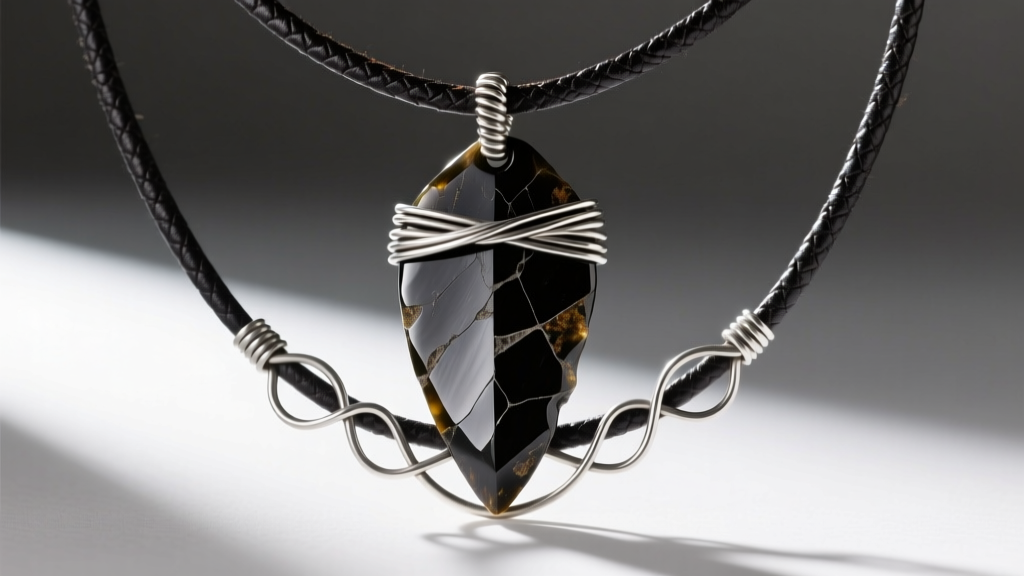
A genuine native american arrowhead necklace is more than just a striking piece of jewelry; it is a wearable artifact that bridges ancient lapidary traditions with contemporary silversmithing. Whether crafted from knapped obsidian by a traditional flintknapper or precision-cut from Kingman turquoise by a Navajo lapidary artist, these pendants carry profound cultural weight and exceptional artisanal value. However, the market is currently saturated with mass-produced imitations that misrepresent both the materials and the makers.
This comprehensive, step-by-step guide will teach you how to authenticate genuine Native American craftsmanship, select the right stone and bail configuration, and style your arrowhead pendant for modern wear. By understanding the specific material grades, silver hallmarks, and structural nuances of these pieces, you can invest in a necklace that is both ethically sourced and built to last a lifetime.
Step 1: Authenticating Genuine Native American Craftsmanship
The most critical step in acquiring a native american arrowhead necklace is verifying its authenticity. Under the Indian Arts and Crafts Act of 1990, it is illegal to market or sell art as 'Native American' or 'Indian' if it is not made by a member of a federally or state-recognized tribe, or an artisan certified by such a tribe. When evaluating a piece, you must look beyond the aesthetic and examine the structural evidence of authentic silversmithing.
Checking Hallmarks and Maker's Marks
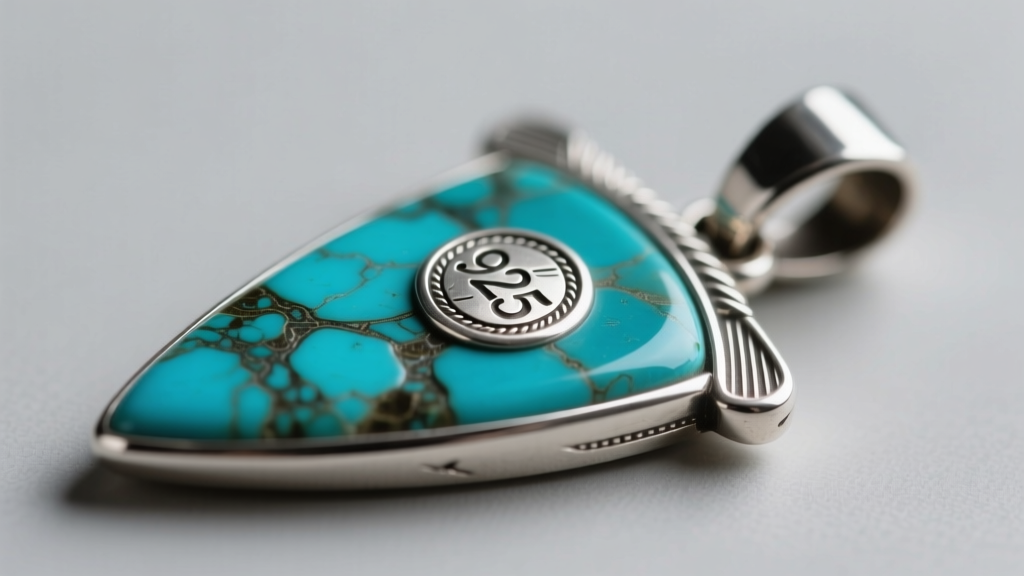
Authentic Native American silverwork, particularly from the Navajo, Zuni, and Hopi tribes, almost always features a stamped hallmark on the back of the silver bail or bezel. Look for a clear '.925' or 'Sterling' stamp, alongside the artist's unique hallmark (often a stylized initials stamp, a clan symbol, or a stamped sunray). Beware of pieces that only say 'Native Style' or 'Southwest Style,' as these are legal loopholes used by overseas manufacturers to sell cast-metal imitations.
Evaluating the Silver Weight and Bezel Work
Genuine silversmiths use heavy-gauge sterling silver, typically 18-gauge to 20-gauge sheet metal for the backplate and bezel wire. Run your thumb over the bezel (the silver rim holding the stone). Authentic hand-fabricated bezels will have slight, organic variations and seamless solder joints at the base. Cast imitations often feature uniformly thick, bubbly, or porous silver with visible mold lines near the bail.
Step 2: Selecting the Right Arrowhead Material and Shape
Arrowhead pendants generally fall into two distinct categories: traditional knapped stones and modern lapidary-cut cabochons. Your choice dictates the necklace's durability, price point, and care requirements. Below is a breakdown of the most common materials used in authentic Native American arrowhead jewelry, rated by their Mohs hardness scale.
| Material | Mohs Hardness | Durability & Wearability | Price Range (Authentic) |
|---|---|---|---|
| Obsidian (Knapped) | 5.0 - 5.5 | Fragile edges; requires protective wire wrapping. Prone to chipping if dropped. | $45 - $120 |
| Flint / Chert (Knapped) | 6.5 - 7.0 | Highly durable with sharp, resilient edges. Excellent for daily wear. | $60 - $150 |
| Turquoise (Cabochon) | 5.0 - 6.0 | Porous and sensitive to chemicals. Must be stabilized or set in a deep bezel. | $150 - $600+ |
| Picture Jasper (Cabochon) | 6.5 - 7.0 | Extremely durable, takes a high polish. Ideal for heavy, everyday pendants. | $80 - $200 |
When purchasing turquoise, always ask if the stone is 'natural' or 'stabilized.' According to the Gemological Institute of America (GIA), stabilization is an accepted industry practice that uses clear epoxy to harden porous turquoise, preventing it from cracking or changing color when exposed to skin oils. However, natural, untreated turquoise from mines like Sleeping Beauty or Lander Blue commands a massive premium and requires meticulous care.
Step 3: Choosing the Perfect Bail and Chain Configuration
The way an arrowhead is suspended from its chain drastically affects both its security and its visual drape. Because arrowheads are top-heavy and feature an irregular center of gravity, the bail (the loop that connects the stone to the chain) must be engineered to keep the pendant facing forward.
Wire-Wrapped vs. Drilled Bails
For knapped obsidian or flint arrowheads, drilling a hole through the top of the stone compromises its structural integrity and ruins the traditional knapping silhouette. Instead, expert artisans use a custom wire-wrapping technique. Look for pendants wrapped in 20-gauge or 22-gauge dead-soft sterling silver wire. The wire should form a secure 'cage' around the upper third of the arrowhead, creating a sturdy, soldered loop at the top. Avoid arrowheads with glued-on metal caps or adhesive bails; the glue will inevitably degrade when exposed to body heat and humidity, leading to a lost pendant.
Chain Length and Gauge Recommendations
Arrowhead pendants are visually heavy and draw the eye downward. To balance the silhouette, pair your pendant with a sturdy chain that complements its weight.
- 18-Inch Chain (2.5mm - 3.0mm): Sits at the collarbone. Best for smaller, lapidary-cut turquoise arrowheads (under 2 inches in length).
- 22-Inch Chain (3.5mm - 4.0mm): Sits at the upper chest. Ideal for medium-sized knapped flint or jasper pieces, allowing the pendant to rest clearly below the neckline.
- 24 to 30-Inch Chain (4.0mm+): Sits on the sternum. Reserved for large, statement-making obsidian or silver-inlaid arrowheads. Consider a traditional Navajo pearl (liquid silver) bead strand for a highly authentic, textured look.
Step 4: Styling and Layering Your Arrowhead Necklace

Styling a native american arrowhead necklace requires balancing its bold, geometric shape with the right textiles and complementary jewelry. The goal is to let the pendant act as the focal point without overwhelming your outfit.
Neckline Pairings
The sharp, triangular geometry of an arrowhead naturally mimics and extends V-shaped necklines.
- V-Neck and Scoop Necks: The most flattering canvas. The arrowhead follows the natural line of the collarbone, elongating the neck.
- Button-Down Shirts: Leave the top two buttons undone and let the pendant rest against the skin, framed by the fabric collar. This creates a sophisticated, rugged aesthetic.
- Crew Necks: Generally avoid wearing long arrowheads over tight crew necks, as the pendant will clash with the circular hemline and appear visually disconnected.
The Art of Layering
If you prefer a layered look, use the arrowhead as your longest, heaviest base layer. Pair it with shorter, 16-inch to 18-inch sterling silver chains featuring subtle textures, such as oxidized rope chains or small turquoise heishi beads. Ensure there is at least a 4-inch length difference between the arrowhead chain and the secondary chains to prevent tangling and metal-on-metal scratching.
Step 5: Proper Care and Maintenance
'Jewelry made by Native American artisans is a continuation of a living culture. Caring for these pieces properly is a way of respecting the time, tradition, and natural materials that went into their creation.' — National Museum of the American Indian
Maintaining your necklace requires specific protocols, especially if it features porous stones or knapped edges. Never use ultrasonic cleaners, steam cleaners, or commercial silver dips on turquoise, coral, or lapis lazuli. The harsh chemicals and high-frequency vibrations will fracture the stones and strip away any stabilizing epoxy.
Instead, clean the silver components with a dry, untreated microfiber polishing cloth. If the silver is heavily oxidized in the recesses (a deliberate design choice by many Navajo silversmiths to highlight stamp work), use a soft-bristled horsehair brush to gently remove dust. Store your arrowhead necklace flat in a lined jewelry box or a soft leather pouch. Hanging knapped stones for long periods can put undue stress on the wire wrap, potentially bending the silver cage over time.
Final Thoughts on Ethical Sourcing
Investing in a genuine native american arrowhead necklace is a commitment to preserving indigenous art forms. Always purchase directly from recognized tribal artisans, certified Native American galleries, or reputable powwow vendors who can provide a certificate of authenticity detailing the artist's name and tribal affiliation. By prioritizing authentic craftsmanship over mass-produced souvenirs, you ensure that your jewelry is not only a stunning personal accessory but also a respectful tribute to centuries of lapidary mastery.


