How to Choose, Authenticate, and Wear a Thor's Hammer Necklace
Learn how to select, authenticate, and style a Thor's hammer necklace. Discover metal grades, chain pairings, and historical Mjolnir designs.

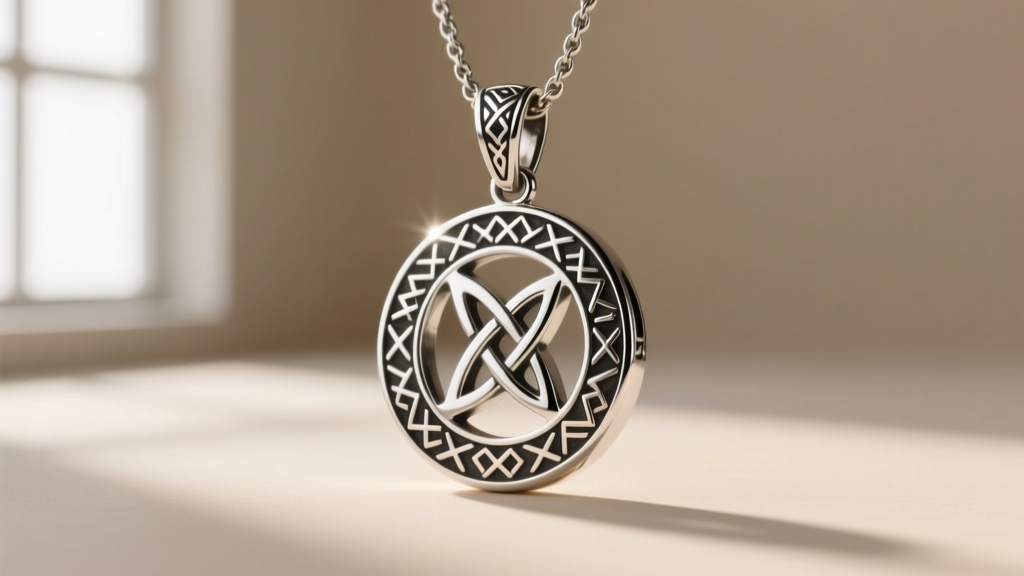
The Thor's hammer necklace, representing Mjolnir, is one of the most iconic and enduring symbols in jewelry history. Originally worn by Norse people during the Viking Age as a talisman of protection, consecration, and strength, the Mjolnir pendant has evolved into a global fashion staple. However, navigating the modern market requires a discerning eye. Between mass-produced pop-culture replicas, historically inaccurate novelty items, and genuine artisan craftsmanship, finding the right piece demands an understanding of metallurgy, historical design, and structural jewelry mechanics.
Whether you are seeking a historically accurate artifact for reenactment, a durable everyday piece, or a bold fashion statement, this step-by-step guide will teach you exactly how to choose, authenticate, and style a Thor's hammer necklace with confidence and expertise.
Step 1: Define Your Purpose and Historical Accuracy
Before selecting a metal or chain, you must determine the intent behind your purchase. Thor's hammer pendants generally fall into two categories: historical replicas and modern interpretations.
Historical Accuracy and Archaeological Styles
Authentic Viking Age hammers (circa 800–1100 AD) were primarily crafted from iron, bronze, or amber, with silver reserved for the elite. According to archives from the National Museum of Denmark, historical Mjolnir designs were often minimalist, featuring simple geometric lines, ring-like motifs, or subtle Borre-style knotwork. The famous Skåne hammer and the Bornholm silver hammer are prime examples of period-accurate silhouettes. If you want a historically grounded piece, look for clean, unembellished lines and avoid overly ornate, dragon-heavy designs that belong more to 19th-century romanticism or modern fantasy than actual Norse antiquity.
Modern and Artisan Interpretations
Modern interpretations often incorporate intricate Jelling or Mammen-style carvings, runic inscriptions, and gemstone inlays. While not strictly historical, these pieces showcase advanced modern casting and hand-carving techniques. When buying modern designs, prioritize artisans who use lost-wax casting or hand-forging over cheap, stamped sheet-metal knockoffs.
Step 2: Select the Right Metallurgy
The metal you choose dictates the pendant's weight, longevity, maintenance requirements, and skin compatibility. According to the Rio Grande Metal Guide, understanding alloy compositions is critical for jewelry buyers.
| Metal Grade | Composition & Traits | Pros | Cons | Avg. Price Range |
|---|---|---|---|---|
| 925 Sterling Silver | 92.5% pure silver, 7.5% copper. Prone to sulfur-induced tarnish. | Hypoallergenic, holds fine detail, high intrinsic value. | Requires regular polishing; copper content can cause skin greening in high acidity. | $60 - $250+ |
| Jeweler's Bronze | Copper and tin alloy. Develops a rich, dark patina over time. | Historically accurate, rugged aesthetic, highly affordable. | Heavy; requires sealing or frequent cleaning to prevent skin discoloration. | $25 - $80 |
| Damascus Steel | Folded high-carbon and low-carbon steel layers. Etched for contrast. | Extremely durable, unique swirling patterns, masculine weight. | Can rust if exposed to saltwater; cannot be easily resized or modified. | $80 - $180 |
| Grade 5 Titanium | Ti-6Al-4V alloy. Aerospace-grade strength with a matte gray finish. | Lightweight, 100% corrosion-proof, completely hypoallergenic. | Difficult to cast; usually CNC milled, limiting intricate traditional knotwork. | $45 - $120 |
Expert Tip: If you have high skin acidity and frequently experience 'green skin' from copper alloys, opt for Grade 5 Titanium or Rhodium-plated Sterling Silver to create a barrier between the metal and your skin.
Step 3: Match the Chain or Cord to the Pendant Weight
A common failure point in heavy pendant necklaces is the chain. A massive 80-gram solid bronze Mjolnir will easily snap a delicate 1.5mm cable chain. You must match the chain's gauge and material to the pendant's weight and bail size.
Chain Pairing Guidelines
- Lightweight Pendants (Under 20g): Pair with a 2mm to 3mm sterling silver box chain or a 3mm braided leather cord. Box chains offer excellent tensile strength relative to their thin profile.
- Medium Pendants (20g - 50g): Use a 3mm to 4mm wheat chain (also known as spiga). The interlocking, woven structure of a wheat chain distributes weight evenly and resists kinking.
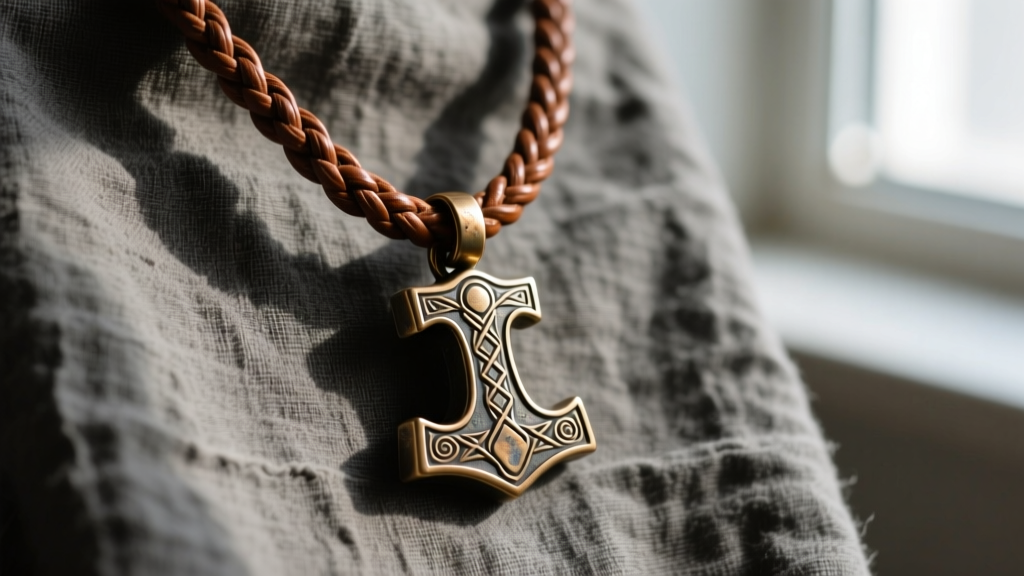
- Heavy Pendants (Over 50g): Rely on a 5mm to 8mm stainless steel rope chain or a thick, braided 6mm leather cord with a stainless steel core. Leather cords offer a rugged, historically adjacent aesthetic but degrade with sweat and moisture over time.
Clasp Mechanics
Do not rely on standard spring-ring clasps for heavy Thor's hammer pendants. The tension from a swinging, heavy pendant will eventually warp the delicate spring mechanism. Always upgrade to a lobster clasp (for chains under 4mm) or a heavy-duty toggle clasp (for chains over 4mm and leather cords). Toggle clasps are mechanically superior for heavy loads because the tension actually pulls the bar tighter against the ring.
Step 4: Inspect the Bail and Suspension Loop
The bail—the loop at the top of the hammer that the chain passes through—is a critical structural and historical element.
Drilled Handle vs. Cast Top Loop
In the Viking Age, many iron and bronze hammers were simply drilled horizontally through the top of the handle to accommodate a leather thong. Today, you will find two main bail styles:
- The Hidden Top Loop: A loop cast directly into the top of the hammer head. This allows the pendant to hang flush and is highly secure, though slightly less historically accurate.
- The Horizontal Drill: A hole drilled through the handle. This is historically accurate and looks fantastic on a leather cord, but it creates friction against metal chains, potentially wearing down both the chain and the bail over time.
Always check the inner diameter of the bail before purchasing. A standard 3mm wheat chain requires a bail with an inner diameter of at least 4.5mm to allow the chain to drape naturally without kinking at the base of the loop.
Step 5: Sizing and Proportion
The visual impact of a Thor's hammer necklace relies heavily on proportion relative to the wearer's build and the neckline of their clothing.
- The Subtle Drop (1.0 to 1.25 inches): Ideal for everyday wear, office environments, and layering over t-shirts. Best suited for sterling silver or titanium.
- The Standard Statement (1.5 to 2.0 inches): The most versatile size. It rests perfectly on the sternum and is visible above standard crew-neck collars. Works well in all metals.
- The Bold Shield (2.5 to 3.5+ inches): A massive, heavy piece meant for outerwear, leather jackets, or historical reenactment. Usually crafted in bronze or Damascus steel to justify the sheer volume of material.
Step 6: Maintenance and Patina Management
How you care for your Mjolnir depends entirely on the finish and the metal.
Managing Sterling Silver Tarnish
Silver reacts with hydrogen sulfide in the air to form silver sulfide (tarnish). If your hammer features deep, intricate knotwork, avoid liquid silver dips, as they will strip the intentional dark oxidation (antiquing) from the crevices, leaving the piece looking flat and cheap. Instead, use a treated polishing cloth to gently buff only the high-relief areas, preserving the dark contrast in the grooves.
Embracing the Bronze Patina
Bronze naturally darkens and develops a rich, earthy patina when exposed to the oils in your skin and the elements. If you prefer the bright, golden-copper look, you can gently scrub the pendant with a soft toothbrush, warm water, and a mild dish soap, followed by a thorough drying. However, many collectors prefer to let the bronze age naturally, as the darkened patina highlights the hand-forged textures and gives the piece a genuine, weathered heirloom quality.
By carefully considering historical accuracy, metallurgical properties, and structural mechanics, you can select a Thor's hammer necklace that is not only a powerful symbol of heritage but also a masterfully crafted piece of jewelry built to last a lifetime.


