How to Choose and Style an Upside Down Pentagram Necklace
Learn how to choose, style, and care for an upside down pentagram necklace. Discover chain pairings, material grades, and neckline tips.

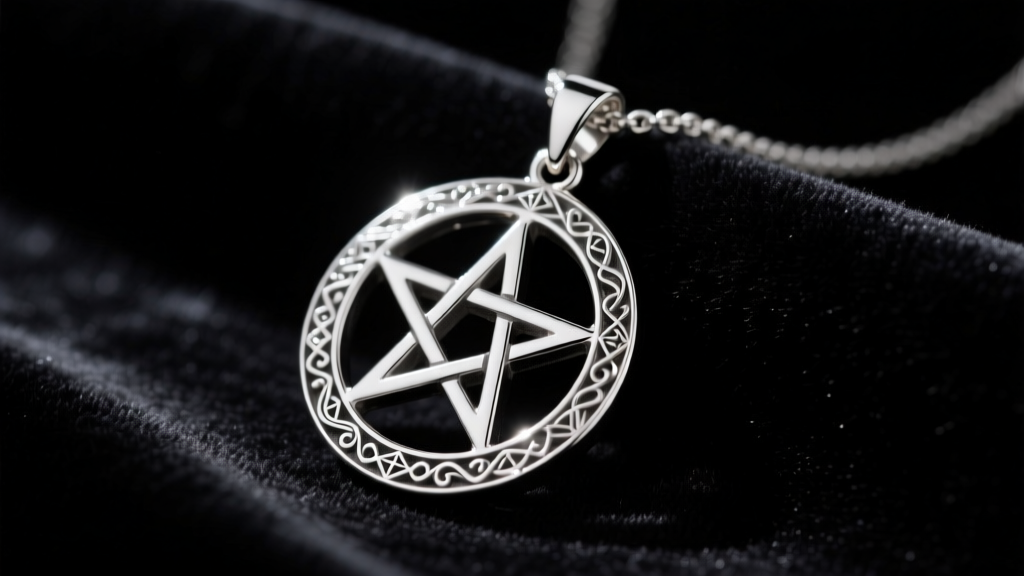
The upside down pentagram necklace has transcended its niche occult roots to become a staple in modern gothic, grunge, and avant-garde fashion. Unlike its upright counterpart, the inverted pentagram carries a distinct visual weight and a complex array of cultural meanings. Whether you are drawn to its historical symbolism or its sharp, edgy aesthetic, wearing this piece requires an understanding of proportion, material durability, and styling mechanics. This comprehensive guide will walk you through exactly how to select, pair, and maintain an inverted pentagram pendant for a flawless look.
The Symbolism: Upright vs. Inverted Pentagrams
Before integrating an upside down pentagram necklace into your daily rotation, it is helpful to understand the visual geometry you are wearing. The upright pentagram traditionally represents the triumph of spirit over the four physical elements (earth, air, fire, and water), with the single top point symbolizing the divine or the intellect. When inverted, the two upper points can represent the horns of Baphomet or the duality of nature, while the single downward point grounds the energy into the physical realm. In contemporary fashion, however, the inverted pentagram is largely embraced for its rebellious, non-conformist edge and its striking symmetrical silhouette, which naturally draws the eye downward along the neckline.
Step 1: Selecting the Right Metal and Material Grade
When investing in statement jewelry, material integrity is paramount. Occult and gothic pendants are frequently cast in heavy molds, meaning the metal must withstand significant daily stress without warping or causing contact dermatitis. Here is a breakdown of the most common metals used for these pieces and their specific grades.
| Metal Type | Grade / Standard | Pros | Cons | Price Range |
|---|---|---|---|---|
| Sterling Silver | 925 (92.5% Silver) | Hypoallergenic, takes oxidation beautifully for antique looks. | Tarnishes quickly, softer metal can scratch. | $45 - $150 |
| Surgical Steel | 316L Stainless | Highly durable, rust-proof, very affordable. | Can contain trace nickel, heavier on the neck. | $15 - $40 |
| Titanium | Grade 23 (Ti 6Al-4V) | Ultra-lightweight, 100% hypoallergenic, incredibly strong. | Difficult to resize or repair, limited finishes. | $60 - $120 |
| Yellow Gold | 14k Solid Gold | Prestigious, does not tarnish, holds intricate detail. | Very expensive, soft if higher than 18k. | $250 - $800+ |
For a dark, moody aesthetic, look for 925 sterling silver that has been intentionally oxidized. Jewelers use liver of sulfur to blacken the recessed areas of the pentagram, making the geometric lines pop. According to the Gemological Institute of America (GIA), oxidized silver requires specific care to ensure the darkened patina is not accidentally polished away.
Step 2: Matching the Chain to the Pendant Weight

A critical failure point in heavy pendant necklaces is the chain. Solid cast pentagrams can easily weigh between 12 and 25 grams. Suspending a 20-gram pendant from a flimsy 20-gauge (0.8mm) cable chain is a recipe for a snapped necklace and a lost pendant. You must match the chain gauge to the pendant's mass.
Chain Gauge and Style Recommendations
- For Pendants under 10g: An 18-gauge (1.0mm) to 16-gauge (1.3mm) chain is sufficient. Box chains and curb chains offer a sleek, minimalist backdrop.
- For Pendants 10g to 20g: Step up to a 14-gauge (1.6mm) or 12-gauge (2.0mm) chain. Rope chains are excellent here because their twisted structure provides immense tensile strength while complementing the intricate lines of the pentagram.
- For Pendants over 20g: You need a heavy-duty 10-gauge (2.5mm) or thicker chain. Cuban link or Figaro chains provide the necessary structural support and match the bold, aggressive energy of a massive inverted star.
Always inspect the jump ring (the small loop connecting the pendant to the chain). If it is not soldered shut, the weight of the pendant will eventually pull the gap open. Take it to a local jeweler to have the jump ring soldered for a permanent fix, a best practice recommended by the Jewelers of America.
Step 3: Styling for Different Necklines and Occasions
The inverted pentagram has a distinct triangular visual flow, with the widest part at the top and the single point directing the eye downward. This geometry dictates how it interacts with your clothing.
- V-Neck and Plunging Necklines: This is the most harmonious pairing. The V-shape of the shirt mirrors the inverted triangle of the pentagram. Choose a chain length between 20 and 24 inches so the pendant rests precisely in the center of the exposed skin or fabric.
- Crew Necks and T-Shirts: For casual streetwear, opt for a shorter 18-inch chain. The pendant will rest just below the collarbone, creating a stark contrast against the high neckline. This works exceptionally well with vintage band tees or oversized grunge flannels.
- Turtlenecks and High Collars: In colder months, layering a heavy, long (24 to 30 inches) upside down pentagram over a black turtleneck creates a sophisticated, dark-academia or high-gothic silhouette. The dark fabric acts as a canvas, making silver or gold metals stand out vividly.
Step 4: Layering Techniques for a Gothic or Minimalist Look

Layering an upside down pentagram necklace requires careful spacing to avoid a tangled, cluttered appearance. The golden rule of necklace stacking is the 2-to-3-inch drop rule: each subsequent necklace should be 2 to 3 inches longer than the one above it.
The 3-Piece Occult Stack:
- Layer 1 (14-16 inches): A delicate, minimalist choker. A simple 1.5mm silver snake chain or a black velvet ribbon keeps the focus near the collarbone without competing with the main piece.
- Layer 2 (18-20 inches): Your upside down pentagram necklace. This is the anchor of the stack. Ensure the bail (the loop the chain passes through) is large enough to allow the pendant to lay flat against your chest.
- Layer 3 (22-24 inches): A longer, lighter pendant to draw the eye further down. A simple silver sphere, a small obsidian teardrop, or a delicate chain with a tiny bezel-set onyx stone balances the visual weight of the heavy pentagram above it.
To prevent the chains from tangling throughout the day, use a magnetic necklace spacer clasp at the back of your neck, or ensure the chains are of distinctly different textures (e.g., a smooth snake chain paired with a textured rope chain).
Maintenance: Keeping Darkened Metals Pristine
Gothic and occult jewelry often relies on dark, antiqued finishes to highlight the intricate geometry of the pentagram. Standard silver polishing cloths are embedded with mild abrasives and tarnish-removing chemicals that will strip away this intentional oxidation, leaving you with a flat, overly bright pendant.
To clean your upside down pentagram necklace without ruining the patina, use a soft-bristled baby toothbrush dipped in a mild solution of warm water and phosphate-free dish soap. Gently brush the raised, polished edges of the star, avoiding aggressive scrubbing in the deep, blackened grooves. Rinse with distilled water to prevent hard water spots, and pat dry with a microfiber cloth. Store the piece in an airtight anti-tarnish bag with a silica gel packet when not in use to control ambient humidity and slow down natural sulfur reactions in the air.
Conclusion
An upside down pentagram necklace is more than just a piece of metal; it is a bold sartorial statement that demands attention. By carefully selecting the right metal grade, engineering a chain-to-pendant weight ratio that guarantees longevity, and mastering the geometry of neckline pairing, you can elevate this striking symbol into a cornerstone of your personal style. Whether worn as a standalone statement piece over a leather jacket or intricately layered in a sophisticated gothic stack, the inverted star remains an enduring icon of alternative fashion.


