How to Style and Authenticate a Vintage Jennifer Necklace
Learn how to authenticate, restore, and style a vintage Jennifer necklace. Expert tips on identifying 1980s lucite collars and gold-tone pieces.

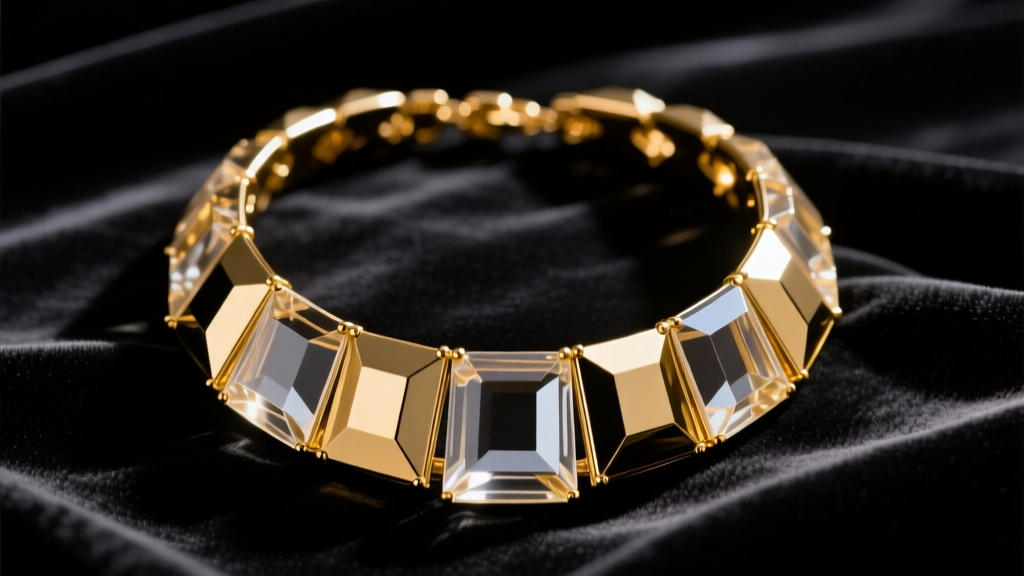
The vintage jewelry market is saturated with mass-produced costume pieces, but for serious collectors and style enthusiasts, the jennifer necklace remains a highly coveted grail. Originating primarily from the bold design houses of the 1980s and early 1990s—most notably associated with brands like Jennifer of California and Jennifer London—these statement collars are celebrated for their architectural lucite elements, heavy gold-tone plating, and unapologetic geometric silhouettes.
Whether you have inherited a piece, found one at an estate sale, or are hunting for your first authentic jennifer necklace, knowing how to verify its origins, restore its original luster, and style it for contemporary 2026 wardrobes is essential. This step-by-step guide provides the exact frameworks used by vintage jewelry appraisers and stylists.
The Anatomy of a Vintage Jennifer Necklace
To properly authenticate and care for these pieces, you must first understand their material composition. Unlike fine jewelry, which relies on the intrinsic value of precious metals and gemstones, the jennifer necklace derives its value from design innovation and material craftsmanship.
- Base Metals: Typically brass or pewter, heavily plated in 18k or 24k gold-tone finishes. The best examples feature vermeil or thick electroplating that resists flaking.
- Acrylics and Lucites: High-end vintage pieces use cast lucite (poly(methyl methacrylate)) rather than cheap, injection-molded acrylic. Cast lucite is heavier, feels colder to the touch, and possesses a glass-like optical clarity.
- Adhesives and Settings: Original 1980s manufacturing often relied on industrial epoxies to secure lucite cabochons into metal bezels, rather than prong settings.
Step-by-Step Authentication Guide
Counterfeiters often replicate the chunky aesthetic of 1980s statement collars, but they rarely get the microscopic details right. Follow this three-step verification process to ensure your jennifer necklace is genuine.
Step 1: Locate and Analyze the Maker's Mark
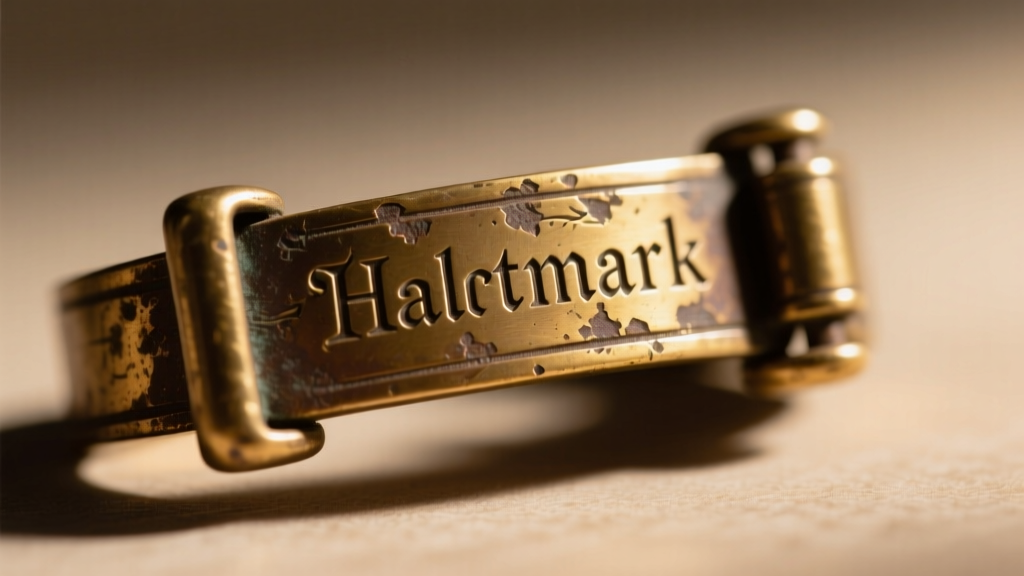
Authentic pieces will feature a distinct hallmark, usually stamped on the fold-over clasp or the flat metal end-cap of the collar. Look for the script Jennifer or Jennifer ©.
- Font and Depth: Genuine stamps were done with hardened steel dies, resulting in crisp, deeply recessed lettering. Fakes often feature shallow, laser-etched, or blurred marks.
- Patina Consistency: The recessed areas of a genuine stamp will accumulate decades of microscopic oxidation (patina) that is incredibly difficult to fake without chemical aging, which often smells of sulfur or ammonia.
Step 2: The Lucite Temperature and Weight Test
Hold the necklace in your hands for 30 seconds. Genuine cast lucite is denser than modern injection-molded plastics and will remain noticeably cool to the touch for a longer period. Furthermore, inspect the edges under a jeweler's loupe. Injection-molded plastics will show a faint mold line or seam where the two halves of the mold met. Cast lucite is hand-finished and polished, meaning it will have seamless, continuous edges.
Step 3: Inspect the Clasp Mechanism
Vintage jennifer necklace designs heavily favored the fold-over box clasp with a figure-eight safety catch. Test the hinge. A genuine vintage hinge will have a slight, deliberate resistance and a satisfying snap due to the thickness of the brass base metal. Flimsy, easily bent hinges indicate modern, lightweight alloys.
Restoration: Cleaning Gold-Tone and Lucite Safely
Improper cleaning can strip the gold plating or cloud the lucite. Never use ultrasonic cleaners, ammonia-based glass cleaners, or abrasive polishing cloths on a vintage jennifer necklace.
Materials Needed:
- Mild, phosphate-free dish soap
- Distilled water
- Ultra-soft microfiber cloths
- Novus 1 and Novus 2 Plastic Polish (for lucite)
- Soft-bristled makeup brush
The Cleaning Process:
- Dust Removal: Use the dry makeup brush to gently sweep away loose dust and debris from the metal crevices and under the lucite settings.
- Metal Washing: Mix a few drops of dish soap into a bowl of lukewarm distilled water. Dampen a corner of the microfiber cloth (do not soak it) and gently wipe the gold-tone metal. Avoid getting the adhesive joints wet, as moisture can degrade 40-year-old epoxy.
- Lucite Polishing: Apply a small amount of Novus 2 to a clean cloth and buff the lucite in small, circular motions to remove micro-scratches. Follow up with Novus 1 to restore the high-gloss optical clarity.
- Drying: Immediately buff the entire piece dry with a fresh microfiber cloth to prevent water spots on the metal.
For more comprehensive guidelines on maintaining vintage costume jewelry, the Vintage Fashion Guild offers excellent archival resources on material preservation.
How to Style a Chunky Collar in 2026
The maximalist revival of 2026 has brought the jennifer necklace back to the forefront of high fashion. However, styling a heavy, geometric collar requires a strategic approach to balance proportions and avoid looking costumey.
Neckline Pairing Matrix
The structural rigidity of a vintage collar dictates the fabric and cut it should be paired with. Use this matrix to guide your styling:
| Neckline Type | Compatibility | Styling Notes |
|---|---|---|
| Crew Neck (Cotton) | High | Allows the collar to sit flush against the fabric, framing the face. Best for casual daytime wear. |
| Deep V-Neck | Low | The rigid curve of the collar will clash with the V-shape, creating awkward negative space. |
| Button-Down (Open) | Medium | Works well if the collar sits under the lapels, creating a structured, layered architectural look. |
| Off-the-Shoulder | High | Exposes the collarbone, allowing the heavy necklace to act as the sole focal point of the outfit. |
| Turtleneck | High | A sleek, ribbed turtleneck provides a modern, minimalist backdrop that lets bold 80s geometry shine. |

Proportional Balancing
When wearing a statement jennifer necklace, the rest of your jewelry should recede. Opt for simple, small-profile stud earrings or skip earrings entirely. Avoid stacking bracelets on the same wrist you use to gesture most, as the visual weight of the collar needs room to breathe. According to styling principles outlined by the Jewelers of America, maintaining a single focal point prevents visual fatigue and elevates the perceived value of the statement piece.
Troubleshooting Common Vintage Flaws
Even well-preserved pieces from the 1980s may require minor repairs. Here is how to handle the most common issues:
- Loose Lucite Cabochons: If a piece of lucite is lifting from its metal bezel, do not use Super Glue (cyanoacrylate), which will cloud the plastic and leave a white residue. Instead, carefully apply a microscopic bead of E6000 craft adhesive using a toothpick, clamp gently with padded jewelry pliers, and let cure for 24 hours.
- Worn Gold Plating: If the brass base metal is showing through on the back of the collar, you can have it professionally re-plated by a jeweler who specializes in costume jewelry. Avoid DIY liquid gold plating kits, as they often result in a brassy, uneven finish.
- Stiff Hinges: A drop of synthetic watch oil applied with a fine needle to the fold-over clasp hinge will restore its movement without attracting dust like thicker lubricants.
Final Thoughts on Sourcing and Investment
Finding an authentic jennifer necklace requires patience. While platforms like Etsy and 1stDibs are reliable, estate sales and specialized vintage jewelry dealers on Instagram often yield the best prices for unpolished, authentic pieces. When evaluating a potential purchase, always request high-resolution macro photos of the clasp, the hinge, and the edges of the lucite. By understanding the material science and design history of these iconic pieces, you can confidently build a vintage jewelry collection that holds both stylistic and historical value for decades to come.


