How to Style a Wicked Necklace: The Ultimate Edgy Guide
Learn how to style a wicked necklace with our step-by-step guide. Master chain gauges, dark metal patinas, and layering techniques for edgy looks.
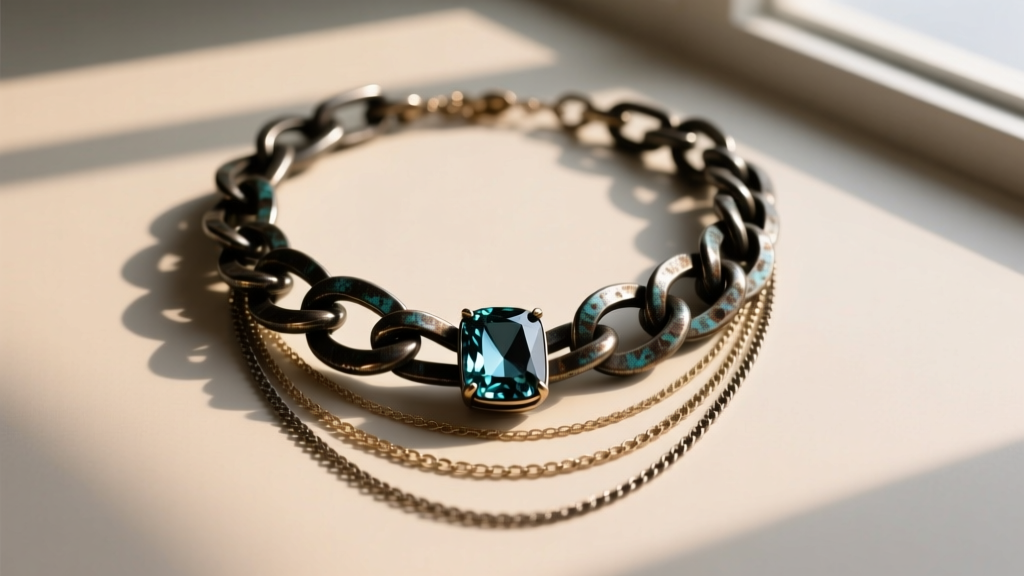
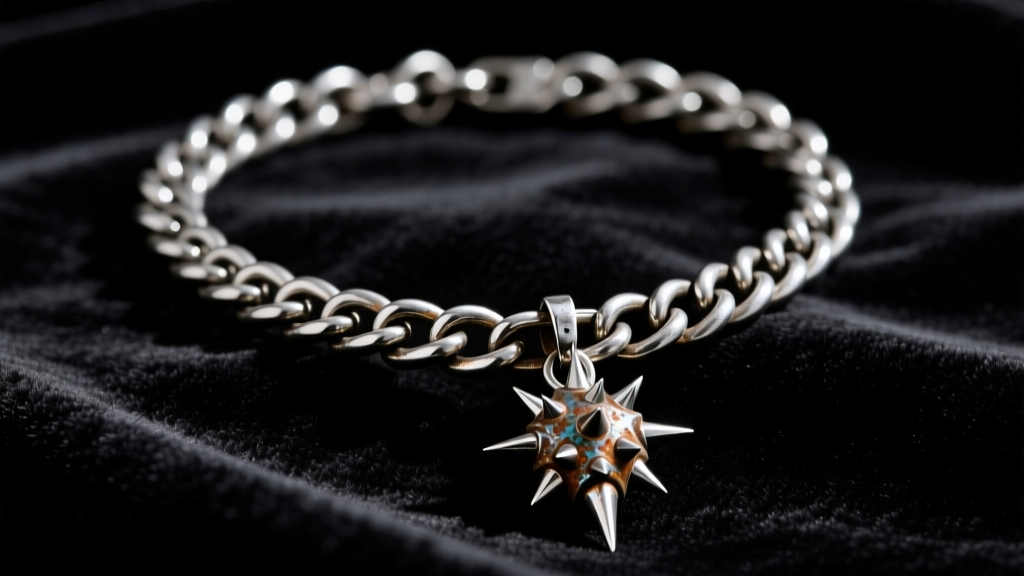
The term wicked necklace evokes a specific, unapologetic aesthetic: dark academia, gothic punk, alternative grunge, and witchy maximalism. But pulling off this look requires more than just throwing on a blackened chain. True alternative jewelry styling is an exercise in proportion, metallurgy, and intentional layering. Whether you are drawn to heavy oxidized silver, blackened brass, or raw gemstone pendants, mastering the wicked aesthetic means understanding the structural integrity of your pieces and how they interact with your wardrobe.
In this comprehensive guide, we will break down the exact steps to curate, maintain, and style a wicked necklace collection that looks intentional, high-quality, and fiercely unique.
Decoding the Wicked Necklace Aesthetic: Materials and Finishes
Before you can style a wicked necklace, you must understand the materials that define it. The hallmark of this aesthetic is dark, moody metalwork. However, not all dark metals are created equal, and knowing the difference will save you from buying pieces that tarnish poorly or turn your skin green.
Oxidized Sterling Silver vs. Black Rhodium
High-end wicked jewelry typically relies on one of two darkening processes:
- Oxidized 925 Sterling Silver: This is a chemical process where the silver is exposed to sulfur (often via a liver of sulfur solution) to create a layer of silver sulfide. This blackens the metal, particularly in the crevices, highlighting intricate gothic or witchy engravings. It is a surface reaction that can be polished away or reapplied at home.
- Black Rhodium Plating: Rhodium is a precious metal in the platinum family. When electroplated onto silver or white gold at a thickness of 0.15 to 0.25 microns, it creates a sleek, gunmetal-black finish. Unlike oxidation, black rhodium is smooth and uniform but will eventually wear off on high-friction areas, requiring professional replating.
Blackened Brass and PVD Coating
For more budget-friendly options, brass is often used. According to metalworking experts at Rio Grande, Physical Vapor Deposition (PVD) is the superior method for darkening base metals. PVD creates a microscopic, highly durable black titanium nitride layer that resists scratching and sweat far better than cheap electroplating or spray paints.
Never buy a wicked necklace made of zinc alloy with a painted black finish. The paint will chip within weeks, exposing a brittle, silvery-grey core that ruins the dark aesthetic entirely.
Step 1: Selecting the Correct Chain Gauge and Hardware
The structural foundation of any alternative necklace is the chain gauge. A chain that is too thin looks fragile and contradicts the bold, wicked vibe, while a chain that is too thick can feel like wearing a literal padlock. Here is a precise guide to selecting the right gauge for your pendant weight and aesthetic.
| Chain Gauge | Thickness (mm) | Best Use Case | Recommended Clasp |
|---|---|---|---|
| 12-Gauge | 2.0mm | Delicate witchy pendants, subtle dark academia layering | Standard Lobster (5mm) |
| 8-Gauge | 3.2mm | Medium statement pieces, everyday alt-wear | Heavy Lobster (12mm) |
| 6-Gauge | 4.0mm+ | Heavy gothic spikes, thick Cuban links, standalone chokers | Box Clasp or Toggle |
The Clasp Failure Point
A common failure mode in heavy wicked necklaces is the clasp snapping under the weight of a solid brass or silver pendant. If your chain exceeds 4mm in thickness, abandon the lobster clasp. The internal spring mechanism will eventually fatigue. Instead, opt for a box clasp with a figure-8 safety catch or a heavy-duty toggle clasp where the T-bar is at least 20% wider than the ring loop to prevent slipping.
Step 2: Perfecting and Maintaining the Dark Metal Patina
The beauty of a wicked necklace lies in its shadows. The contrast between the blackened recesses and the polished high-points of a pendant gives the jewelry its three-dimensional, antique look. However, daily wear, skin oils, and friction will naturally polish away the oxidation on the raised areas.
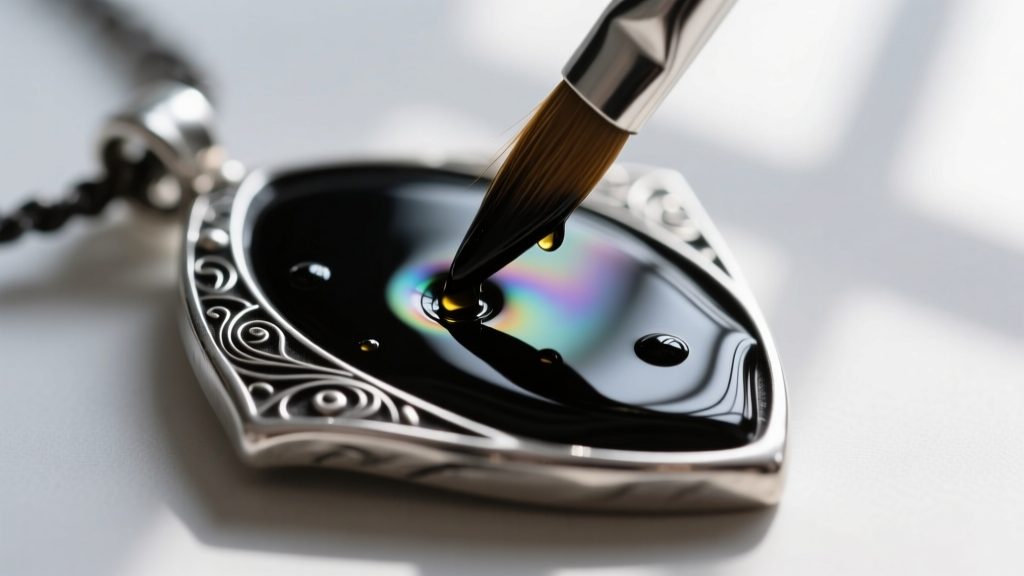
How to Re-Oxidize Silver at Home
If your favorite witchy pendant has lost its dark edge, you can restore it using a Gemological Institute of America (GIA) recognized compound called Liver of Sulfur (potassium sulfide).
- Clean the piece: Wash the necklace in warm water and mild dish soap to remove skin oils.
- Mix the solution: Dissolve a pea-sized amount of liver of sulfur gel in a cup of warm (not boiling) distilled water.
- Dip and observe: Submerge the silver pendant. It will turn yellow, then copper, then deep grey, and finally black. This takes about 10 to 30 seconds.
- Neutralize: Immediately drop the pendant into a bowl of water mixed with baking soda to halt the chemical reaction.
- Highlight: Once dry, use a polishing cloth or 0000-grade steel wool to gently buff only the raised edges, leaving the crevices pitch black.
Step 3: The Art of Layering Wicked Pendants Without Tangling
Layering is essential to the alternative aesthetic, but heavy chains and jagged pendants are notorious for tangling into an unmanageable knot. To style a wicked necklace stack successfully, you must follow strict spatial rules.
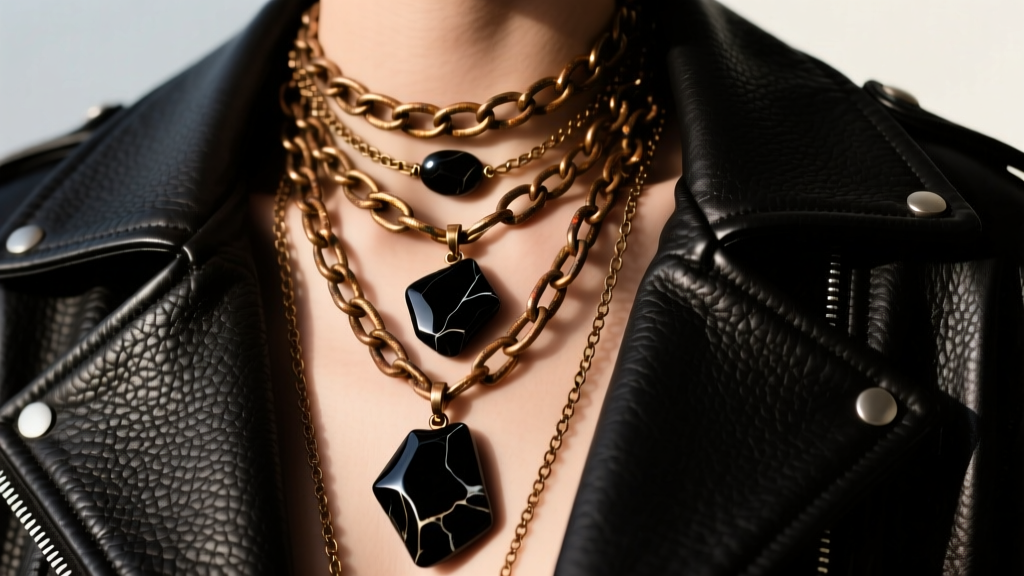
The Two-Inch Drop Rule
To prevent pendants from overlapping and scratching each other, maintain a minimum two-inch difference between chain lengths.
- Layer 1 (The Choker): 14 to 15 inches. Use a 12-gauge oxidized chain with a small, flat motif (like a crescent moon or a simple O-ring).
- Layer 2 (The Focal Point): 17 to 18 inches. This is where your heavy 6-gauge chain and primary wicked pendant (e.g., a large raw obsidian point or a gothic cross) should sit.
- Layer 3 (The Anchor): 20 to 22 inches. Use a lighter, longer chain with a small, weighted talisman to draw the eye downward and elongate the torso.
Mixing Chain Textures
Never layer three identical Cuban links. The friction will cause them to bind together. Instead, mix chain weaves. Pair a smooth box chain for the choker, a heavy Cuban or curb link for the mid-layer, and a delicate rope chain for the longest layer. The varying textures reduce surface contact, allowing the necklaces to glide past one another rather than locking together.
Step 4: Matching Necklines to Your Wicked Jewelry
A wicked necklace can easily get lost in a busy outfit or clash with the wrong collar. Treat your neckline as the frame for your jewelry.
The Turtleneck and High-Collar Canvas
Black or charcoal turtlenecks are the ultimate backdrop for oxidized silver. Because the fabric covers the skin, you can wear heavier, longer chains (20+ inches) without the metal feeling cold against your chest. The dark fabric amplifies the metallic sheen of the polished silver edges.
The Deep V-Neck and Plunging Necklines
For deep V-necks, opt for a Y-necklace or a lariat-style wicked necklace. The vertical drop of a Y-chain mimics the geometry of the neckline, creating a cohesive, elongating silhouette. Avoid wide, horizontal chokers with deep V-necks, as they visually cut the neck and clash with the garment's lines.
Leather Jackets and Hardware Harmony
When wearing a leather jacket with heavy silver zippers and studs, your necklace must match the hardware weight. If your jacket has chunky, matte-black zippers, pair it with a blackened brass or black rhodium wicked necklace. If the jacket features polished silver snaps, stick to oxidized sterling silver with highly polished raised edges to create a deliberate, cohesive hardware story.
Final Thoughts on Curating Your Collection
Styling a wicked necklace is about embracing contrast: the interplay of light and dark metal, the balance of heavy gauges against delicate skin, and the intentional mixing of historical gothic motifs with modern streetwear silhouettes. By investing in solid 925 silver or PVD-coated brass, mastering the two-inch layering rule, and maintaining your patinas, you elevate your alternative jewelry from costume props to a permanent, high-end sartorial signature.


