How to Use a Quit Smoking Necklace to Curb Cravings
Learn how to use a quit smoking necklace with aromatherapy or mindful breathing tubes to curb oral fixation and beat nicotine cravings step-by-step.

The Science of the Hand-to-Mouth Habit
Quitting smoking is rarely just about overcoming chemical nicotine dependence; it is equally about dismantling a deeply ingrained behavioral loop. The physical act of smoking involves a repetitive hand-to-mouth motion and a specific pattern of deep, rhythmic inhalation. When you remove the cigarette, your brain still craves the mechanical ritual and the respiratory pacing. This is where a quit smoking necklace becomes a powerful, wearable intervention tool.
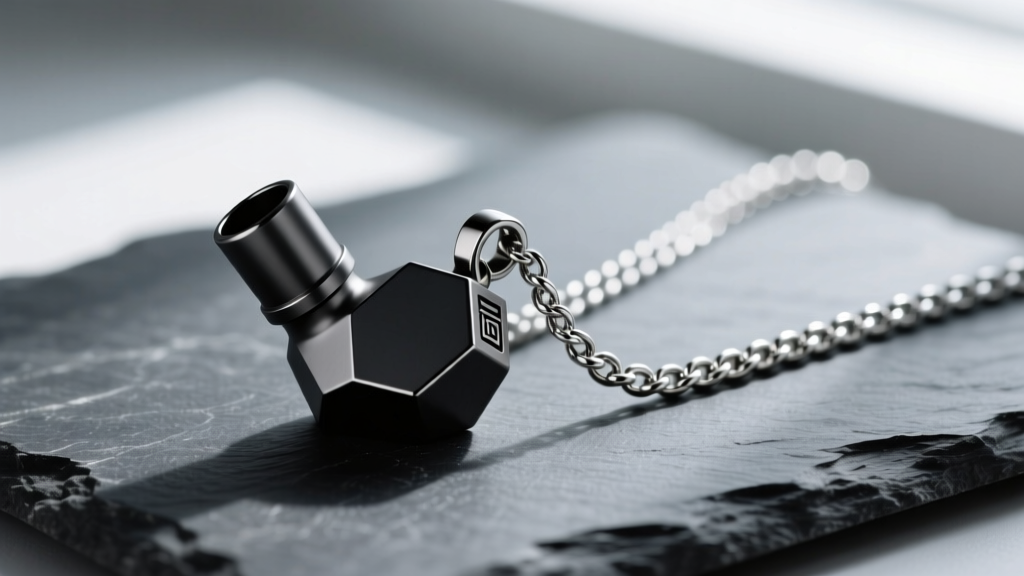
A quit smoking necklace typically falls into one of two categories: an aromatherapy diffuser pendant or a mindful breathing tube (often referred to as a shift pendant). Both are designed to intercept the trigger-response cycle of a craving. According to behavioral psychology frameworks cited by the Mayo Clinic, replacing a destructive habit routine with a neutral or positive physical action is one of the most effective ways to rewire neural pathways. This step-by-step guide will show you exactly how to select, prepare, and use a quit smoking necklace to successfully navigate the hardest phases of nicotine withdrawal.
Step 1: Choose the Right Type of Quit Smoking Necklace
Before you can use the necklace effectively, you must match the tool to your specific craving triggers. Do you miss the physical drag and resistance of inhaling, or do you miss the sensory experience and emotional grounding of the smoke? Here is a detailed comparison to help you choose the right mechanism.
| Feature | Aromatherapy Diffuser Pendant | Mindful Breathing Tube Pendant |
|---|---|---|
| Primary Mechanism | Olfactory stimulation via essential oils | Respiratory resistance via engineered airflow |
| Best Material | 316L Surgical Steel + Lava Rock | Grade 5 Titanium or 316L Steel |
| Price Range | $25 - $60 | $85 - $130 |
| Craving Addressed | Emotional triggers and olfactory memory | Oral fixation and hand-to-mouth mechanics |
| Maintenance | Requires daily oil reapplication | Requires weekly cleaning with alcohol |
Step 2: Selecting the Right Materials for Oral Contact
Because a quit smoking necklace will frequently come into contact with your lips, tongue, and saliva, material safety and durability are non-negotiable. Human saliva is slightly acidic, typically ranging from a pH of 6.2 to 7.6. Over time, this acidity will degrade inferior metals.
Metals to Avoid
- Brass and Copper: These base metals will rapidly oxidize when exposed to saliva, leaving a harsh, metallic taste in your mouth and potentially causing green discoloration on your skin.
- Standard Sterling Silver (925): While beautiful, the copper alloy in sterling silver can tarnish when exposed to sulfur compounds present in saliva and skin oils, requiring constant polishing.
Metals to Choose
- 316L Surgical Stainless Steel: Highly resistant to corrosion, hypoallergenic, and will not impart any metallic taste. It is the gold standard for mid-range diffuser pendants.
- Grade 5 Titanium (Ti-6Al-4V): The premier choice for breathing tube pendants. It is biocompatible, incredibly lightweight, and completely inert, making it safe for prolonged oral contact.

Step 3: Sizing Your Chain for Ergonomic Mimicry
The most common mistake people make when buying a quit smoking necklace is selecting a standard chain length. A typical jewelry chain is 16 to 18 inches (choker or princess length), resting at the collarbone. If your pendant rests this high, you will have to hunch your neck and drop your chin to bring the pendant to your mouth. This breaks the ergonomic mimicry of smoking a cigarette.
To properly replicate the hand-to-mouth motion, your pendant must rest at the sternum. You must select a chain length between 26 and 30 inches (opera or rope length). A 28-inch, 3mm stainless steel rolo chain is generally the ideal sweet spot for most adults. The heavier gauge (3mm) prevents the chain from tangling and provides a satisfying, grounding weight when you grasp it during a moment of high stress.
Step 4: Prepping an Aromatherapy Diffuser for Cravings
If you have chosen an aromatherapy diffuser pendant, the type of essential oil you use is critical. You are not just looking for a pleasant scent; you are looking for a physiological response that mimics or interrupts the smoking experience.
The Black Pepper Protocol
Research into alternative cessation therapies has highlighted the efficacy of Piper nigrum (Black Pepper) essential oil. The National Center for Complementary and Integrative Health acknowledges the complex ways olfactory inputs can influence neurological cravings. Black pepper oil contains beta-caryophyllene, a terpene that mildly stimulates the respiratory tract, closely mimicking the harsh, throat-hit sensation of inhaling cigarette smoke.
How to Apply the Oil Safely
- Open the diffuser locket and remove the lava stone or felt pad.
- Apply exactly 3 to 4 drops of pure, undiluted Black Pepper essential oil to the porous surface.
- Allow the oil to absorb for 60 seconds before closing the locket. This prevents the oil from leaking onto your clothing or directly onto the stainless steel hinges, which can attract dust and grime over time.
- Reapply every 12 to 24 hours, as the top notes of the oil will evaporate quickly.
Pro Tip: Blend the Black Pepper oil with a drop of Peppermint (Mentha piperita) to add a cooling sensation that opens the airways, further replicating the physical feeling of a deep drag.

Step 5: Mastering the 4-7-8 Breathing Technique with a Tube Pendant
If you are using a mindful breathing tube pendant (like the Shift or similar cylindrical designs), the physical resistance of the tube is engineered to force you to slow down your exhale. This directly stimulates the vagus nerve, shifting your autonomic nervous system from a sympathetic (fight or flight) state into a parasympathetic (rest and digest) state. This is crucial when a nicotine craving spikes your heart rate and induces anxiety.
Use the tube pendant in conjunction with the 4-7-8 breathing method whenever a craving hits:
- Step A (The Drag): Bring the tube to your lips and inhale deeply through your nose for 4 seconds. Do not inhale through the tube; the tube is only for the exhale.
- Step B (The Hold): Hold your breath and count to 7 seconds. This allows oxygen to fully saturate your bloodstream.
- Step C (The Exhale): Place your lips around the mouthpiece of the tube and exhale slowly. The engineered aperture of the tube will restrict the airflow, forcing your exhale to last exactly 8 seconds.
- Repeat: Perform this cycle 4 times. By the fourth cycle, the acute psychological peak of the nicotine craving will have subsided.
Step 6: Building a Trigger-Response Habit Loop
A quit smoking necklace will not work if it remains tucked under your shirt. It must become an active participant in your behavioral rewiring. You need to map your specific smoking triggers to the physical act of using your necklace.
Mapping Your Triggers
Take a piece of paper and write down your top three smoking triggers. Common examples include: finishing a meal, getting into your car, or experiencing a stressful email at work. Next to each trigger, write your new physical response.
- Trigger: Getting into the car.
- Old Routine: Reaching for the center console to grab a cigarette.
- New Routine: Grasping the 28-inch rolo chain of your necklace, pulling the breathing tube up to your lips, and completing two cycles of restricted breathing before starting the ignition.
By consciously forcing this new physical interaction, you satisfy the brain's demand for a hand-to-mouth motor sequence while simultaneously lowering your cortisol levels through restricted exhales. Over the course of 21 to 30 days, the brain will begin to associate the weight and texture of your pendant with stress relief, effectively overwriting the neural pathway that once demanded nicotine.
Final Thoughts on Maintenance and Consistency
To ensure your quit smoking necklace remains a hygienic and effective tool, commit to a strict cleaning schedule. For breathing tubes, use a standard jewelry polishing cloth on the exterior and flush the interior aperture with isopropyl alcohol once a week to remove saliva buildup and bacteria. For diffuser lockets, gently wipe the lava stone with a damp cloth every few days to prevent the essential oils from turning rancid. Treat your necklace not just as a piece of jewelry, but as a vital piece of cessation medical equipment. With consistency, the right materials, and a deliberate breathing strategy, your quit smoking necklace will become the anchor that guides you through the turbulence of nicotine withdrawal.


