How to Choose and Wear a Catholic Necklace Scapular
Learn how to choose, size, and care for a Catholic necklace scapular. Explore metal grades, chain gauges, and proper religious guidelines.

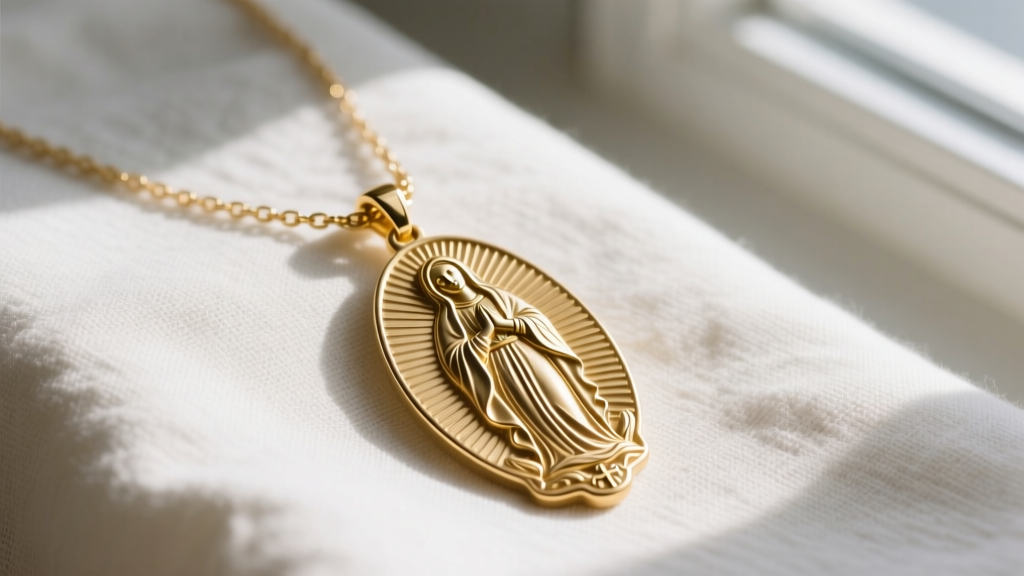
The Catholic necklace scapular is far more than a simple piece of religious jewelry; it is a profound sacramental, a sacred sign that prepares the wearer to receive grace and disposes them to cooperate with it. Whether you are embracing the traditional Brown Scapular of Our Lady of Mount Carmel or opting for a Five-Way medal scapular, selecting the right piece requires a careful balance of theological requirements, metallurgical durability, and personal comfort. In this comprehensive step-by-step guide, we will walk you through the exact specifications, material grades, and religious guidelines necessary to choose, wear, and maintain your scapular necklace for a lifetime of faithful devotion.
Understanding the Catholic Necklace Scapular: Cloth vs. Medal
Before selecting your materials, it is crucial to understand the two primary forms of the scapular. The traditional cloth scapular consists of two small pieces of brown wool connected by ribbons or cords, designed to hang over the shoulders with one piece resting on the chest and the other on the back. However, in 1910, Pope Pius X issued a decree permitting the use of a scapular medal as a valid substitute for the cloth version, particularly for those living in tropical climates or engaged in manual labor where wool would quickly deteriorate.
A valid scapular medal must feature an image of Jesus (often the Sacred Heart) on one side and an image of the Blessed Virgin Mary (such as Our Lady of Mount Carmel) on the other. When choosing a Catholic necklace scapular, you are generally selecting a medal scapular, which offers vastly superior durability and allows for intricate jewelry craftsmanship, including deep relief carving, oxidized finishes, and precious metal casting.
Step 1: Selecting the Right Metal and Chain Gauge
The longevity of your scapular necklace depends entirely on the metallurgy of the medals and the structural integrity of the chain. Because a scapular is meant to be worn constantly—often beneath clothing, exposed to sweat, and subjected to friction—choosing the right metal grade is non-negotiable.
| Material | Grade / Specification | Tarnish Risk | Avg. Price Range | Best Use Case |
|---|---|---|---|---|
| Sterling Silver | 925 w/ Rhodium Flash | Low (if plated) | $45 - $120 | Everyday wear, hypoallergenic |
| Yellow Gold | 14k Solid (585) | None | $250 - $600 | Lifetime heirloom, shower-safe |
| Stainless Steel | 316L Surgical Grade | None | $20 - $50 | Active lifestyles, high sweat exposure |
| Gold Vermeil | 2.5µm Gold over 925 | Medium | $60 - $150 | Fashion-forward, occasional wear |
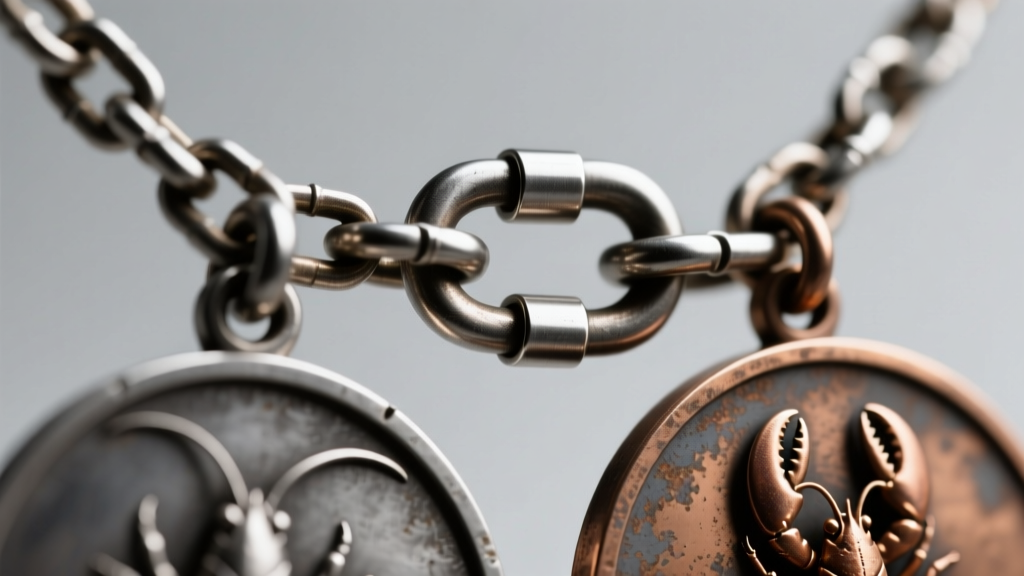
Equally important is the chain gauge. Avoid delicate cable chains (under 1.0mm) or snake chains, which are prone to kinking and snapping under the weight of dual medals. Instead, opt for a 1.2mm to 1.5mm box chain or a 1.5mm rolo chain. Box chains are exceptionally resistant to tangling and provide a sturdy, geometric aesthetic that complements the structured look of scapular medals. Ensure the clasp is a spring-ring or lobster-claw mechanism rated for at least 1.0mm wire thickness to prevent accidental unfastening.
Step 2: Sizing Your Scapular Necklace for Proper Wear
Sizing a Catholic necklace scapular differs significantly from standard fashion pendants. If you are wearing a traditional cloth scapular, the strings must be long enough to allow one square of wool to hang down your front and the other down your back, resting over your shoulders.
For the more common medal scapular necklace, the rules of physical placement are slightly more flexible, but the chain length still dictates both comfort and reverence. Most adult men and women find that a 24-inch to 28-inch chain is the ideal length. This ensures the medals rest comfortably on the upper chest or sternum, rather than choking the neck (18-20 inches) or swinging too low into the abdomen (30+ inches). When purchasing, measure from the base of your neck down to your sternum and double that measurement to find your precise chain length.
Step 3: The Investiture and Blessing Process
A scapular is not merely a decorative pendant; it requires a spiritual activation. According to guidelines outlined by the Carmelite Order, the first time you wear a scapular, you must be formally invested by a priest or deacon. This investiture ceremony enrolls you in the confraternity and attaches the spiritual promises associated with the scapular.
While the initial investiture requires a formal blessing and enrollment, subsequent replacements of a worn or broken scapular medal do not require a new investiture. The spiritual enrollment remains intact, though having the new medal blessed by a priest is a highly recommended pious practice.
When taking your newly purchased Catholic necklace scapular to your parish, simply ask the priest for a blessing of a religious article. If it is your very first scapular, request the formal Rite of Investiture, which takes only a few minutes and requires the priest to use the specific ritual prayers designated for the Brown Scapular.
Step 4: Daily Care, Cleaning, and Maintenance
Because your scapular necklace will be in constant contact with your skin, it will accumulate sebum, dead skin cells, and environmental pollutants. Establishing a strict cleaning regimen will prevent the degradation of the metal and the dulling of the relief carvings.
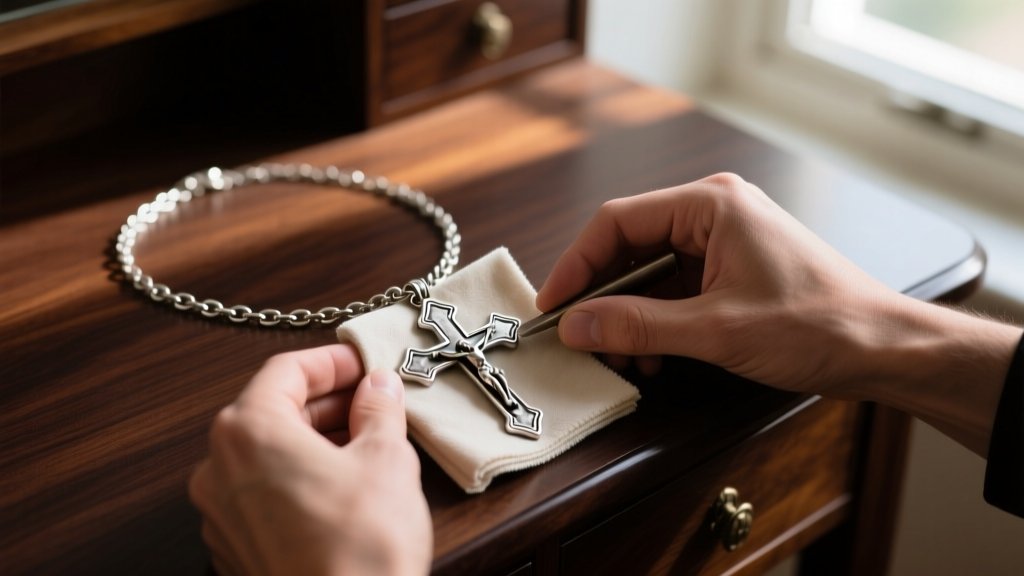
- For 925 Sterling Silver: Remove the necklace once a week. Wash it in a bowl of warm water with a few drops of mild, phosphate-free dish soap. Use a baby toothbrush to gently scrub the crevices of the medals where dirt accumulates. Dry thoroughly with a microfiber cloth to prevent water spots.
- For 14k Solid Gold: Gold is highly resistant to tarnish and sweat. You can safely wear a 14k gold scapular in the shower. However, avoid exposing it to chlorine in swimming pools, as chlorine can cause microscopic stress fractures in gold alloys over time, leading to chain breakage.
- For 316L Stainless Steel: This surgical-grade metal is virtually indestructible in normal wear conditions. Simply wipe it down with a damp cloth and a mild antibacterial soap once a month to maintain its high-polish luster.
Troubleshooting Common Scapular Necklace Issues
Even with high-quality materials, daily wear can present specific challenges. Here is how to troubleshoot the most common issues encountered with scapular necklaces:
Skin Irritation and Green Discoloration: If your skin turns green or becomes itchy, you are likely reacting to copper or nickel alloys in the metal. Pure 14k gold and 316L stainless steel are completely hypoallergenic. If you are wearing sterling silver, ensure it is stamped '925' and avoid pieces that use nickel as a hardening agent. Upgrading to a rhodium-plated 925 silver chain creates a barrier that prevents copper-sweat reactions.
Chain Tangling: If your dual-medal scapular constantly tangles, it is likely because the chain is too thin or the links are too loose. Switching to a 1.5mm box chain or a wheat chain will drastically reduce tangling due to the rigid, interlocking geometry of the links. Additionally, ensure the jump rings connecting the medals to the chain are soldered shut, preventing the medals from sliding up and down the chain and wrapping around each other.
Faded or Worn Relief Carvings: Over decades of wear, the raised details of the Sacred Heart or the Virgin Mary can wear down due to friction against clothing. To preserve the intricate details of your medals, wear the scapular tucked beneath your undershirt. This not only protects the metal from abrasive outer garments but also keeps the sacramental close to your heart, aligning with the traditional spiritual intent of the devotion.


