How to Repair and Authenticate a Kate Spade Bow Necklace
Troubleshoot common issues with your Kate Spade bow necklace. Learn to spot fakes, fix broken clasps, and restore faded enamel or plating.

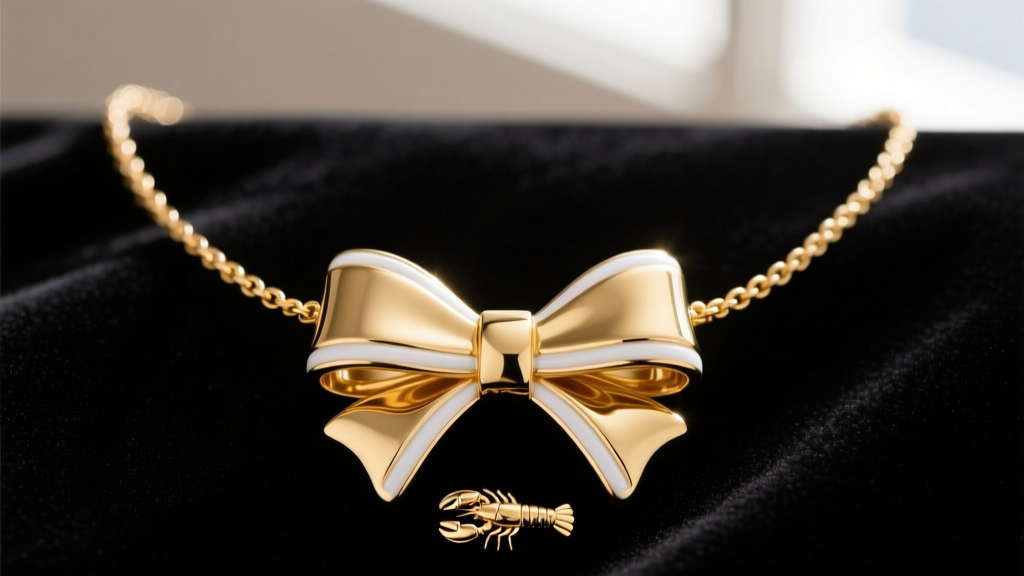
The Kate Spade bow necklace has remained a staple of accessible luxury and feminine elegance for over a decade. However, as with any fashion jewelry piece featuring gold flash plating and epoxy enamel, daily wear inevitably leads to tarnishing, enamel chipping, and clasp fatigue. Whether you have inherited a vintage piece, purchased one from a 2026 resale marketplace, or are simply trying to revive a beloved favorite from the back of your jewelry box, understanding the exact anatomy and repair protocols of this specific pendant is crucial.
The Anatomy of a Kate Spade Bow Necklace
Before attempting any repairs, it is essential to understand the materials you are working with. The classic Kate Spade bow pendant is typically cast from a brass base alloy (often CuZn39Pb2) and finished with a 12k or 14k gold flash plating. According to the FTC Jewelry Guides, flash plating generally measures between 0.17 and 0.5 microns in thickness. This thin layer provides a brilliant initial luster but is highly susceptible to friction and acidic skin pH levels. The signature black or white accents are not vitreous enamel (which requires high-heat kiln firing) but rather a cold epoxy resin poured into cast cavities.
Troubleshooting Common Wear & Tear Issues
1. Enamel Chipping and Discoloration
Because the bow design features intricate, raised metal borders separating the enamel channels, impacts against hard surfaces can cause the epoxy to chip. If you notice a missing section of black or white enamel, do not use standard super glue, which will dry cloudy and ruin the piece. Instead, use a two-part jewelry-grade epoxy (such as Devcon 5-Minute Epoxy). Mix a micro-drop on a glass palette, tint it with a pinch of cosmetic-grade mica powder to match the original hue, and apply it using a dental pick or a 0.5mm liner brush. Allow it to cure for 24 hours before polishing the surrounding brass with a dry microfiber cloth.
2. Chain Tangling and Clasp Failure
The standard cable chain used on these necklaces is delicate, usually measuring 1.2mm to 1.5mm in thickness. The most common failure point is the 5mm jump ring connecting the 10mm lobster clasp to the chain. Over time, lateral stress pulls the jump ring apart, creating a gap where the chain slips out.
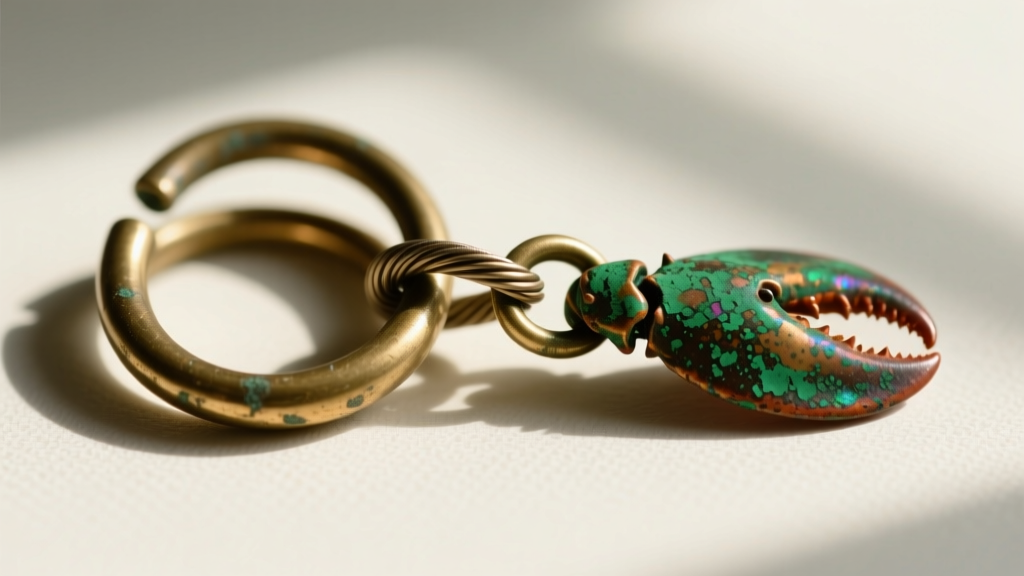
The Fix: Never pull a jump ring apart by stretching it outward; this weakens the brass wire. Use two pairs of flat-nose or chain-nose pliers to grip the jump ring on either side of the split. Twist one hand toward you and the other away from you (a lateral motion) to open it. Slide the chain back in, and twist it closed until you hear and feel a subtle 'click' indicating the ends are perfectly flush.
3. Restoring Faded Gold Plating
When the gold plating wears away, the underlying brass reacts with sulfur and moisture in the air, creating a greenish-black tarnish. While you cannot re-plate a piece at home without specialized electroforming equipment, you can safely clean the exposed brass. Create a paste using equal parts baking soda and lemon juice. Apply it with a cotton swab strictly to the tarnished areas, avoiding the enamel channels. Rinse with distilled water and dry immediately. For a permanent fix, a professional jeweler can re-plate the piece using a 2.5-micron heavy gold electroplate, which will cost between $45 and $85 but will make the necklace significantly more durable than its factory finish.
Authentication Guide: Spotting Counterfeits in 2026
As the secondary market for vintage and discontinued Kate Spade jewelry has surged, so has the sophistication of counterfeit manufacturing. Authenticating a Kate Spade bow necklace requires examining the hallmarking, weight, and font kerning.
| Feature | Genuine Kate Spade | Common Counterfeit |
|---|---|---|
| Hallmark Stamp | 'kate spade new york' with a crisp © symbol. Font is lowercase, sans-serif, with precise kerning. | Often features uppercase letters, missing copyright symbols, or blurred, shallow laser etching. |
| Pendant Weight | Approx. 4.5 to 6.2 grams (solid brass base). | Often under 3 grams (hollow cast or cheap zinc alloy). |
| Enamel Finish | Flush with the metal borders; smooth, glass-like surface. | Sits below the metal borders; often features bubbles or uneven pooling. |
| Clasp Detail | Custom-stamped lobster clasp, sometimes featuring a tiny spade icon on the lever. | Generic, lightweight lobster clasp with sharp, unfinished edges. |
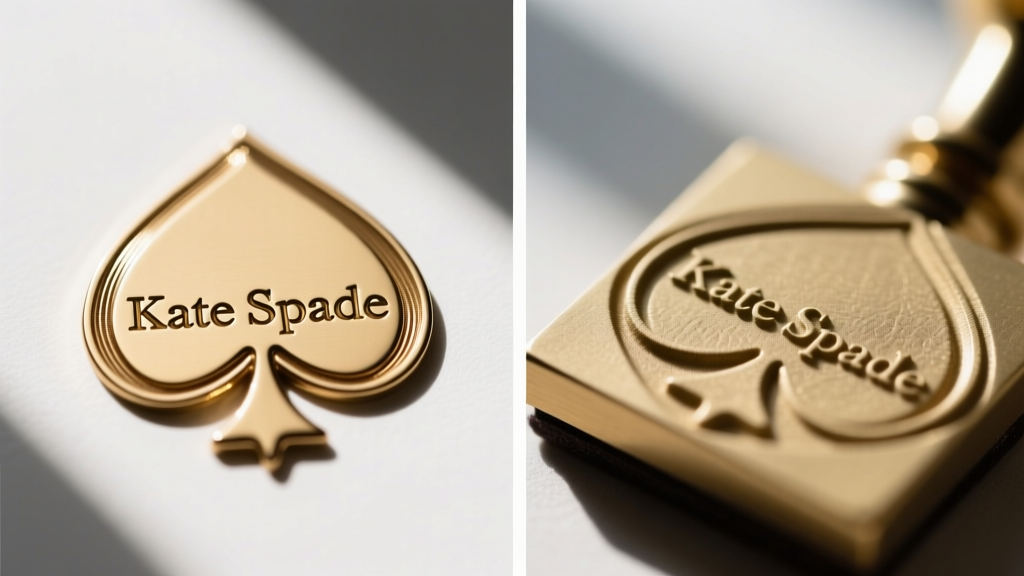
Expert Insight: The Gemological Institute of America (GIA) notes that modern cold enamel techniques can mimic vintage finishes, but the precision of the metal casting remains the truest indicator of authenticity. Genuine Kate Spade molds are CNC-machined, resulting in perfectly symmetrical bow loops and razor-sharp inner corners.
Professional Repair vs. DIY: Cost Breakdown
Deciding whether to repair your necklace at home or send it to a professional depends on the severity of the damage. Here is a realistic 2026 pricing guide for professional fashion jewelry restoration:
- Lobster Clasp Replacement: $25 - $40 (Includes labor and a high-quality brass or gold-filled replacement clasp).
- Jump Ring Soldering: $30 - $50 (A jeweler will use a laser welder to fuse the jump ring shut, preventing future chain loss).
- Enamel Infilling: $40 - $60 (Professional tinting and leveling of chipped epoxy channels).
- Full Gold Re-plating: $65 - $95 (Ultrasonic cleaning, polishing, and 2-micron 14k gold electroplating).
For minor chain tangles or simple jump ring adjustments, DIY repair with a $15 jewelry plier kit is highly recommended. However, if the pendant's brass base is deeply pitted or the bow loops have snapped off entirely, professional laser welding is the only viable solution, as traditional soldering torches will melt the epoxy enamel.
Preventative Care & Storage Protocols
To maximize the lifespan of your gold-plated brass jewelry, environmental control is key. Brass is highly reactive to humidity and airborne sulfur. Store your Kate Spade bow necklace in an airtight polyethylene ziplock bag alongside a 3M anti-tarnish strip and a small silica gel desiccant packet. Never wear the necklace while applying perfume, lotions, or hairspray, as the alcohol and volatile organic compounds (VOCs) in these products will rapidly dissolve the gold flash plating. By following these precise troubleshooting and maintenance protocols, you can ensure your necklace remains a flawless, authentic statement piece for years to come.


