Cruel Intentions Necklace: 2026 Budget & Value Assessment
Is the iconic Cruel Intentions necklace worth the price? We break down material costs, replica vs. designer value, and where to invest your budget in 2026.

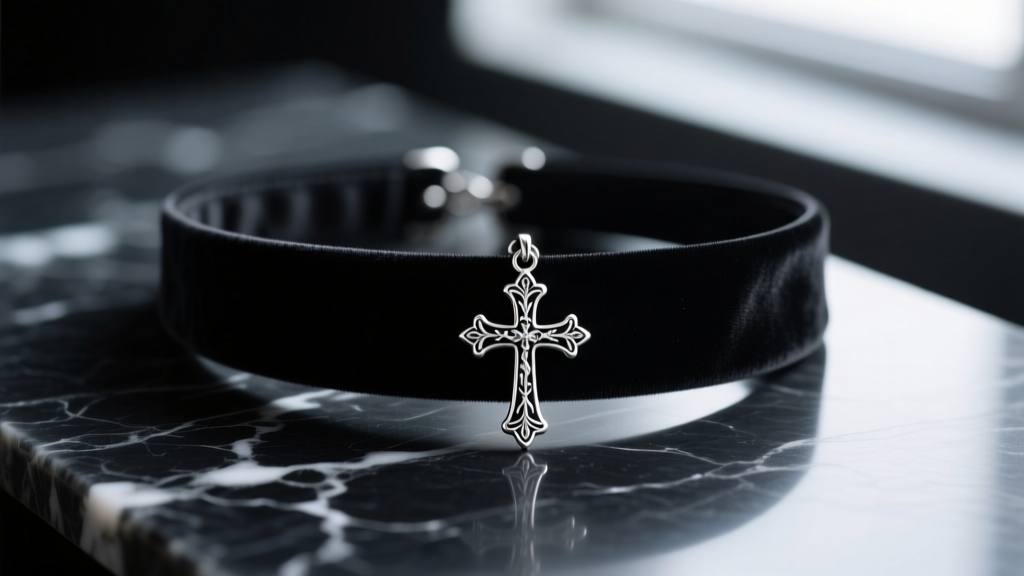
Since its debut in the late 1990s, the cruel intentions necklace has transcended its cinematic origins to become a permanent fixture in gothic-prep and Y2K-revival fashion. Worn by Sarah Michelle Gellar’s character Kathryn Merteuil in the 1999 cult classic film, the black velvet choker with an ornate silver cross pendant remains one of the most replicated pieces of pop-culture jewelry in history. According to IMDb's Cruel Intentions archive, the film's costume design heavily influenced late-90s and early-2000s mall-goth aesthetics, a legacy that continues to drive search volume and market demand in 2026.
However, the modern market is saturated with everything from $12 fast-fashion knockoffs to $350 artisan-crafted designer pieces. For collectors, cosplayers, and everyday wearers, understanding the true value of a cruel intentions necklace requires looking past the aesthetic and into the metallurgy, textile grades, and hardware construction. This comprehensive budget and value assessment will help you determine exactly what you should be paying for in 2026.
The Anatomy of the Screen-Accurate Choker
To assess value, we must first establish the baseline of the original screen-accurate design. The authentic 1999 prop was not a mass-market accessory; it was a custom-fitted piece featuring a 5/8-inch wide black velvet ribbon and a heavy, ornate cross pendant. The cross itself is not a standard Latin crucifix, but rather a flared, Maltese-inspired gothic cross with intricate filigree detailing and a slightly oxidized finish to give it an antique, aristocratic appearance. The ribbon was designed to sit snugly at the mid-neck, secured by a discreet metal slide clasp or hook-and-eye closure at the nape. When evaluating modern replicas or designer alternatives, deviations from these core proportions and material weights are the first indicators of compromised quality.
2026 Market Pricing Tiers & Value Matrix
The price of a cruel intentions necklace varies wildly depending on the manufacturing origin and material integrity. Below is a breakdown of the current market tiers and what your budget actually secures in terms of longevity and wearability.
| Market Tier | Material Composition | Average Price (2026) | Longevity & Value Assessment |
|---|---|---|---|
| Fast Fashion / Mall | Polyester velour, Zamak zinc alloy | $12 - $28 | Low. Prone to fraying, skin discoloration, and structural failure within months. |
| Artisan / Boutique | Silk-blend velvet, Brass or Silver-plate | $45 - $95 | Medium. Excellent for occasional wear; plating may wear off after 1-2 years of heavy use. |
| Fine / Designer Gothic | Pure silk velvet, Solid 925 Sterling Silver | $180 - $350+ | High. Heirloom quality, hypoallergenic, retains resale value, and withstands daily wear. |
Material Value Assessment: Textiles and Metals
When you are paying a premium for a high-end replica or a designer alternative, you are primarily paying for superior raw materials. The two main cost drivers are the textile ribbon and the metal pendant.
Velvet vs. Velour: The Drape and Flash Test
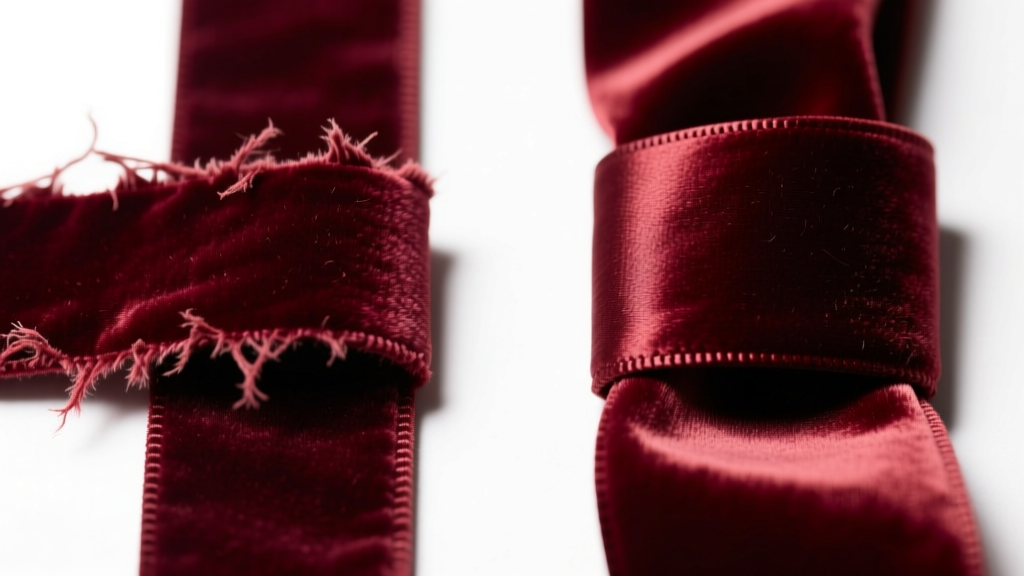
Cheap replicas utilize polyester velour. While soft to the touch, polyester velour is stiff, lacks a natural drape, and has a high-gloss sheen that reflects harshly under camera flash or direct sunlight. It also frays rapidly at the cut edges if not properly sealed. Mid-tier and high-end pieces use silk-blend or 100% silk velvet (velours). True silk velvet absorbs light, creating a rich, matte-to-satin depth that mimics the luxurious costume design of the original film. Furthermore, silk velvet conforms to the shape of the neck without buckling, providing a custom-fit silhouette that synthetic fibers simply cannot achieve.
Base Metal Alloys vs. Precious Metals
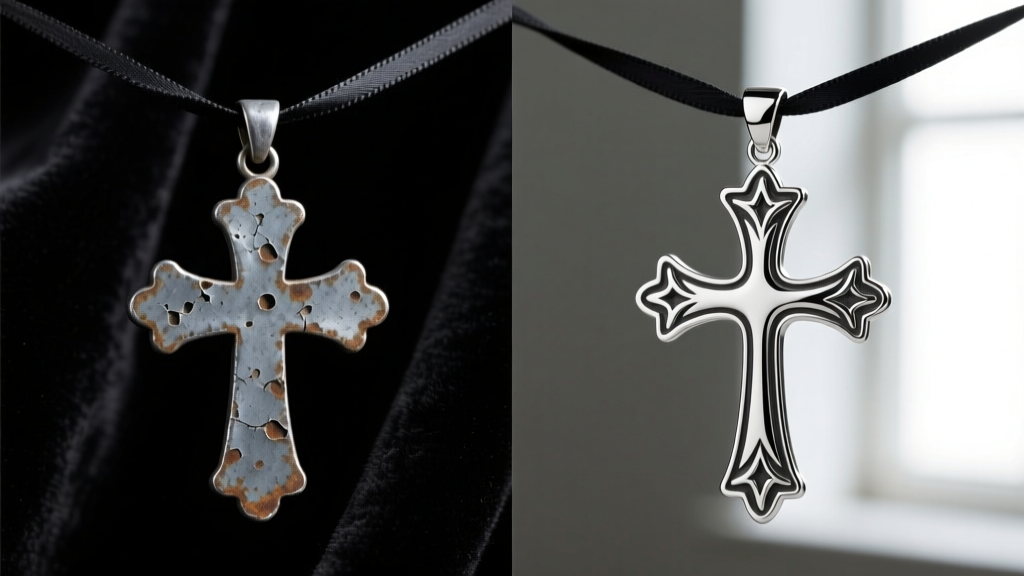
The pendant is where the true value of a cruel intentions necklace lies. Budget options use Zamak (a zinc alloy mixed with aluminum, magnesium, and copper). Zamak is cheap to cast but highly porous. It requires a thin flash-plating of silver or rhodium to look presentable. Once this micro-layer wears off through friction and skin oils, the underlying zinc oxidizes, leaving a green or black residue on your skin and degrading the structural integrity of the cross.
Mid-tier options utilize solid brass or bronze, which offers excellent weight and durability, though it still requires plating to achieve the silver aesthetic. For those seeking genuine value and skin safety, solid 925 sterling silver is the only acceptable standard for fine jewelry. According to the Gemological Institute of America (GIA), sterling silver must contain 92.5% pure silver, usually alloyed with copper for strength. A solid 925 silver gothic cross will not pit, will not cause contact dermatitis, and can be polished indefinitely, making a $200 investment far more cost-effective over a decade than replacing a $20 Zamak necklace every six months.
Hardware and Construction Flaws to Avoid
Many buyers focus entirely on the pendant and ribbon, ignoring the hardware findings that actually keep the necklace intact. The connection point between the velvet ribbon and the metal cross is a critical failure point in budget jewelry.
- Jump Ring Gauge: The jump ring connecting the cross to the velvet loop must be at least 16-gauge (1.29mm thick) and ideally soldered shut. Budget necklaces use thin, 20-gauge unsoldered jump rings that will easily pull apart under the weight of a solid metal pendant.
- Clasp Mechanics: The original screen-accurate design often relied on a simple slide tube or hook-and-eye. Modern adaptations frequently use lobster clasps for adjustability. If a lobster clasp is used, ensure it is stamped metal rather than cast alloy, as cast clasps have weak internal springs that snap under tension.
- Ribbon Sealing: Inspect the ends of the velvet ribbon. High-quality artisans seal the edges with a micro-stitch or a specialized fabric fray-check resin. If the edges are raw or merely glued, the ribbon will unravel within weeks of friction against the clasp.
Designer Alternatives vs. Direct Replicas
If you are willing to stretch your budget into the $150–$300 range, you may want to look beyond direct 1:1 replicas and explore established gothic jewelry houses that offer superior interpretations of the aesthetic. Brands like The Great Frog London or Alchemy England specialize in heavy, hand-finished sterling silver gothic motifs. While their crosses may not be exact screen-matched replicas of the 1999 prop, the craftsmanship, weight, and artisanal detailing offer a vastly superior value proposition for serious collectors. Investing in a designer piece ensures you are buying a standalone work of jewelry that commands respect in alternative fashion circles, rather than a disposable costume piece.
Final Verdict: Where Should You Allocate Your Budget?
The value of a cruel intentions necklace is entirely dependent on your wear frequency. If you need a piece for a one-off Halloween costume or a brief cosplay event, a $25 fast-fashion replica is a justifiable, low-stakes expense. However, if you intend to integrate this iconic gothic-prep staple into your daily or weekly wardrobe, bypass the mid-tier plated options entirely. Save your budget and invest in a $150+ artisan piece featuring genuine silk velvet and a solid 925 sterling silver pendant. The upfront cost is higher, but the cost-per-wear drops significantly over time, ensuring your necklace remains a dark, elegant staple for years to come without tarnishing, fraying, or turning your skin green.


