Fixing & Authenticating a Black Hills Gold Heart Necklace
Learn how to authenticate, repair, and clean your Black Hills gold heart necklace. Expert troubleshooting for tri-color tarnish, chain breaks, and hallmarks.

The Unique Metallurgy of Black Hills Gold
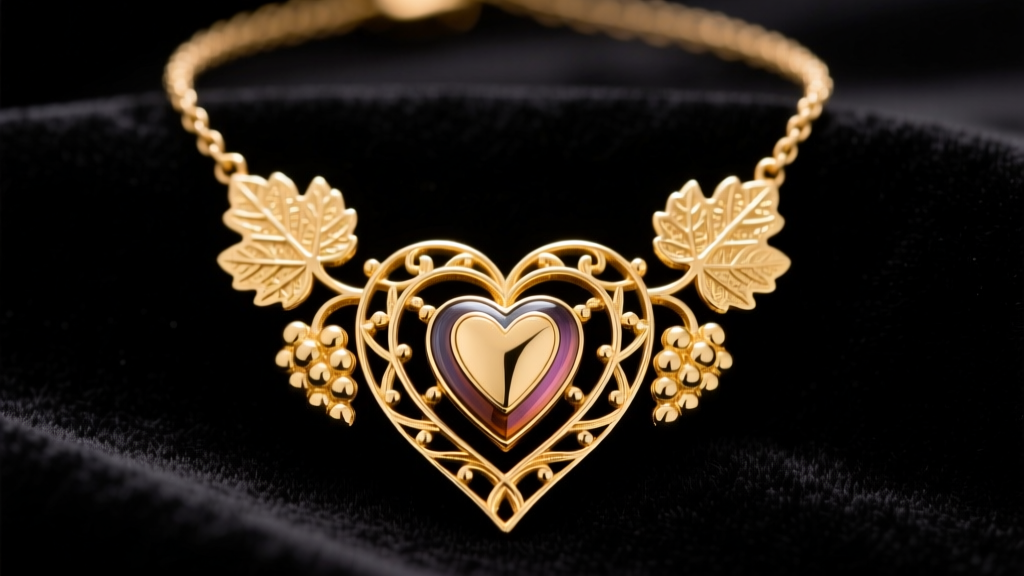
Owning a black hills gold heart necklace is unlike owning standard yellow or white gold jewelry. To properly troubleshoot, clean, or repair these pieces, you must first understand their complex metallurgical anatomy. By South Dakota state law, jewelry can only be legally marketed as "Black Hills Gold" if it is manufactured in the Black Hills region and features the signature tri-color leaf motif.
A typical heart pendant from this region is constructed using three distinct gold alloys:
- The Base (The Heart): Usually crafted from 10K yellow gold (41.7% pure gold, alloyed with copper and silver for durability and a warm yellow hue).
- The Green Leaves: Crafted from 12K green gold (50% pure gold, alloyed primarily with silver). The high silver content creates the distinct pale green tint but introduces a high susceptibility to silver sulfide tarnish.
- The Pink/Rose Leaves & Accents: Crafted from 12K pink gold (50% pure gold, alloyed heavily with copper). The copper provides the rosy hue but is highly reactive to oxygen and moisture, leading to copper oxide darkening.
Because these three alloys have different melting points, oxidation rates, and structural integrities, standard jewelry maintenance protocols will often ruin a Black Hills Gold (BHG) piece. Below is your comprehensive troubleshooting guide for the most common issues faced by BHG heart necklace owners.
Problem 1: Verifying Authenticity and Hallmarks
The most common inquiry we receive is how to authenticate a vintage black hills gold heart necklace. Because the tri-color leaf design is not copyrighted (only the geographic designation is protected), mass-market jewelers outside of South Dakota have historically mimicked the style. To verify your piece, you must examine the hallmarks on the back of the heart pendant or the bail.
According to the Federal Trade Commission (FTC) Jewelry Guides, gold purity and origin stamps must be accurate and accompanied by a registered maker's mark. Look for the following authenticators:
| Maker / Brand | Common Hallmarks & Stamps | Era of Prominence |
|---|---|---|
| Coleman | "Coleman", "C" inside a shield, "10K" | 1920s - Present |
| Landstrom's | "Landstrom's", "L" inside a circle | 1940s - Present |
| Mount Rushmore | "Mount Rushmore", "MR" stamp | 1930s - 1990s |
| Stamper | "Stamper", "S" inside a diamond | 1970s - Present |
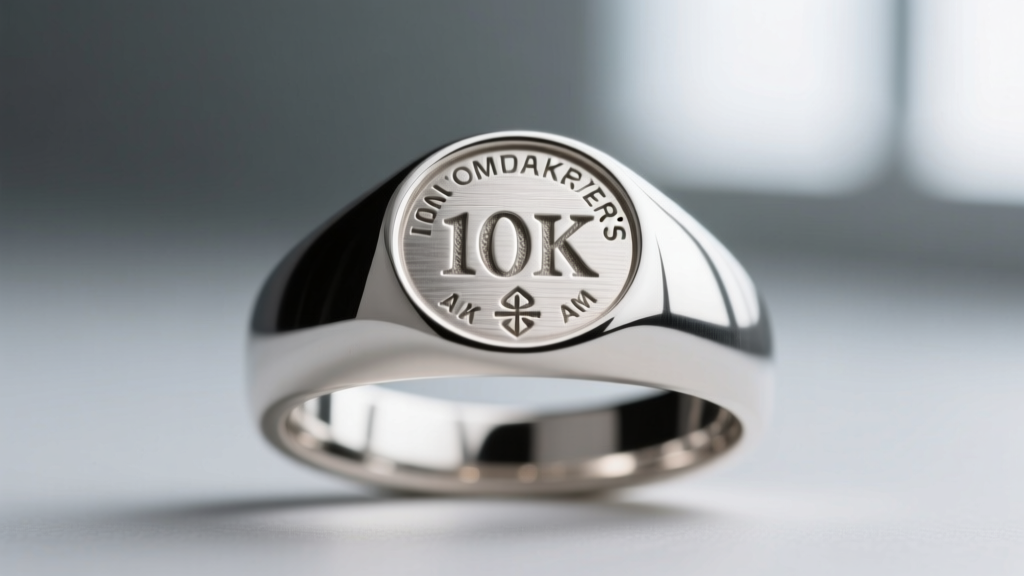
Troubleshooting Tip: If your necklace features the tri-color leaves but is stamped "14K" or "18K" on the base, it is almost certainly not authentic Black Hills Gold. Traditional BHG uses 10K for the base and 12K for the leaves to ensure the alloys bond correctly during the manufacturing process and to maintain the specific color contrast required by regional standards.
Problem 2: Severe Tarnish and Discoloration on the Leaves
Unlike pure 24K gold, which is virtually inert, the 12K green and pink gold leaves on your heart necklace are highly reactive. If your pink leaves have turned brownish-black, or your green leaves look dull and greyish, you are dealing with copper and silver oxidation.
The Danger of Chemical Dips and Ultrasonic Cleaners
Never use commercial silver dips (like Tarn-X) or ultrasonic cleaners on a black hills gold heart necklace. Chemical dips contain thiourea and strong acids that strip oxidation instantly. However, they also leach the copper and silver out of the 12K surface layer, leaving behind a porous, whitish-gold surface that permanently destroys the pink and green colors. Furthermore, ultrasonic cleaners use high-frequency cavitation that can easily snap the microscopic solder joints holding the delicate grape leaves and vines to the 10K heart base.
The Safe Cleaning Protocol
To safely remove tarnish without damaging the complex gold alloys, follow this specific protocol:
- Prepare a mild solution: Mix warm distilled water with a few drops of phosphate-free dish soap (like Dawn).
- Soak briefly: Submerge the pendant for no more than 3 to 5 minutes to loosen surface oils.
- Agitate gently: Use an extra-soft baby toothbrush to gently sweep across the engraved leaves. Do not scrub in circles; sweep in the direction of the leaf veins to avoid packing dirt into the crevices.
- Rinse and dry: Rinse under lukewarm distilled water and pat dry with a microfiber cloth. Avoid air-drying, which can leave hard water spots on the 12K alloys.
Problem 3: Bail Breakage and Chain Separation
The bail (the loop that connects the heart pendant to the chain) is a high-stress friction point. When the bail breaks or detaches from the 10K yellow gold heart, standard torch soldering is a massive risk.
Why Torch Soldering Fails on BHG
The delicate 12K leaves are attached to the 10K heart using a low-temperature "easy" solder (which flows around 650°C). The 10K base and bail require a higher-temperature solder. If a bench jeweler uses a standard butane or oxy-propane torch to reattach the bail, the ambient heat transfer will likely melt the easy solder holding the leaves, causing the tri-color motif to slide off or warp.
The Solution: Laser Welding
Always seek a jeweler equipped with an Nd:YAG laser welder for BHG repairs. Laser welding uses highly localized, pulsed light energy to fuse the 10K bail back to the heart base. The heat-affected zone (HAZ) is less than a millimeter, meaning the thermal energy never reaches the delicate leaf solder joints. This ensures your heart necklace retains its structural integrity and its signature aesthetic.
"When repairing multi-alloy regional jewelry like Black Hills Gold, thermal management is everything. A laser welder isn't just a luxury; it's a mandatory tool to prevent catastrophic alloy blending and joint failure." — Master Bench Jeweler Standard
Problem 4: Loss of Engraved Leaf Texture
Decades of wear, improper polishing, or aggressive chemical cleaning can wear down the deep, hand-engraved veins on the grape leaves. This leaves the heart necklace looking flat and dull, robbing it of the light-reflecting texture that makes BHG famous.
Re-Engraving and Rhodium Considerations
If your leaves have lost their texture, a master engraver can manually re-cut the veins using specialized gravers. However, be warned: some jewelers may attempt to "brighten" the piece by applying a rhodium flash. Never allow rhodium plating on a Black Hills Gold piece. Rhodium is a bright white metal used to plate white gold; applying it to pink and green gold will completely mask the colors, turning your vintage heart necklace into a generic, silvery-toned pendant. Always insist on a bare-metal polish using a soft muslin wheel and a mild rouge compound, followed by a thorough ultrasonic rinse (only if the leaves are confirmed to be securely laser-welded).
Summary Checklist for BHG Heart Necklace Maintenance
- Storage: Store in an anti-tarnish cloth pouch (like Pacific Silvercloth) to neutralize sulfur in the air, which attacks the silver in the green gold.
- Wear: Remove before swimming in chlorinated pools; chlorine reacts violently with the copper in the pink gold, causing irreversible structural brittleness.
- Polishing: Never use abrasive polishing cloths (like Sunshine cloths) directly on the leaves, as the micro-abrasives will flatten the hand-engraved details over time.
- Repairs: Mandate laser welding for any bail, jump ring, or chain repairs to protect the low-temperature leaf solder joints.
By respecting the unique tri-color metallurgy of your black hills gold heart necklace, you can preserve its historical charm, structural integrity, and vibrant colors for generations to come.


