The Ultimate Guide to Choosing a Dainty Pearl Choker Necklace
Discover how to choose the perfect dainty pearl choker necklace. Learn about pearl grades, sizing, stringing materials, and clasp hardware.

The Renaissance of the Dainty Pearl Choker Necklace
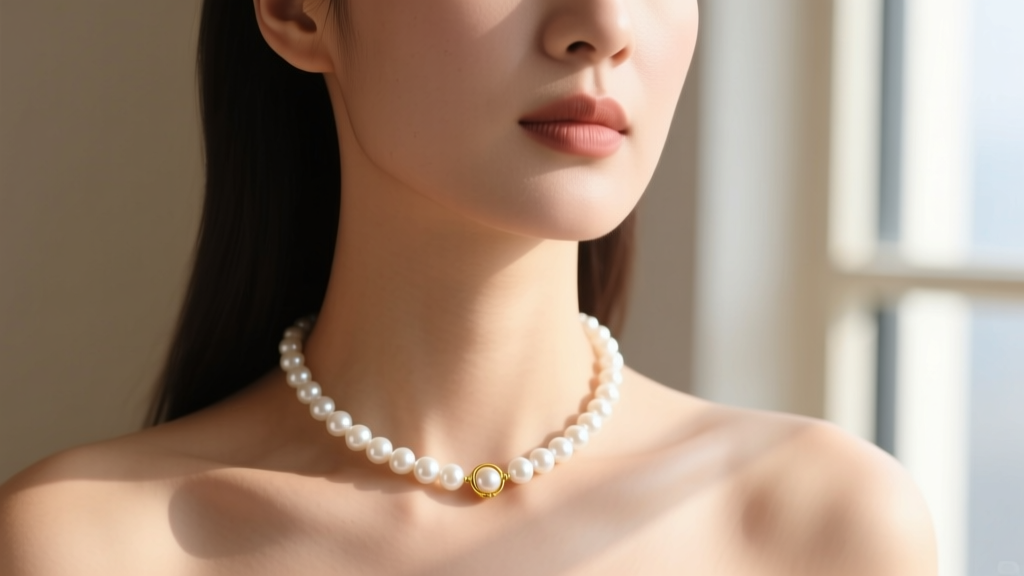
The dainty pearl choker necklace has firmly cemented its place as a cornerstone of the 'quiet luxury' and minimalist jewelry movements heading into 2026. Moving away from the chunky, heavy statement pieces of the early 2000s, today's collectors and everyday wearers are gravitating toward delicate, refined silhouettes that offer versatility without overwhelming the neckline. A true 'dainty' choker relies on smaller pearl diameters—typically ranging from 3mm to 6mm—and lightweight, unobtrusive hardware. However, the delicate appearance of these necklaces belies the complexity of their construction. Choosing the right piece requires a keen understanding of pearl origins, stringing durability, clasp metallurgy, and precise anatomical sizing. This comprehensive buying guide will dissect the critical elements you must evaluate before investing in a dainty pearl choker necklace, ensuring your purchase is both aesthetically flawless and structurally enduring.
Decoding Pearl Types: Freshwater vs. Akoya vs. Imitation
The foundation of any pearl choker is the pearl itself. For a dainty aesthetic, the millimeter size and luster quality are paramount. Understanding the biological and manufacturing differences between pearl types will dictate both the price point and the longevity of your necklace.
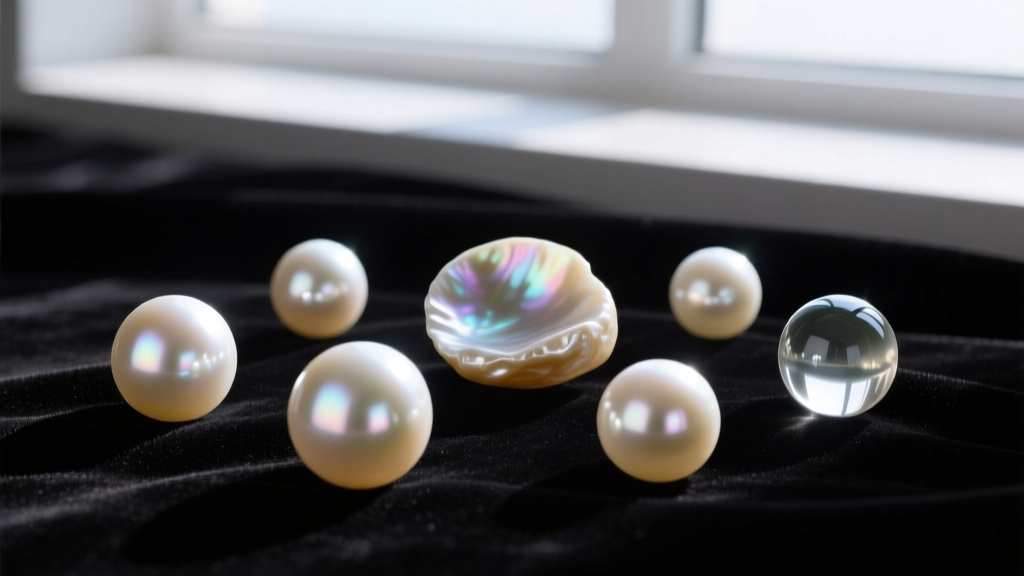
Akoya Pearls (4mm - 7mm): Cultivated primarily in Japan and China, Akoya pearls are the gold standard for perfectly round, high-luster dainty chokers. Their mirror-like luster is a result of the cold-water environment in which they are grown, which forces the oyster to secrete nacre in tight, highly reflective crystalline layers. A 5mm Akoya choker will exhibit a sharp, almost metallic reflection, making it the premier choice for formal wear and luxury investments.
Freshwater Pearls (3mm - 6mm): Grown in mussels in freshwater lakes, these pearls offer exceptional value and durability. Unlike saltwater pearls, freshwater pearls are often composed of solid nacre all the way through, making them highly resistant to chipping. While historically known for irregular 'baroque' shapes, modern cultivation techniques now produce near-round 'Edison' and 'Freshadama' grade freshwater pearls that rival Akoyas at a fraction of the cost. For a dainty choker, 4mm near-round white freshwater pearls provide a soft, satiny luster that is perfect for daily wear.
Shell Pearls and Glass Imitations: Often marketed as 'Majorica' or simply 'faux pearls,' these are manufactured by coating glass or mother-of-pearl beads with a synthetic pearlescent lacquer. While they offer perfect uniformity and zero blemishes, they lack the depth, refraction, and thermal properties of real nacre. They are suitable only for fast-fashion budgets and will inevitably peel or yellow over time.
Sizing Framework: Finding the Perfect Choker Fit
A choker, by definition, sits snugly against the base of the neck. However, a 'dainty' choker should never feel like a collar. The difference between a comfortable, elegant fit and a restrictive one comes down to precise millimeter measurements. To find your ideal size, use a soft measuring tape to measure the circumference of your neck exactly where you want the necklace to rest, then add 0.5 to 1 inch depending on your desired snugness.
| Neck Circumference | Choker Length (Tight) | Choker Length (Comfort) | Best For |
|---|---|---|---|
| 12.0 - 12.5 inches | 13.0 inches | 13.5 inches | Petite frames, high collars |
| 13.0 - 13.5 inches | 14.0 inches | 14.5 inches | Standard tight choker fit |
| 14.0 - 14.5 inches | 15.0 inches | 15.5 inches | Classic dainty choker placement |
| 15.0 - 15.5 inches | 16.0 inches | 16.5 inches | Loose choker / Princess hybrid |
For a truly dainty look, the 14-inch to 15-inch range is the industry standard, resting just above the clavicle. If you plan to wear your choker with high-necked blouses or turtlenecks in the winter, sizing up by half an inch is highly recommended to accommodate the extra fabric bulk.
Stringing Materials and Clasp Hardware: The Hidden Details
The most common failure point in any pearl necklace is not the pearl itself, but the material holding it together. When evaluating a dainty pearl choker necklace, scrutinize the stringing medium and the clasp hardware.
Stringing Materials
- Silk Thread: The traditional choice for high-end pearls. Silk drapes beautifully and knots securely between each pearl. However, silk is highly susceptible to degradation from sweat, perfume, and humidity. A silk-strung choker worn daily will require professional restringing every 12 to 18 months.
- Power Pro / Braided Polyethylene: The modern jeweler's secret. This ultra-thin, marine-grade braided thread offers the soft drape of silk but is completely impervious to water and stretching. If you want a knotted dainty choker that you can wear in the shower or at the gym, insist on braided polyethylene.
- Beading Wire (Soft Flex): A plastic-coated steel cable. While incredibly strong, it lacks flexibility. A 3mm or 4mm pearl choker strung on beading wire will feel stiff and may kink over time, ruining the delicate drape required for a dainty aesthetic.
Clasp Metallurgy and Mechanics
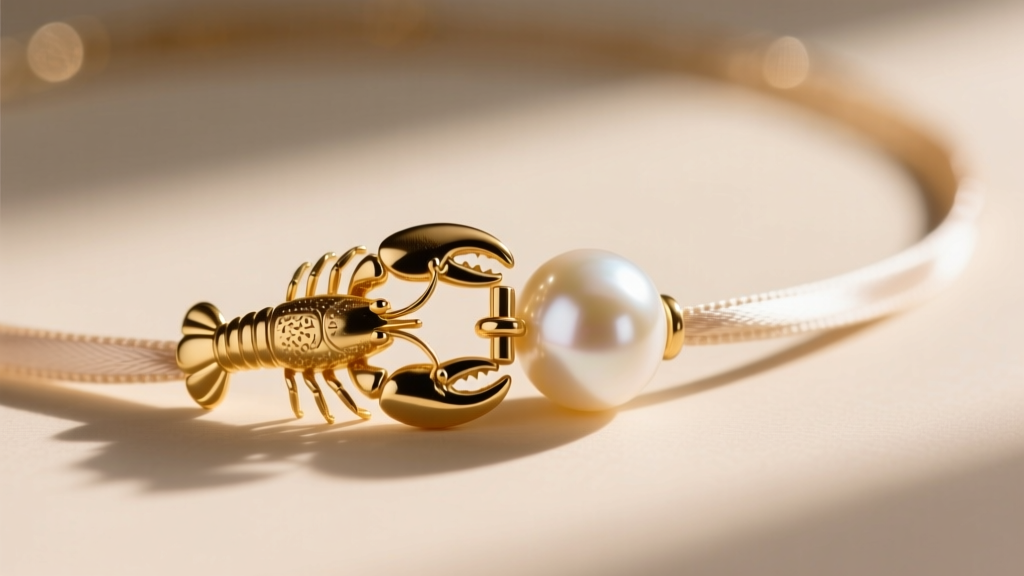
Because a choker sits directly against the pulse points of the neck, the clasp is constantly exposed to body heat, sweat, and friction. Base metals or low-karat gold plating will tarnish rapidly and cause contact dermatitis. Always look for Solid 14k Gold, 18k Gold, or at minimum, 14k Gold-Filled (which contains 100 times more gold alloy than standard gold plating). Sterling silver is acceptable but requires frequent polishing to prevent blackening. For the clasp mechanism, a small lobster claw is the most secure option. Avoid spring-ring clasps, as their tiny internal springs frequently fail, and magnetic clasps, which can catch on fine hair and delicate fabrics.
Quality Grading: The 4 Pillars of Pearl Evaluation
When shopping for a dainty pearl choker, you will encounter various grading scales (AAA, AA+, etc.). It is crucial to understand that these scales are not universally standardized across the industry, meaning one vendor's 'AAA' might be another's 'AA+'. Instead of relying on letters, evaluate the pearls based on the criteria established by gemological authorities. According to the Gemological Institute of America (GIA), the primary value factors for pearls include luster, surface quality, shape, and nacre thickness.
Luster: This is the most critical factor. High-quality dainty pearls should exhibit sharp, bright reflections. If the pearls look chalky, dull, or milky, the nacre is too thin or of poor quality.
Surface: Because dainty pearls are small (3-6mm), surface blemishes are more easily hidden than on large pearls. However, avoid strands with visible cracks, deep pits, or chalky spots, as these compromise the structural integrity of the nacre.
Shape: For classic dainty chokers, 'Round' to 'Near-Round' is preferred. The strand should be well-matched, meaning the pearls gradually taper in size toward the clasp (a technique called 'graduation') or remain perfectly uniform in diameter.
Experts at Pure Pearls emphasize that for smaller, dainty pearls, nacre thickness is rarely an issue with freshwater varieties, but buyers should be wary of heavily processed, bleached, or dyed saltwater pearls that may have compromised nacre layers.
Styling and Layering Techniques for 2026
The beauty of the dainty pearl choker necklace lies in its unparalleled versatility. It acts as a neutral canvas that can be styled up or down. For a modern, editorial look, layer your 14-inch pearl choker with a 16-inch delicate gold cable chain and an 18-inch pendant necklace. This 'cascade' effect draws the eye downward and elongates the neck. When wearing a dainty pearl choker with V-necklines or scoop necks, the pearls perfectly frame the exposed collarbones without competing for attention. For crew necks or button-down shirts, the choker adds a necessary focal point of organic texture to structured fabrics. Avoid wearing dainty pearl chokers with heavily embellished or sequined garments, as the subtle luster of the pearls will be entirely lost in the visual noise.
Price Expectations and Investment Tiers
Understanding the market pricing for dainty pearl chokers will protect you from overpaying for inferior goods or falling for 'too good to be true' scams. In the current market, expect the following price brackets for a standard 15-inch dainty choker (4mm - 5mm pearls):
- Fashion / Imitation ($20 - $60): Glass or shell pearls with gold-plated brass hardware. Suitable for occasional wear, but expect tarnishing and peeling within a year.
- Mid-Range Freshwater ($80 - $250): Genuine near-round freshwater pearls with solid sterling silver or 14k gold-filled clasps. This is the sweet spot for everyday wearers seeking genuine nacre and excellent durability.
- Luxury Akoya ($600 - $1,500+): Perfectly round, high-luster Japanese Akoya pearls, individually knotted on silk or Power Pro, finished with solid 18k gold or platinum hardware. This is an heirloom-tier investment designed to last generations.
By prioritizing high luster, modern stringing materials, and precise anatomical sizing, you can confidently select a dainty pearl choker necklace that transcends fleeting trends and remains a sophisticated staple in your jewelry collection for decades to come.


