Black Cross Necklace Men: A Beginner's Guide to Style & Sizing
Discover how to choose, size, and style the perfect black cross necklace men love. Explore materials, chain pairings, and fit tips in our beginner guide.

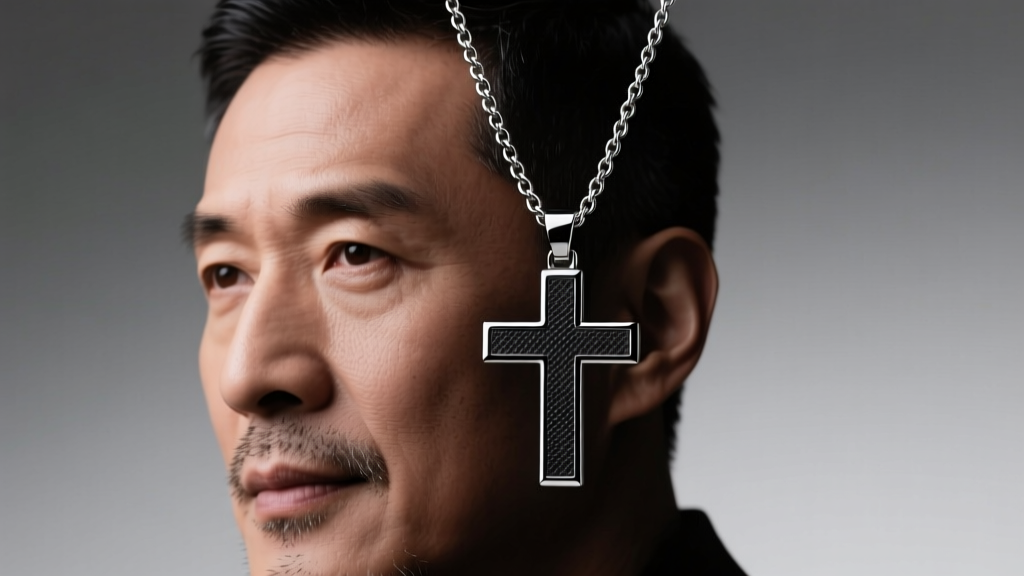
The Anatomy of a Signature Dark Aesthetic
Choosing a black cross necklace men frequently wear as a signature piece requires understanding materials, proportions, and chain pairings. The cross pendant has transcended its purely religious origins to become a staple in dark academia, gothic streetwear, and minimalist everyday fashion. The introduction of blackened metals and dark gemstones adds an edge that traditional polished silver or gold simply cannot achieve. For beginners stepping into men's jewelry, the dark cross offers a versatile, masculine anchor piece that pairs effortlessly with everything from vintage band tees to tailored overcoats.
However, not all dark pendants are created equal. The market is flooded with cheap alloys that tarnish and turn skin green, alongside high-end pieces that require meticulous care. This guide will break down the metallurgy, sizing frameworks, and styling techniques you need to make an informed purchase that lasts for years.
Decoding Materials: What Makes the Cross Black?
The color black in jewelry is achieved through several distinct chemical and physical processes. Understanding these will dictate the price, durability, and maintenance requirements of your pendant.
PVD Coated Stainless Steel and Titanium
Physical Vapor Deposition (PVD) is an advanced vacuum coating process that bonds a microscopic layer of titanium nitride or zirconium nitride to a stainless steel or titanium base. This results in a deep, matte, or glossy black finish that is highly resistant to scratching and corrosion. PVD coatings are typically 0.5 to 2 microns thick and will not flake or turn your skin green. This is the most practical choice for daily wear, gym sessions, and showering, with prices generally ranging from $40 to $90.
Oxidized Sterling Silver
Oxidation is a controlled chemical process where sterling silver (92.5% pure silver) is exposed to sulfur compounds, such as liver of sulfur. This forces the silver to tarnish rapidly, turning the recessed areas of the cross pitch black while the raised edges are hand-polished to a bright silver shine. This creates a striking, high-contrast, antique look. According to the Silver Institute, properly oxidized silver is stable, but the dark patina on the high-contact polished edges will eventually wear away, requiring re-oxidation by a jeweler. Expect to pay between $70 and $180 for quality artisan pieces.
Gemstone Inlays: Onyx and Black Spinel
For a luxurious, light-absorbing black, jewelers use precision-cut gemstones inlaid into precious metal bezels. Black onyx is a dyed variety of chalcedony, while black spinel is a naturally occurring, highly durable stone. The Gemological Institute of America (GIA) notes that onyx ranks at 6.5 to 7 on the Mohs hardness scale, making it highly resistant to everyday scratches. A solid gold or platinum cross featuring genuine black onyx inlays is an investment piece, typically starting at $250 and reaching well over $1,000 depending on the metal weight and brand.
| Material / Treatment | Durability & Water Resistance | Average Price Range | Maintenance Level |
|---|---|---|---|
| PVD Coated Steel | Excellent (Waterproof, scratch-resistant) | $40 - $90 | Low (Soap and water) |
| Oxidized Sterling Silver | Moderate (Patina wears on high points) | $70 - $180 | Medium (Avoid harsh chemicals) |
| Black Rhodium Plated | Low (Plating wears off in 1-2 years) | $100 - $250 | High (Requires replating) |
| Onyx Inlay in Solid Gold | High (Stone is durable, metal is soft) | $250 - $1,500+ | Low (Professional polishing) |
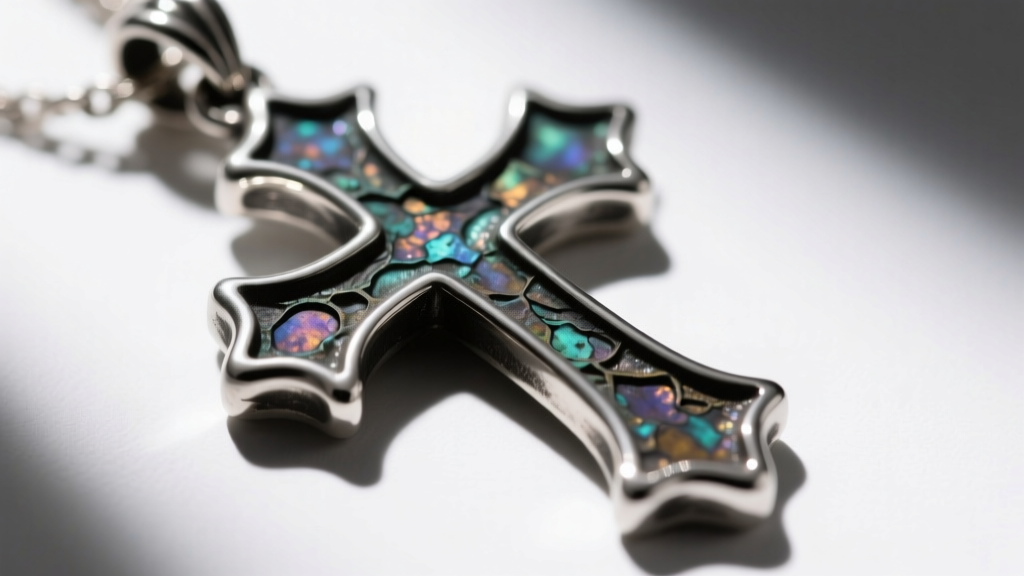
Proportion and Sizing: Getting the Fit Right
The most common mistake beginners make is ignoring the relationship between pendant size, chain thickness, and the wearer's physique. A massive cross on a fragile chain looks unbalanced, while a tiny pendant on a thick rope chain gets lost.
Pendant Dimensions by Build
- The Subtle Minimalist (15mm - 22mm): Ideal for slimmer builds or those who prefer a discreet, office-appropriate look. This size tucks easily under a crewneck t-shirt or rests just above the collarbone.
- The Standard Proportion (25mm - 35mm): The sweet spot for the average male physique (5'8" to 6'0"). It provides enough visual weight to stand alone as a statement piece without overpowering your outfit.
- The Statement Piece (40mm - 60mm+): Best suited for larger builds, streetwear aesthetics, or wearing over clothing like hoodies and denim jackets. These heavy pendants require robust chain support.
Chain Thickness and Bail Sizing
The "bail" is the loop at the top of the cross that the chain feeds through. Always check the bail's inner diameter before purchasing a chain. A standard 25mm cross usually features a 5mm bail, meaning you need a chain that is 4.5mm or thinner.
For a masculine, modern aesthetic, 3mm to 5mm Curb or Rope chains are the industry standard. Curb chains lay flat against the chest and offer a rugged, industrial vibe, while rope chains catch the light beautifully and add a touch of classic luxury. Avoid box chains for heavy pendants, as the sharp corners of the box links can grind against the bail and cause premature wear.
Styling Frameworks for Everyday Wear
A black cross necklace is remarkably adaptable, but how you style it depends heavily on your neckline and the occasion.
Streetwear and Casual Layering
In streetwear, proportions are pushed to the extreme. Pair a 40mm black PVD steel cross on a 24-inch, 4mm Cuban link chain. Let the pendant rest low on the chest. To elevate the look, introduce a secondary, shorter chain (20 inches) featuring a simple, unadorned silver or black pendant, like a small dagger or plain signet link. This creates a cascading effect that draws the eye downward and adds depth to a plain hoodie or oversized graphic tee.
Smart Casual and Office Integration
For the office or a dinner date, subtlety is key. Opt for a 20mm oxidized silver or black onyx cross on a delicate 2mm to 3mm chain, cut to 20 inches so it rests right at the collarbone. Wear it with an unbuttoned Oxford shirt or a fine-gauge merino wool sweater. The dark metal provides a sharp, intentional contrast against lighter fabrics like white linen or heather grey cotton without crossing into flashy territory.

Maintenance: Protecting the Dark Finish
While black jewelry hides tarnish better than bright silver, it still requires specific care protocols to maintain its factory finish.
Expert Warning: Never put oxidized sterling silver or gemstone-inlaid pendants into an ultrasonic jewelry cleaner. The high-frequency vibrations can shatter the adhesive holding onyx inlays in place, and the chemical baths will strip the intentional dark oxidation right out of the silver's crevices, leaving you with a flat, grey pendant.
For PVD coated steel, simply wipe the pendant down with a damp microfiber cloth after heavy sweating to remove salt buildup, which can eventually degrade the coating over several years. For oxidized silver, use a dry, soft-bristled jewelry brush to clean dirt out of the crevices. Avoid silver polishing cloths on the darkened areas, as the mild abrasives in the cloth will rub away the black patina. If your black rhodium-plated piece begins to show the base metal underneath, take it to a local jeweler for a quick and inexpensive re-dipping.
Final Thoughts on Your First Dark Pendant
Investing in a black cross necklace is about finding the intersection of personal meaning, aesthetic preference, and material science. If you want a rugged, worry-free piece for daily abuse, PVD-coated stainless steel on a curb chain is your best entry point. If you appreciate artisan craftsmanship and high-contrast vintage aesthetics, seek out a master silversmith who specializes in liver-of-sulfur oxidation. By paying close attention to the bail size, chain thickness, and pendant dimensions relative to your build, you will secure a versatile accessory that anchors your wardrobe for years to come.


