South Hill Necklace Troubleshooting: Fix Clasps & Hinges
Fix common South Hill necklace issues. Expert troubleshooting for stiff locket hinges, broken bail clasps, chain tangling, and tarnish.

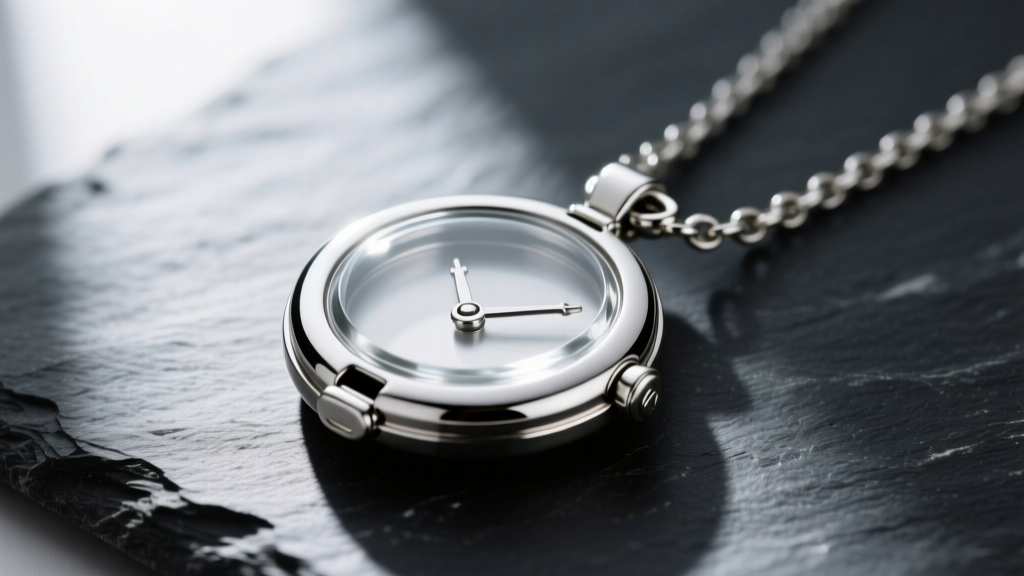
The Anatomy of a South Hill Necklace & Common Failure Points
The South Hill necklace is beloved for its customizable lockets, sentimental value, and versatile mixed-metal designs. However, the very mechanics that allow these pieces to open, close, and house interchangeable inserts also make them prone to specific wear-and-tear issues. Unlike solid cast pendants, a customizable locket relies on micro-hinges, friction-fit bezels, and delicate jump rings. When these components fail, the necklace becomes unwearable. Understanding the exact metallurgy and mechanical structure of your jewelry is the first step toward effective troubleshooting.
Most authentic South Hill style lockets are constructed from 316L surgical stainless steel for the base, ensuring the pendant itself resists rust and hypoallergenic reactions. The chains, however, are frequently crafted from 925 sterling silver or silver-plated brass. This disparity in materials, combined with the moving parts of the locket, creates three primary failure points:
- Hinge Pin Oxidation: Microscopic debris and skin oils seize the 0.5mm brass or steel hinge pins.
- Bail Jump Ring Deformation: The connecting ring stretches from the daily friction of the chain.
- Bezel Lip Loosening: The metal lip securing the glass and insert bends outward, causing rattling or loss of the photo insert.
Troubleshooting Locket Hinge and Clasp Mechanisms
A stiff or seized locket hinge is the most frequently reported issue with customizable pendant necklaces. Forcing a stiff hinge with your thumbnails will inevitably bend the delicate metal plates or snap the hinge pin entirely. The stiffness is rarely due to a lack of factory lubrication; rather, it is caused by the accumulation of dead skin cells, lotion residue, and microscopic dust compacted inside the hinge barrel.
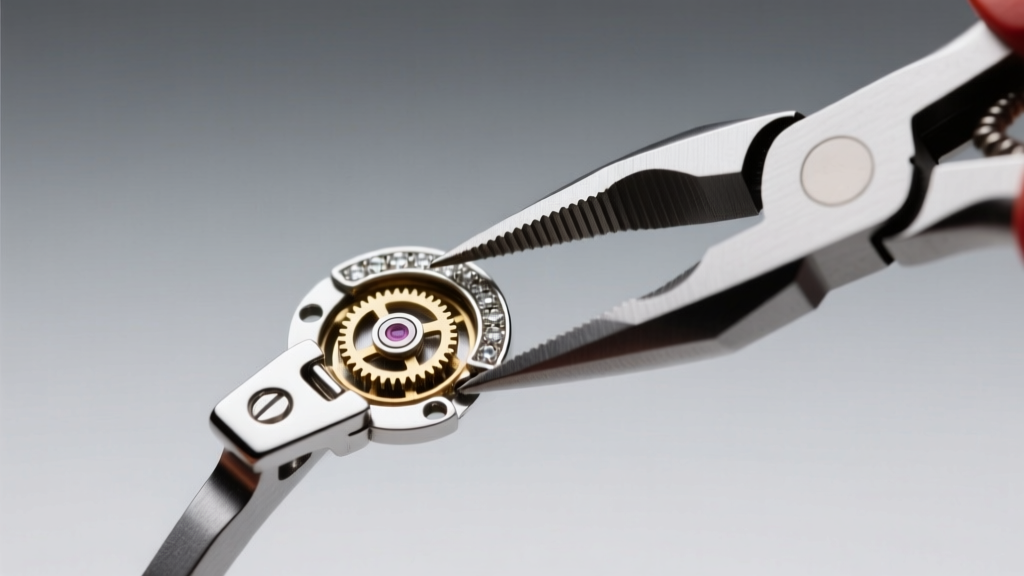
The Deep-Clean and Lubrication Protocol
To restore a smooth open-and-close action without damaging the pendant's finish, follow this professional jeweler's protocol:
- Ultrasonic or Solvent Clean: If you have an ultrasonic cleaner, run the pendant (without the chain or paper insert) for three minutes in a mild ammonia-free jewelry solution. Alternatively, use a soft-bristled toothbrush dipped in 99% isopropyl alcohol to scrub the hinge barrel.
- Pin Clearing: Use a 0.3mm sewing needle to gently probe the edges of the hinge barrel, dislodging compacted debris.
- Micro-Lubrication: Do not use standard WD-40 or heavy oils, as they will attract more dust and turn into a black sludge. Instead, use a Bergeon watch oiler to apply a microscopic drop of synthetic PTFE (Teflon) dry lubricant or high-grade synthetic watch oil directly to the hinge pin seams.
- Work the Joint: Gently open and close the locket 20 to 30 times to distribute the lubricant evenly through the barrel.
Reshaping the Bail Jump Ring
The bail is the loop at the top of the locket that connects to the chain. It is typically secured by a 1.0mm or 1.2mm wire gauge jump ring. Over time, the lateral pull of the chain causes this jump ring to pull apart at the seam. Never pull the jump ring open laterally (side-to-side) to fix it, as this weakens the metal's crystalline structure. Instead, use two pairs of flat-nose pliers to twist the ends of the jump ring in opposite directions (one toward you, one away), realign the seam perfectly, and twist back shut. For a permanent fix, a jeweler can laser-weld the jump ring seam for approximately $15 to $25.
Chain Tangling and Breakage: Gauge and Link Analysis
A heavy stainless steel or enameled South Hill pendant requires a chain with adequate tensile strength. Using a delicate chain not only risks breakage but also exacerbates tangling. The weight of the pendant causes lightweight chains to twist upon themselves, creating microscopic knots that weaken the links.
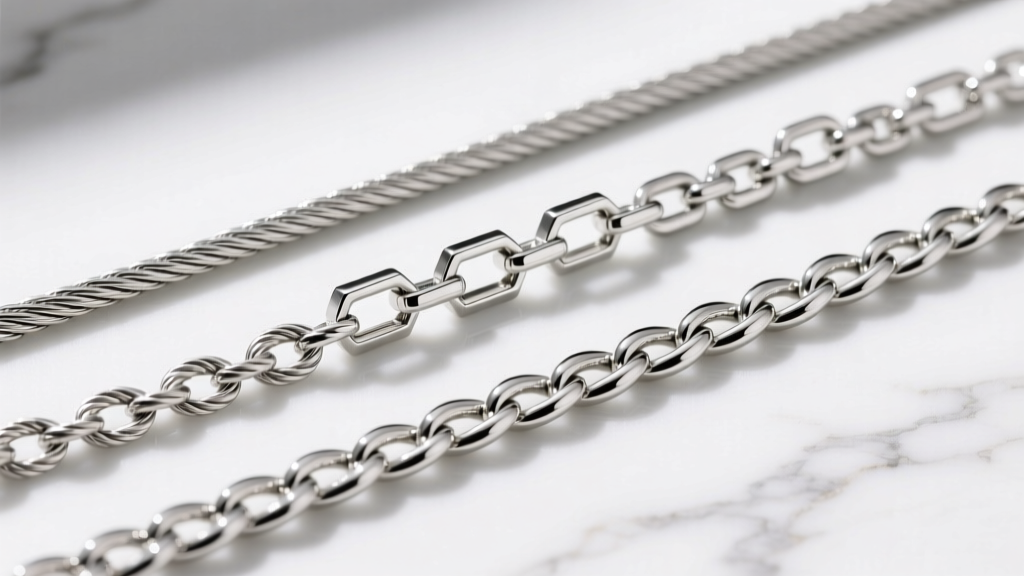
According to repair data compiled by the Jewelers of America, selecting the correct chain link profile drastically reduces both tangling and snap-rates. Below is a structural comparison of common chain styles paired with heavy lockets:
| Chain Style | Wire Gauge (mm) | Tangle Rating (1-5) | Tensile Strength | Best For |
|---|---|---|---|---|
| Cable | 0.8 - 1.0 | 4 (High) | Low | Lightweight, small pendants only |
| Box | 1.0 - 1.2 | 1 (Very Low) | High | Heavy South Hill lockets, daily wear |
| Rolo | 1.2 - 1.5 | 2 (Low) | Very High | Maximum durability, active lifestyles |
| Snake | 1.0 - 1.5 | 3 (Medium) | Medium | Sleek aesthetics, but prone to kinking |
Pro-Tip: If you prefer the look of a delicate cable chain but need the strength for a heavy locket, opt for a 1.0mm gauge cable chain with soldered links. Soldered links feature a microscopic weld at the seam of every single ring, preventing them from pulling apart under the pendulum weight of the locket.
Resolving Glass Bezel and Insert Fitting Issues
The magic of the South Hill necklace lies in its interchangeable glass bezel inserts. These typically measure 20mm or 25mm in diameter and are secured either by a threaded bezel cup or a friction-fit metal lip. A common troubleshooting scenario is a rattling insert or a cloudy glass bezel.
Fixing a Rattling Friction-Fit Bezel
If your glass bezel rattles when you move, the metal lip holding it in place has slightly bent outward. To fix this without scratching the steel or cracking the glass:
- Place the pendant face-down on a microfiber cloth.
- Using a nylon-jaw plier (which prevents marring the metal), gently squeeze the outer bezel lip inward by a fraction of a millimeter.
- Alternatively, apply a micro-bead of clear, jewelry-grade UV resin to the inner ledge before seating the glass, then cure it with a 36W UV lamp for 60 seconds. This creates a custom, shock-absorbing gasket that eliminates rattling permanently.
Clearing Cloudy Glass Bezels
Cloudiness inside the glass is usually caused by trapped humidity or skin oils that bypassed the seal. Do not attempt to pry the glass out of a crimped bezel, as mineral glass will shatter under uneven pressure. Instead, use a specialized jewelry steamer to blast the seam with high-pressure steam, which dislodges the oils. If moisture is trapped inside a sealed bezel, place the pendant in a sealed container with silica gel desiccant packets for 48 hours to draw the moisture out through the microscopic seals.
Metal Tarnish and Mixed-Material Corrosion
One of the most perplexing issues for owners of mixed-metal necklaces is rapid tarnishing specifically localized at the point where the chain meets the pendant bail. This is not a defect in the silver; it is a chemical reaction known as galvanic corrosion.
"Galvanic corrosion occurs when two dissimilar metals, such as a stainless steel pendant and a sterling silver chain, are exposed to an electrolyte like human sweat. The less noble metal acts as an anode, accelerating oxidation and tarnishing at the exact connection point." — Gemological Institute of America (GIA)
The Troubleshooting Fix: To prevent this localized blackening, you must break the galvanic circuit. You can do this by applying a microscopic layer of clear nail polish or Renaissance Wax to the inside of the pendant's bail loop. This creates an invisible dielectric barrier between the 316L steel and the 925 silver. Additionally, removing the necklace before exercising or swimming eliminates the sweat and chlorine electrolytes that trigger the reaction.
When to Seek Professional Jeweler Intervention
While DIY troubleshooting can resolve 90% of South Hill necklace issues, certain structural failures require professional bench jeweler equipment. You should take your necklace to a professional if you encounter the following:
- Stripped Hinge Threads: If the locket uses a screw-in bezel and the threads are stripped, a jeweler must re-tap the threads or solder a new bezel cup (Estimated cost: $45 - $85).
- Snapped Hinge Pin: If the pin is entirely sheared off inside the barrel, a jeweler will need to drill out the remnants and fabricate a new custom pin (Estimated cost: $35 - $60).
- Severe Chain Kinking: Snake chains that have severely kinked cannot be un-kinked at home without snapping the internal core. A jeweler can sometimes roll them through a specialized mill, but replacement is often the only viable option.
By understanding the specific mechanics, gauges, and metallurgical properties of your jewelry, you can transform a frustrating broken accessory back into a cherished, functional piece of wearable art. Regular maintenance, proper storage in anti-tarnish bags, and mindful wear will ensure your customizable locket remains a staple in your collection for decades.


