How to Style the Puka Shell Necklace 90s Trend Today
Learn how to style the puka shell necklace 90s trend with our step-by-step guide. Discover layering techniques, authentication tips, and modern pairings.


The Resurgence of a Coastal Classic
The cyclical nature of fashion has officially brought the puka shell necklace 90s aesthetic back from the archives, transforming it from a nostalgic surf souvenir into a cornerstone of modern, gender-neutral jewelry styling. Originally popularized in the late 1960s and peaking in the 1990s alongside grunge and skate culture, the puka shell has evolved. Today, it is no longer just a casual beach accessory; it is a textural anchor used by high-end jewelers and streetwear aficionados alike. However, the market is flooded with mass-produced imitations. To master this look, you must first understand the anatomy of the shell, how to authenticate it, and how to integrate it into a contemporary wardrobe through precise layering techniques.
Step 1: Sourcing and Authenticating Real Puka
The word 'puka' translates to 'hole' in Hawaiian, referring to the naturally occurring, wave-tumbled remnants of cone snails (genus Conus) found on the beaches of the Indo-Pacific and Hawaii. True puka shells are not manufactured; they are harvested by the ocean. Because of their scarcity, authentic vintage or ethically sourced modern puka necklaces command premium prices, typically ranging from $120 to over $400 depending on the uniformity of the shells and the hardware used.
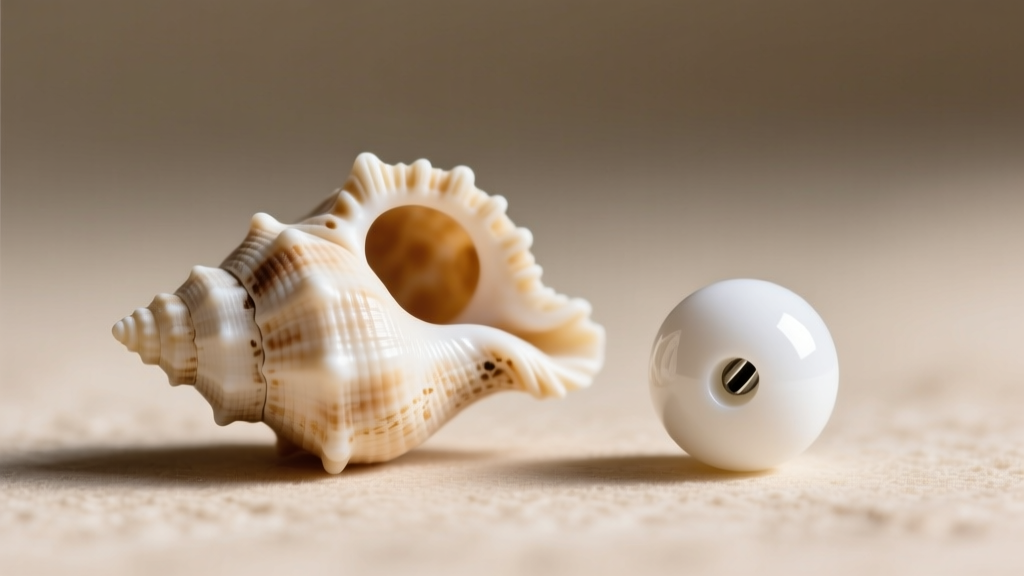
Many retailers mistakenly sell 'heishi' beads or machine-drilled turbo shells as puka. Heishi refers to flat, disc-shaped shell beads, while turbo shells are thick, uniform spirals that are artificially tumbled and drilled. Use the comparison chart below to ensure you are investing in genuine puka.
| Feature | Authentic Puka Shell | Fake / Drilled Shell |
|---|---|---|
| Origin | Cone Snail (Conus species) | Turbo shell, operculum, or plastic |
| Shape | Asymmetrical, organic, uneven | Uniform, perfectly round or oval |
| The Hole | Natural, uneven, slightly off-center | Machine-drilled, perfectly circular |
| Profile | One convex (domed), one concave side | Flat or uniformly tumbled on both sides |
| Price Range | $120 - $450+ | $15 - $40 |
Step 2: Upgrading the Hardware and Threading
If you are buying vintage 90s puka or restringing an older piece, the first step is to discard the original threading. Vintage necklaces were often strung on cheap elastic or basic cotton thread that degrades rapidly when exposed to sweat, saltwater, and UV light. For a necklace that will last, follow these material specifications:
- Thread: Use 0.9mm to 1.2mm bonded nylon thread (such as C-Lon or Seraphina). Bonded nylon has a breaking strength of over 15 pounds and resists fraying against the sharp inner edges of the natural shell holes.
- Knotting: Authentic puka should be individually knotted between each shell using a surgeon's knot. This prevents the shells from grinding against one another and ensures that if the strand breaks, you only lose one or two shells rather than the entire necklace.
- Clasps: Upgrade the closure to a 14k gold-filled or solid sterling silver lobster clasp with a 2-inch extender chain. Alternatively, a macrame sliding knot allows for adjustable lengths, which is crucial for modern layering.
Step 3: Modern Layering Techniques
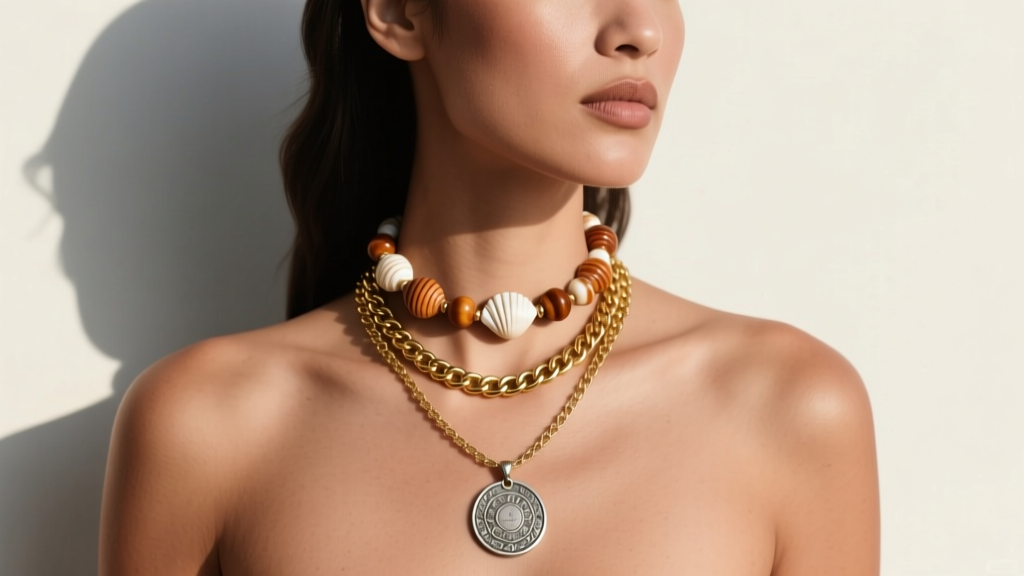
The key to wearing the puka shell necklace 90s trend today without looking like you are wearing a costume is contrast. The organic, matte, and irregular texture of the puka shell pairs beautifully with the high-polish, geometric precision of precious metals. According to Vogue's fashion archives and contemporary styling editorials, the most effective way to wear puka is in a three-piece staggered stack.
- The Base (15 to 16 inches): Your puka shell necklace should sit snugly at the base of the neck or collarbone. Opt for medium-sized shells (8mm to 10mm) to avoid overwhelming the stack.
- The Mid-Layer (18 to 19 inches): Introduce a 14k or 18k yellow gold chain. A Figaro, Mariner, or Rope chain with a width of 2.5mm to 3.5mm provides the perfect visual weight. The warmth of the yellow gold complements the creamy ivory tones of the shell.
- The Anchor (22 to 24 inches): Finish with a heavier sterling silver or gold chain featuring a substantial pendant. A malachite cabochon, a turquoise inlay, or a textured gold coin pendant draws the eye downward and elongates the torso.
Step 4: Neckline Pairings and Occasion Mapping
The versatility of the puka shell allows it to transition from casual daywear to elevated evening styling, provided you match the shell size and stack complexity to the garment's neckline.
The Crew Neck and V-Neck Tee
For standard cotton tees, a standalone 16-inch puka necklace adds a necessary focal point to an otherwise plain outfit. The matte texture of the shell breaks up the flat cotton fabric. Keep the shells on the smaller side (6mm to 8mm) for a refined, minimalist look that nods to the 90s without being overly loud.
The Open Collar and Linen Shirt
When wearing unbuttoned linen or silk-blend shirts, deploy the full three-layer stack described above. The deep V created by the open collar provides the perfect canvas for the staggered lengths. Ensure the longest pendant rests just above the sternum to maintain proportion.
Elevated Knitwear and Turtlenecks
During cooler months, layer a chunky puka necklace (10mm to 12mm shells) over a fine-gauge merino wool turtleneck. The juxtaposition of the rugged, coastal shell against the refined, soft knitwear creates a high-fashion tension that is highly favored in contemporary menswear and womenswear.
Step 5: Care, Maintenance, and Preservation
While puka shells are incredibly durable—having survived the crushing force of ocean surf—they are porous and susceptible to chemical damage and discoloration. To maintain the pristine cream and ivory hues of your necklace, adhere to the following maintenance protocol:
- UV Protection: Prolonged exposure to direct sunlight will cause the natural oils in the shell to dry out, leading to a yellowed, brittle appearance. Store your necklace in a dark jewelry box or canvas pouch when not in use.
- Chemical Avoidance: Apply all sunscreens, perfumes, and hairsprays before putting on your necklace. The alcohol and oxybenzone found in these products can degrade the shell's natural calcium carbonate structure over time.
- Cleaning: Never use ultrasonic cleaners or harsh jewelry dips. If the shells become dull from body oils, gently wipe them with a damp microfiber cloth and a single drop of mild, pH-neutral castile soap. Dry them immediately and occasionally rub a minuscule amount of jojoba oil into the shells to restore their natural luster.
By understanding the biological origins of the shell, insisting on premium hardware, and mastering the art of mixed-metal layering, you can elevate the puka shell necklace 90s trend from a fleeting nostalgia trip into a permanent, sophisticated pillar of your personal jewelry collection.


