How to Wear Pearl Necklace: Care, Styling & Cleaning Guide
Master how to wear pearl necklace styles flawlessly while learning essential nacre care, cleaning, and storage tips to protect your jewelry.


The Organic Science of Nacre: Why Pearls Demand Unique Care
Unlike faceted gemstones such as diamonds or sapphires, pearls are organic gems born from living mollusks. Their breathtaking luster comes from nacre, a composite material consisting of microscopic aragonite platelets bound together by an elastic biopolymer called conchiolin. This unique biological structure gives pearls their signature glow, but it also makes them inherently vulnerable. On the Mohs scale of mineral hardness, pearls rank between 2.5 and 3.0, meaning they can be easily scratched by everyday dust, metal clasps, and even other jewelry. Understanding the delicate chemistry of nacre is the first step in mastering the long-term preservation of your collection.
Because conchiolin is highly sensitive to acids, alkalis, and extreme dehydration, standard jewelry cleaning methods are completely off-limits. Ultrasonic cleaners, steamers, and commercial silver dips will strip the nacre layers, leaving behind a dull, chalky surface that cannot be repaired. To maintain your pearls for generations, you must adopt a specialized, gentle approach to both styling and maintenance.
How to Wear Pearl Necklace Lengths for Every Neckline
Figuring out exactly how to wear pearl necklace strands depends heavily on the length of the strand and the neckline of your garment. The interplay between the pearl's luster and your skin or clothing can dramatically alter your overall silhouette. Here is a definitive guide to matching lengths with necklines:
- Collar (10-13 inches): Sits snugly against the base of the neck. Best paired with V-necks, off-the-shoulder tops, or boat necks. This length evokes a vintage, Victorian elegance and draws the eye directly to the face.
- Choker (14-16 inches): Rests perfectly at the collarbone. Highly versatile, it works beautifully with scoop necks and strapless dresses. A classic 15-inch Akoya choker is a staple for both boardroom meetings and evening galas.
- Princess (17-19 inches): The most popular and universally flattering length. It falls just below the collarbone and pairs effortlessly with crew necks, button-down shirts, and high necklines. It provides a subtle, polished frame for the face.
- Matinee (20-24 inches): Falls at the top of the bust. This length is ideal for business casual attire, elongating the neck and torso. It pairs wonderfully with blazers and A-line dresses.
- Opera (28-36 inches): A dramatic, luxurious length that falls below the bust. It can be worn as a single long strand for a sleek, modern look, or doubled over to create a layered choker effect.
2026 Styling Trends: Layering and Asymmetry
While classic strands remain timeless, modern styling has embraced a more eclectic approach. If you are exploring how to wear pearl necklace styles in a contemporary context, layering is key. The current trend involves mixing traditional round pearls with organic, asymmetrical baroque pearls and metallic chains.
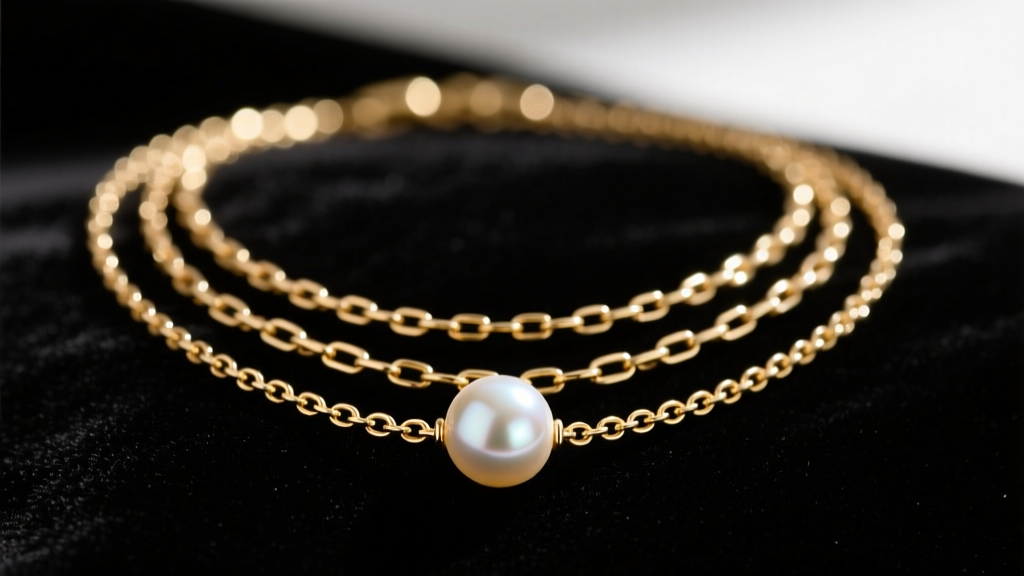
To achieve a balanced 2026 stack, start with a delicate 14k or 18k gold paperclip chain (around 16 inches) and layer it with an 18-inch freshwater pearl strand. The contrast between the rigid, geometric gold links and the soft, luminous spheres creates a visually dynamic texture. Incorporating a single baroque pearl pendant on a separate chain adds an avant-garde focal point. When layering, always ensure the pearls are the longest strand in the stack to prevent metal chains from scratching the delicate nacre surfaces during movement.
The "Last On, First Off" Rule & Chemical Hazards
The golden rule of pearl care is "Last On, First Off." Pearls should be the very last thing you put on when getting dressed and the first thing you take off when you return home. This minimizes their exposure to the myriad of chemicals found in modern cosmetics and household products. The calcium carbonate structure of nacre reacts aggressively to both high and low pH substances.
| Common Substance | Chemical Property | Effect on Pearl Nacre |
|---|---|---|
| Perfume & Cologne | Alcohol & Synthetic Oils | Dissolves conchiolin, permanently dulling the surface luster. |
| Chlorine (Pools/Taps) | Highly Alkaline / Oxidizing | Eats away calcium carbonate, causing irreversible pitting. |
| Vinegar & Citrus | Acidic (pH 2-3) | Causes immediate chemical etching and surface destruction. |
| Hairspray | Polymers & Alcohol | Creates a sticky film that attracts abrasive dust and dirt. |
| Sweat (Lactic Acid) | Mildly Acidic (pH 4-6) | Gradual degradation of luster if not wiped off after wear. |
According to the Gemological Institute of America (GIA), even the natural acids present in human sweat can slowly degrade a pearl's luster over time. This is why wiping your pearls after every wear is not just a suggestion—it is a mandatory maintenance step.
Step-by-Step Cleaning Protocol
Forget harsh bristles and chemical soaks. Cleaning pearls requires a gentle, methodical approach to lift oils and dirt without compromising the silk thread or the nacre.
Daily Maintenance
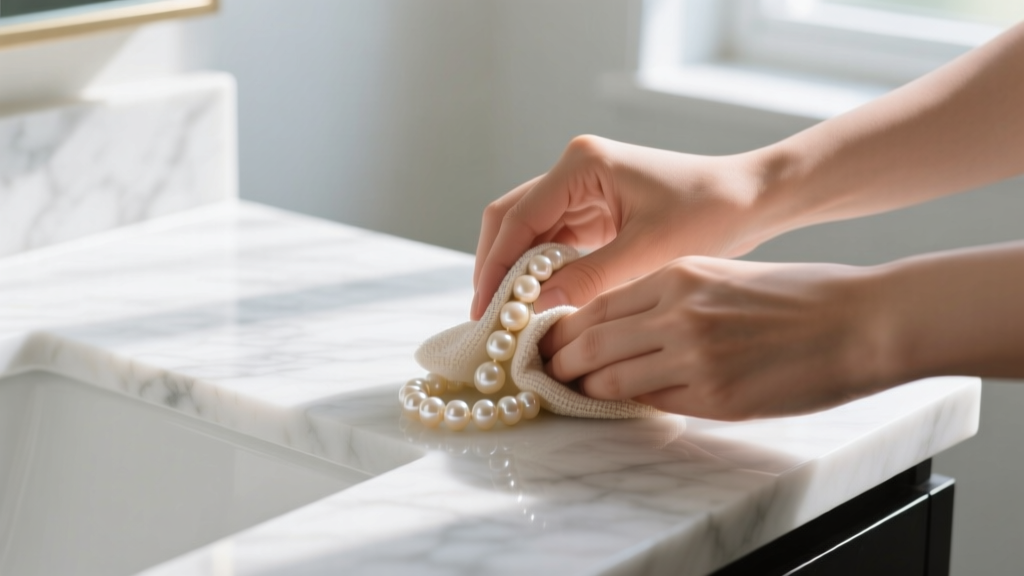
After removing your necklace, gently wipe each pearl individually with a soft, lint-free microfiber cloth. This removes accumulated skin oils, sweat, and cosmetic residue before it can bond to the surface. Do not use paper towels or tissues, as their wood-pulp fibers can cause micro-scratches on the 2.5 Mohs surface.
Deep Cleaning (Every 3-6 Months)
If your pearls have lost their shine or feel slightly tacky, they require a deeper clean. Follow these exact steps:
- Prepare the Solution: Mix a bowl of distilled water (tap water contains chlorine and minerals that can harm the pearls) with a single drop of mild, pH-neutral baby shampoo. Avoid dish soaps, which often contain degreasers that strip the pearl's natural moisture.
- Wipe, Don't Soak: Dip a soft microfiber cloth into the solution and wring it out until it is barely damp. Gently wipe each pearl. Never submerge a pearl necklace in water. Submerging the strand will cause the silk thread to stretch, weaken, and eventually rot from the inside out.
- Rinse the Cloth: Wipe the pearls again with a cloth dampened only in pure distilled water to remove any soap residue.
- Air Dry Flat: Lay the necklace flat on a dry, clean towel in a well-ventilated area away from direct sunlight. Never hang a wet pearl necklace, as the weight of the water will permanently stretch the damp silk thread.
Restringing and Long-Term Storage
The structural integrity of a pearl necklace relies entirely on its stringing material. High-quality strands are knotted between every single pearl using 100% natural silk thread. These knots serve a dual purpose: they prevent the pearls from rubbing against each other (which causes friction wear), and they ensure that if the strand breaks, you only lose one pearl instead of all of them.
The American Gem Society recommends having frequently worn pearl necklaces professionally restrung every 1 to 2 years. If you wear your pearls weekly, inspect the silk thread closely. If you notice fraying, discoloration, or if the knots appear stretched and loose, it is time to visit a jeweler. Always request that the jeweler use "French wire" (a fine coiled metal spring) at the clasp ends to protect the silk from fraying against the metal jump rings.
Expert Storage Insight: Never store your pearls in an airtight plastic bag or a bank safety deposit box for extended periods. Pearls are organic and require a slight amount of ambient humidity. Dehydrated environments cause the conchiolin to dry out, leading to microscopic cracking and a phenomenon known as "crazing." Store them in a soft, breathable cotton or linen pouch, separate from harder gemstones and metal jewelry.
By treating your pearls with the respect their organic nature demands, you ensure that their radiant luster will survive to be passed down as a cherished heirloom. Whether you are wearing a classic 18-inch Princess strand or a modern, layered baroque stack, mindful care is the secret to timeless elegance.


