Authentic Ni'ihau Shell Leis Necklace: An Expert Valuation Guide
Discover the technical grading, stringing styles, and market valuation of authentic Ni'ihau shell leis necklace jewelry in this expert deep dive.

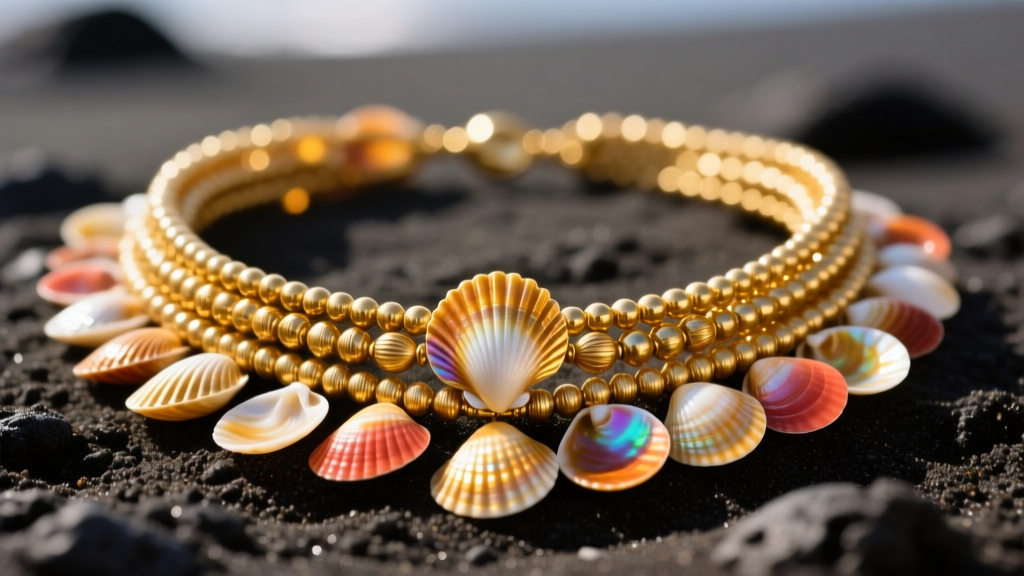
When high jewelry collectors and gemologists refer to a fine jewelry leis necklace, they are rarely discussing the temporary floral garlands of tourist lore. Instead, they are referencing the meticulously engineered, gem-grade shell leis of Hawaii—most notably those originating from the restricted shores of Ni'ihau. These organic masterpieces represent a fascinating intersection of indigenous cultural artistry and rigorous gemological standards. In 2026, as climate shifts alter coastal ecosystems and synthetic replicas flood the market, understanding the technical anatomy, stringing architecture, and precise valuation metrics of an authentic shell leis necklace is more critical than ever for serious investors and collectors.
Gemological Classification of Lei Shells
Unlike traditional gemstones evaluated by the 4Cs, shell leis are graded on species rarity, color saturation, surface luster, and structural integrity. The Bishop Museum in Honolulu extensively documents the cultural and biological significance of these materials. A premium leis necklace typically features one of three primary shell classifications:
1. Kahelelani (Margarites pupillus)
The undisputed pinnacle of shell jewelry. Kahelelani are microscopic hotspot shells, typically measuring between 2mm and 5mm in diameter. They are prized for their intense, natural coloration—ranging from deep gold and vibrant pink to rare slate blue. Because of their minuscule size, a single multi-strand kahelelani leis necklace can require over 10,000 individually selected shells, making them the most valuable organic gems in the Hawaiian archipelago.
2. Laiki (Erosaria granulata)
Commonly known as the 'rice shell,' laiki are slightly larger (5mm to 9mm) and are valued for their pristine, porcelain-like white luster. High-grade laiki must be completely free of calcium carbonate pitting and organic staining. When exposed to prolonged UV radiation, lower-grade laiki can yellow, a critical factor in archival preservation.
3. Kamoa (Various Conidae)
Kamoa shells are medium-sized (8mm to 12mm) and offer a broader, more muted color palette, often featuring natural brown, tan, and cream banding. They are frequently used as accent spacers or in gradient-designed leis necklaces to provide structural weight and visual contrast.
Micro-Drilling and Thread Architecture
The true technical marvel of a high-end leis necklace lies beneath the surface. Drilling a 3mm kahelelani shell without shattering its fragile calcium carbonate matrix requires specialized lapidary equipment. Artisans use diamond-tipped micro-burrs, typically 0.5mm to 0.6mm in diameter, operating at high RPMs with continuous water cooling to prevent thermal shock and micro-fractures.
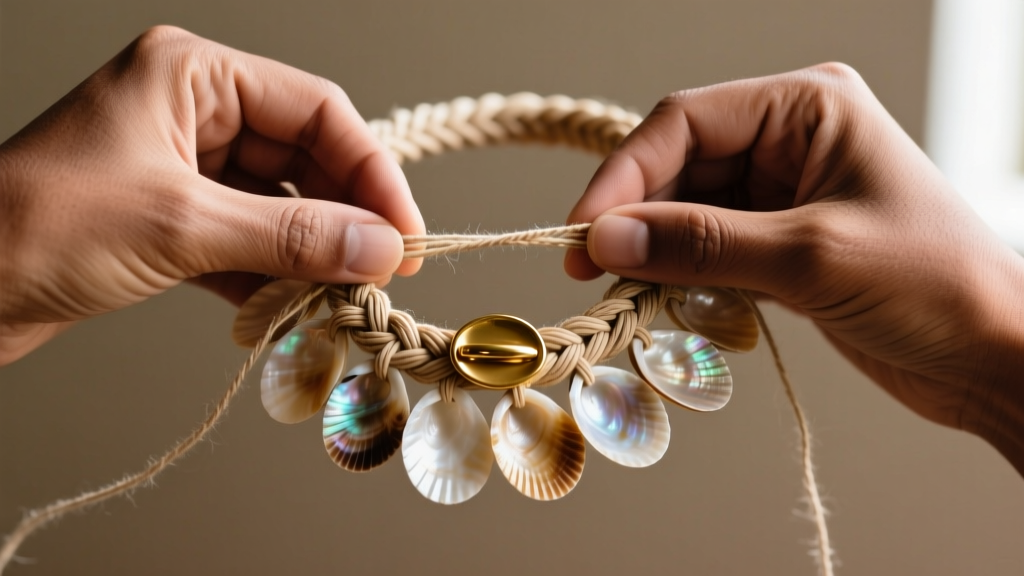
Once drilled, the stringing medium must possess immense tensile strength while remaining flexible enough to allow the shells to drape like liquid silk. Modern master stringers have largely abandoned traditional organic fibers in favor of advanced synthetic polymers. High-denier waxed nylon or polyester threads (such as C-Lon or Silamide) in 0.20mm to 0.30mm diameters are the industry standard. The wax coating reduces friction during the stringing process and protects the thread from the abrasive edges of the shell's drill hole.
Traditional Stringing Topologies
The structural geometry of the necklace dictates its drape, durability, and ultimate value. According to historical archives at the Honolulu Museum of Art, there are three primary stringing topologies recognized in fine shell jewelry:
- Kui (Single Strand): The most fundamental style, where shells are strung in a single, continuous line. While structurally simple, a flawless kui necklace requires shells of absolute uniformity in size and color gradient.
- Poepoe (Round/Bundled): A complex, multi-strand technique where several strands are bundled or braided together to create a thick, rope-like cylindrical profile. This style requires exponential amounts of shells and significantly more labor, driving up the valuation.
- Pikake (Jasmine Style): A flat, braided topology that mimics the appearance of a jasmine flower lei. It requires a highly specific figure-eight weaving pattern around a central core thread, demanding elite manual dexterity from the artisan.
Authentication and Grading Matrix
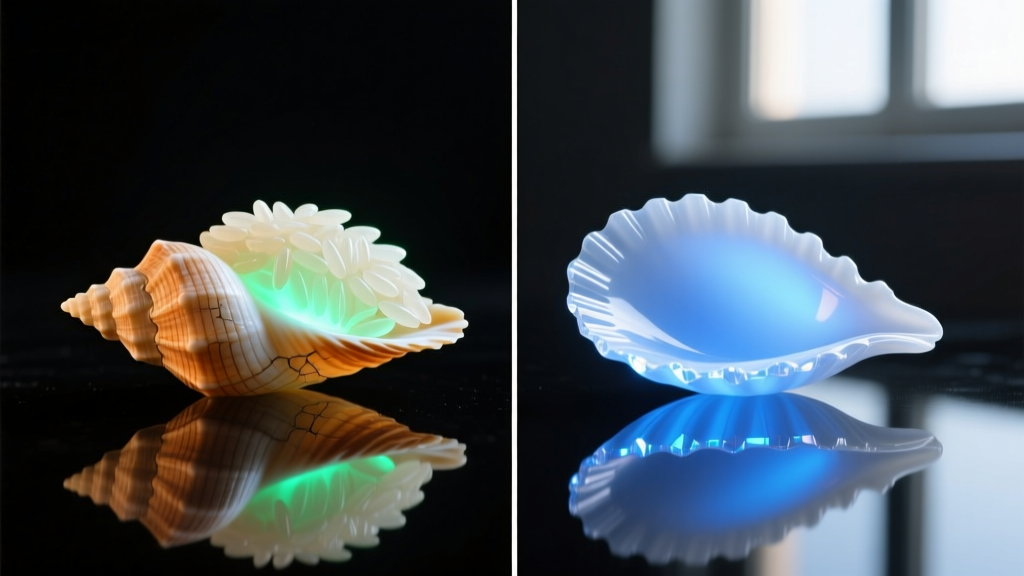
As the market for organic gems expands, so does the sophistication of counterfeit manufacturing. Polymer-clay replicas and dyed freshwater mollusk shells are frequently passed off as authentic Ni'ihau harvests. Gemological evaluation often requires magnification and UV fluorescence testing, a methodology frequently adapted from GIA News & Research protocols for organic pearls.
| Shell Type | Avg Size | Drill Hole | UV Reaction | 2026 Market Price (Per Inch) |
|---|---|---|---|---|
| Kahelelani (Gold) | 2 - 4 mm | 0.5 mm | Inert / Chalky Blue | $450 - $800+ |
| Laiki (Pristine White) | 5 - 8 mm | 0.6 mm | Bright White Fluorescence | $120 - $250 |
| Kamoa (Banded) | 8 - 12 mm | 0.8 mm | Patchy / Inert | $40 - $90 |
| Synthetic Replica | Variable | Uniform | Plastic Glow / Inert | $2 - $5 |
Red Flags in Authentication
When inspecting a prospective leis necklace, examine the drill holes under a 10x loupe. Authentic hand-drilled shells will exhibit slight asymmetry, minor chipping at the entry/exit points, and varying hole depths. Machine-stamped plastic or glass replicas will feature perfectly cylindrical, laser-smooth drill holes with identical entry and exit angles. Furthermore, authentic shells will feel cool to the touch and possess a distinct, dense weight compared to the hollow warmth of polymer fakes.
2026 Market Dynamics and Provenance Tracking
The valuation of a Ni'ihau shell leis necklace is no longer based solely on material rarity; provenance and ecological impact now play central roles. Due to rising sea levels and increased storm surges impacting the specific tidal zones where kahelelani wash ashore, the raw material supply has contracted by an estimated 18% over the last decade. This scarcity has pushed auction prices for vintage, multi-strand poepoe kahelelani necklaces well past the $40,000 mark.
To combat illegal harvesting from protected marine reserves and to ensure ethical sourcing, the 2026 high jewelry market has seen the integration of micro-laser provenance tracking. Reputable artisans now engrave microscopic, unique alphanumeric codes onto the 14k or 18k gold filigree end-cones and clasps. These codes link to a blockchain-verified ledger detailing the exact harvest location, the artisan's lineage, and the date of stringing, providing collectors with ironclad authentication and ethical assurance.
Archival Preservation Protocols
Owning a gem-grade shell leis necklace requires strict adherence to archival preservation protocols. Unlike silicate gemstones, calcium carbonate is highly susceptible to environmental degradation.
- Chemical Exposure: Never expose the necklace to perfumes, aerosols, or acidic skin secretions. The calcium carbonate will readily react with acids, leading to irreversible surface etching and loss of luster.
- Ultraviolet Degradation: Prolonged exposure to direct sunlight will cause the organic proteins within laiki shells to denature, resulting in a permanent, unappealing yellow tint. Store the piece in a UV-blocking, acid-free textile pouch.
- Thread Maintenance: Even the highest-grade waxed nylon polymers experience tensile fatigue over time. Experts recommend having the necklace professionally re-strung every 7 to 10 years, or immediately if the drape becomes stiff or the thread shows visible fraying near the gold clasp cones.
By understanding the profound technical depth, from micro-drilling tolerances to stringing topologies, collectors can properly appreciate and protect these extraordinary organic treasures. A true Ni'ihau shell leis necklace is not merely an accessory; it is a masterclass in biological gemology and indigenous engineering.


