Necklace Filigree: Metal Properties & Material Comparison Guide
Discover the best metals for necklace filigree. We compare sterling silver, gold, and platinum properties, durability, and pricing for intricate wirework.

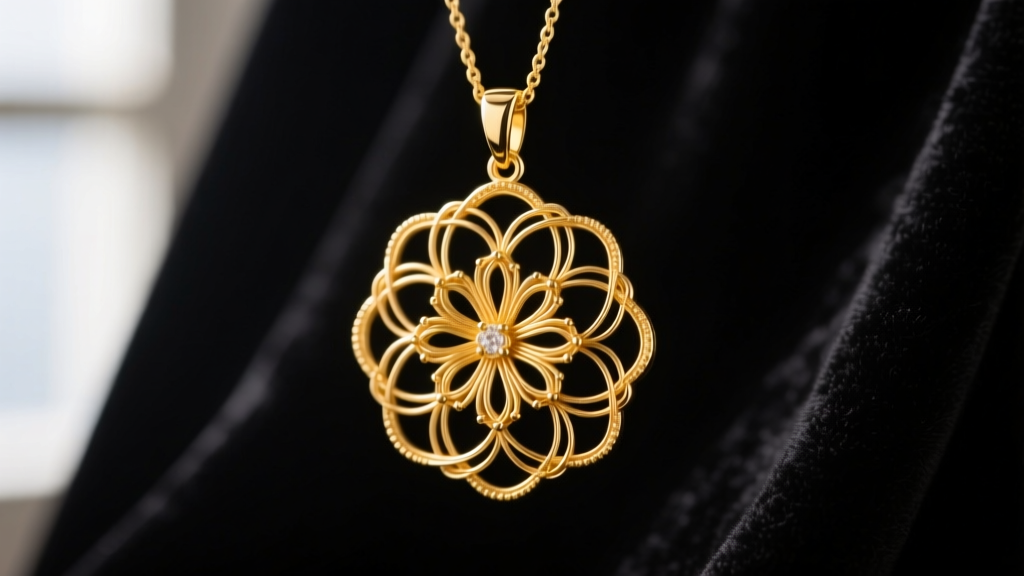
Filigree is one of the most demanding and ancient techniques in jewelry fabrication, involving the meticulous curling, twisting, and soldering of fine metal threads to create lace-like patterns. When it comes to a necklace filigree pendant or choker, the structural integrity of the piece is entirely dependent on the metallurgical properties of the chosen material. Because filigree relies on ultra-fine wires—often ranging from 24-gauge to 28-gauge—the metal must possess a precise balance of malleability for shaping and tensile strength to survive daily wear against the collarbone.
Choosing the right metal for a filigree necklace is not merely an aesthetic decision; it dictates the fabrication process, the long-term durability of the wirework, and the maintenance required to keep the piece intact. In this comprehensive guide, we analyze the mechanical properties, fabrication challenges, and real-world performance of the most common metals used in necklace filigree.
The Mechanics of Filigree: Why Metal Properties Matter
To understand why material selection is critical, one must understand the fabrication process. A typical filigree pendant consists of a heavier structural frame (usually 18-gauge to 20-gauge wire) that houses delicate, tightly coiled internal threads (26-gauge or finer). These threads are often "beaded" or textured before being set into the frame and soldered.
The primary challenge in filigree fabrication is thermal management during soldering. The jeweler must heat the entire assembly to the solder's flow temperature without melting the ultra-fine 28-gauge threads. Metals with a narrow gap between their solder flow temperature and their actual melting point are notoriously difficult to work with. Furthermore, the metal's "spring-back" or memory affects how tightly the artisan can coil the wires before they unspool. According to fabrication standards outlined by Rio Grande, a leading jewelry supplier, the annealing process and the specific alloy composition drastically alter how wire behaves under the pliers and the torch.
Sterling Silver (925): The Classic Choice
Sterling silver has been the historical backbone of filigree jewelry, prized for its brilliant white luster and exceptional malleability. Pure silver is too soft for structural wirework, so the addition of 7.5% copper (creating the 925 standard) provides the necessary tensile strength while retaining high workability.
However, sterling silver presents specific thermal challenges. It melts at approximately 1,640°F (893°C). When soldering 26-gauge silver filigree threads, jewelers must carefully step down their solder grades—using "hard" solder for the frame, "medium" for setting the wires, and "easy" solder (flowing around 1,325°F) for final touches. If the torch is held too long, the fine silver threads will instantly ball up and melt before the solder flows.
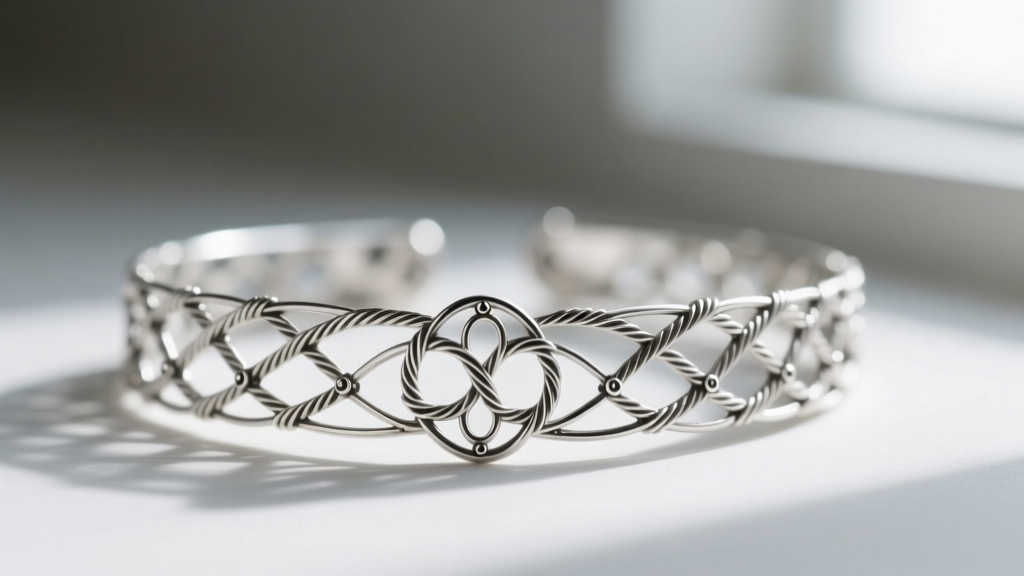
From a wearability standpoint, the copper content in sterling silver makes it prone to oxidation and tarnishing. In a necklace filigree design, the intricate crevices trap moisture, skin oils, and environmental sulfur, accelerating tarnish. While some collectors appreciate this darkened patina for highlighting the wirework contrast, those who prefer a bright finish must commit to regular, gentle polishing with a treated cloth, as liquid dip cleaners can strip the oxidation unevenly and leave chemical residues trapped in the solder joints.
Gold Alloys (14k vs. 18k): Balancing Purity and Strength
Gold remains the premier choice for heirloom-quality filigree necklaces, but the karat weight fundamentally changes the physical properties of the wirework.
18k Yellow Gold
18k gold (75% pure gold) offers a rich, warm saturation that beautifully complements the shadows cast by intricate filigree. However, its higher gold content makes it softer and more malleable than lower-karat alloys. In a delicate necklace filigree pendant, an 18k gold 26-gauge thread is highly susceptible to crushing or bending if the wearer accidentally presses the pendant against a hard surface. To compensate, master jewelers often use slightly thicker base wires or incorporate structural cross-bracing in the negative space of the design.
14k Yellow and Rose Gold
14k gold (58.5% pure gold) is alloyed with higher percentages of copper, silver, and zinc. This results in a significantly higher tensile strength and a higher melting point, making it far more forgiving during the soldering process. For a necklace filigree piece intended for daily wear, 14k gold offers the best compromise between the prestige of gold and the structural rigidity required to protect fine wirework from snagging and deformation.
The White Gold Rhodium Dilemma
White gold alloys (whether 14k or 18k) are naturally tinged with yellow or gray and are almost always plated with rhodium to achieve a bright white finish. In filigree jewelry, rhodium plating is a known hazard. The electroplating solution can pool in the microscopic crevices of the wirework, resulting in dark, uneven patches or a thick buildup that obscures the crisp edges of the beaded wires. If you prefer white metal filigree, un-plated palladium-white gold or platinum are vastly superior alternatives.
Platinum & Palladium: The Premium Endurance Metals
For collectors seeking the ultimate in durability and crisp detail, platinum and palladium represent the pinnacle of filigree metallurgy. According to the Gemological Institute of America (GIA), platinum's density and resistance to wear make it an exceptional, albeit challenging, medium for fine jewelry.
Platinum possesses a unique property called "malleability without memory." Once a platinum wire is bent into a tight filigree spiral, it stays exactly in that shape without springing back. Furthermore, unlike gold or silver, platinum does not lose metal mass when scratched; the metal is merely displaced. This means a century-old platinum filigree necklace will retain its original structural wire thickness, whereas a silver or gold piece would have slowly worn away from decades of friction and polishing.
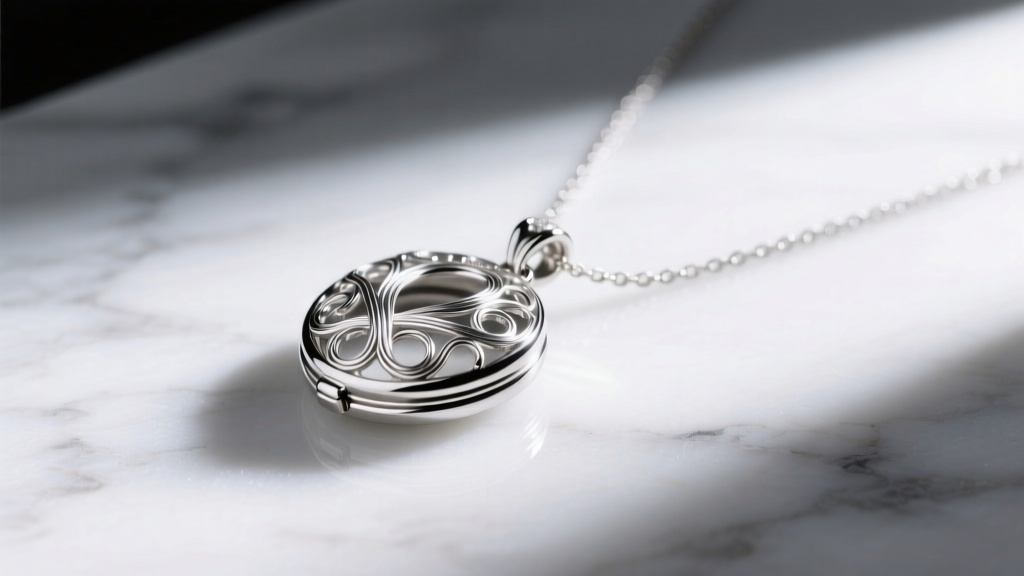
The primary barrier to platinum filigree is fabrication difficulty. Platinum melts at a staggering 3,215°F (1,768°C). Traditional torch soldering of fine platinum threads requires immense heat that can easily cause thermal shock to any adjacent gemstones or warp the delicate frame. Consequently, modern platinum filigree is often assembled using advanced laser welding technology, which fuses the metal at a microscopic, localized point without heating the surrounding wirework. This makes repairs and resizing highly specialized and expensive.
Material Comparison Matrix: Filigree Suitability
The following matrix breaks down the practical differences between the most common metals used in necklace filigree fabrication, based on a standard 1.5-inch pendant design.
| Metal Alloy | Malleability | Tarnish Resistance | Soldering Difficulty | Est. Base Price Range (Pendant Only) |
|---|---|---|---|---|
| Sterling Silver (925) | Very High | Low (Requires upkeep) | Moderate (Melt risk) | $150 - $400 |
| 14k Yellow Gold | Moderate | High | Low (Forgiving) | $600 - $1,200 |
| 18k Yellow Gold | High | High | Moderate | $900 - $1,800 |
| Platinum (950) | High (No spring-back) | Very High | Extreme (Laser preferred) | $1,500 - $3,500+ |
Maintenance, Failure Modes, and Care
Regardless of the metal chosen, the physical geometry of a necklace filigree piece dictates its primary failure modes. The most common cause of damage is snagging. The tiny loops and arches of the wirework easily catch on knit sweaters, lace, or even hair. When a filigree wire snags, the tensile stress is concentrated on the microscopic solder joints, often causing the thread to pop loose from the frame.
Cleaning is another major point of failure. Many owners mistakenly place intricate filigree necklaces into ultrasonic cleaners. The high-frequency cavitation bubbles generated by ultrasonic machines can easily shake loose the fragile solder joints holding the 28-gauge threads in place. Furthermore, as noted in GIA's silver care guidelines, harsh chemical baths can degrade the structural integrity of lower-grade solders over time.
Expert Care Tip: Never use a stiff bristle brush or an ultrasonic cleaner on a filigree necklace. Instead, soak the piece in a mild, phosphate-free dish soap solution, gently agitate the water, and use a soft, lint-free microfiber cloth to dab the wirework dry. Use a wooden toothpick to gently dislodge any trapped debris from the negative spaces.
Ultimately, the best metal for your necklace filigree depends on your lifestyle and budget. Sterling silver offers unparalleled accessibility and vintage charm, provided you accept the maintenance of tarnish. 14k gold provides the ideal middle ground of durability and prestige for everyday wear, while platinum stands as the ultimate choice for heirloom pieces meant to survive generations without losing their crisp, intricate detail.


