James Avery Initial Necklace: Sterling Silver vs 14k Gold
Compare 925 silver and 14k gold James Avery initial necklace materials. Explore hardness, tarnish, chain wear, and 2026 pricing insights.

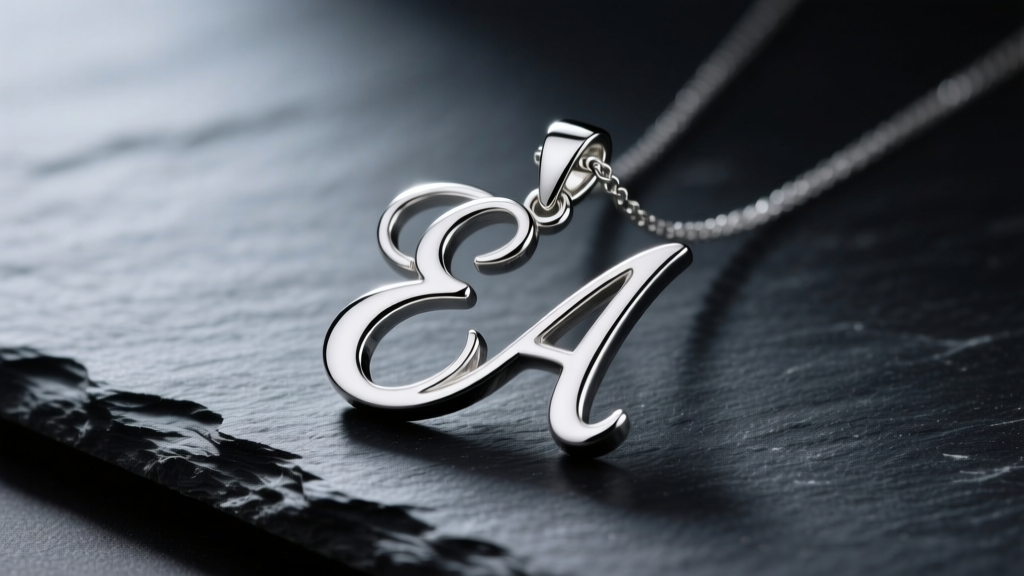
The Metallurgy of Meaning: Why Material Choice Matters
When selecting a James Avery initial necklace, buyers are often torn between the brand's iconic sterling silver and its luxurious gold options. An initial pendant is more than just an accessory; it is a deeply personal talisman, often worn daily for decades. Because of this continuous skin contact and environmental exposure, understanding the metallurgical properties of your chosen metal is critical. James Avery is renowned for its lost-wax casting process, which yields heavy, three-dimensional pendants that behave very differently than the flimsy, stamped sheet-metal initials found in typical mall jewelers. This substantial gram weight—often ranging from 2.5 to 6 grams for a single script letter—dictates how the piece will wear, age, and interact with its chain over time.
In this comprehensive material guide, we break down the exact properties of James Avery’s 925 sterling silver versus their 14k and 18k gold offerings. Whether you are prioritizing scratch resistance, tarnish maintenance, or long-term heirloom value, this comparison will help you make an informed decision for your everyday wear.
Lost-Wax Casting vs. Stamping: The James Avery Difference
Before diving into specific alloys, it is vital to understand how a James Avery initial necklace is manufactured. Unlike brands that stamp letters out of thin metal sheets, James Avery utilizes traditional lost-wax casting. This means the initial has a rounded, sculptural profile with substantial thickness. While this gives the pendant a premium, tactile feel, it also increases the surface area exposed to friction and environmental oxidants. A cast 925 silver letter will develop a rich, three-dimensional patina in its recessed curves, whereas a cast 14k gold letter will maintain its bright luster but may show micro-scratches on its polished high-points due to the alloy's specific hardness rating.
Sterling Silver (925) vs. 14k Gold: A Deep-Dive Comparison
The core of your decision rests on the elemental composition of the metals. According to The Silver Institute, pure silver is too soft for daily jewelry, necessitating an alloy. James Avery uses standard 925 sterling silver, comprising 92.5% pure silver and 7.5% copper. It is this copper content that makes the metal susceptible to tarnishing when exposed to sulfur compounds in the air and human sweat. Notably, unlike many contemporary brands that apply a micro-thin rhodium plating to mimic white gold, James Avery traditionally leaves their sterling silver unplated. This preserves the warm, authentic white-silver hue but requires more active maintenance.
Conversely, the Gemological Institute of America (GIA) notes that 14k gold consists of 58.5% pure gold, alloyed with metals like copper, zinc, and silver to enhance durability. This alloy matrix makes 14k gold significantly harder and more resistant to deformation than sterling silver, making it ideal for heavy pendants that might otherwise bend or warp upon impact.
| Property | 925 Sterling Silver | 14k Yellow Gold | 18k Yellow Gold |
|---|---|---|---|
| Composition | 92.5% Silver, 7.5% Copper | 58.5% Gold, 41.5% Alloy | 75.0% Gold, 25.0% Alloy |
| Vickers Hardness (HV) | ~65 HV (Annealed) | ~135 HV | ~115 HV |
| Tarnish Resistance | Low (Requires polishing) | High (Will not tarnish) | High (Will not tarnish) |
| 2026 Avg. Price (Pendant) | $55 – $95 USD | $450 – $650 USD | $700 – $950 USD |
| Maintenance Level | Moderate to High | Low | Low |
Chain Friction and Bail Wear: The Hidden Failure Points
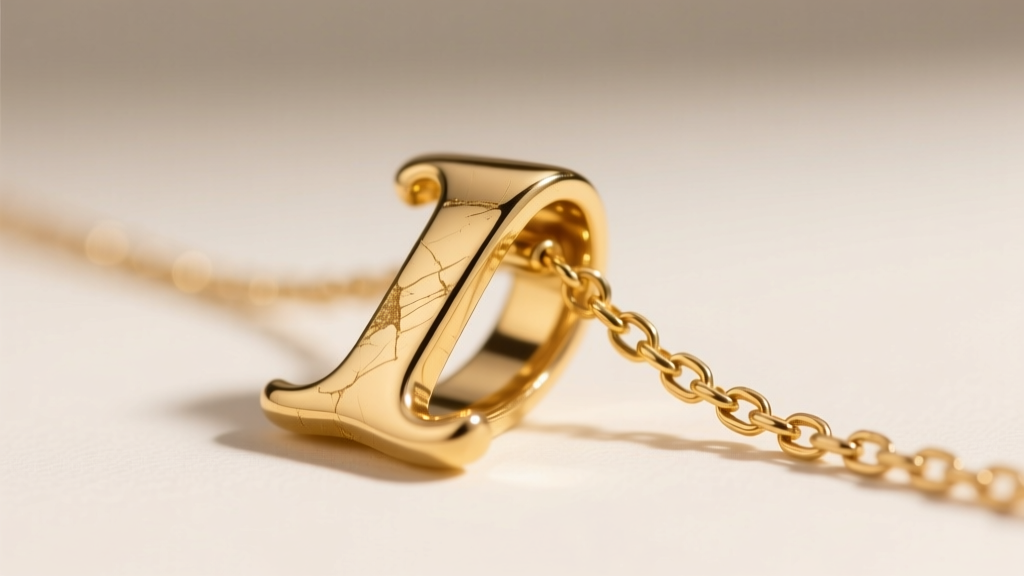
The most common failure mode for any heavy pendant necklace is not the pendant itself, but the chain it hangs from. The bail—the loop at the top of the initial pendant—acts as a fulcrum. With every movement, the bail rubs against the top link of the chain. When pairing a heavy, cast sterling silver James Avery initial with a delicate 1.2mm silver box chain, you create a metal-on-metal friction point. Over 3 to 5 years of daily wear, this friction acts like a microscopic saw, eventually wearing through the chain link and causing the pendant to drop.
To mitigate this, jewelry experts recommend matching the metal hardness and ensuring adequate chain thickness. If you choose a 4-gram sterling silver initial, opt for a heavier 1.8mm or 2.0mm silver rope or curb chain to distribute the friction. If you are investing in a 14k gold initial necklace, the superior hardness of the 14k alloy means the bail will degrade much slower, though pairing it with a robust 14k gold chain is still essential to prevent the softer gold chain links from thinning out at the stress point.
Patina vs. Polish: Long-Term Aging of Script Initials
The aesthetic evolution of your necklace is entirely dependent on the material. Sterling silver reacts with hydrogen sulfide in the atmosphere to form silver sulfide, manifesting as a yellowish or blackish tarnish. On a James Avery script initial, this tarnish naturally accumulates in the recessed, curved valleys of the lettering, while the high-points remain polished from rubbing against your clothing and skin. Many collectors actually desire this high-contrast, antique look, as it emphasizes the three-dimensional casting of the letter.
However, if you prefer a brilliant shine, you must incorporate a polishing routine. The James Avery Official Care Guide recommends using a treated polishing cloth (like a Sunshine cloth) rather than harsh liquid silver dips. Liquid dips can strip the natural oxidation and leave the silver looking flat and unnaturally white. Gold, on the other hand, does not oxidize. A 14k gold initial will look exactly as bright in 2046 as it does today, requiring only occasional washing with mild dish soap and warm water to remove skin oils and lotion buildup.
Skin Chemistry and Contact Dermatitis
Material properties also extend to how the metal interacts with human biology. The 7.5% copper in 925 sterling silver can cause a harmless but annoying green or black smudge on the skin of individuals with highly acidic sweat profiles. This is not an indicator of poor quality, but rather a simple chemical reaction between copper and acid. If you live in a humid climate or have acidic skin chemistry, a 14k gold James Avery initial necklace is vastly superior, as the gold alloy matrix is highly hypoallergenic and biologically inert, completely eliminating the risk of metallic smudging or contact dermatitis.
Final Verdict: Choosing Your Metal for Everyday Wear
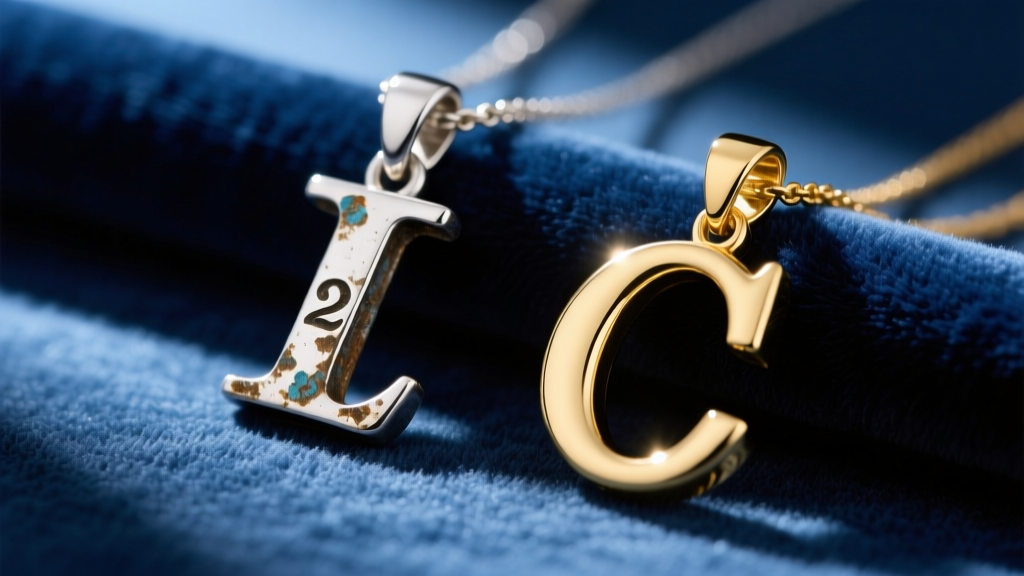
Ultimately, the choice between a sterling silver and a 14k gold James Avery initial necklace comes down to your budget, maintenance tolerance, and aesthetic preference. Sterling silver offers an accessible entry point into luxury, heirloom-quality casting, rewarding the wearer with a dynamic, evolving patina that tells the story of its wear. It is perfect for those who enjoy the ritual of jewelry care and appreciate the warm, vintage glow of oxidized silver.
Conversely, 14k gold is the definitive choice for a truly zero-maintenance, indestructible daily wearer. The increased Vickers hardness protects the intricate script details from impact damage, while the inherent nobility of gold ensures it will never tarnish, regardless of climate or skin chemistry. As precious metal markets continue to fluctuate in 2026, securing a 14k gold initial pendant also serves as a tangible store of value, blending emotional sentiment with enduring material wealth.


