The 2026 'Necklace in Hand' Trend: Tactile Chains & Heavy Pendants
Discover the 2026 necklace in hand trend. We analyze tactile, heavy-gauge chains and kinetic pendants designed for manual styling and fidgeting.

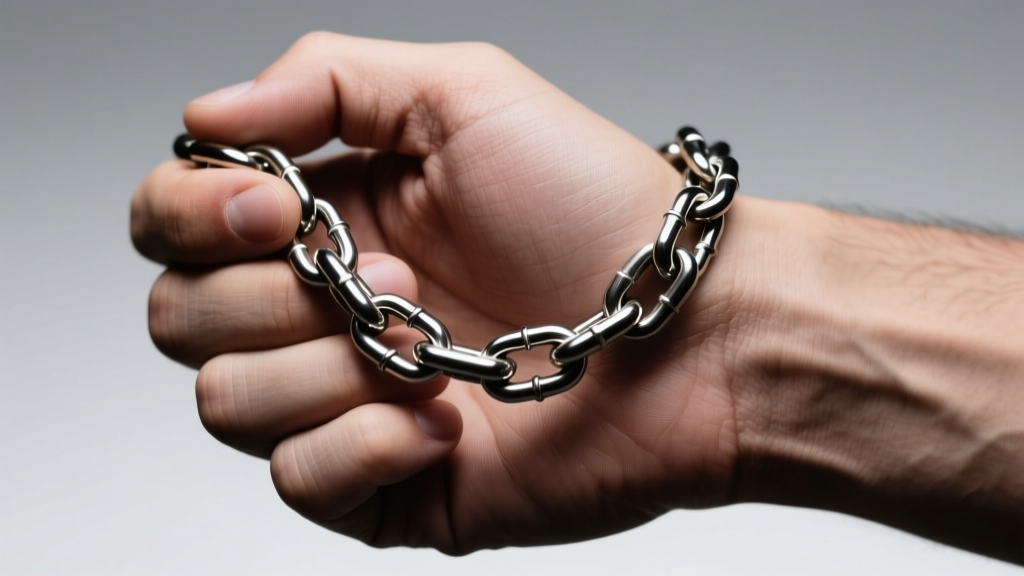
The jewelry landscape of 2026 has shifted dramatically away from the ultra-delicate, barely-there chains that dominated the early 2020s. Today, the industry is embracing what trend forecasters and master jewelers are calling the 'necklace in hand' movement. This is not merely an editorial photography posing trend; it represents a fundamental change in how consumers interact with their adornments. Modern buyers are seeking sensory luxury—pieces that possess substantial physical weight, architectural volume, and tactile engagement. A necklace is no longer just a passive frame for the collarbone; it is an active, hand-held object meant to be touched, wrapped, fidgeted with, and evaluated through physical interaction.
According to recent consumer behavior analyses by the Business of Fashion, the demand for 'grounding jewelry'—pieces that offer a physical, weighted sensation to help alleviate anxiety and provide sensory input—has surged by over 40% in the luxury and demi-fine sectors. This comprehensive guide breaks down the technical specifications, material densities, and styling frameworks defining the 2026 necklace in hand trend, providing you with the expertise to evaluate and style these heavy-hitting pieces.
Defining the 'Necklace in Hand' Aesthetic
The core philosophy of the necklace in hand trend is manual interaction. Designers are intentionally engineering necklaces that demand to be held. This manifests in two primary categories: heavy-gauge architectural chains and kinetic, movable pendants. Both categories require a departure from traditional jewelry manufacturing techniques, prioritizing structural integrity and edge-smoothing over sheer delicacy.
Heavy-Gauge Chains and Link Manipulation
In previous years, a 4mm or 5mm chain was considered a 'statement.' In 2026, the baseline for a tactile necklace begins at an 8mm gauge, with true statement pieces ranging from 12mm to 15mm. These oversized links—often fashioned in paperclip, Cuban, or geometric hexagonal profiles—are designed to be run through the fingers. The links must be large enough to accommodate a fingertip, allowing the wearer to trace the metal's contours. To achieve this without the piece becoming unwearable, manufacturers are utilizing hollow-core electroforming techniques for gold, or high-density tungsten and titanium for demi-fine alternatives, ensuring the visual volume does not result in neck strain.
Kinetic and Fidget Pendants
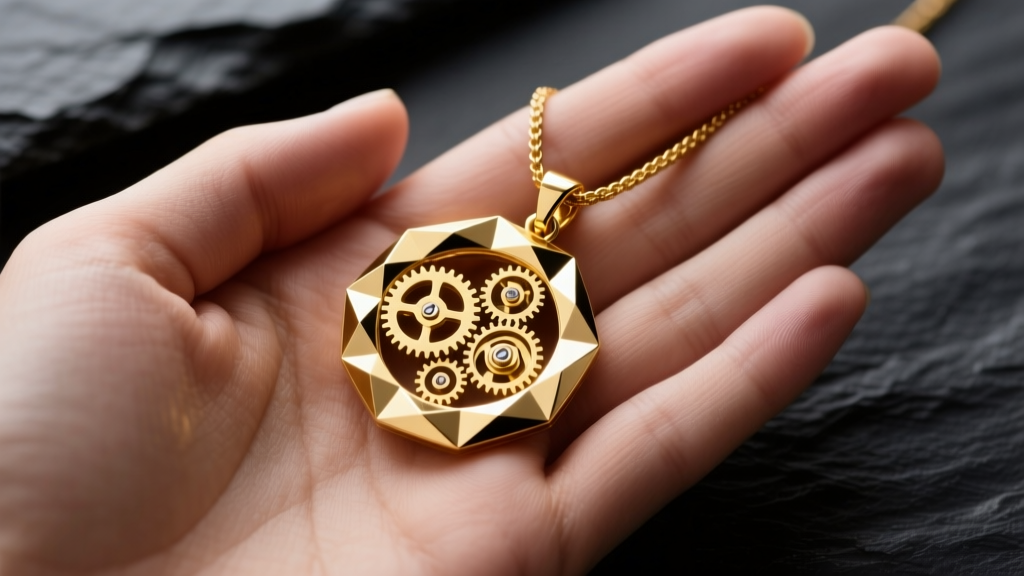
The second pillar of this trend is the kinetic pendant. Moving beyond static gemstones, these pendants feature gyroscopic rings, micro-ball bearings, and sliding geometric elements. When held in the hand, the pendant can be spun, clicked, or slid, providing a discreet fidgeting mechanism. High-end horological techniques are now being applied to jewelry, utilizing ceramic ball bearings to ensure silent, frictionless movement that feels incredibly satisfying when manipulated between the thumb and forefinger.
Material Weight and Drape: A Technical Breakdown
When evaluating a necklace in hand, the material's density dictates the entire sensory experience. The GIA Gem Encyclopedia and metallurgical standards highlight that different metals offer vastly different tactile feedback. A 100-gram chain in solid 14k gold will feel remarkably different from a 100-gram chain in 316L surgical steel, primarily due to the distribution of mass and the metal's thermal conductivity.
| Material | Density (g/cm³) | Thermal Feel | Tactile Rating (1-5) | Ideal Chain Style |
|---|---|---|---|---|
| Tungsten Carbide | 15.6 | Cool, Slow to Warm | 5 (Heavy, Grounding) | 10mm+ Cuban Links |
| Solid 14k Gold | 13.2 | Warm, Adaptive | 4 (Premium, Smooth) | 8mm-12mm Paperclip |
| 316L Surgical Steel | 8.0 | Neutral, Cool | 3 (Balanced, Durable) | 12mm+ Hexagonal Links |
| Titanium (Grade 5) | 4.4 | Warm, Lightweight | 2 (Featherweight) | 15mm+ Hollow-Core Links |
For the ultimate 'necklace in hand' experience, Tungsten Carbide and solid gold are the superior choices. Tungsten provides a startling, satisfying heft that immediately grounds the wearer, while solid gold offers a buttery, warm glide through the fingers that synthetic metals cannot replicate.
How to Evaluate a Tactile Necklace in Hand
When you hold a heavy, tactile necklace, you are conducting a physical stress test. Standard jewelry evaluation focuses on visual brilliance, but the necklace in hand trend requires a rigorous mechanical assessment. Here is the professional framework for evaluating these pieces before purchase:
- The Drape and Kink Test: Hold the chain by the clasp and let it fall freely. Heavy chains (over 80 grams) are prone to kinking if the link tolerances are too tight. A well-engineered tactile chain will drape fluidly like liquid metal. If it catches or folds rigidly upon itself, the links are poorly calibrated for daily manipulation.
- The Edge and Tumble Test: Run the chain rapidly through your closed fist. Pieces meant for hand-interaction must undergo extensive tumbling and polishing. Any sharp, diamond-cut edges that catch on the skin indicate a piece designed purely for visual reflection, not tactile engagement. Look for 'tumbled' or 'soft-edge' finishes.
- The Clasp Tension and Safety Check: Standard lobster clasps will fail under the kinetic stress of a 100g+ chain being pulled and wrapped. According to guidelines from Jewelers of America, heavy chains require specialized hardware. Inspect the piece for custom barrel clasps, heavy-duty T-bar toggles, or neodymium magnetic locks backed by a secondary figure-8 safety chain. The clasp mechanism should operate with a definitive, audible 'click' when engaged.
- The Link Soldering Inspection: Examine the seams of the links under a jeweler's loupe. For chains meant to be pulled and wrapped around the wrist, traditional torch soldering can leave brittle joints. Look for laser-welded seams, which offer superior tensile strength and prevent the links from snapping when subjected to manual tension.

Styling Frameworks: Beyond the Neckline
The 'necklace in hand' trend inherently blurs the line between neckwear and bracelets. The most prominent styling technique for 2026 is the 'wrist-wrap drape.' By utilizing longer lengths—specifically 28-inch to 32-inch rope or paperclip chains—wearers can loop the necklace around the wrist two or three times, transforming it into a massive, textured cuff bracelet. This not only showcases the piece's hardware but also keeps the heavy metal accessible for fidgeting throughout the day.
For editorial and social media presentation, the 'hand-drape' pose has become the industry standard. Rather than simply wearing the necklace, the model or subject is photographed holding the pendant or a gathered section of the chain in their palm, allowing the excess links to cascade through their fingers. This styling method communicates the scale, weight, and fluidity of the metal in a way that a standard flat-lay or neck-shot simply cannot achieve. It invites the viewer to imagine the physical sensation of holding the piece themselves.
Conclusion
The 2026 necklace in hand trend is a definitive rejection of passive, purely decorative jewelry. It champions pieces that demand physical interaction, offering a blend of architectural aesthetics and psychological grounding. By understanding the metallurgical densities, mechanical requirements, and styling frameworks of heavy-gauge and kinetic necklaces, you can curate a collection that not only looks extraordinary but feels undeniably substantial in the palm of your hand. Whether you are drawn to the icy heft of tungsten or the warm fluidity of solid gold, the modern necklace is meant to be held.


