Mama Bear Necklace Materials: Gold vs Silver vs Enamel
Discover the best metals and enamels for a mama bear necklace. Compare 14k gold, sterling silver, and steel for durability against daily wear.

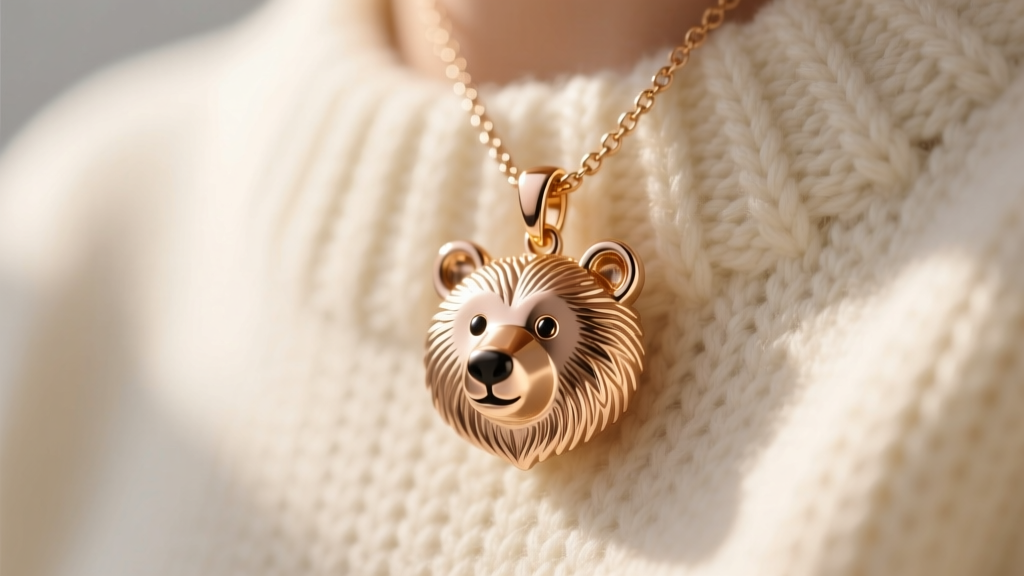
Why Material Choice Dictates the Lifespan of Your Mama Bear Necklace
A mama bear necklace is far more than a simple fashion accessory; it is a sentimental talisman that represents the fierce, protective bond of motherhood. However, the reality of daily life with children means your jewelry is subjected to a unique gauntlet of environmental stressors. From alcohol-based hand sanitizers and baby lotions to accidental yanks by curious toddlers, the structural integrity of your pendant and chain is constantly tested. In 2026, savvy jewelry buyers are moving away from fragile, fast-fashion trinkets and investing in pieces engineered for real-world resilience. Understanding the metallurgical properties, alloy compositions, and enamel types used in your mama bear necklace is the only way to ensure it survives the chaotic beauty of motherhood and becomes a true heirloom.
The Core Metals: Solid Gold vs. Sterling Silver vs. Steel
The base metal of your pendant dictates its hypoallergenic properties, tarnish resistance, and overall tensile strength. Let us break down the exact material grades you will encounter on the market.
14k and 18k Solid Gold (The Heirloom Standard)
Pure 24k gold is far too soft for daily wear, which is why it is alloyed with metals like copper, silver, and zinc. According to the Gemological Institute of America (GIA), 14k gold contains 58.5% pure gold, while 18k contains 75%. For a mother on the go, 14k gold is the superior choice. On the Vickers hardness scale (HV), 14k gold registers around 150 HV, making it highly resistant to scratching and denting compared to 18k gold, which sits at a softer 125 HV. Furthermore, the copper content in 14k rose gold creates a warm, forgiving tone that beautifully masks minor surface abrasions that inevitably occur when leaning over cribs or playing on the floor.
925 Sterling Silver & The Tarnish Factor
Sterling silver is an alloy consisting of 92.5% pure silver and 7.5% copper. While it offers a beautiful, bright luster at a fraction of the cost of gold, that 7.5% copper is its Achilles heel. Copper reacts with sulfur and moisture in the air (and in your sweat), leading to silver sulfide tarnish. If you opt for a sterling silver mama bear necklace, ensure it features a heavy rhodium flash. Rhodium is a platinum-group metal that provides a brilliant, tarnish-resistant barrier. However, be aware that rhodium plating will eventually wear thin on high-friction areas, requiring re-plating every few years.
316L Surgical Stainless Steel (The Indestructible Option)
For mothers who work in healthcare or frequently use harsh cleaning chemicals, 316L surgical stainless steel is a powerhouse. The addition of molybdenum in the 316L alloy prevents pitting and corrosion from chlorides (like sweat and saline). It will never tarnish, requires zero polishing, and is entirely nickel-free, making it safe for sensitive skin. The trade-off? Steel is incredibly hard, meaning if a link does break, it cannot be easily soldered back together by a standard jeweler.
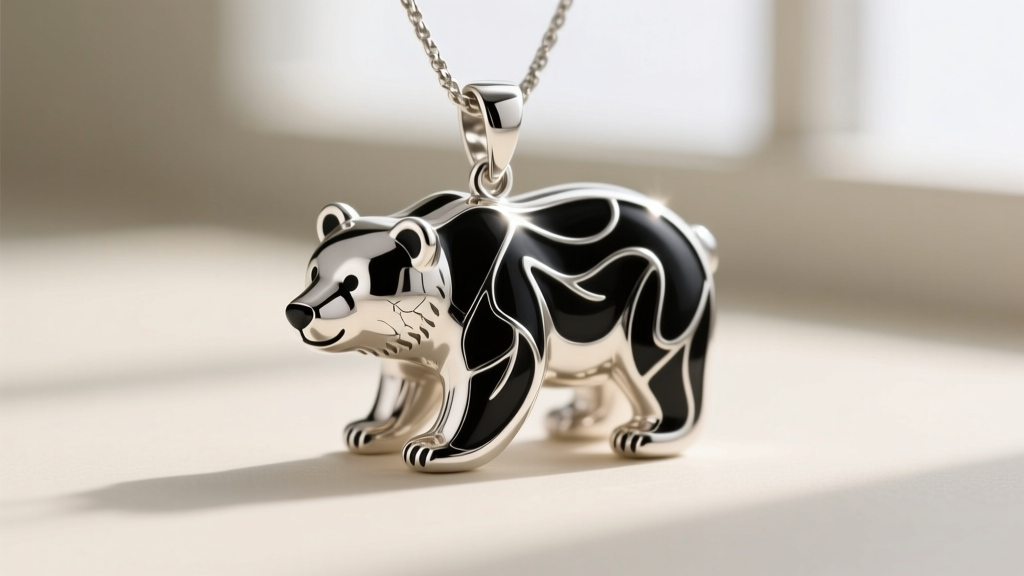
Decorative Elements: Enamel and Gemstone Inlays
Many mama bear necklaces utilize enamel to add contrast, such as a tiny heart on the bear's chest or detailed fur textures. Not all enamel is created equal, and the application method drastically alters its lifespan.
| Enamel Type | Composition | Mohs Hardness | Durability Profile |
|---|---|---|---|
| Cold Enamel (Epoxy) | Resin-based pigment | 2.5 - 3.0 | Prone to scratching, yellowing from UV exposure, and peeling if exposed to hand sanitizers. |
| Vitreous Enamel | Kiln-fired glass powder | 5.5 - 6.0 | Highly scratch-resistant and colorfast. Will not melt or peel, but can shatter if dropped on hard tile. |
| Guilloché | Translucent enamel over engraved metal | 5.5 - 6.0 | Stunning depth and light refraction. Requires careful handling to prevent chipping the glass edges. |
Expert Tip: Always check the product specifications. If a brand does not explicitly state "vitreous" or "kiln-fired," assume it is cold epoxy resin, which will degrade quickly when exposed to the alcohols found in baby wipes and hand sanitizers.
Chain Gauge and Clasp Mechanics: Surviving the "Toddler Tug"
The most common point of failure for any mother's necklace is not the pendant itself, but the chain snapping under sudden tension. A toddler's casual yank can generate over 10 pounds of localized force.
- Avoid (0.8mm - 1.0mm): Standard cable or box chains in this gauge will snap under 3-5 lbs of pressure. They are strictly for occasional, supervised wear.
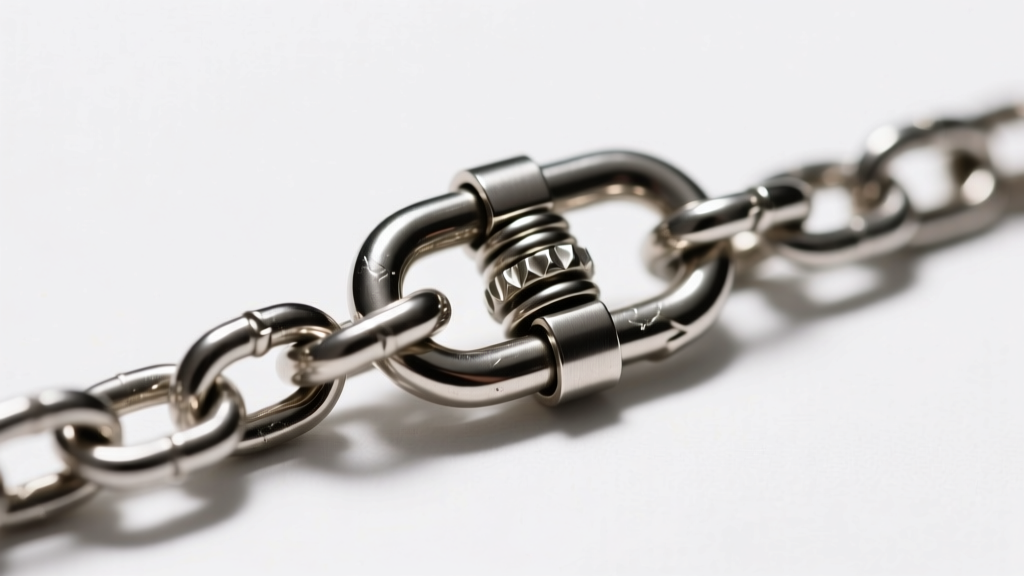
- Minimum Safe Gauge (1.2mm - 1.5mm): A 1.5mm Rolo chain is the gold standard for mom necklaces. The interlocking, rounded links distribute tensile stress evenly across the chain, preventing weak-point snapping.
- The Clasp: Discard any necklace featuring a spring-ring clasp. They are notoriously difficult to operate with one hand and feature a fragile internal spring that fails over time. Demand a 12mm or 14mm Lobster Claw clasp, which features a solid internal mechanism and a wider gate for secure attachment to the jump ring.
Understanding Plating: The FTC Vermeil Standard
If solid gold is outside your budget, you will likely encounter "gold vermeil" or "gold plated" options. It is vital to understand the legal distinctions outlined by the Federal Trade Commission (FTC) Jewelry Guides. Standard gold plating can be applied to cheap brass or copper bases and can be microscopically thin (less than 0.5 microns), leading to rapid fading and skin discoloration. Gold Vermeil, however, is strictly regulated: it must feature a solid 925 sterling silver base coated with at least 10k gold that is a minimum of 2.5 microns thick. When shopping for a budget-friendly mama bear necklace, always verify the listing specifies "vermeil" and "2.5 microns" to ensure you are getting a durable, hypoallergenic piece rather than a disposable fashion accessory.
2026 Material Comparison Matrix & Pricing Guide
| Material | Tarnish Resistance | Water/Sweat Safe? | Avg. Price Range | Best For... |
|---|---|---|---|---|
| 14k Solid Gold | Excellent | Yes | $250 - $600+ | Lifetime daily wear, showering, and heirloom passing. |
| 18k Solid Gold | Excellent | Yes | $400 - $900+ | Special occasions; less ideal for highly active, rough-and-tumble days. |
| Gold Vermeil | Good (until worn) | No | $80 - $180 | Budget-conscious buyers who need hypoallergenic properties. |
| 925 Sterling Silver | Poor (requires care) | No | $60 - $150 | Classic aesthetics with a willingness to perform weekly polishing. |
| 316L Stainless Steel | Perfect | Yes | $30 - $90 | Healthcare workers, gym-goers, and zero-maintenance wearers. |
Care Protocols by Material
To maximize the lifespan of your jewelry, tailor your maintenance to the specific metallurgy of your piece. For solid gold and stainless steel, a simple wash with warm water, a drop of phosphate-free dish soap, and a soft baby toothbrush will remove accumulated lotions and dead skin cells from the chain links. Never use ultrasonic cleaners on mama bear necklaces featuring vitreous enamel or gemstone inlays, as the high-frequency vibrations can fracture the glass or loosen the adhesive settings. For sterling silver, store the necklace in an anti-tarnish cloth pouch with a silica gel packet to absorb ambient moisture, ensuring the copper alloys remain dormant and bright.
Final Thoughts on Choosing Your Piece
A mama bear necklace should be a source of comfort and pride, not a source of anxiety over breakage or skin irritation. By prioritizing a 14k gold or 316L steel base, demanding a 1.5mm rolo chain with a lobster clasp, and verifying the use of vitreous enamel over cheap resins, you guarantee that your jewelry is as resilient and enduring as the bond it represents.


