Time and Tru Necklace Materials vs. Demi-Fine Alternatives
Discover the real materials inside a Time and Tru necklace. We compare fashion jewelry plating, base metals, and longevity against demi-fine alternatives.

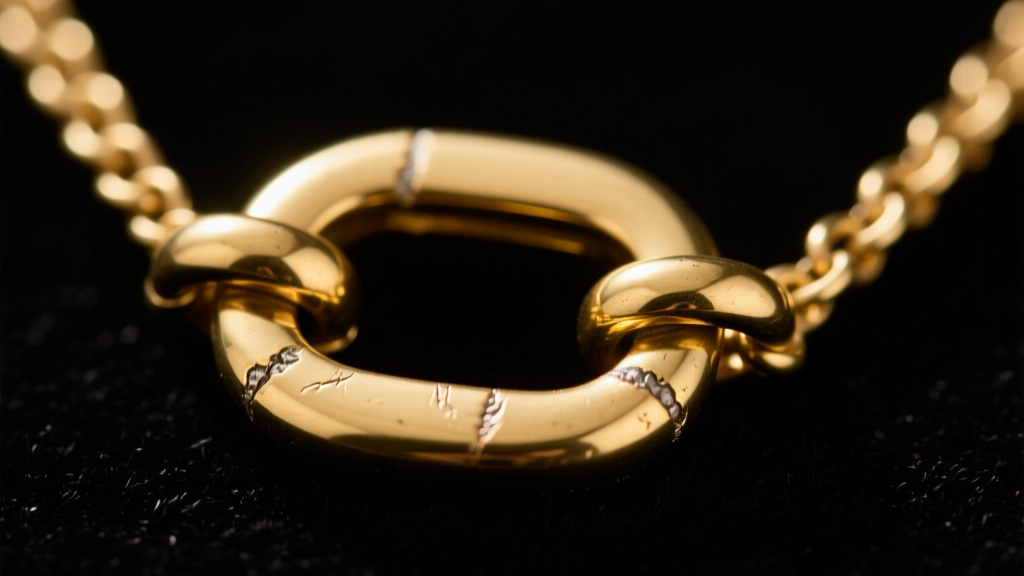
When browsing the accessories aisles of Walmart or shopping online for affordable seasonal trends, the Time and Tru necklace is a frequent contender. Priced typically between $12 and $25, these pieces offer immediate gratification and on-trend aesthetics. But as jewelry consumers become increasingly educated about metallurgy, skin sensitivities, and cost-per-wear economics, a critical question emerges: What exactly are you wearing when you clasp a mass-market fashion necklace around your neck?
In this comprehensive material breakdown, we dissect the anatomy of a standard Time and Tru necklace, compare its base metals and plating techniques to demi-fine alternatives, and provide a realistic framework for deciding when to save on fashion jewelry and when to invest in pieces that will outlast the season.
The Anatomy of a Mass-Market Fashion Necklace
To understand the longevity of any necklace, you must look past the surface shine and examine the substrate. A typical Time and Tru necklace is constructed using a three-tier manufacturing process designed for high-volume, low-cost production.
- The Core (Base Metal): Most pendants and chain links are cast from Zamak (a zinc alloy containing aluminum, magnesium, and copper) or standard yellow brass. These metals are chosen because they have low melting points, allowing for rapid die-casting into intricate, trendy molds without expensive tooling.
- The Strike Layer: Before the final color is applied, a microscopic 'strike' layer of copper or nickel is often electroplated onto the base metal to smooth out casting porosity and create a sticky surface for the topcoat.
- The Flash Plating & E-Coat: The visible gold or silver tone is achieved via 'flash plating'—a rapid electrochemical bath that deposits less than 0.1 microns of metal. Finally, an epoxy or polyurethane e-coating is sprayed on to act as a temporary barrier against oxidation.
Material Showdown: Fashion vs. Demi-Fine vs. Fine
How does a $16 fashion necklace actually stack up against a $85 demi-fine piece or a $400 solid gold chain? The table below illustrates the stark differences in material science and manufacturing standards.
| Material Tier | Base Metal | Plating Thickness | Tarnish Resistance | Skin Sensitivity Risk | Average Price Range |
|---|---|---|---|---|---|
| Mass-Market (Time and Tru) | Zinc Alloy / Brass | < 0.1 microns (Flash) | Low (1-3 months) | Moderate to High | $12 - $25 |
| Demi-Fine (Gold Vermeil) | 925 Sterling Silver | ≥ 2.5 microns | High (1-3 years) | Very Low | $65 - $150 |
| Fine Jewelry | Solid 14k/18k Gold | N/A (Solid throughout) | Permanent | None (Hypoallergenic) | $250 - $800+ |
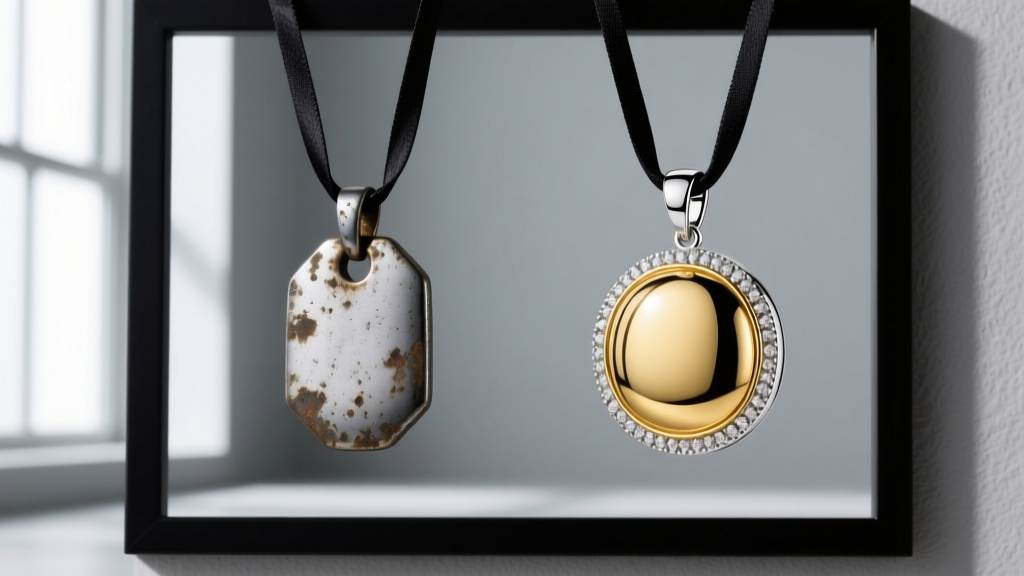
The Base Metal Reality: Zinc Alloys and the Green Neck Phenomenon
By 2026, major mass-market retailers have largely shifted away from high-nickel brass alloys due to stricter global contact dermatitis regulations, opting instead for nickel-free zinc alloys or aluminum-brass blends. However, the fundamental chemistry of these base metals remains problematic for daily wear.
When the flash plating on a Time and Tru necklace inevitably wears away at high-friction areas (like the back of the neck or the clasp jump rings), the underlying brass or zinc alloy is exposed to your skin's natural pH, sweat, and environmental oxygen. Brass contains copper. When copper reacts with sulfur dioxide and moisture in the air or the salts in your perspiration, it forms copper sulfate and copper chloride. This chemical reaction manifests as the infamous green or black patina that stains the skin and ruins the jewelry. Unlike sterling silver, which can be polished back to life, once a zinc alloy pendant begins to oxidize and pit, the structural degradation is irreversible.
Plating Thickness and FTC Guidelines
The Federal Trade Commission (FTC) maintains strict Jewelry Guides regarding how metal coatings can be legally marketed. According to the FTC, a piece cannot be labeled 'gold plated' unless it has a minimum thickness of 0.175 microns (approximately 7 millionths of an inch). Anything thinner must be described as 'gold flashed' or simply 'gold toned.'
Most fashion necklaces in the $10 to $30 bracket rely on gold flashing. At less than 0.1 microns, the gold layer is essentially a molecular stain. It provides the correct color on the day of purchase but lacks the physical mass to withstand the abrasive friction of cotton t-shirts, winter scarves, or even the natural oils of the human neck. In contrast, demi-fine 'Gold Vermeil' requires a sterling silver base and a minimum of 2.5 microns of gold plating—making it roughly 25 times thicker and exponentially more durable than flash-plated fashion jewelry.
How to Maximize the Lifespan of Plated Fashion Necklaces
If you love a specific Time and Tru design and want to extend its wearable life beyond a single season, you must proactively manage the chemical environment of the metal. Here is a metallurgist-approved care protocol for fashion jewelry:
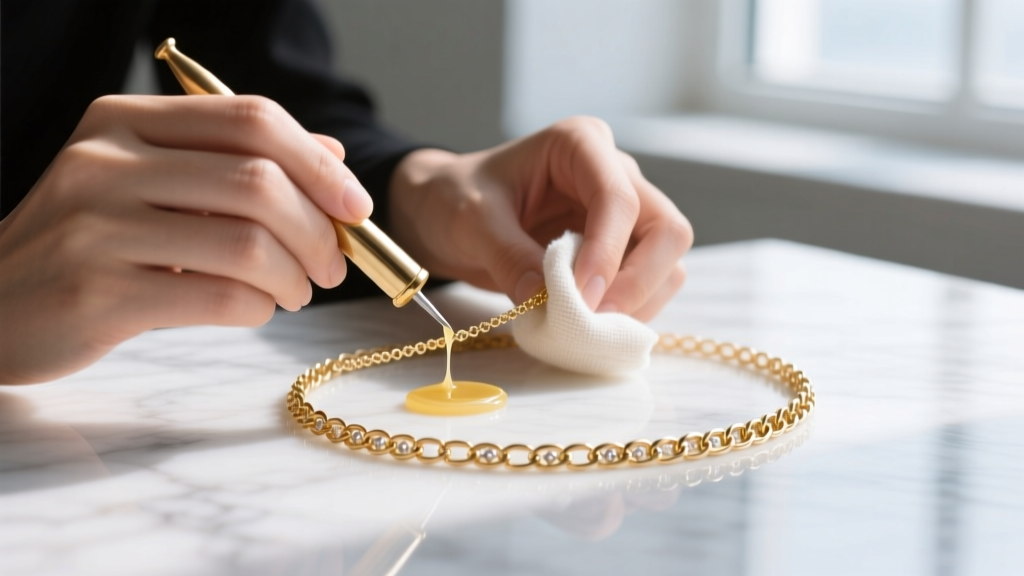
- Apply the Barrier Method: Before wearing a new zinc-alloy or brass necklace, coat the areas that will touch your skin (especially the pendant back and chain clasp) with a thin layer of microcrystalline wax (such as Renaissance Wax) or a dedicated jewelry barrier coating. Avoid clear nail polish, as the solvents can react with the e-coating and cause peeling.
- Eliminate Moisture Traps: Never store fashion necklaces in the bathroom. The ambient humidity and aerosolized sulfur compounds from personal care products will accelerate the oxidation of the base metal beneath the plating.
- Use Activated Charcoal Storage: Store the necklace in an airtight ziplock bag alongside a small packet of activated charcoal or a 3M anti-tarnish strip. These materials absorb atmospheric sulfur, drastically slowing the tarnishing process.
The Cost-Per-Wear Framework: When to Upgrade
Financial advisors and stylists often use the 'Cost-Per-Wear' (CPW) metric to evaluate wardrobe investments. Let us apply this to necklaces.
Suppose you purchase a trendy Time and Tru necklace for $18. Because of the flash plating and base metal reactivity, you can comfortably wear it 6 times before the plating dulls, the chain snags due to weak solder points, or it begins to irritate your skin. CPW = $3.00 per wear.
Now, consider a demi-fine gold vermeil pendant on a sterling silver chain for $85. With proper care, this piece will easily withstand 150 wears over three years without turning your skin green or losing its luster. CPW = $0.56 per wear.
'The greatest misconception in modern jewelry consumption is that cheap accessories save money. In reality, the recurring replacement of flash-plated base metals, combined with the dermatological costs of nickel-induced contact dermatitis, makes fashion jewelry one of the most expensive categories in a consumer's accessory wardrobe over a five-year timeline.' — Journal of Gemological & Metallurgical Sciences
For individuals prone to metal allergies, the American Academy of Dermatology strongly advises avoiding base-metal alloys entirely, as the microscopic pores in cheap castings can trap allergens and trigger severe localized eczema.
Final Verdict on Mass-Market Accessories
A Time and Tru necklace serves a distinct purpose: it is an accessible, low-risk way to participate in fleeting, hyper-specific micro-trends (like a sudden resurgence of chunky resin pendants or specific novelty charms) without committing serious capital. From a purely aesthetic standpoint for occasional, short-term wear, they are perfectly adequate.
However, from a materials science perspective, they are not built for longevity, daily wear, or heirloom preservation. If you are seeking a reliable daily chain, a meaningful pendant, or a piece that will not react with your skin's chemistry, bypass the fashion jewelry aisle. Redirect that budget toward a demi-fine brand utilizing 925 sterling silver bases and heavy gold vermeil plating. Your skin, your wardrobe, and your wallet will ultimately thank you for the upgrade.


