How to Design and Style an Authentic Ariel Necklace Shell
Learn how to design, source, and style an authentic Ariel necklace shell. Step-by-step mermaidcore guide covering materials and layering.

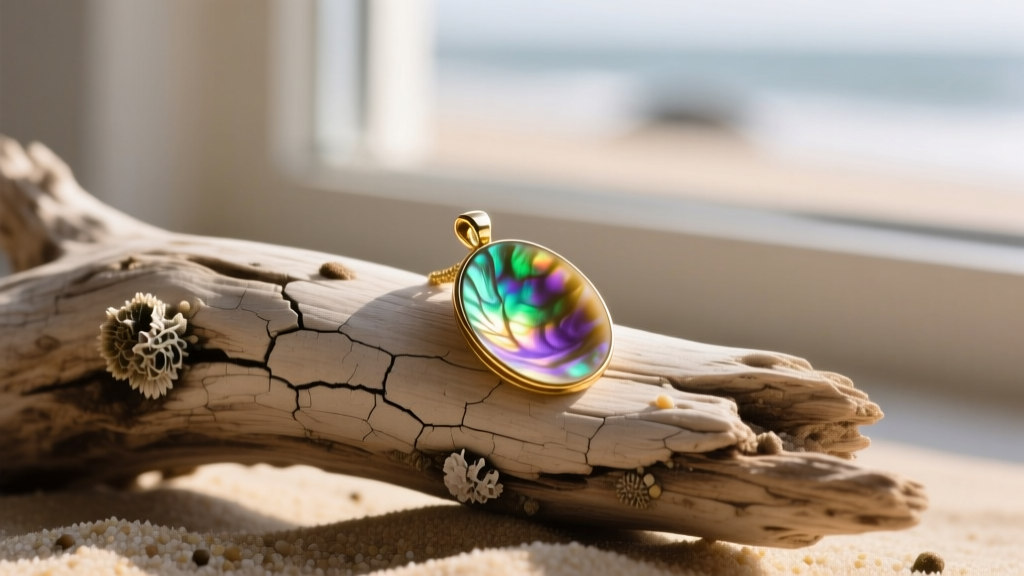
The Anatomy of an Authentic Ariel Necklace Shell
The 'mermaidcore' aesthetic has cemented the ariel necklace shell as a staple in coastal, fantasy, and summer-inspired jewelry. However, moving beyond cheap, mass-produced resin replicas requires a foundational understanding of marine materials, hardware integrity, and proportional styling. Whether you are a jewelry maker sourcing components or a collector looking to curate a high-end piece, this guide provides a step-by-step framework for assembling and styling a premium shell pendant that captures the iconic Ariel aesthetic while maintaining fine jewelry standards.
Step 1: Sourcing the Right Marine Material
Not all shells are created equal. To achieve the iridescent, underwater shimmer associated with an authentic ariel necklace shell, you must look beyond standard beachcombing finds and focus on gem-grade organic materials. According to the Gemological Institute of America (GIA), organic gems require specific structural integrity to be worn daily.
- New Zealand Paua Abalone (Haliotis australis): The gold standard for vibrant mermaidcore jewelry. Paua offers deep, electric blues, greens, and purples. Look for hand-carved pendants with a minimum thickness of 4mm to prevent snapping. Expect to pay $25 to $60 for a high-grade 25mm pendant.
- Mother of Pearl (Pinctada maxima): Sourced from the silver-lipped oyster, this material offers a milky, opalescent white with subtle pastel flashes. It ranks at 2.5 to 4.5 on the Mohs hardness scale, making it more scratch-resistant than softer shells.
- Ethical Compliance: Always verify that your shells are CITES-compliant. Avoid wild-harvested Queen Conch, which is heavily regulated and often illegally traded. Opt for aquaculture byproducts from the pearl farming industry to ensure sustainable sourcing.
Step 2: Selecting and Attaching the Bail
The bail is the critical bridge between your shell pendant and the chain. The attachment method depends entirely on whether your shell is top-drilled, undrilled, or asymmetrical.
Adhesives vs. Mechanical Wraps
For undrilled, flat-backed shells, a glue-on bail is necessary. Never use cyanoacrylate (superglue). Superglue becomes brittle over time, degrades in high humidity, and will inevitably fail, resulting in a lost pendant. Instead, use a two-part jeweler's epoxy, such as Devcon 5-Minute Epoxy or G-S Hypo Cement for smaller surface areas. Lightly score the back of the shell and the bail base with 600-grit sandpaper to create a mechanical tooth for the adhesive to grip.
| Bail Type | Best Shell Shape | Attachment Method | Failure Risk Factor |
|---|---|---|---|
| Flat Pad Glue-On | Scallop, Flat Abalone | Two-Part Epoxy | Medium (if surface not scored) |
| Wrap / Cage Bail | Teardrop, Asymmetrical | Mechanical Tension | Low (adjustable fit) |
| Screw-Post Bail | Thick Conch, Carved | Threaded Post + Nut | Very Low (most secure) |
| Soldered Jump Ring | Pre-Drilled Puka | Silver Solder | Low (requires professional) |
Step 3: Chain Selection and Gauge Matching
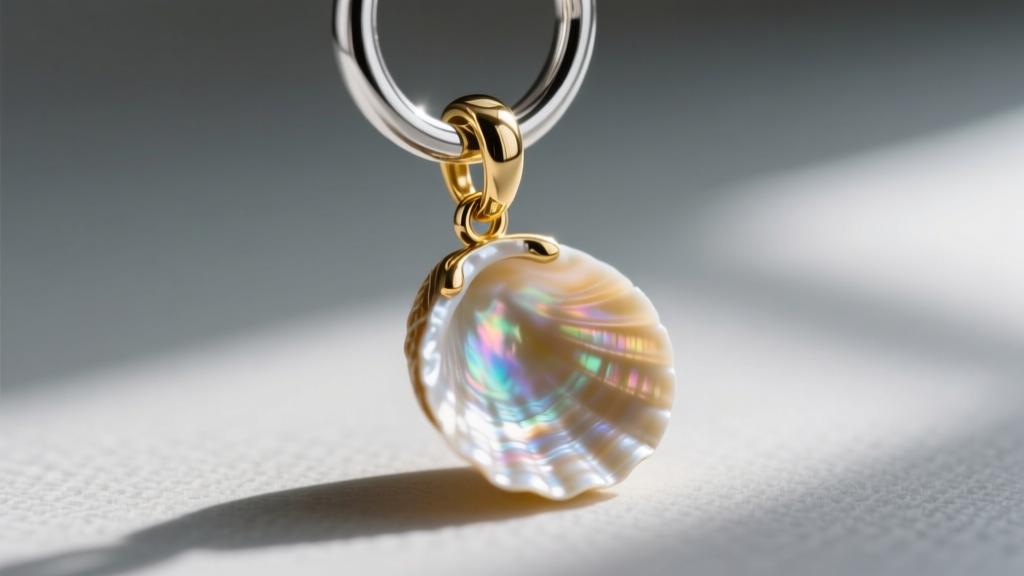
A common failure mode in shell necklaces is the chain snapping or the jump ring pulling apart under the weight of the shell. For a standard 20mm to 30mm ariel shell pendant, you need a chain that offers tensile strength without visually overpowering the delicate nacre.
Opt for a 1.2mm to 1.5mm cable, rolo, or box chain. Avoid hollow-cored chains, which crush easily. When selecting the metal, prioritize 14k Gold-Filled (stamped 1/20 14K GF) over standard gold-plated options. The Federal Trade Commission (FTC) notes that gold-filled items contain a thick, mechanically bonded layer of gold that will not flake or turn the skin green, whereas gold-plated chains often expose their brass cores within months of daily wear. If you prefer silver, choose solid 925 sterling silver with a rhodium flash to prevent sulfur-induced tarnishing.
Pro-Tip: Always use an 18-gauge or 20-gauge solid jump ring to connect the bail to the chain. Ensure the jump ring is 'closed flush' using two pairs of flat-nose pliers to prevent the chain from slipping through the seam.
Step 4: Styling and Layering the Mermaidcore Aesthetic
Styling an ariel necklace shell requires an understanding of necklines and negative space. The goal is to evoke a coastal, ethereal vibe without looking like a costume piece.
Neckline Pairings
- The Sweetheart Neckline: A 16-inch princess chain places the shell pendant perfectly in the upper negative space of a sweetheart or corset-style top, drawing the eye to the collarbone.
- The Deep V-Neck: Use an 18-inch or 20-inch matinee length chain. The elongated drop mimics the plunging neckline and elongates the torso.
- The Halter Top: Avoid long pendants that will clash with the halter straps. Instead, opt for a 14-inch choker-length chain where the shell rests just above the clavicle.
The Art of the Layered Stack
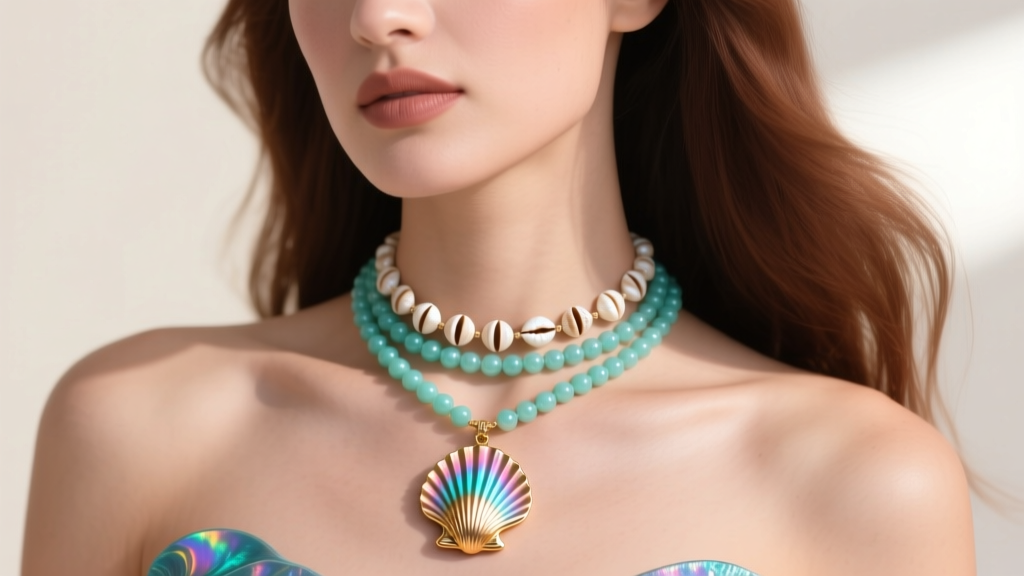
To achieve a curated, organic look, layer your primary shell pendant with complementary textures. Pair your 18-inch gold-filled abalone shell necklace with a 14-inch freshwater seed pearl choker or a delicate 15-inch oxidized silver wave-motif chain. Maintain a strict 2-inch to 4-inch gap between the chain lengths. This gap prevents the metal links from tangling and reduces friction that could scratch the softer nacre of the shell.
Step 5: Maintenance and Nacre Preservation
Shells are organic gems, primarily composed of calcium carbonate and conchiolin. This makes them highly vulnerable to acidic environments and harsh chemicals. Wearing your ariel necklace shell while swimming in chlorinated pools or applying aerosol perfumes directly to the chest will degrade the iridescent top layers, leaving the shell looking chalky and dull.
Safe Cleaning Protocol
- Mix a few drops of pH-neutral dish soap into a bowl of lukewarm distilled water.
- Submerge the chain, but avoid prolonged soaking of the shell itself (especially if glue-on bails are used, as water can weaken the epoxy bond over time).
- Gently wipe the shell with a damp, lint-free microfiber cloth.
- Buff dry immediately. Never use ultrasonic cleaners or steamers, as the high-frequency vibrations can cause micro-fractures in the shell's crystalline structure.
Troubleshooting Cloudy Nacre
If your shell pendant has lost its luster due to contact with skin acids or cosmetics, do not use commercial silver polishes or abrasive pastes. Instead, apply a microscopic drop of mineral oil to a soft cloth and gently buff the surface of the shell. The oil temporarily fills microscopic surface scratches and restores the wet-look iridescence characteristic of a pristine ariel necklace shell. Store your piece in an anti-tarnish pouch away from direct, prolonged UV sunlight, which can bleach the organic pigments over time.


