Troubleshooting Fit and Style for a Sexy Choker Necklace
Is your sexy choker necklace causing skin irritation or styling clashes? Learn expert troubleshooting tips for fit, materials, and necklines.

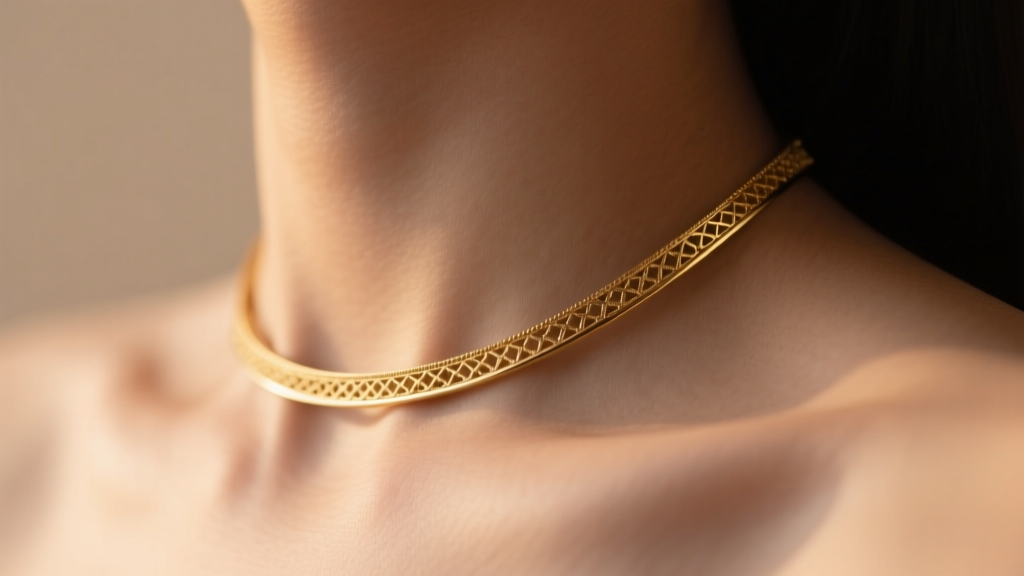
The allure of a perfectly fitted, beautifully styled sexy choker necklace is undeniable. It draws the eye to the collarbone, elongates the neck, and adds an instant edge to any ensemble. However, the gap between a high-fashion editorial look and an uncomfortable, cheap-looking accessory is surprisingly narrow. Many wearers struggle with hidden fit issues, unexpected skin reactions, and styling misfires that completely undermine the intended aesthetic.
As jewelry specialists, we see the same recurring problems: chokers that feel like tourniquets, metals that leave green stains, and proportions that clash with modern necklines. This comprehensive troubleshooting guide will help you diagnose and fix the most common issues associated with wearing a sexy choker necklace, ensuring your accessory is as comfortable and refined as it is captivating.
The Anatomy of a Perfect Fit: Solving the Choking Hazard
The most frequent complaint regarding chokers is the sensation of constriction. A true choker is designed to sit snugly against the neck, but there is a distinct physiological line between 'snug' and 'suffocating.' The average female neck circumference ranges from 12.5 to 14.5 inches. If your jewelry does not account for your specific anatomy, swallowing, breathing, and even basic head movement can become uncomfortable.
Diagnosing Length Discrepancies
Standard choker lengths are categorized into three distinct tiers:
- 14 Inches (The Collar): Sits high on the neck, just below the larynx. This is the tightest fit and is best suited for individuals with slender necks (under 13 inches). If you have a larger neck circumference, a 14-inch piece will act as a tourniquet.
- 15 Inches (The Standard): The most universally flattering length. It rests comfortably in the hollow of the neck, allowing for a single finger to slide easily between the chain and your skin.
- 16 Inches (The Princess Choker): Sits at the base of the neck, resting just above the clavicle. This is ideal for those who want the visual effect of a choker without any physical restriction.
The Extender Chain Fix
If you have purchased a 14-inch velvet or leather band that feels too tight, do not force it. The structural integrity of the material will degrade if stretched. Instead, purchase a 2-inch extender chain. For delicate chokers, opt for a 1.2mm cable chain with 4mm jump rings. Ensure the clasp is a 5mm lobster claw rather than a spring ring; lobster claws offer a more secure grip on the extender links and are easier to manipulate blindly behind your neck.
Material Meltdowns: Troubleshooting Skin Irritation and Tarnish
Nothing ruins the appeal of a sexy choker necklace faster than contact dermatitis or the dreaded 'green neck' phenomenon. Skin irritation is rarely an allergy to gold or silver itself; it is almost always a reaction to the base metals used in cheap alloys or plating processes.
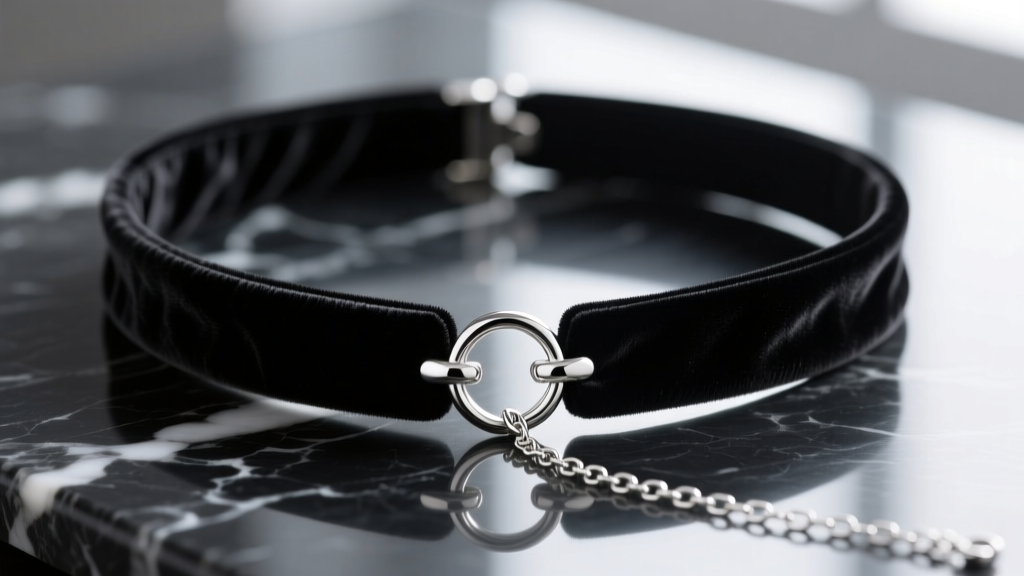
Understanding the Green Stain
When a choker turns your skin green or black, you are witnessing a chemical reaction. Copper and brass, commonly used as base metals in affordable fashion jewelry, react with the natural acids, sweat, and lotions on your skin to create copper chloride. This compound is harmless but aesthetically disastrous. To prevent this, you must verify the core material of your jewelry.
Nickel Allergies and Contact Dermatitis
According to the Mayo Clinic, nickel allergy is one of the most common causes of allergic contact dermatitis. Many mass-produced chokers use nickel as a hardening agent in white gold alloys or as a base layer beneath gold plating. If your neck becomes red, itchy, or blistered after wearing a choker, remove it immediately.
Material Troubleshooting Matrix
Use the following table to identify the best materials for your skin type and budget when shopping for a choker.
| Material Grade | Base Metal | Irritation Risk | Price Range | Best Use Case |
|---|---|---|---|---|
| ASTM F136 Titanium | Pure Titanium | Zero (Hypoallergenic) | $40 - $120 | Hyper-sensitive skin, daily wear, body-safe |
| 316L Surgical Steel | Iron/Chromium | Very Low | $20 - $60 | Budget-friendly daily wear, shower-safe |
| Solid 14k/18k Gold | Gold/Copper/Silver | Low (Check for Nickel) | $150 - $600+ | Luxury styling, heirloom pieces, no tarnish |
| Gold Vermeil | Sterling Silver (925) | Low | $60 - $150 | Special occasions, requires dry storage |
| Gold-Plated Brass | Brass/Copper/Zinc | High (Tarnish/Allergy) | $10 - $35 | One-time events, costume wear only |
Source: Federal Trade Commission Guides for the Jewelry, Precious Metals, and Pewter Industries regarding metal purity and plating standards.
Styling Misfires: Avoiding the Costume Trap
A sexy choker necklace should elevate your outfit, not make it look like a dated 1990s costume or a theatrical prop. The most common styling error is ignoring neckline geometry and proportion. The choker must interact harmoniously with the fabric framing your face.
Neckline Geometry and Negative Space
The success of a choker relies heavily on 'negative space'—the exposed skin between the jewelry and the top of your garment.
- The Sweetheart & V-Neck: These are the ultimate pairings for a choker. The downward angle of the neckline elongates the torso, while the choker anchors the eye horizontally, creating a balanced, striking silhouette.
- Off-the-Shoulder & Boatneck: Exposing the entire clavicle area allows a delicate chain or velvet band to stand out without competing with fabric seams.
- The Crew Neck & High Collar: Avoid wearing a choker with high, tight collars. The fabric will bunch against the jewelry, causing friction, tarnishing the metal with fabric dyes, and creating a cluttered, suffocating visual effect.

The Rule of Proportions and Layering
Width dictates the mood of the choker. A micro-chain (1mm to 2mm) offers a subtle, minimalist sexiness, while a wide velvet or lace band (15mm to 30mm) leans heavily into gothic or grunge aesthetics. If you wish to layer your choker, adhere to the 4-inch drop rule. If your choker is 14 inches, your second necklace should be at least 18 inches, and your third should be 22 inches. This prevents the chains from tangling and ensures each piece occupies its own distinct visual zone on the chest.
Maintenance Protocols for Longevity
Troubleshooting doesn't end at purchase; maintaining the structural integrity of your choker is vital. Velvet and lace chokers are particularly prone to fraying at the edges where they meet the metal hardware. To prevent this, apply a micro-drop of clear, flexible fabric glue (such as Jewel Bond) to the cut edges of the fabric during your initial unboxing. Allow it to cure for 24 hours before wearing.
For metal chokers, the clasp mechanism is the primary point of failure. Spring ring clasps frequently snap or lose their internal tension spring. If your favorite choker uses a flimsy 6mm spring ring, take it to a local jeweler to have it swapped for a high-quality lobster clasp. This minor $10 modification will drastically extend the lifespan of the piece and prevent the heartbreak of losing your jewelry in public. Store all chokers flat or hung vertically; never crumple them into a jewelry box, as this will permanently kink O-rings and warp delicate chain links.
Final Thoughts on the Perfect Fit
Mastering the sexy choker necklace requires a blend of anatomical awareness, material science, and stylistic precision. By accurately measuring your neck, investing in hypoallergenic metals like 316L steel or solid gold, and pairing the piece with complementary necklines, you transform a potentially problematic accessory into a signature element of your personal style. Troubleshoot the fit, respect the materials, and let the choker do exactly what it was designed to do: captivate.


