Master the Pearl Necklace Outfit: Technical Pairing & Style Guide
Master the perfect pearl necklace outfit with our technical guide. Learn to match nacre luster, overtone, and strand length to specific necklines and fabrics.

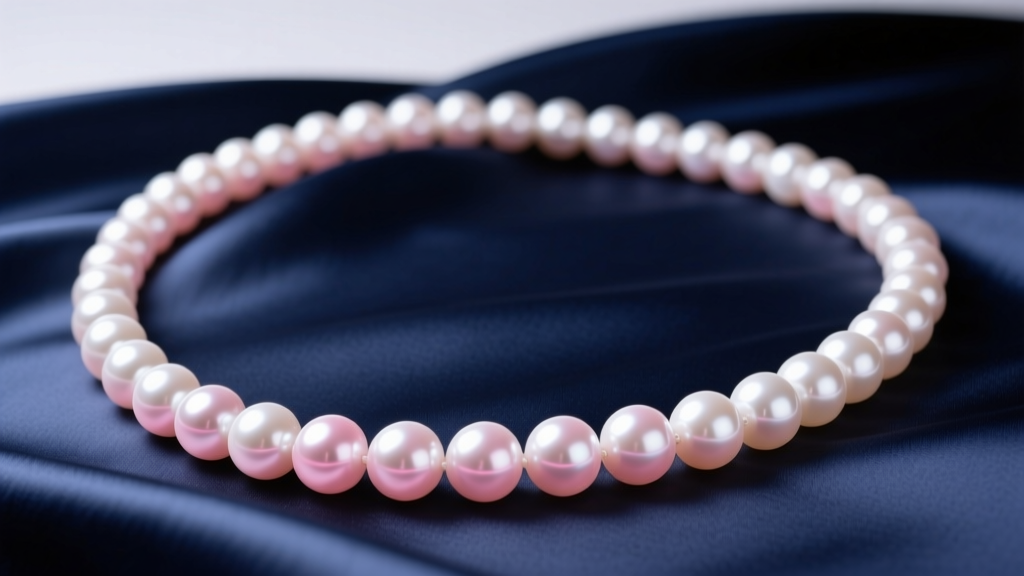
The Gemology of Sartorial Harmony: Why Most Pearl Pairings Fail
When constructing the perfect pearl necklace outfit, most mainstream style guides offer superficial advice, typically defaulting to the cliché of pairing a standard white strand with a little black dress. However, as we navigate the style landscape of 2026, true elegance requires a deeper understanding of gemological properties and textile interactions. A pearl is not merely a white bead; it is a complex organic gemstone with specific optical characteristics, nacre thicknesses, and structural vulnerabilities. Pairing a delicate 6mm Akoya strand with a heavy 14oz raw denim jacket, for instance, results in visual dissonance and physical abrasion. To master the art of the pearl necklace outfit, we must analyze the intersection of lapidary science and sartorial architecture.
Nacre Thickness, Luster, and Fabric Weight Matrix
The visual weight of a pearl is dictated by its luster—the sharpness of light reflections on its surface—which is directly correlated to nacre thickness and crystalline alignment. According to the Gemological Institute of America (GIA), luster is the most critical value factor for pearls. Heavy, textured fabrics absorb light and require pearls with exceptionally sharp, mirror-like luster to stand out, whereas lightweight, reflective fabrics pair best with softer, satiny lusters to prevent visual competition.
| Fabric Type & Weight | Recommended Pearl Type | Ideal Bead Size | Minimum Nacre Thickness | Luster Grade |
|---|---|---|---|---|
| Silk Charmeuse (16-19mm) | Japanese Akoya | 6.0mm - 7.5mm | 0.3mm - 0.5mm | Very High (Mirror) |
| Merino Wool / Cashmere | White South Sea | 9.0mm - 12.0mm | 2.0mm - 4.0mm | High (Satin-Glow) |
| Raw Denim (12oz+) | Tahitian Black | 10.0mm - 13.0mm | 0.8mm - 2.0mm | Very High (Metallic) |
| Brocade / Jacquard | Edison Freshwater | 11.0mm - 14.0mm | 2.0mm+ (Solid Nacre) | High (Deep Luster) |
Overtone Color Theory: Matching Pearls to Skin Undertones and Textiles
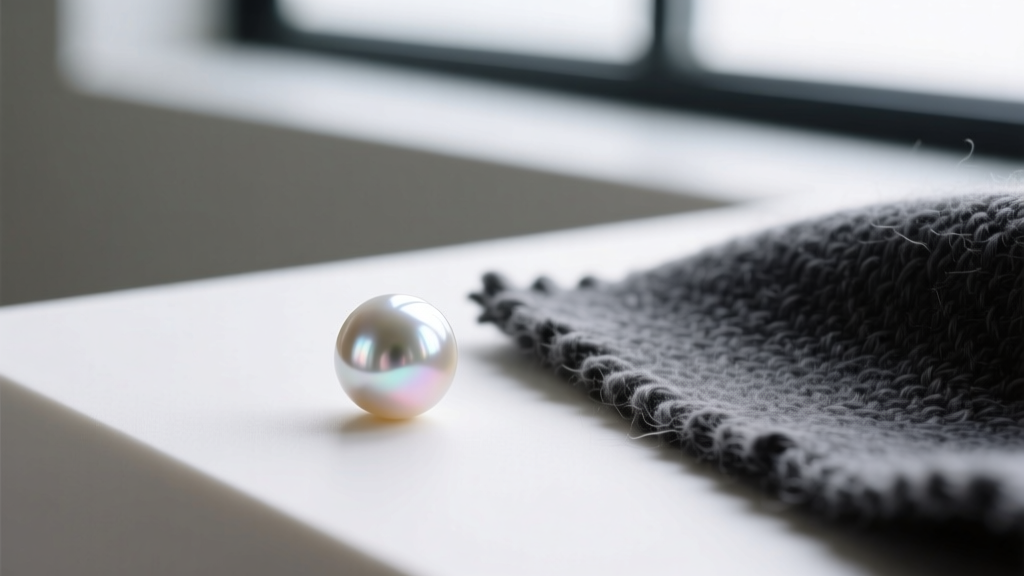
A common mistake in assembling a pearl necklace outfit is confusing the pearl's bodycolor with its overtone. The bodycolor is the dominant base hue (e.g., white, silver, black), while the overtone is the translucent secondary color that appears to float just above the surface. The American Gem Trade Association (AGTA) emphasizes that overtones are what give pearls their depth and optical fire. Matching these overtones to your textile palette is crucial for a cohesive look.
Rosé and Silver Overtones
Akoya pearls frequently exhibit rosé or silver overtones. Rosé overtones possess a warm, pinkish translucency that brilliantly complements cool-toned jewel fabrics like emerald silk, sapphire wool, and deep burgundy velvet. Conversely, silver overtones carry a crisp, icy edge that pairs flawlessly with stark white cotton poplin, charcoal flannel, and monochromatic grayscale tailoring. Wearing a silver-overtone strand against a warm camel or mustard textile will make the pearls appear dull and gray by contrast.
Cream, Ivory, and Green Overtones
South Sea and high-grade Freshwater pearls often display cream or ivory bodycolors with subtle green or peach overtones. These warmer, earthier optical effects demand textiles with similar undertones. Think olive drab, rust, terracotta, and warm taupe. A cream pearl strand with a green overtone creates a stunning, organic contrast when layered over a raw silk blouse in a muted sage or moss green, grounding the outfit in natural, earthy elegance.
Strand Length vs. Neckline Architecture
The structural geometry of your clothing's neckline must dictate the exact millimeter length of your pearl strand. A mismatch here disrupts the visual flow of the torso and can cause the pearls to physically snag on the garment's seams.
- Collar (10 to 13 inches): Sits tightly against the base of the neck. Best paired with boat necks, crew necks, or off-the-shoulder silhouettes. Requires smaller beads (4.5mm - 5.5mm) to prevent a choking visual effect and to allow the clasp to sit flat against the cervical spine.
- Choker (14 to 16 inches): Rests at the base of the throat. The universal standard for V-necks, scoop necks, and wrap dresses. A 16-inch strand of 7mm pearls perfectly frames the clavicle without dipping into the fabric's hemline.
- Princess (17 to 19 inches): Falls on the collarbone. Ideal for sweetheart necklines, deep plunging V-necks, and open-collar button-downs. This length provides a resting place for pendants and bridges the gap between skin and textile seamlessly.
- Matinee (20 to 24 inches): Drops to the upper chest. Strictly reserved for business suits, high-necked blouses, and turtlenecks. Wearing a matinee strand with a low-cut dress creates an awkward, floating visual void.
Drill Hole Size and Clasp Mechanics: Hidden Outfit Killers
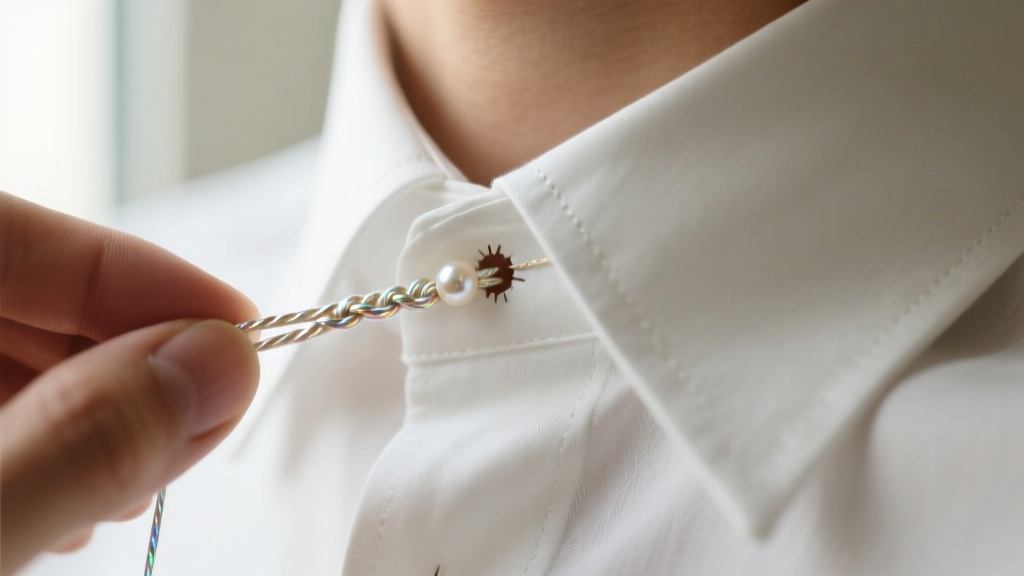
The hardware and drilling of your pearls play a silent but critical role in how they interact with your wardrobe. Standard pearl drill holes range from 0.5mm to 0.8mm. If the drilling is done poorly, leaving rough, burred edges around the hole, these microscopic abrasives will act like tiny saws against delicate silk threads and, more importantly, against delicate fabrics like chiffon and charmeuse when the necklace shifts during wear.
Furthermore, the clasp mechanism must be matched to the weight of the garment. A heavy, ornate brass lobster clasp on a lightweight 14-inch Akoya strand will cause the necklace to constantly pull backward, dragging the delicate silk thread against the nape of your neck and potentially snagging fine-knit cashmere. For lightweight garments, opt for streamlined, polished fish-hook or tongue-and-groove box clasps that lie flush against the skin. For heavier winter knits and denim, a robust lobster clasp with a reinforced jump ring is necessary to support the visual and physical weight of the ensemble.
Maintenance: Protecting Nacre from Perfumes and Silk Friction
Finally, preserving the integrity of your pearl necklace outfit requires strict adherence to gemological maintenance. Pearls are composed of calcium carbonate and conchiolin, registering a mere 2.5 to 3.0 on the Mohs hardness scale. They are highly susceptible to chemical degradation. The alcohol and essential oils found in modern perfumes and body mists can dissolve the outer layers of nacre, permanently dulling the luster that makes your outfit pairing successful.
Always apply fragrances and hair products at least 15 minutes before donning your pearls. Additionally, be mindful of textile friction. While silk is generally safe, heavily embroidered fabrics, sequins, and raw metallic threads can micro-scratch the surface of softer Freshwater and Akoya pearls. Store your strands flat in a soft cotton pouch—never hanging, as gravity will stretch the silk thread over time, creating unsightly gaps between the knots that ruin the drape of the necklace against your clothing. By respecting the technical boundaries of the gemstone, your pearl pairings will remain impeccable for decades.


