Interlocking Circle Necklace Gold: 2026 Price & Value Guide
Discover the true value of an interlocking circle necklace gold piece in 2026. We break down pricing tiers, karat weights, and buying red flags.

The Anatomy and Manufacturing Costs of Interlocking Designs
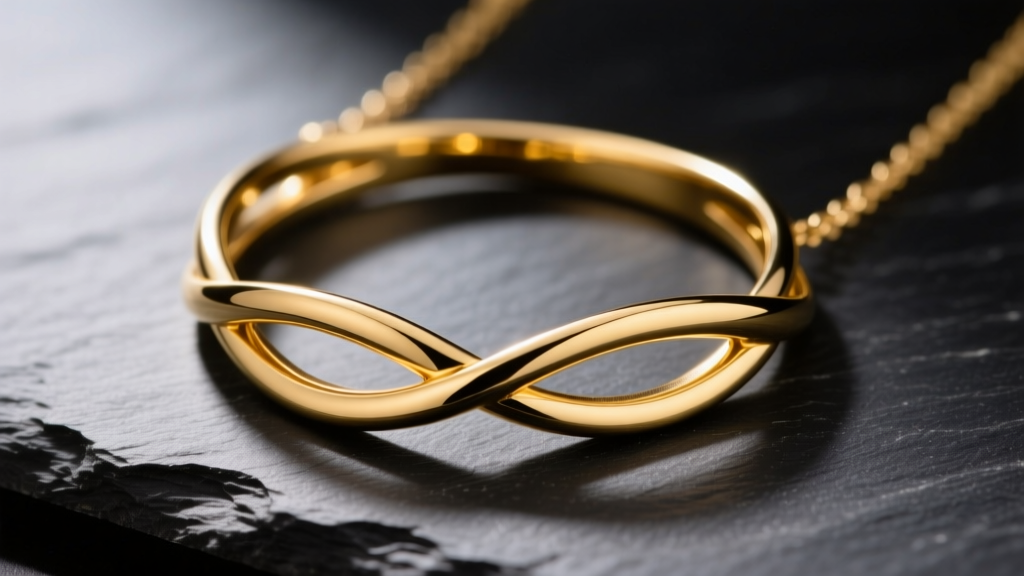
The search for the perfect interlocking circle necklace gold piece often leads buyers into a confusing labyrinth of pricing. Ranging from $40 fashion accessories to $4,000 fine jewelry investments, the disparity in cost is rarely just about brand markup. To accurately assess value in 2026, you must first understand the structural anatomy of the interlocking design itself.
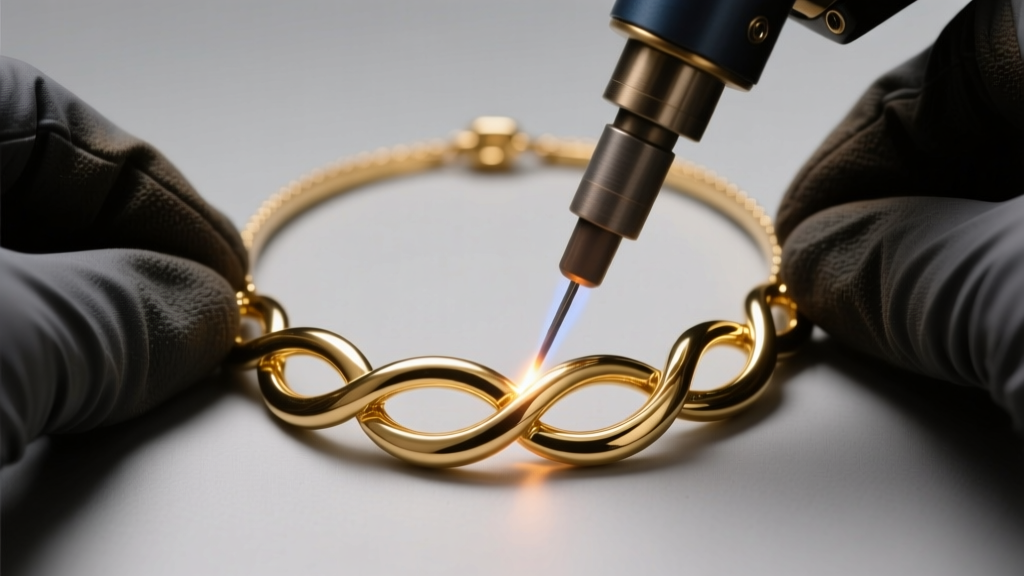
Unlike a standard pendant cast as a single solid unit, true interlocking circles (often symbolizing eternity, friendship, or familial bonds) require complex manufacturing. The rings cannot be cast already linked. Instead, a jeweler must cast or stamp the circles separately, thread one through the other, and then solder the final seam shut. This requires precision. If the jeweler uses traditional torch soldering, the heat can alter the temper of the gold, creating a brittle weak point at the seam. High-end manufacturers in 2026 utilize laser welding to fuse the final jump ring or seam, ensuring the structural integrity of the gold alloy remains uncompromised while leaving an invisible join.
The Weight Factor: Hollow vs. Die-Struck vs. Cast
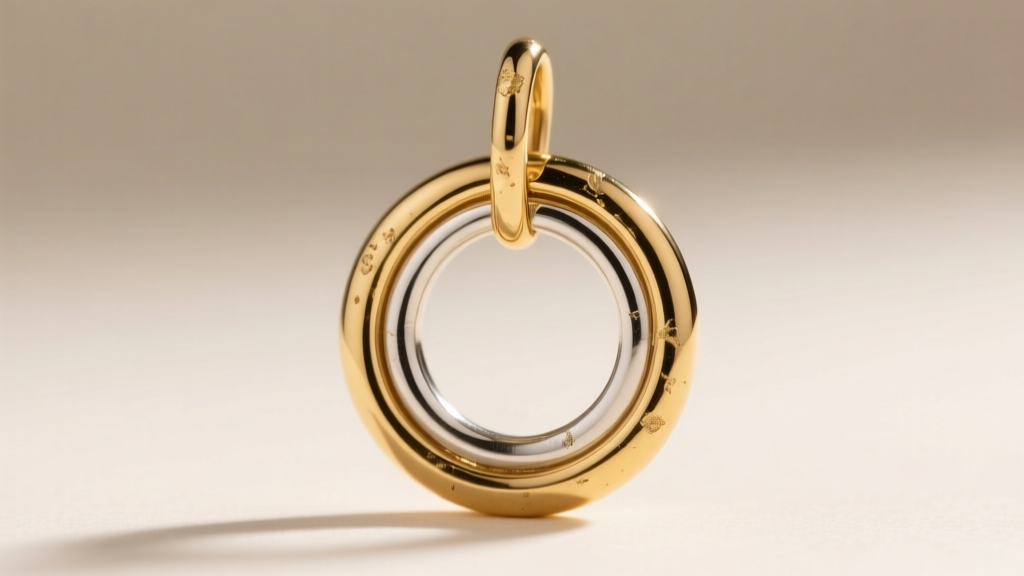
When evaluating an interlocking circle necklace, weight is your primary metric for value. Many mid-tier jewelers use electroforming to create large, impressive-looking gold circles that are entirely hollow inside. While lightweight and comfortable, hollow gold is highly susceptible to denting and cannot be easily repaired if crushed. Conversely, die-struck or solid cast 14k gold pieces will feel dense and heavy. A standard 15mm interlocking circle pendant should weigh between 3.5 and 6 grams if solid. If it weighs under 1.5 grams, you are looking at a hollow or heavily skimmed casting that lacks long-term durability.
2026 Gold Market Realities: Calculating the Melt Value Baseline
Before assessing craftsmanship, you must establish the baseline material value. With the precious metals market experiencing significant volatility and overall upward momentum over the last few years, the spot price of gold in 2026 remains a critical factor in jewelry pricing. According to market data from Kitco, gold prices have firmly established a high baseline, meaning the "melt value" (the raw value of the gold content) of fine jewelry is higher than ever.
To calculate the baseline value of a solid gold necklace, you need to know its exact gram weight and karat purity. Pure gold is 24 karats. Therefore, 14k gold is 58.5% pure gold, and 18k gold is 75% pure gold. If you are looking at a 5-gram 14k gold interlocking pendant, it contains approximately 2.92 grams of pure gold. By checking the daily spot price per gram, you can determine the absolute floor price of the piece. Any retail price below this floor is a red flag for counterfeit materials, while a retail price 300% above this floor indicates you are paying a massive premium for a designer logo rather than intrinsic value.
The Value Matrix: Solid Gold vs. Vermeil vs. Plated
Not every buyer has the budget for solid 18k gold, and that is perfectly fine—provided you know exactly what you are buying and are paying the correct price for it. The Federal Trade Commission (FTC) maintains strict guidelines on how gold jewelry can be marketed, yet misleading terminology remains rampant in e-commerce. Below is our 2026 value assessment matrix to help you categorize and price interlocking circle necklaces accurately.
| Material Tier | Composition & Requirements | Expected 2026 Price Range | Long-Term Value & Durability |
|---|---|---|---|
| Gold Plated (Fashion) | Brass or copper base with a microscopic flash of gold (under 0.5 microns). | $30 - $85 | Poor. Will tarnish and rub off within months of daily wear. Zero resale value. |
| Gold Vermeil (Bridge) | Sterling silver base with a minimum of 2.5 microns of 10k+ gold plating. | $90 - $220 | Fair. Good for occasional wear. The silver base prevents green skin, but plating will eventually wear at friction points. |
| 10k / 14k Solid Gold | Alloyed gold (41.7% to 58.5% pure). Highly durable, excellent for daily wear. | $350 - $850 | Excellent. Retains intrinsic melt value. Can be polished, repaired, and worn in water without degrading. |
| 18k Solid Gold (Luxury) | 75% pure gold. Richer yellow hue but softer, making the interlocking loops more prone to bending. | $900 - $2,500+ | Very Good. High intrinsic value, but requires more care to prevent the interlocking seams from warping under stress. |
Red Flags: How to Avoid Overpaying for "Gold" Necklaces
When shopping for an interlocking circle necklace gold buyers must be vigilant against deceptive marketing tactics. Here are the specific red flags to watch for in 2026:
- "18k HGE" or "18k GE": This stands for Heavy Gold Electroplate. Despite the word "heavy," this is still just plated brass or copper. It holds no intrinsic gold value and should be priced under $60.
- Missing Hallmarks: According to the Gemological Institute of America (GIA), legitimate solid gold jewelry sold in the US and Europe must bear a quality mark (like 14k, 585, or 750) and a manufacturer's trademark. If the interlocking pendant lacks a tiny stamped hallmark on the back or the bail, assume it is plated.
- The "Gold Tone" Euphemism: "Gold tone," "gold finished," and "gold dipped" are unregulated terms that simply mean the item is yellow-colored metal. These pieces have zero gold content.
The Clasp and Jump Ring Vulnerability
An often-overlooked aspect of value assessment is the hardware. Interlocking circle pendants typically slide along a chain via a bail or a hidden jump ring. Because the circles move independently, they create kinetic friction against the chain and the bail. If the necklace is made of gold vermeil, the bail is the first place the gold plating will wear off, exposing the silver beneath. When assessing a high-ticket solid gold piece, ensure the jeweler has used a soldered jump ring or a seamless bail. An open, unsoldered jump ring on a $1,000 necklace is a sign of poor quality control and a major structural vulnerability.
Expert Verdict: Which Tier Offers the Best Long-Term Value?
If your goal is to purchase an interlocking circle necklace as a meaningful, long-term keepsake that can be worn daily without degradation, 14k solid gold remains the undisputed champion of value in 2026. The alloy composition of 14k gold (mixed with copper, silver, or zinc) provides the exact tensile strength required to keep the interlocking loops perfectly round, resisting the bending and warping that plagues softer 18k or 22k gold pieces.
"When buying symbolic jewelry like interlocking circles, you are investing in a piece meant to represent permanence. Choosing a material that inherently resists tarnish, water damage, and structural fatigue—like 14k solid gold—is the only way to ensure the physical piece outlasts the sentiment it represents."
For buyers on a strict budget under $150, high-quality gold vermeil over a sterling silver base is an acceptable compromise, provided you commit to removing the necklace before showering or swimming to preserve the 2.5-micron gold layer. Ultimately, by calculating the melt value, inspecting the soldering seams, and demanding proper FTC-compliant hallmarks, you can confidently navigate the market and secure an interlocking circle necklace that offers genuine, lasting value.


