The Magical Necklace Trend of 2026: Celestial & Mystical Pendants
Discover the 2026 magical necklace trend. We analyze celestial pendants, talismanic layering techniques, and material grades for mystical jewelry.

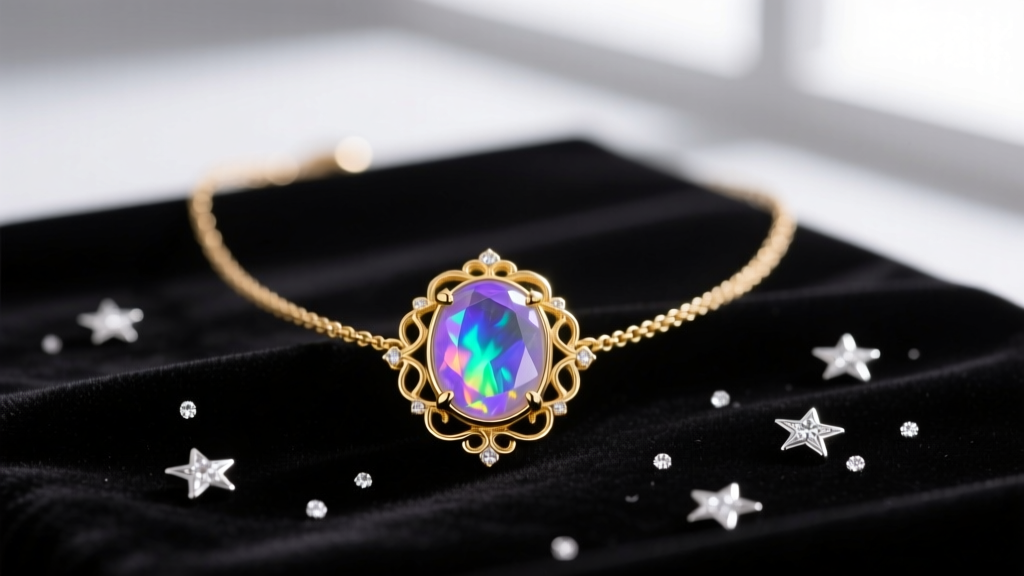
The 2026 Resurgence of the Magical Necklace
In the landscape of 2026 jewelry trends, the magical necklace has transcended its origins in fantasy and bohemian subcultures to become a cornerstone of contemporary high fashion and demi-fine jewelry. No longer confined to costume jewelry bins, today's mystical pendants—featuring celestial motifs, tarot iconography, zodiac medallions, and raw semi-precious crystals—are being crafted with serious metallurgical integrity. The modern consumer demands that their talismanic jewelry not only holds symbolic weight but also withstands daily wear without degrading.
This shift represents a broader cultural movement toward intentional dressing. According to industry analysts, the global market for symbolic and spiritual jewelry has seen a 22% year-over-year growth, driven by millennials and Gen Z buyers seeking pieces that offer a sense of grounding and personal narrative. But as the market floods with mass-produced "mystical" pieces, distinguishing between a genuine artisan-crafted magical necklace and a quickly degrading factory stamping requires a deep understanding of materials, settings, and structural design.
Anatomy of a Mystical Pendant: Materials That Matter
The foundation of any high-quality magical necklace lies in its material composition. The ethereal glow of a moonstone or the deep flash of a labradorite is only as valuable as the setting that secures it. When evaluating mystical jewelry, you must look beyond the surface aesthetic and scrutinize the gemstone grading and metal alloys.
| Material | Grade / Specification | Mohs Hardness | Best Application | Price Tier |
|---|---|---|---|---|
| Rainbow Moonstone | AAA Cabochon (Strong Adularescence) | 6.0 - 6.5 | Centerpiece pendants, lunar motifs | Mid-High ($120-$350) |
| Labradorite | Gem-grade (Full-spectrum flash) | 6.0 - 6.5 | Dark academia aesthetics, shield talismans | Mid ($80-$200) |
| 925 Sterling Silver | Oxidized / Antiqued finish | N/A (Metal) | Vintage amulet settings, evil eye bezels | Low-Mid ($40-$150) |
| 18k Gold Vermeil | 2.5 microns over 925 Silver base | N/A (Metal) | Celestial sun/moon chains, luxury feel | Mid ($90-$250) |
As noted by the Gemological Institute of America (GIA), moonstone's signature optical phenomenon, adularescence, is highly dependent on the cutting style. For a magical necklace intended to catch the light dynamically against the collarbone, a high-dome cabochon cut is vastly superior to a faceted cut, which can scatter the internal light and diminish the stone's "glow."
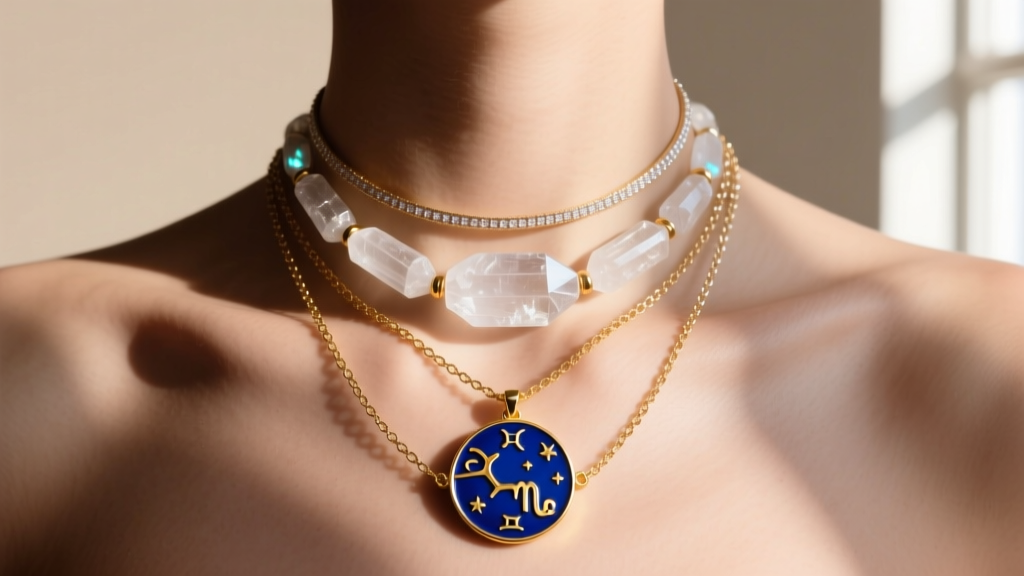
The Talismanic Triangle: A Framework for Layering
Layering is the primary styling method for the magical necklace trend in 2026. However, haphazardly stacking chains leads to severe tangling, metal friction, and damaged gemstones. To achieve a curated, intentional look that preserves the integrity of your jewelry, we utilize the Talismanic Triangle Framework.
1. The Anchor (14" - 16")
The shortest layer should sit at or just below the clavicle. Opt for a delicate but structurally sound chain, such as a 1.2mm rope chain or a solid 1.5mm cable chain. This layer typically holds a small, personal talisman—a zodiac coin, a tiny evil eye, or a minimalist seed of life pendant. Pro Tip: Avoid box chains for the anchor layer; their rigid, angular links are prone to kinking when layered against other pieces.
2. The Focal Point (18" - 20")
This is where your primary magical necklace resides. A 20-inch length allows a substantial pendant—like a raw quartz point, a large carved amethyst, or an intricate tarot card motif (e.g., The Star or The Moon)—to rest comfortably on the sternum without interfering with the neckline of most garments. Ensure the bail (the loop connecting the pendant to the chain) is wide enough to accommodate a slightly thicker chain, such as a 2.5mm Figaro or paperclip chain, which provides necessary visual weight.
3. The Grounding Element (24" - 28")
The longest layer grounds the stack and elongates the torso. This layer should feature a heavier, unpolished element, such as a matte onyx bead strand or a large, unpolished lapis lazuli donut pendant. The weight of this lower pendant acts as a physical anchor, pulling the lower chain taut and significantly reducing the likelihood of the three chains twisting together throughout the day.
Market Analysis: Pricing the Ethereal
When shopping for a magical necklace, the price tag is usually a direct reflection of the setting mechanics and metal purity. Understanding these tiers prevents overpaying for costumed base metals.
- Fast Fashion / Costume ($15 - $45): Typically cast from zinc alloy or brass with a microscopic flash-plating of gold. The "crystals" are often molded glass or resin. Failure Mode: The plating will oxidize and wear off within 30 days of contact with skin acids, and glued-in stones will detach when exposed to heat or perfume.
- Demi-Fine / Artisan ($85 - $280): The sweet spot for 2026 trends. These pieces utilize genuine 925 sterling silver or proper 2.5-micron gold vermeil. Gemstones are natural or high-grade lab-created, secured in mechanical bezel or prong settings. Brands in this tier often hand-carve wax molds for unique celestial textures.
- Fine Jewelry ($500 - $2,500+): Solid 14k or 18k gold, featuring custom-cut, ethically sourced semi-precious stones, often accented with diamond melee. These are heirloom-quality magical necklaces designed to withstand generations of daily wear without metal fatigue.
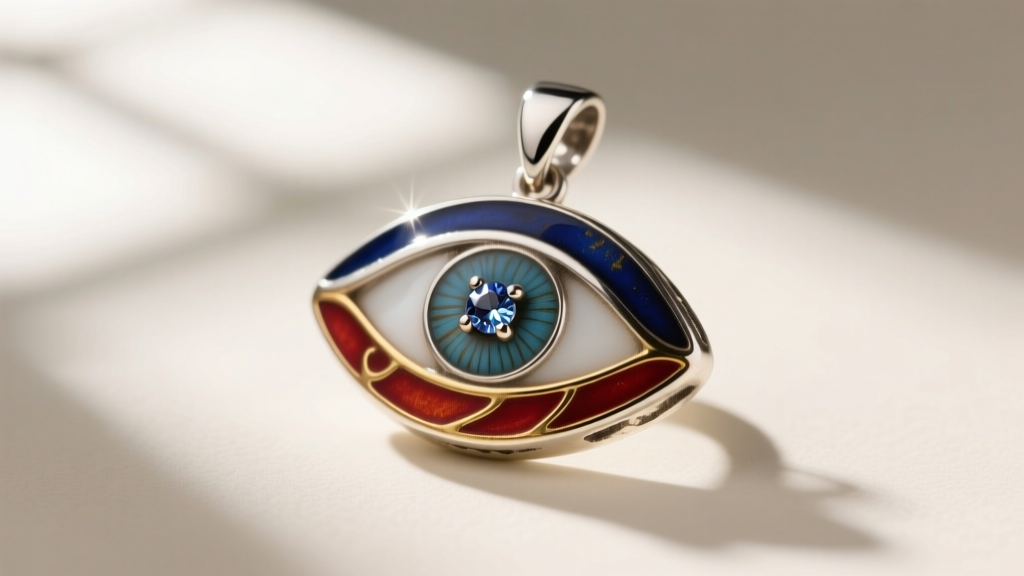
Authenticity vs. Aesthetic: Avoiding Common Pitfalls
The surge in demand for mystical and magical jewelry has unfortunately led to a rise in deceptive manufacturing practices. As a discerning buyer, you must inspect the structural integrity of the piece, not just its visual appeal.
The Adhesive Trap
Many mass-produced magical necklaces feature cabochon stones that are simply glued into a shallow metal cup. While this is cheap to manufacture, cyanoacrylate adhesives degrade rapidly when exposed to the ultraviolet radiation in sunlight, the oils in human skin, and the alcohol in cosmetics. Always inspect the setting under a jeweler's loupe or your phone's macro lens. If you cannot see a metal lip folding over the edge of the stone (a bezel) or metal claws gripping it (prongs), walk away.
Vermeil vs. Gold-Plated Brass
True gold vermeil requires a base of 925 sterling silver and a minimum of 2.5 microns of 10k, 14k, or 18k gold. Many brands market "gold-plated" jewelry as vermeil, but if the base metal is brass or copper, it is merely plated. When brass-based plating wears through, the copper reacts with sweat to leave a green residue on the skin. Always demand transparency regarding the base metal from the jeweler.
"Historically, amulets and talismans were crafted from the most durable materials available to the artisan, meant to protect the wearer through physical trials. Modern magical jewelry should honor that tradition through superior metallurgy and secure stone settings."
— Archival notes on the history of protective adornment, adapted from the Victoria and Albert Museum's research on historical amulets.
Caring for Porous Mystical Stones
Many popular stones used in magical necklaces—such as turquoise, malachite, opal, and lapis lazuli—are highly porous and rank low on the Mohs hardness scale (often between 3.5 and 5.5). To maintain the structural integrity and color saturation of these stones:
- The "Last On, First Off" Rule: Always put your magical necklace on after applying perfumes, lotions, and hairsprays. The alcohol and chemical solvents in these products can strip the natural waxes from porous stones, causing them to become brittle and lose their color.
- Ultrasonic Cleaners are Forbidden: Never place a necklace with raw crystals, opals, or turquoise in an ultrasonic cleaner. The high-frequency vibrations can cause internal fractures (crazing) in stones with high water content or natural inclusions.
- Storage Separation: Store your talismanic pendants individually in soft anti-tarnish pouches. A diamond or sapphire ring tossed into the same jewelry box will easily scratch the surface of a softer moonstone or labradorite pendant, permanently dulling its optical flash.
By prioritizing material transparency, mechanical settings, and intentional layering physics, you can curate a magical necklace collection that is as resilient and enduring as the mythology that inspires it.


