Lola Necklaces Value Guide: Are They Worth the Price in 2026?
We assess the true value of Lola necklaces in 2026. Discover material breakdowns, cost-per-wear analysis, and if these gemstone pieces are worth it.

The "Lola" Aesthetic: What Exactly Are You Paying For?
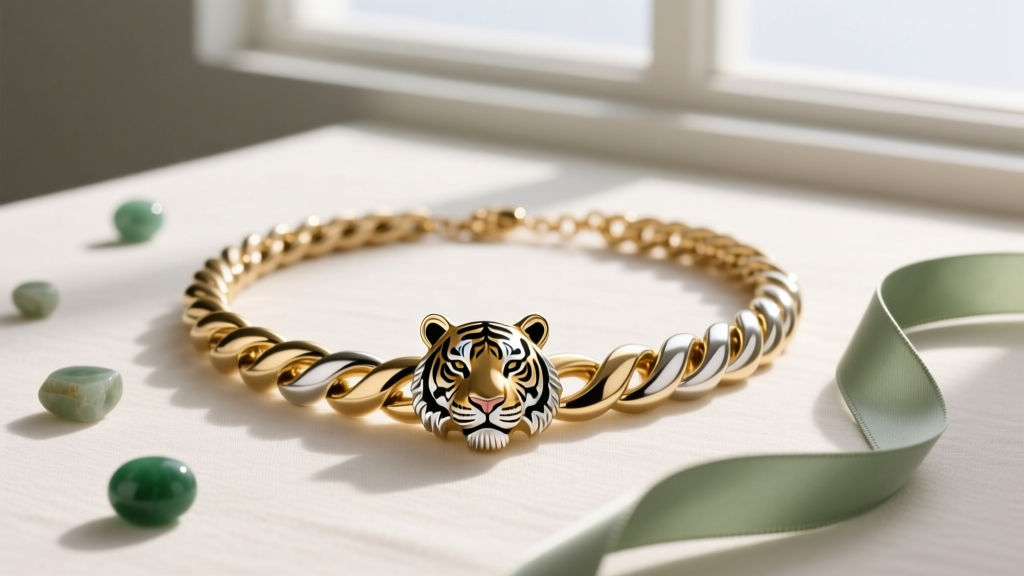
When evaluating statement jewelry in the current market, "Lola necklaces" — a category heavily influenced by the British brand Lola Rose and widely adopted by mid-tier fashion jewelers — represent a very specific aesthetic. These pieces are characterized by chunky, oversized semi-precious stone beads (think tiger's eye, banded agate, lapis lazuli, and malachite) paired with structured, gold-toned metalwork and prominent clasps. In 2026, the price point for authentic Lola-style statement necklaces typically hovers between $120 and $220. But from a strict budget and value assessment perspective, what are you actually getting for that investment?
To determine if Lola necklaces are worth the premium over fast-fashion alternatives, we must strip away the marketing and examine the metallurgy, gemstone sourcing, and structural integrity of these pieces. Unlike fine jewelry, which derives its value from intrinsic precious metals and untreated gemstones, the value of a Lola necklace lies in its design, color-blocking, and the immediate visual impact it provides. However, understanding the material realities is crucial for calculating a realistic cost-per-wear ratio.
Material Breakdown & Durability Realities
The foundation of almost every Lola-style necklace is a brass base metal. Brass is an alloy of copper and zinc, chosen for its excellent malleability, structural weight, and ability to take a high polish before plating. While brass is durable, it is highly reactive to moisture and skin acidity. To prevent oxidation (tarnishing), these pieces are plated with a gold-tone finish.
Here is where the budget assessment becomes critical. Most mid-tier statement necklaces in the $150 range utilize gold plating that measures between 0.5 and 1.0 microns thick. According to the Federal Trade Commission's Jewelry Guides, a piece must have a minimum thickness to be classified as heavy gold electroplate. At 0.5 microns, the plating is considered a "flash" or standard plate, meaning it will eventually wear through to the brass substrate with daily friction. If you have highly acidic skin pH, you may notice the gold tone fading and the underlying brass turning your skin green within 12 to 18 months of regular wear.
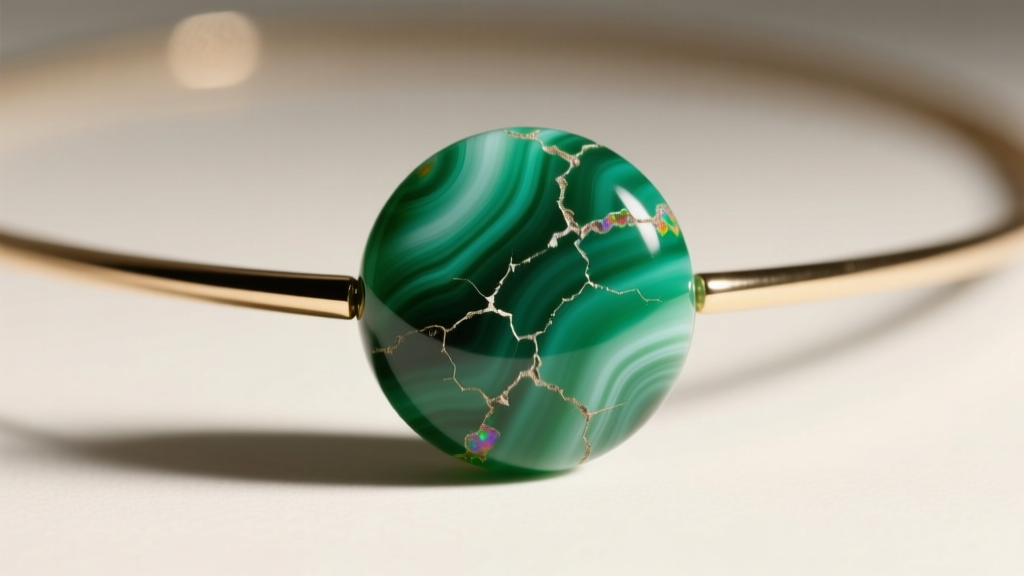
The gemstones themselves are the primary value drivers of Lola necklaces. Brands in this tier use genuine semi-precious stones, which is a significant step up from the glass or resin beads found in $30 fast-fashion equivalents. However, consumers must understand that "genuine" does not mean "untreated." As detailed by the Gemological Institute of America (GIA), the vast majority of commercial-grade agate, turquoise, and lapis lazuli used in statement jewelry are routinely dyed, stabilized, or impregnated with resin to enhance their color and prevent chipping. This is standard industry practice and makes the stones more durable for daily wear, but it means the stones do not hold secondary resale value.
Price vs. Value: The 2026 Cost-Per-Wear Analysis
To properly assess the budget value of Lola necklaces, we must compare them against both lower-tier and higher-tier alternatives. The following table breaks down the material and financial realities across three distinct jewelry tiers.
| Feature | Fast-Fashion Beaded ($25 - $50) | Lola-Style Statement ($120 - $220) | Fine Jewelry Gemstone ($800+) |
|---|---|---|---|
| Base Metal | Zinc alloy / Pewter (lightweight) | Solid Brass (heavy, durable) | 14k/18k Solid Gold |
| Plating | Gold-tone paint / <0.1 micron flash | 0.5 - 1.5 micron gold plate | N/A (Solid throughout) |
| Stone Quality | Glass, Resin, or Dyed Howlite | Genuine semi-precious (dyed/stabilized) | Untreated, precision-cut precious stones |
| Stringing Method | Elastic thread or cheap nylon | Stainless steel wire or heavy silk | Wire-wrapped or solid gold links |
| Est. Lifespan | 6 - 12 months | 3 - 5 years (with proper care) | Lifetime / Heirloom |
| Cost-Per-Wear (100 wears) | $0.50 (but high replacement rate) | $1.50 - $2.20 | $8.00+ (retains resale value) |
From a pure budget perspective, the Lola-tier offers the best "visual weight" for your dollar. You are paying for the design engineering required to balance heavy stone beads without breaking the wearer's neck, alongside genuine geological materials. However, you are not paying for intrinsic metal value. If your goal is wealth retention, these necklaces fail. If your goal is elevated, trend-resistant styling that outlasts seasonal fast fashion, the value proposition is strong.
Common Failure Points & Maintenance Costs
When conducting a value assessment, you must factor in the inevitable maintenance costs and structural failure modes of the jewelry. Lola necklaces, due to their heavy stone beads, put immense stress on their metal findings. Here are the specific failure points to inspect before purchasing:
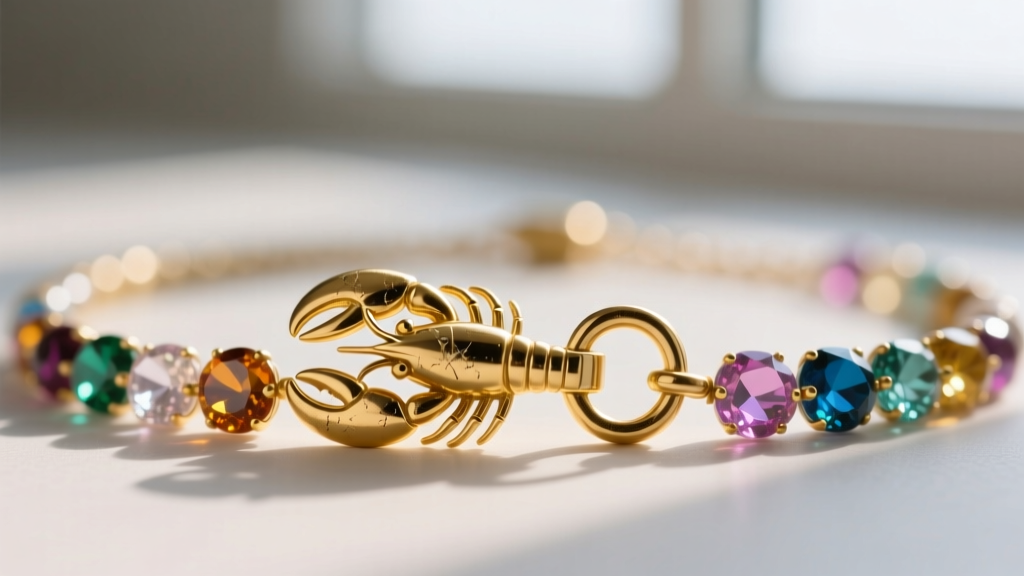
- The Clasp Spring Mechanism: Heavy stone necklaces require robust lobster clasps. In cheaper Lola-style dupes, the tiny internal spring wire is made of base metal that snaps under the tension of heavy agate beads. Always test the clasp spring for resistance before buying.
- Jump Ring Separation: The jump ring connecting the chain to the stone section is a major vulnerability. If the jump ring is not soldered shut, the weight of the necklace will slowly pull the metal gap open, resulting in lost stones. Look for soldered jump rings or thick-gauge (18g or lower) wire.
- Wire Wrapping Fatigue: Many Lola necklaces use wire-wrapped stone links. Over time, the repeated bending and twisting of the necklace causes work-hardening in the wire, leading to micro-fractures and eventual snapping.
To protect your investment and extend the lifespan of the gold plating, strict maintenance protocols are required. Never use ultrasonic cleaners on Lola necklaces. The high-frequency vibrations will shatter stabilized stones and strip the thin gold plating off the brass substrate. Instead, use a damp microfiber cloth with a drop of mild dish soap to wipe down the stones, and immediately dry the metal findings to prevent water from sitting against the brass.
Smart Buying Strategies for Lola-Style Necklaces
If you have decided that the Lola aesthetic fits your wardrobe and budget, there are strategic ways to maximize your value. First, prioritize pieces that feature stones with a higher rating on the Mohs hardness scale. Tiger's eye (Mohs 7) and quartz (Mohs 7) are vastly superior for daily wear than malachite (Mohs 3.5) or lapis lazuli (Mohs 5.5), which are prone to scratching and chipping when they collide with the gold metal spacers.
Second, consider the "cost-per-wear" of the color palette. A Lola necklace featuring neutral tones like brown tiger's eye, black onyx, and cream quartz will integrate seamlessly into a year-round capsule wardrobe, drastically lowering your cost-per-wear. Conversely, a highly saturated neon green dyed agate necklace may only be wearable for specific spring/summer outfits, effectively doubling or tripling your cost-per-wear metric.
Final Verdict: Who Should Invest in Lola Necklaces?
Lola necklaces represent a highly specific intersection of fashion and geology. They are not fine jewelry, and they should not be evaluated by the same metrics used to assess solid 18k gold or untreated diamond pieces. From a strict budget and value assessment standpoint, they are an excellent investment for the "style-conscious realist."
If you want the luxurious, heavy, organic feel of genuine gemstones and the visual impact of bold design without spending $2,000 on a fine jewelry equivalent, the $150 Lola-tier is your sweet spot. Just be prepared to treat them as high-end fashion pieces: store them flat to prevent wire fatigue, keep them away from perfumes and acidic lotions, and accept that the gold plating will eventually require professional re-dipping after a few years of heavy rotation. When managed with realistic expectations, Lola necklaces deliver exceptional aesthetic value for their price point in 2026.


