How to Style and Care for a Handmade Ravioli Necklace
Discover how to style, buy, and care for a quirky ravioli necklace. Learn about polymer clay, resin finishes, and chain pairings for food jewelry.

The Rise of Novelty Food Jewelry: Why the Ravioli Necklace?
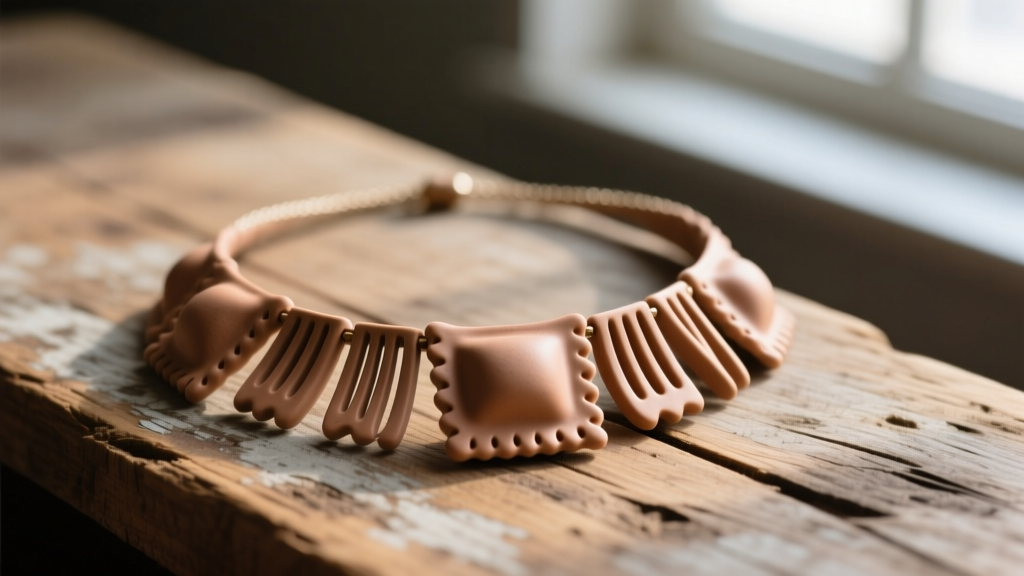
In the ever-evolving landscape of indie and alternative fashion, novelty food jewelry has carved out a permanent and beloved niche. While fruit-shaped earrings and pizza pendants have had their moments in the spotlight, the ravioli necklace has emerged as a standout conversation starter for 2026. Blending whimsical charm with intricate artisan craftsmanship, these pieces are far from simple plastic trinkets. They are meticulously sculpted, hand-painted, and carefully assembled works of wearable art.
For beginners stepping into the world of quirky statement pieces, understanding the anatomy of a handmade ravioli necklace is crucial. Whether you are browsing Etsy for a custom polymer clay creation or looking to commission a piece from an independent resin artist, knowing what to look for will save you from purchasing fragile, mass-produced dropshipped items. This guide breaks down the materials, hardware mechanics, styling techniques, and maintenance routines you need to keep your pasta-inspired pendant looking pristine.
Material Breakdown: Polymer Clay vs. Resin vs. Enamel
The visual appeal of a ravioli necklace heavily depends on the medium the artisan chooses. Each material offers a distinct weight, texture, and durability profile. Understanding these differences is the first step in making an informed purchase.
1. Polymer Clay (The Artisan Standard)
The vast majority of high-quality, handmade ravioli necklaces are crafted from professional-grade polymer clay, such as Sculpey Premo or Fimo Professional. Artisans condition the clay, sculpt the signature scalloped edges using specialized tools or actual kitchen implements, and bake it at precise temperatures (usually 275°F or 135°C) to cure. Polymer clay allows for hyper-realistic details, like subtle flour dusting or tiny 'meat' speckles, and is remarkably lightweight, making it comfortable for all-day wear.
2. Epoxy and UV Resin (The Glossy Alternative)
Resin ravioli pendants are typically cast in silicone molds. While they lack the hand-sculpted charm of clay, resin offers a brilliant, glass-like finish and exceptional water resistance. Artisans often embed tiny metallic flakes or alcohol ink swirls into the resin to mimic rich tomato sauces or pesto fillings. However, resin pieces tend to be heavier and can yellow over time if exposed to direct sunlight without UV stabilizers.
3. Enamel on Metal (The Mass-Market Option)
If you find a ravioli necklace in a fast-fashion boutique, it is likely made of zinc alloy or brass with soft or hard enamel fill. These are highly durable and scratch-resistant but lack the three-dimensional depth and bespoke charm of handmade indie jewelry.
| Material | Average Weight | Durability & Fragility | Price Range (USD) | Best For |
|---|---|---|---|---|
| Polymer Clay | 10g - 25g | Moderate (Can crack if dropped on tile) | $25 - $65 | Intricate details, lightweight wear |
| Epoxy Resin | 20g - 40g | High (Shatter-resistant, scratches easily) | $30 - $80 | Glossy finishes, embedded inclusions |
| Enameled Metal | 15g - 30g | Very High (Chip-resistant if hard enamel) | $10 - $25 | Everyday rough wear, budget buyers |
The Sealing Process: A Mark of True Quality
When buying a polymer clay ravioli necklace, the sealing process is the most critical indicator of an artisan's expertise. Raw polymer clay is slightly porous and can absorb skin oils, dirt, and makeup over time, leading to a dingy appearance. According to the material experts at Sculpey, properly sealing polymer clay is essential for longevity and wearability.
Top-tier jewelry makers will sand their baked clay pieces through multiple grits (from 400 up to 1200) and buff them to a natural satin sheen before applying a protective topcoat. Look for sellers who explicitly mention using a water-based polyurethane (like Varathane) or a specialized jewelry resin dome. Avoid pieces sealed with aerosol spray varnishes, as these often remain tacky in humid weather and can peel off in unsightly flakes after a few months of wear.
Chain and Hardware Mechanics: Supporting the Weight
A beautifully sculpted ravioli pendant is only as good as the chain that holds it. Because novelty pendants often feature uneven weight distribution and protruding scalloped edges, they require specific hardware to hang correctly and securely.
Choosing the Right Chain Gauge
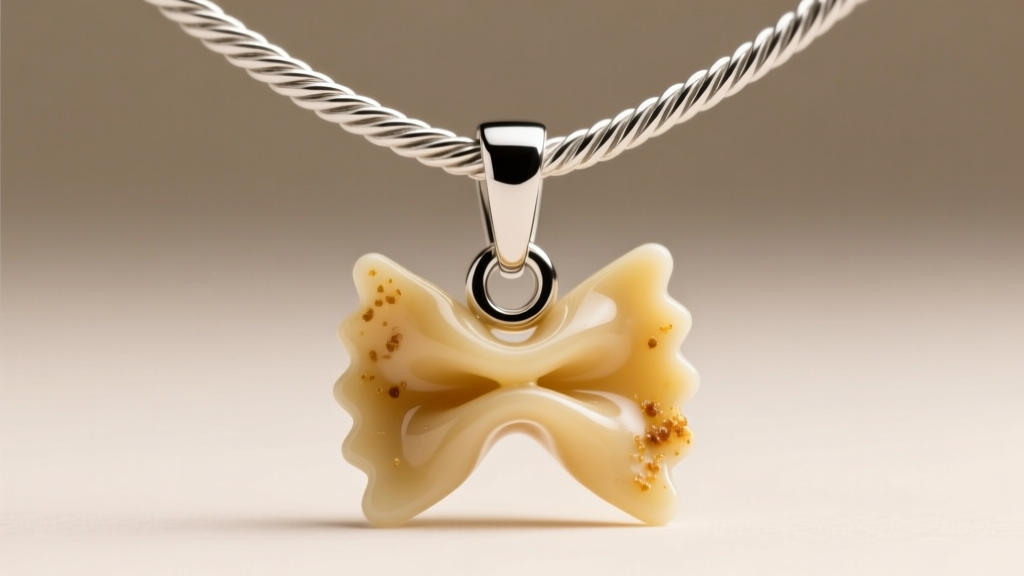
A common mistake beginners make is pairing a heavy 30-gram resin ravioli pendant with a flimsy 0.8mm thread chain. This will inevitably lead to a snapped chain and a lost pendant. For most handmade ravioli necklaces, you need a chain with a minimum thickness of 1.2mm to 1.5mm. Cable chains and rolo chains are excellent choices because their uniform, interlocking links distribute the pendant's weight evenly and resist kinking.
Jump Rings and Bails
The connection point between the pendant and the chain is a critical failure point. Artisans typically use one of two methods:
- Wire-Wrapped Bails: The artist drills a hole through the top of the ravioli and wraps 20-gauge or 18-gauge sterling silver wire to create a loop. This is incredibly secure and allows the pendant to swing freely.
- Glued Pad Bails: A metal pad is adhered to the back of the pendant using two-part epoxy. While this preserves the front design without drilling, it requires a 24-hour curing time. If a seller ships immediately after gluing, the bail may detach during transit.
For comprehensive hardware selection, resources like Fire Mountain Gems offer extensive guides on matching jump ring gauges to pendant weights, emphasizing that a 5mm outer-diameter jump ring made from 18-gauge wire is the gold standard for securing novelty pendants.
Styling Your Ravioli Necklace: From Casual to Eclectic
Styling a novelty food necklace requires a balance between playful expression and sartorial maturity. The goal is to let the pendant be the focal point without looking like you are wearing a costume.
The Minimalist Contrast
The most effective way to style a vibrant, 'tomato-sauce' red ravioli necklace is against a stark, minimalist backdrop. A crisp white button-down shirt, a structured black blazer, or a sleek charcoal turtleneck provides the necessary contrast. The clean lines of tailored clothing elevate the whimsical nature of the jewelry, making it look like a deliberate, high-fashion statement rather than a casual afterthought.
Layering with Delicate Chains
If you want to incorporate your ravioli pendant into a layered necklace stack, keep the accompanying chains incredibly subtle. Pair your 18-inch ravioli cable chain with a 16-inch delicate 1.0mm satellite chain and a 20-inch 1.2mm box chain. Ensure the other chains feature tiny, neutral elements—like a single 3mm gold bead or a microscopic pearl—so they frame the ravioli without competing for attention.
Color Theory Pairings
Consider the 'filling' of your ravioli pendant. If it features rich greens (mimicking spinach or pesto), pair it with warm earth tones like mustard yellow, rust, or deep brown. If it features creamy whites (ricotta), it will pop beautifully against jewel tones like emerald, sapphire, or amethyst.
Care and Maintenance: Preventing Cracks and Fading
Handmade jewelry requires a bit more TLC than mass-produced metallic accessories. Proper storage and cleaning routines will ensure your ravioli necklace survives for years.
Cleaning Protocols
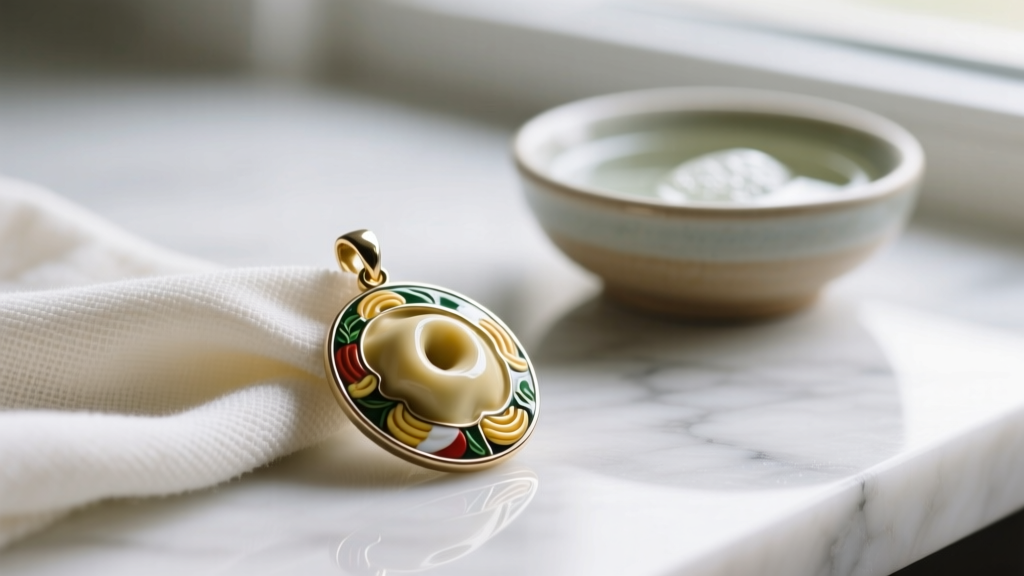
Never submerge a polymer clay or resin ravioli necklace in water, especially if it features glued hardware or metallic leaf accents. Instead, use a slightly damp, lint-free microfiber cloth to gently wipe the surface. If the pendant has accumulated skin oils or lotion, a tiny drop of mild dish soap on the cloth will lift the grime. Dry it immediately with a soft towel. Avoid harsh chemicals, alcohol-based cleaners, or jewelry polishing dips, as these will strip the protective polyurethane sealant and ruin the matte or satin finish.
Storage and Impact Prevention
Polymer clay is durable but has a rigid molecular structure once baked; it will not bend, meaning it can snap if subjected to sharp impact. Always store your ravioli necklace in a padded jewelry box or a soft pouch. Never toss it loosely into a handbag where it can be crushed by heavier items. Additionally, keep resin pieces out of direct, prolonged sunlight (like resting on a car dashboard) to prevent the UV inhibitors from failing and the resin from yellowing.
Where to Buy: Spotting Quality vs. Dropshipped Fakes
As the ravioli necklace trend has grown, so has the influx of cheap, mass-produced knockoffs on various e-commerce platforms. To ensure you are supporting independent artisans and receiving a quality product, look for the following green flags:
- Process Documentation: Genuine makers often include photos or videos of their sculpting, baking, and sanding processes in their shop listings or social media profiles.
- Slight Asymmetries: Hand-sculpted polymer clay ravioli will have minor, charming imperfections. If every single scalloped edge is mathematically perfect across hundreds of listings, it is likely a factory-cast mold.
- Material Transparency: Quality sellers will explicitly list the brand of clay used, the type of sealant applied, and the exact metal composition of the chain (e.g., '925 Sterling Silver' or 'Gold-Filled Brass' rather than just 'silver-colored metal').
By understanding the craftsmanship, hardware requirements, and styling nuances behind these unique pieces, you can confidently add a handmade ravioli necklace to your collection. It is more than just a quirky accessory; it is a celebration of artisan skill, wearable humor, and bold personal style.


