The Keyblade Necklace Value Guide: Budget vs Premium
Discover the true value of a keyblade necklace. We break down pricing tiers, material grades, and failure points to help you buy smart.

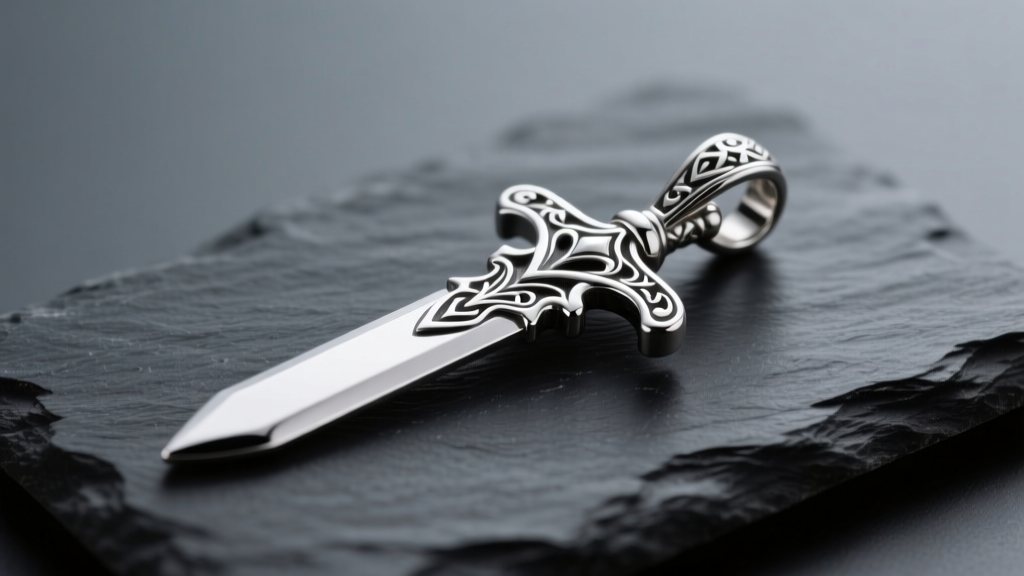
For fans of fantasy RPGs and iconic gaming lore, a keyblade necklace is more than just a piece of jewelry; it is a statement of allegiance and a wearable piece of art. However, the market is currently saturated with everything from $12 dropshipped trinkets to $400 custom-forged heirlooms. When you are shopping for a keyblade necklace, how do you separate genuine craftsmanship from overpriced costume jewelry? As we navigate the 2026 jewelry market, understanding the metallurgy, casting techniques, and structural integrity of fantasy pendants is crucial for making a financially sound purchase. This comprehensive value assessment will break down exactly what you should expect to pay based on material grades, manufacturing methods, and long-term durability.
The Anatomy of a Keyblade Necklace: What You Are Paying For
Before assessing the price tag, it is vital to understand the manufacturing complexity of a keyblade pendant. Unlike simple geometric pendants, a keyblade features intricate detailing: the winding hilt, the crossguard, the elongated shaft, and the complex, interlocking teeth at the blade's tip. This high level of detail dictates the manufacturing method.
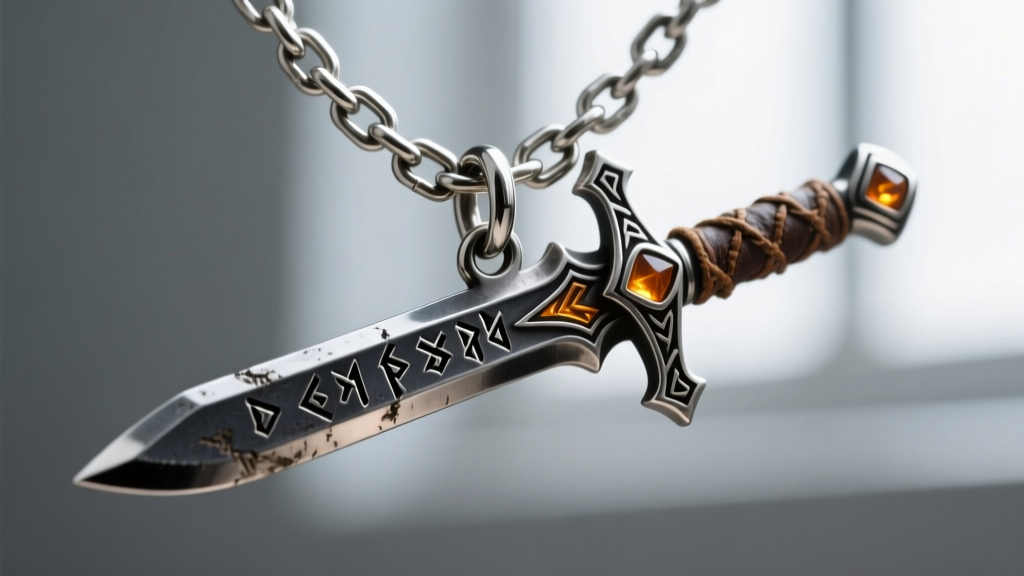
Cheaper versions rely on die-casting, where molten zinc alloy is forced into a steel mold under high pressure. While this captures decent surface detail, it results in a heavy, brittle pendant with a porous surface that requires thick electroplating to look presentable. Premium pieces utilize lost-wax casting, a meticulous process where a 3D-printed or hand-carved wax model is encased in investment plaster, burned out, and replaced with molten precious metal. This method captures microscopic textures—like the leather wrap on the hilt or the scratches on the blade—and yields a structurally sound, dense piece of jewelry that can be polished and repaired indefinitely.
Pricing Tiers: From Fast-Fashion Alloys to Heirloom Silver
When evaluating a keyblade necklace, the price should directly correlate with the base metal, the chain quality, and the enamel work. Below is a structured breakdown of the current market tiers.
| Tier | Primary Material | Chain Type | Price Range | Expected Lifespan |
|---|---|---|---|---|
| Budget | Zamak (Zinc Alloy) | Thin Cable Chain | $15 - $35 | 6 - 18 Months |
| Mid-Tier | 316L Stainless Steel | Box or Wheat Chain | $45 - $90 | 5+ Years |
| Premium | 925 Sterling Silver | Heavy Rope or Wheat | $120 - $250 | Lifetime |
| Luxury | 14k Solid Gold | Solid Gold Chain | $400 - $800+ | Heirloom |
Budget Tier ($15 - $35): The Zinc Alloy Trap
At the lowest price point, you are almost exclusively looking at Zamak or generic pot metal. These pendants are heavily plated with a microscopic layer of silver or gold-colored alloy. The primary issue here is twofold: rapid tarnishing and contact dermatitis. According to the Mayo Clinic, nickel is a common allergen frequently found in cheap jewelry alloys, leading to severe skin irritation and the dreaded 'green skin' effect caused by copper and zinc oxidizing with sweat. Furthermore, the thin chains included in these packages are prone to snapping under the weight of the dense, top-heavy pendant.
Mid-Tier ($45 - $90): The Stainless Steel Sweet Spot
For daily wearers who want durability without the maintenance of precious metals, 316L surgical stainless steel is the undisputed king of the mid-tier. 316L steel contains molybdenum, which provides exceptional resistance to corrosion and chlorides. A well-cast steel keyblade necklace will not tarnish, will not turn your skin green, and can survive the shower, the gym, and the ocean. The value assessment here is incredibly high; you are paying for the CNC machining or high-quality silicone mold casting, and the robust 2mm to 3mm box chains that securely hold the pendant.
Premium Tier ($120 - $250): Sterling Silver and Cold Enamel
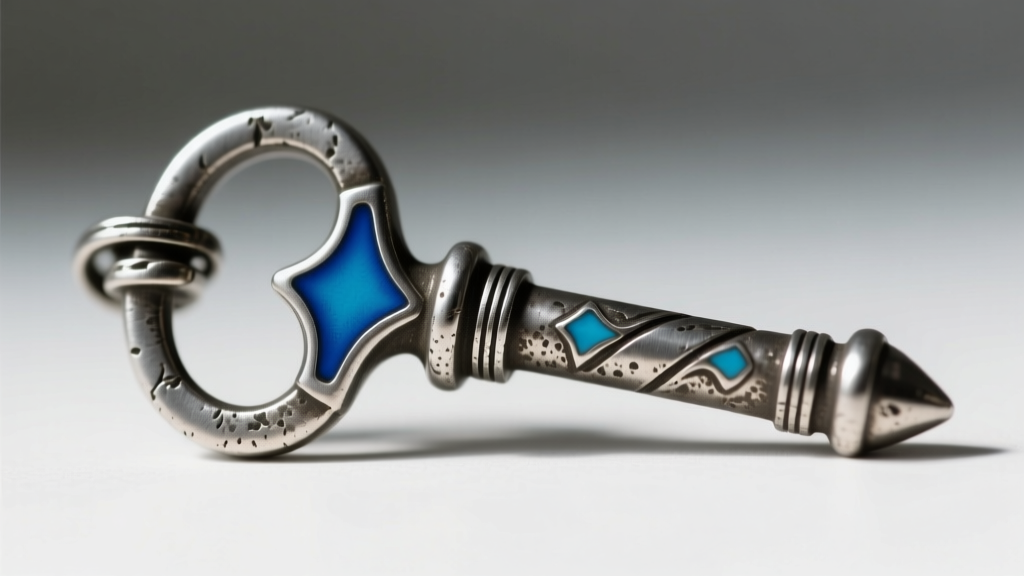
Stepping into the premium tier introduces 925 sterling silver. At this price point, artisans use lost-wax casting to achieve crisp, under-cut details on the keyblade's guard and teeth. You also begin to see high-quality cold enamel (epoxy resin) or even vitreous enamel (fused glass) used to add vibrant blues, reds, or gold accents to the hilt. The Federal Trade Commission (FTC) strictly regulates the marking of precious metals, so a legitimate premium piece will always bear a clear '925' hallmark on the pendant's bail or the back of the blade.
Critical Failure Points: Where Cheap Necklaces Break
When assessing the long-term value of any fantasy pendant, you must look past the aesthetic and inspect the structural engineering. The most common failure modes for keyblade necklaces include:
- The Unsoldered Jump Ring: The jump ring is the small circular wire that connects the pendant to the chain. In budget necklaces, this ring is simply bent shut. Because keyblade pendants are elongated and heavy, the pendulum effect of walking will eventually pull an unsoldered jump ring open, resulting in a lost pendant. Always look for a soldered jump ring or a thick, heavy-gauge split ring.
- Enamel Degradation: Cheap pendants use surface-painted acrylics that chip and peel within weeks. High-value pieces use recessed enamel, where the metal features a raised bezel (cloison) that protects the colored resin or glass from direct impact.
- Clasp Failure: A heavy steel or silver keyblade requires a sturdy lobster clasp. If the necklace uses a tiny, hollow spring-ring clasp, the internal tension spring will inevitably fail, dropping your investment.
How to Verify Material Claims Before Buying
The secondary market and independent online marketplaces are flooded with misleading descriptions. Terms like 'Tibetan Silver', 'Alpaca', or 'Silver-Plated' are often marketing euphemisms for base metals containing zero actual silver. To ensure you are getting the value you pay for, employ these verification tactics:
- Check the Hallmarks: As noted by the Gemological Institute of America (GIA), genuine sterling silver must be stamped with '925', 'Ster', or 'Sterling'. If the listing photos do not show a clear, stamped hallmark, assume it is plated base metal.
- The Magnet Test: While not foolproof, a strong neodymium magnet can help identify imposters. Pure silver and high-grade 316L stainless steel are largely non-magnetic (though cold-working can give 316L a very slight magnetic pull). If the pendant aggressively snaps to a magnet, it is likely cheap carbon steel or iron-based alloy.
- Weight and Temperature: Silver and steel have specific thermal properties. Real silver feels noticeably cold to the touch and warms up slowly, whereas cheap hollow alloys or plastics adapt to room temperature almost instantly.
Final Verdict: Finding the Sweet Spot for Your Budget
If you are buying a keyblade necklace as a temporary cosplay accessory or a novelty gift, the $20 budget tier serves its purpose, provided you accept its limited lifespan. However, for true collectors and daily wearers, the $50 to $90 mid-tier range featuring 316L stainless steel offers the absolute best return on investment. You get the intricate detail of a fantasy weapon, the heavy, satisfying drape of a quality box chain, and a piece of jewelry that will survive years of daily wear without tarnishing or breaking. For those seeking intrinsic value and heirloom status, investing $150+ in a 925 sterling silver piece from an independent artisan ensures you are paying for true metallurgical artistry, not just a licensed brand name.


