2026 Gift Guide: The Celebrity Diamond Solitaire Necklace
Discover the ultimate 2026 gift guide for the celebrity diamond solitaire necklace. Learn carat weights, chain styles, and occasion-matching tips.

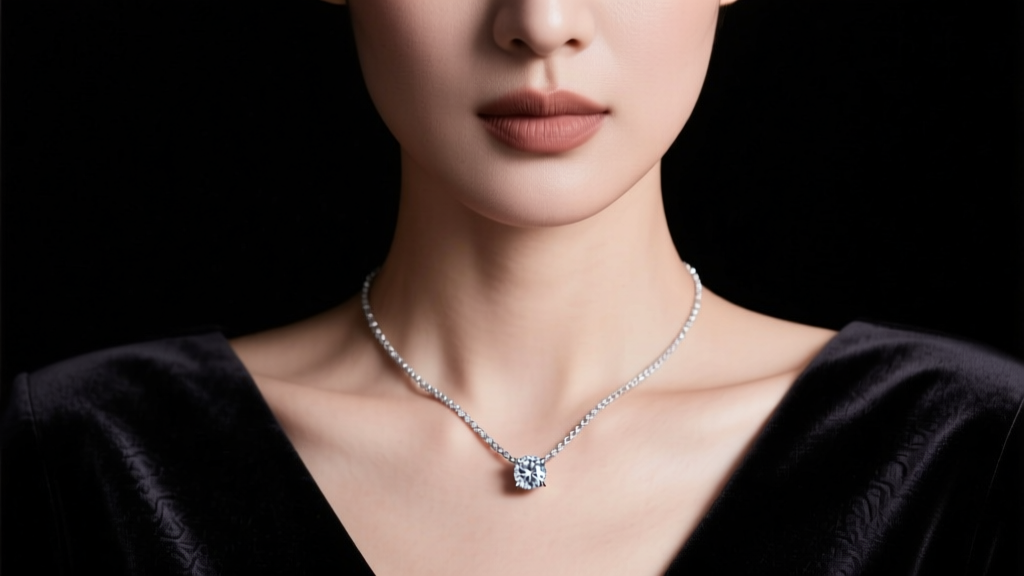
When you picture a celebrity diamond solitaire necklace, you likely envision the effortless elegance of stars like Zendaya, Hailey Bieber, or Margot Robbie stepping onto a red carpet. The solitaire pendant is a masterclass in minimalist luxury. It catches the light, draws the eye to the neckline, and pairs flawlessly with everything from a casual white t-shirt to a couture gown. But achieving that high-end, 'off-duty model' or 'red-carpet ready' look requires more than just picking any diamond on a chain. It demands a strategic understanding of proportions, chain engineering, and stone grading.
As we navigate the jewelry landscape in 2026, the celebrity diamond solitaire necklace remains one of the most coveted gifts for major milestones. Whether you are shopping for an anniversary, a graduation, or a significant career achievement, this comprehensive guide will help you select a piece that delivers maximum impact, enduring quality, and unmistakable star power.
Decoding the Red-Carpet Solitaire
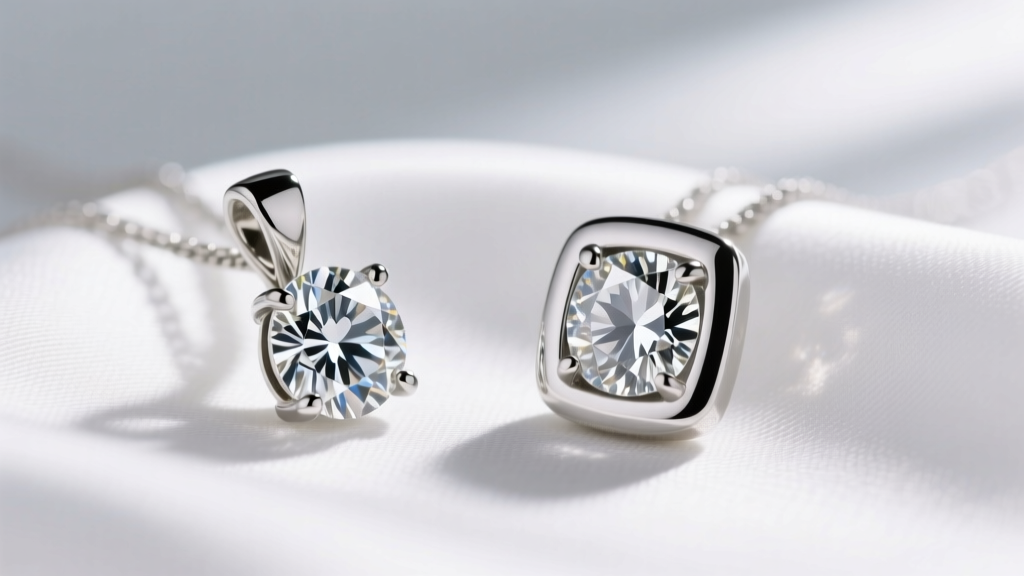
What separates a standard mall-jewelry pendant from a true celebrity-grade solitaire? The answer lies in the hardware and the stone's optical performance. High-profile stylists prioritize stones that face up completely white and exhibit aggressive light return (scintillation). They also avoid bulky, ornate settings that distract from the diamond's natural geometry. In 2026, the two dominant settings for celebrity-inspired solitaires are the classic four-prong martini setting and the sleek, modern bezel setting.
Bezel vs. Prong: The Setting Debate
- The Four-Prong Martini: This setting allows maximum light to enter the pavilion of the diamond from the sides, enhancing brilliance. It is the traditional choice for a classic, timeless look. However, the prongs can occasionally snag on delicate fabrics like silk or cashmere.
- The Bezel Setting: A thin rim of precious metal completely encircles the diamond's girdle. This is the preferred choice for active celebrities and modern minimalists. It offers superior protection against chipping and provides a slightly larger visual footprint, making a 0.75ct stone look closer to a 1.00ct. According to the Gemological Institute of America (GIA), bezel settings also help mask slight color tints in lower-grade diamonds by reflecting the white metal rim into the stone.
The 4Cs Reimagined for Pendants
When buying a diamond for a ring, the grading criteria are incredibly strict because the stone is viewed up close and compared side-by-side with others. A necklace, however, rests on the décolletage and is viewed from a distance. This allows for strategic compromises that save money without sacrificing the 'celebrity' visual impact.
Cut is Non-Negotiable: Always prioritize an 'Excellent' or 'Ideal' cut grade. A poorly cut diamond will look dark and lifeless from three feet away, no matter how large it is.
Color Sweet Spot: While D-F (colorless) commands a premium, G-H (near-colorless) diamonds face up brilliantly white against the skin, especially when set in white gold or platinum.
Clarity Realities: Because the pendant moves and rests inches from the observer's eye, VS2 or even SI1 clarity grades are perfectly acceptable. Ensure the diamond is 'eye-clean' from a distance of 12 inches.
Carat Weight: This is where your budget and the gifting occasion dictate your choice, which we will map out below.
Occasion Matching: The Carat Matrix
Matching the carat weight to the significance of the occasion is crucial for gifting etiquette. A 2.00ct stone might feel overwhelming for a high school graduation, while a 0.25ct stone might underwhelm for a 10th anniversary. Use this matrix to align your gift with the milestone.
| Carat Weight | Ideal Occasion | Chain Recommendation | Est. Lab-Grown Budget (2026) |
|---|---|---|---|
| 0.25ct - 0.50ct | Sweet 16, High School Graduation, First Major Promotion | 0.8mm - 1.0mm Cable Chain | $300 - $600 |
| 0.75ct - 1.00ct | College Graduation, 5th Anniversary, 30th Birthday | 1.0mm - 1.2mm Box or Cable Chain | $700 - $1,200 |
| 1.50ct - 2.00ct+ | 10th+ Anniversary, Engagement, Milestone Career Award | 1.2mm - 1.5mm Rope or Wheat Chain | $1,500 - $2,800 |
Chain Engineering: The Unsung Hero
The most common point of failure in a celebrity diamond solitaire necklace is not the diamond—it is the chain. A heavy solitaire pendant on a flimsy chain will cause the necklace to snap, kink, or constantly flip upside down, hiding the diamond against the wearer's chest. To achieve that perfect, weighted drape seen on red carpets, you must match the chain's tensile strength to the pendant's physical weight.
Selecting the Right Chain Profile
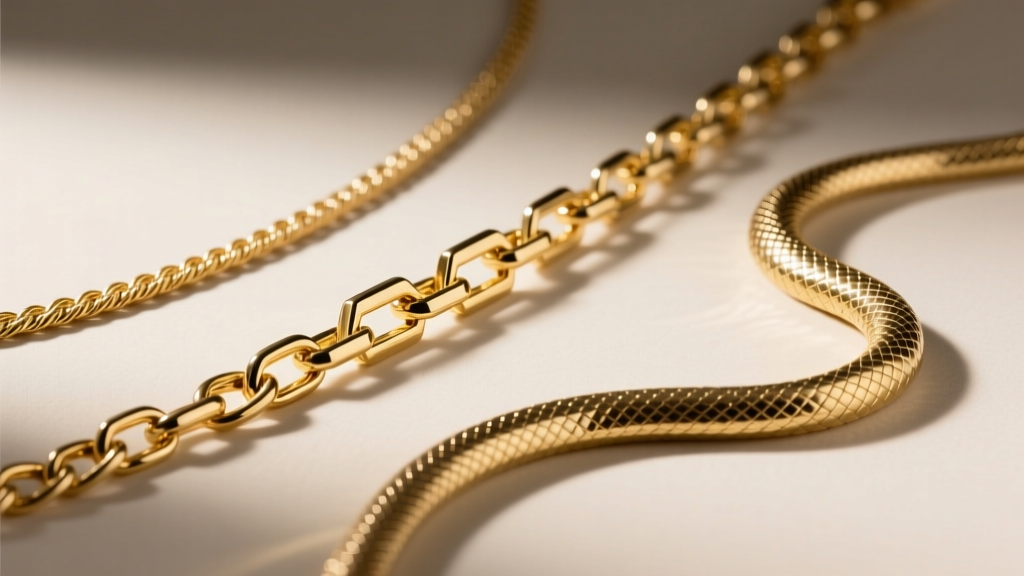
For stones under 0.75ct, a delicate 0.9mm cable chain offers a beautiful, barely-there aesthetic that lets the diamond float on the skin. However, once you cross the 1.00ct threshold, the physical weight of the gold setting and the diamond requires a sturdier profile. A 1.2mm box chain or a 1.5mm wheat chain provides the necessary structural integrity. Avoid snake chains for heavy pendants; their interlocking plates are prone to kinking and trapping body oils, which degrades the metal over time. Furthermore, always ensure the clasp is a sturdy lobster claw rather than a spring ring, which can easily fail under the pendulum motion of a heavy solitaire.
Lab-Grown vs. Natural: The 2026 Landscape
The conversation around lab-grown diamonds has shifted dramatically. In 2026, lab-grown stones are chemically, physically, and optically identical to mined diamonds, and they are widely embraced by celebrities and high-end jewelers alike. For gifting, lab-grown diamonds offer a massive advantage: you can gift a 1.50ct, VVS-clarity, D-color solitaire for the price of a modest 0.50ct natural stone.
However, transparency is paramount. The Federal Trade Commission (FTC) strictly requires that lab-grown diamonds be clearly disclosed to the consumer. If you are gifting a lab-grown piece, present it proudly as a triumph of modern science and sustainability, but ensure the accompanying documentation explicitly states its origin. For traditionalists or those who value the geological rarity of the stone, a natural diamond certified by the Natural Diamond Council or GIA remains a deeply romantic, heirloom-quality choice that holds a different type of intrinsic value.
The Art of the Presentation
Gifting a celebrity-grade solitaire is about the entire experience. Do not hand over the necklace in the flimsy cardboard box it shipped in. Invest in a wooden or leather presentation box with a velvet interior that features a built-in LED light. When the box is opened, the light will hit the diamond's crown, instantly showcasing its scintillation and creating a breathtaking 'reveal' moment. Finally, always include a professional appraisal and a jewelry insurance rider, especially for stones over 1.00ct. True luxury is not just about the initial purchase; it is about the peace of mind that allows the recipient to wear their stunning solitaire every single day, fearlessly.