How to Assemble and Style a Custom Glass Locket Necklace
Learn how to assemble, curate, and style a custom glass locket necklace. Step-by-step guide on chains, inserts, and layering techniques.

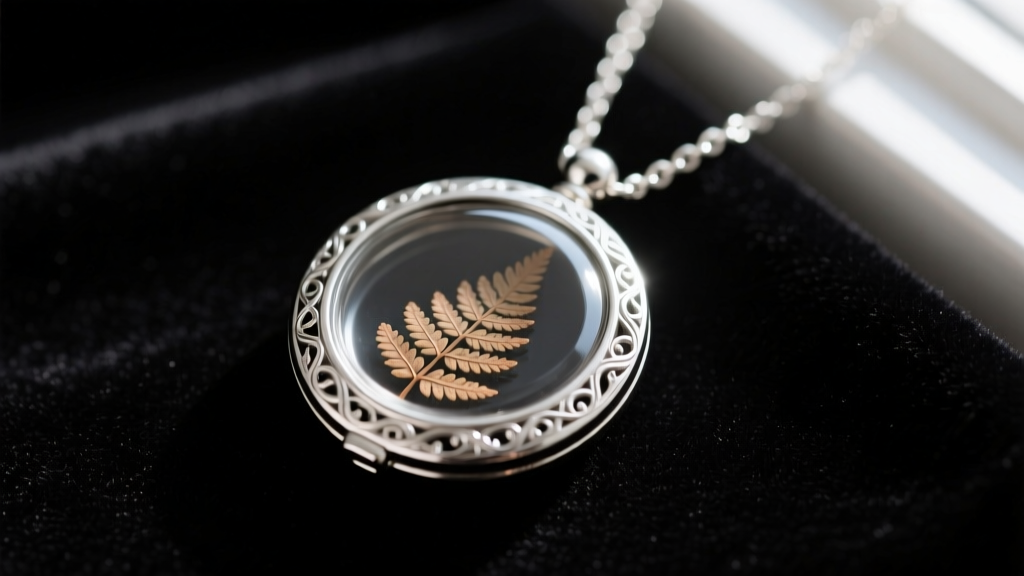
Floating glass lockets—often referred to as memory lockets—have evolved from simple novelty trinkets into sophisticated, highly customizable staples in modern jewelry design. Unlike traditional hinged metal lockets, a glass locket necklace features a screw-top or twist-open metal bezel that secures a glass cabochon or flat bevel over a curated interior insert. Whether you are encapsulating dried botanicals, miniature photography, or dichroic glass films, assembling a custom piece requires an understanding of material tolerances, metal grades, and structural weight limits.
This step-by-step guide will walk you through the precise mechanics of selecting, assembling, and styling a glass locket necklace, ensuring your final piece is both structurally sound and aesthetically striking.
Step 1: Selecting the Right Glass Locket Base
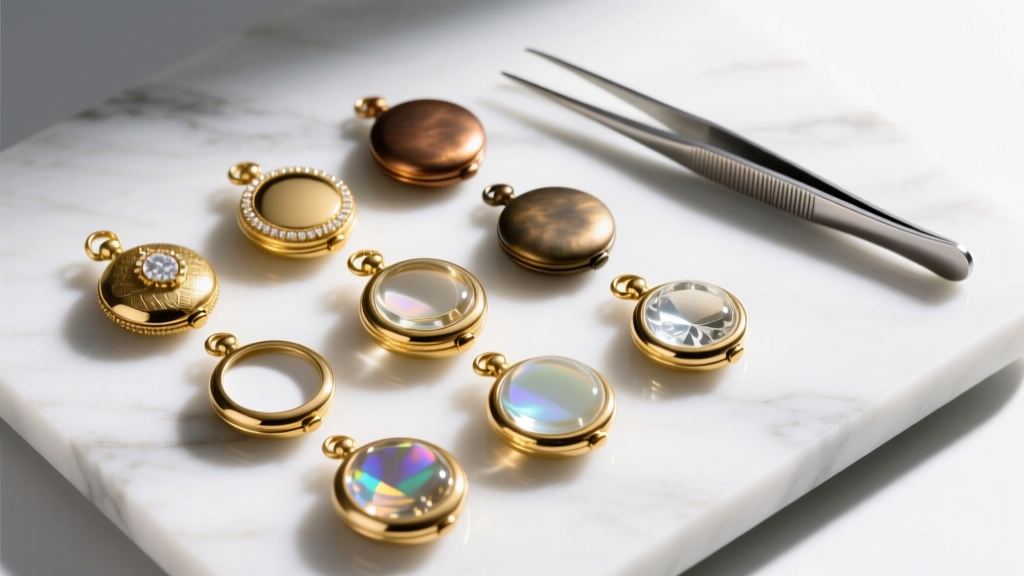
The foundation of your necklace is the bezel and glass combination. Lockets typically range from 15mm to 30mm in diameter. The most versatile size for adult necklaces is 25mm, which provides enough surface area for detailed inserts without overwhelming the décolletage. When selecting your base, you must consider the metal composition and the glass type.
Bezel Materials and Glass Types
According to the Jewelers of America care guides, the longevity of plated jewelry depends heavily on the thickness of the gold or rhodium layer. For a locket that will be opened and closed repeatedly, friction will wear down thin plating quickly.
| Material Grade | Plating / Composition | Durability & Friction Resistance | Average Price Range |
|---|---|---|---|
| Base Brass (Plated) | 0.5 microns gold/silver plate | Low; threads strip and tarnish quickly | $8 - $15 |
| 14k Gold-Filled | 5% 14k gold mechanically bonded | High; excellent thread durability | $25 - $45 |
| Solid 925 Sterling | Solid silver, sometimes rhodium plated | Very High; threads can cross if forced | $40 - $85 |
For the glass component, you have two primary choices: flat bevels and domed cabochons. Flat bevels sit flush with the bezel edge, offering a sleek, modern profile. Domed cabochons magnify the insert slightly, creating a lens effect that is ideal for miniature text or detailed botanicals. Ensure the glass has a Mohs hardness of at least 5.5 (standard silicate glass) to resist micro-scratches from daily wear, as noted in the GIA Gem Encyclopedia.
Step 2: Curating and Sizing the Interior Inserts
The most common failure point in DIY glass lockets is improperly sized or untreated inserts. If an insert is too large, it will bunch up against the bezel wall, preventing the glass from seating properly and causing the screw-top mechanism to cross-thread.
Precision Cutting and Sizing
Never use scissors to cut your inserts. Instead, invest in a heavy-duty precision circle punch. If your locket has an outer diameter of 25mm, the inner lip (where the glass sits) is typically 21mm to 22mm. You must use a 20mm or 21mm circle punch to ensure the paper or fabric lays completely flat against the backing plate.
Preserving Porous Materials
If you are using dried flowers, raw fabric, or matte photo paper, moisture trapped inside the sealed glass environment will cause organic matter to turn brown and paper to warp. To prevent this:
- UV Resin Encapsulation: Apply a micro-drop of 1:1 clear doming UV resin over organic inserts and cure it under a 36W UV lamp for 60 seconds. This creates an airtight, glass-like seal.
- Acid-Free Backing: Always mount vintage photos or delicate prints on 100% acid-free, lignin-free cardstock before punching to prevent yellowing over time.
- Silica Gel Storage: When storing spare inserts, keep them in an airtight container with indicating silica gel beads to maintain a 0% humidity environment.
Step 3: Choosing the Perfect Chain and Bail
A 25mm glass locket with a solid brass or silver bezel and a thick cabochon can weigh between 12 and 18 grams. Pairing this weight with a delicate 0.5mm chain is a structural mistake that will lead to chain failure.
Chain Gauges and Tensile Strength
You need a chain that can comfortably support at least three times the weight of the pendant to account for the kinetic shock of daily movement (e.g., catching the pendant on a sweater).
- 1.2mm to 1.5mm Box Chains: The interlocking square links provide excellent tensile strength (often supporting up to 15 lbs) while maintaining a relatively delicate visual profile.
- 1.5mm Rope Chains: The twisted links offer high durability and a brilliant light reflection, though they are more prone to catching on fine hair.
- 2.0mm Cable Chains: Ideal for larger 30mm+ lockets, offering a robust, utilitarian aesthetic that balances the visual weight of a large glass face.
Always ensure your chain features a secure lobster clasp rather than a spring-ring clasp, as the internal spring mechanism in spring rings is notorious for failing under the constant pendulum weight of a heavy glass locket.

Step 4: Layering Your Glass Locket Necklace
Because the glass face of a locket is highly reflective and visually dense, it serves as an excellent anchor piece for a layered necklace stack. The key to successful layering is mixing textures and adhering to the 'two-inch drop rule'.
The Two-Inch Rule: To prevent tangling and ensure each piece is visible, maintain a minimum two-inch difference in length between layered chains. If your glass locket sits at 18 inches, pair it with a 16-inch solid choker and a 20-inch lariat or pendant chain.
To balance the visual weight of the glass locket, pair it with matte or textured chains. A highly polished 14k gold-filled glass locket pairs beautifully with a brushed or oxidized sterling silver satellite chain, creating a mixed-metal aesthetic that feels intentional and curated rather than accidental.
Maintenance and Care for Glass Lockets
Maintaining a glass locket necklace requires a dual approach: caring for the metal threads and keeping the glass optical-clear.
When opening the locket to change inserts, never force the glass top. If it feels stuck, the threads are likely misaligned or bound by microscopic debris. Apply a single drop of mineral oil to the threads, let it sit for five minutes, and gently twist counter-clockwise. To clean the glass cabochon, avoid ammonia-based window cleaners, which can degrade the anti-tarnish rhodium plating on sterling silver bezels if it seeps into the seams. Instead, use a lint-free microfiber cloth dampened with a solution of warm water and a single drop of mild, pH-neutral dish soap, buffing in gentle circular motions to restore the glass's high-gloss finish.


